 MAIL US :
 CALL US :
>
CALL US :
>
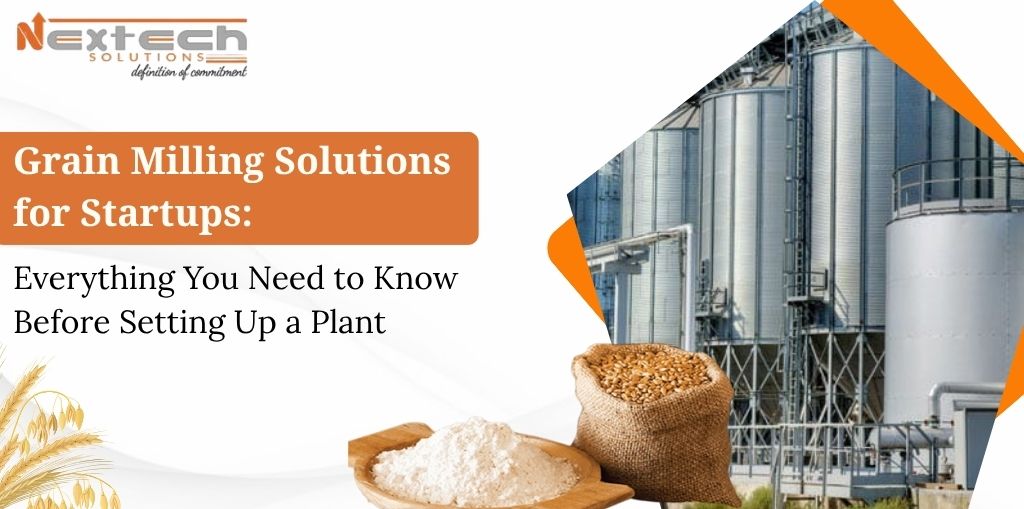
The grain milling industry has always been a cornerstone of the food supply chain, providing essential ingredients like flour, semolina, and other processed grains used globally. With rising demand for processed food and packaged staples, many entrepreneurs are exploring opportunities in this sector. However, setting up a grain milling plant is not just about installing machinery—it requires in-depth planning, understanding of processes, and integration of modern grain milling solutions to ensure long-term success.
In this blog, we’ll guide startups through the key considerations before establishing a grain milling unit, with insights from industry experts like Nextech Agri Solutions, a trusted name in providing turnkey milling consultancy and engineering services.
1. Understanding the Grain Milling Industry
Before investing in infrastructure, it’s vital to understand the scope and demand of the grain milling market. The industry caters to diverse products, including wheat flour, rice, cornmeal, and specialty grains. Consumer preferences vary by region, so identifying the target market is the first step.
- Market Demand: Research consumption patterns in your chosen location. For example, wheat flour is in high demand in urban India, while rice milling dominates in states like Punjab or West Bengal.
- Competitor Analysis: Study existing mills to identify gaps in production quality, packaging, or distribution that you can leverage.
- Regulatory Environment: Grain processing is closely regulated, and startups must comply with food safety standards like FSSAI, HACCP, or ISO certifications.
2. Selecting the Right Grain Milling Solutions
Choosing the right technology is at the heart of a successful milling plant. Modern milling solutions not only improve efficiency but also enhance product quality and reduce operational costs.
Key Aspects to Consider:
- Automation and Efficiency: Advanced machinery enables higher throughput with minimal manpower, crucial for startups aiming to scale operations.
- Energy Optimization: Energy-efficient solutions reduce production costs and environmental impact.
- Flexibility: Select equipment that can handle multiple grain types if you plan to diversify products later.
Companies like Nextech Agri Solutions specialize in designing plants that integrate these features, offering end-to-end solutions from concept to commissioning.
3. Plant Layout and Design
A well-planned layout is critical for smooth operations and long-term scalability. The design should allow optimal material flow, from raw grain intake to finished product packaging.
Factors Influencing Layout:
- Available Space: Efficient use of land can reduce construction costs.
- Process Flow: Avoid cross-contamination by maintaining separate paths for raw and processed materials.
- Future Expansion: Leave scope for adding new lines or storage units as demand grows.
Professional consultants can help design layouts that maximize productivity while adhering to hygiene and safety standards.
4. Raw Material Sourcing and Storage
The quality of grains directly affects the end product. Reliable sourcing from farmers, cooperatives, or suppliers is essential. Moreover, storage plays a critical role in maintaining grain quality before milling.
Storage Considerations:
- Temperature and Moisture Control: Prevents spoilage and pest infestation.
- Capacity Planning: Storage should align with production volumes to avoid bottlenecks.
- Inventory Management: Use technology for tracking and managing stock levels efficiently.
5. Compliance and Quality Control
Food safety is non-negotiable in grain milling. Startups must invest in stringent quality control measures to meet consumer expectations and regulatory requirements.
- Laboratory Testing: Regular checks for moisture, protein content, and contaminants.
- Certifications: Acquiring certifications like ISO 22000 or HACCP boosts credibility in domestic and international markets.
- Traceability: Implement systems to track raw materials from procurement to finished goods for accountability and safety.
6. Financial Planning and ROI
Setting up a milling plant is capital-intensive, and careful financial planning is crucial. Beyond machinery and infrastructure, consider recurring expenses such as labor, energy, and maintenance.
Cost Factors:
- Machinery and installation
- Land and building construction
- Licensing and compliance fees
- Working capital for initial operations
Startups should also analyze potential returns, considering local demand and distribution opportunities. Well-optimized plants using modern grain milling solutions typically see better margins due to reduced wastage and higher efficiency.
7. Partnering with Experts for Success
Many entrepreneurs underestimate the complexity of setting up a milling plant. Partnering with experienced consultants like Nextech Agri Solutions can significantly reduce risks and ensure a smoother launch. They provide comprehensive services, including feasibility studies, plant design, machinery selection, installation, and staff training—ensuring startups can focus on operations rather than technical hurdles.
Conclusion
Entering the grain milling business is a promising venture, but it demands thorough planning, reliable technology, and expert guidance. From understanding market dynamics to selecting the right grain milling solutions, every step impacts the success and profitability of your plant. By working with experienced partners like Nextech Agri Solutions, startups can confidently navigate challenges and establish efficient, scalable, and profitable milling operations.
Ready to turn your milling business idea into reality? Connect with Nextech Agri Solution today for expert guidance and end-to-end support in setting up your grain milling plant.