How to Increase Profit in a Rice Mill Business

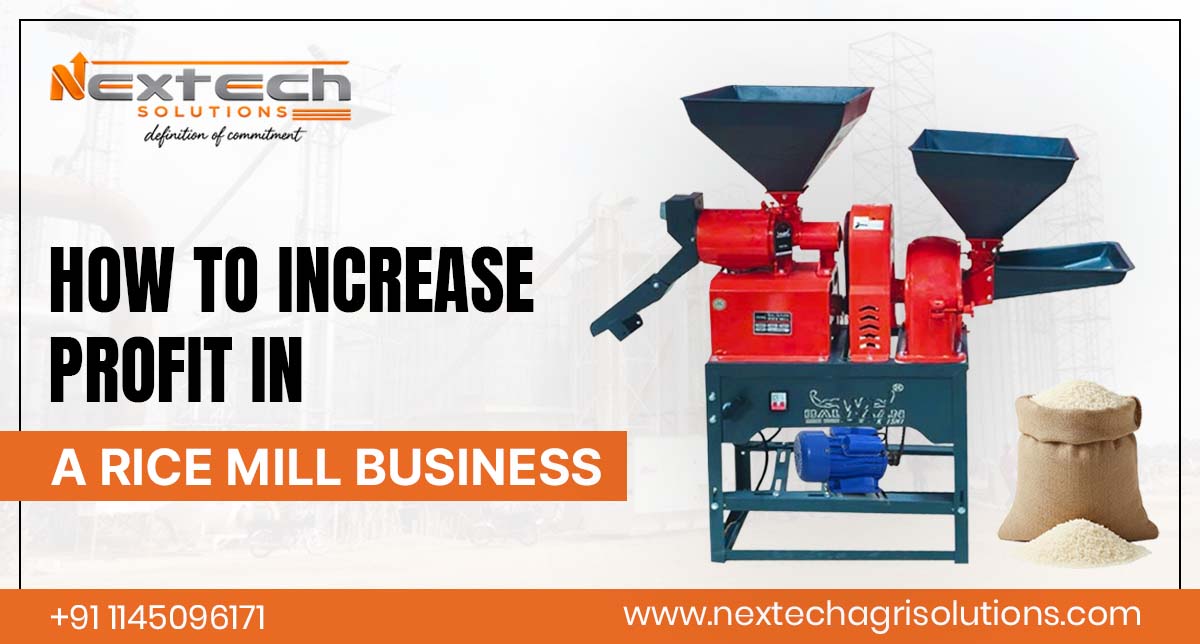
The Rice Mill Business is one of the most profitable segments in the agro-processing industry, especially in a country like India where rice is a staple food. However, many mill owners struggle to maximize profits due to inefficient processes, outdated machinery, and poor planning.

Increasing profitability is not just about producing more—it’s about optimizing operations, reducing wastage, improving quality, and adopting modern technologies. With the right strategies and expert support from companies like Nextech, businesses can significantly improve their output and revenue.

What Drives Profit in a Rice Mill Business?

Before improving profits, it’s important to understand the key factors that impact the Rice Mill Business.

Key Profit Drivers

  • Milling efficiency
  • Grain quality
  • Operational cost control
  • Storage management
  • Market demand

By focusing on these areas, mill owners can create a strong foundation for long-term profitability.

1. Optimize Rice Mill Layout for Efficiency

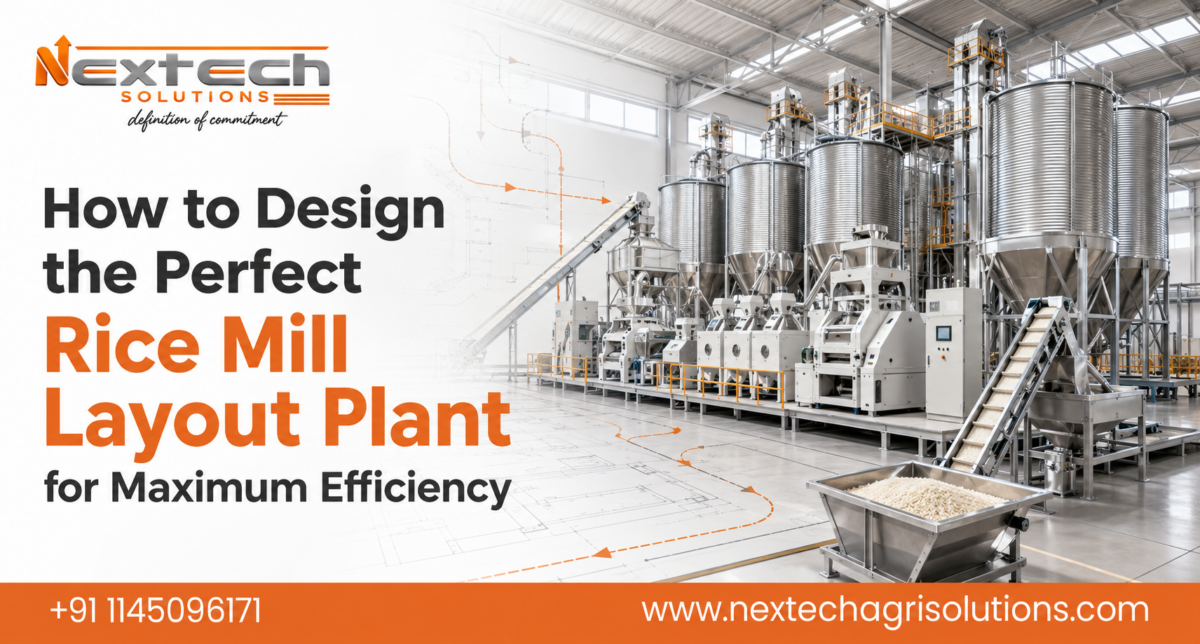
One of the most overlooked factors in the Rice Mill Business is plant layout. A well-designed Rice Mill Layout Plant ensures smooth workflow and reduces operational delays.

Benefits of Optimized Layout

  • Reduced material handling time
  • Lower labor costs
  • Improved productivity
  • Better space utilization

Working with experienced Rice Mill Engineers & Designers can help you create an efficient setup that minimizes waste and maximizes output.

2. Invest in Advanced Grain Milling Solutions

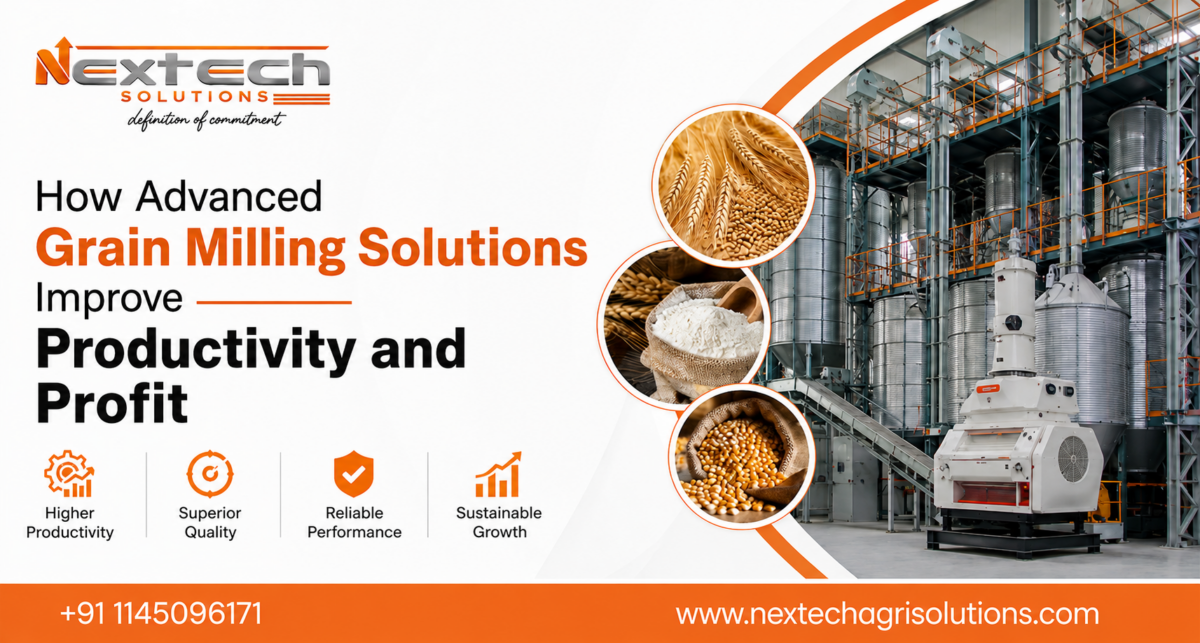
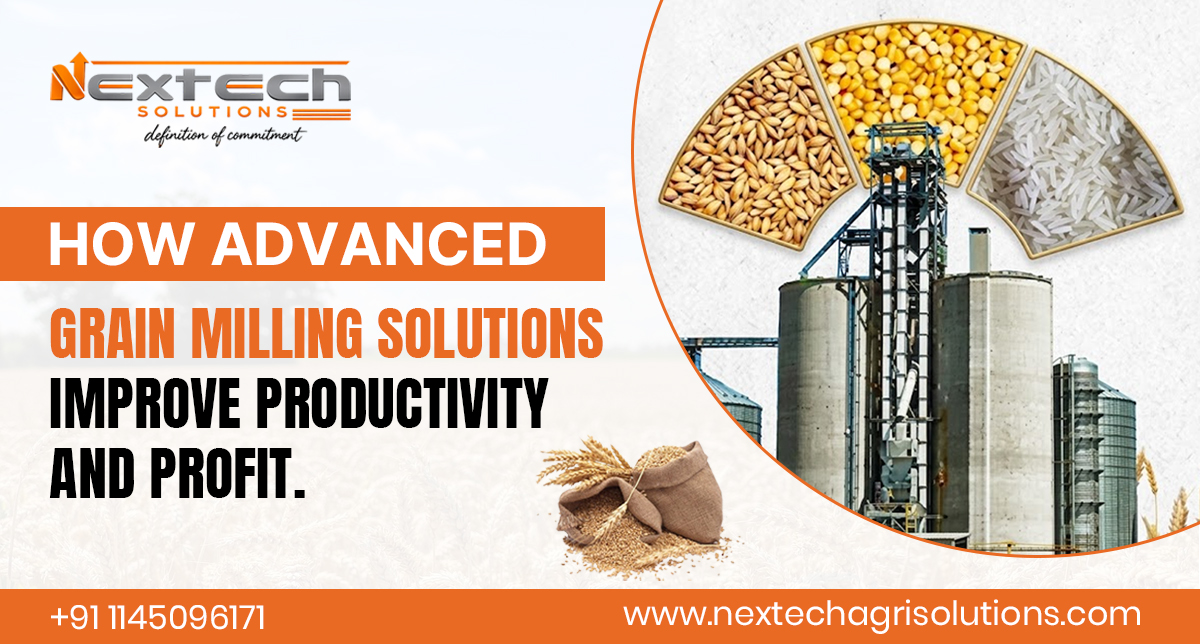
Technology plays a major role in improving efficiency and profitability. Modern Grain Milling Solutions help reduce grain breakage and improve yield.

Advantages

  • Higher production capacity
  • Better rice quality
  • Reduced energy consumption
  • Consistent output

Upgrading your equipment is one of the most effective ways to scale your Rice Mill Business.

3. Improve Storage with Silo Systems

Storage is a critical factor in maintaining grain quality and reducing losses.

Why Storage Matters

Poor storage leads to:

  • Moisture damage
  • Pest infestation
  • Quality degradation

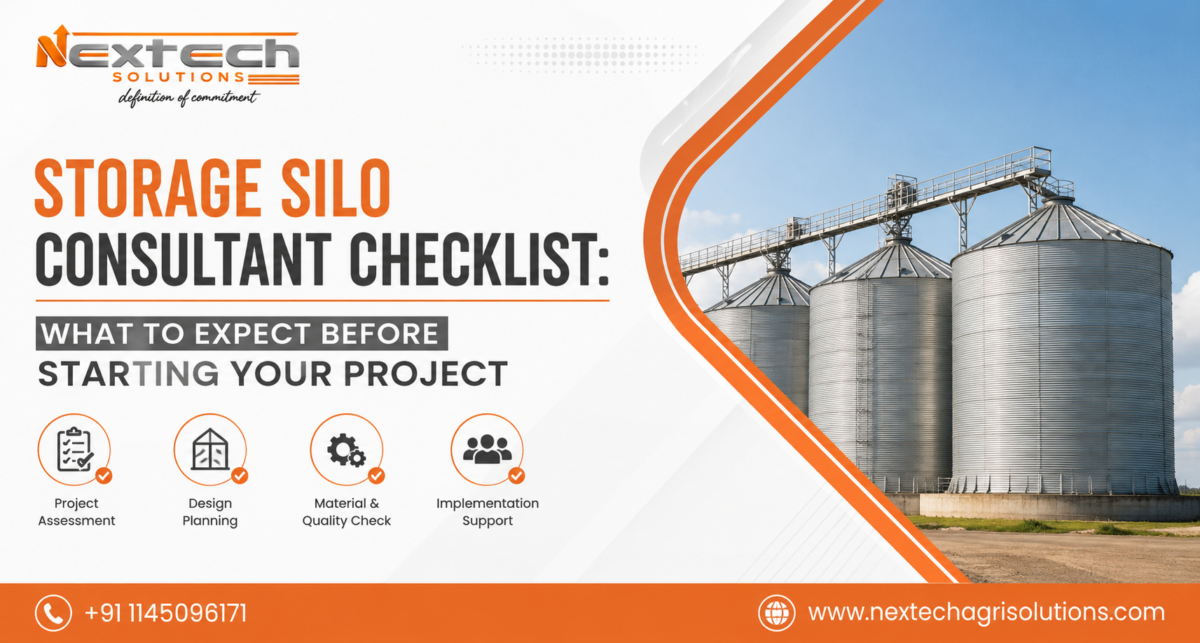
Working with a Storage Silo Consultant or Storage Silo Project Consultant ensures proper storage planning and implementation.

Benefits of Silo Systems

  • Long-term grain preservation
  • Reduced wastage
  • Better inventory control
  • Improved operational efficiency

4. Reduce Wastage and Increase Yield

Maximizing yield is essential for increasing profit in the Rice Mill Business.

Strategies to Reduce Wastage

  • Use high-quality machinery
  • Train workers properly
  • Monitor processing stages
  • Maintain equipment regularly

Even a small reduction in wastage can significantly impact overall profitability.

5. Focus on Quality and Branding

High-quality rice commands better prices in the market.

How to Improve Quality

  • Use advanced polishing and grading systems
  • Maintain hygiene standards
  • Ensure proper packaging

A strong brand identity helps you stand out in a competitive market and increases customer trust.

6. Work with Expert Rice Mill Consultants

Hiring a Rice Mill Consultant can provide valuable insights into improving operations and profitability.

What Consultants Offer

  • Process optimization
  • Cost reduction strategies
  • Technology recommendations
  • Market insights

Expert guidance can help you avoid costly mistakes and accelerate growth.

7. Automate Operations

Automation is becoming essential in modern rice mills.

Benefits of Automation

  • Reduced labor dependency
  • Faster processing
  • Consistent quality
  • Lower operational costs

Integrating automation into your Rice Mill Business can significantly improve efficiency and profitability.

8. Manage Operational Costs Effectively

Controlling costs is as important as increasing production.

Key Areas to Monitor

  • Energy consumption
  • Labor costs
  • Maintenance expenses
  • Raw material sourcing

Efficient cost management directly improves profit margins.

9. Expand Market Reach

To increase revenue, businesses must explore new markets.

Strategies

  • Export opportunities
  • Online sales channels
  • Partnerships with distributors
  • Direct-to-consumer sales

Expanding your reach helps you scale your Rice Mill Business and increase profitability.

10. Regular Maintenance and Upgrades

Neglecting maintenance can lead to breakdowns and losses.

Importance of Maintenance

  • Prevents downtime
  • Improves equipment lifespan
  • Ensures consistent performance

Regular upgrades keep your business competitive in the market.

Why Choose Nextech for Rice Mill Solutions?

Nextech is a trusted name in providing advanced solutions for the Rice Mill Business in India.

Key Advantages

  • Expertise in Grain Milling Solutions
  • Professional Rice Mill Engineers & Designers
  • Advanced storage solutions with silo systems
  • Customized plant layout design
  • End-to-end project support

Their experience as a Storage Silo Consultant and Rice Mill Consultant ensures that businesses get reliable and scalable solutions.

Common Mistakes to Avoid

Many rice mill owners face losses due to avoidable mistakes.

Avoid These Errors

  • Using outdated machinery
  • Poor storage management
  • Ignoring maintenance
  • Lack of planning
  • Not investing in technology

Avoiding these mistakes can significantly improve profitability.

Future Trends in the Rice Mill Business

The industry is evolving with new technologies and innovations.

Emerging Trends

  • Smart milling systems
  • Energy-efficient machinery
  • Automated storage solutions
  • Digital monitoring systems

Adopting these trends can help businesses stay competitive and profitable.

FAQs

1. How can I increase profit in a rice mill business?

You can increase profit by improving efficiency, reducing wastage, upgrading machinery, and optimizing storage systems.

2. What is the role of a rice mill consultant?

A Rice Mill Consultant helps optimize processes, reduce costs, and improve overall efficiency.

3. Why is storage important in rice mills?

Proper storage prevents grain damage, reduces losses, and maintains quality.

4. What are grain milling solutions?

Grain Milling Solutions include advanced technologies and equipment that improve rice processing efficiency and output quality.

5. Where can I find reliable rice mill solutions in India?

You can choose Nextech for advanced and customized solutions for rice mills.

Conclusion

Increasing profit in a Rice Mill Business requires a strategic approach that combines technology, efficiency, and proper planning. From optimizing plant layout to investing in advanced milling solutions and storage systems, every step plays a crucial role in improving profitability.

By partnering with experts like Nextech, businesses can implement reliable and scalable solutions that ensure long-term success in a competitive market.

Latest Technology and Equipment Used in the Rice Mill Business

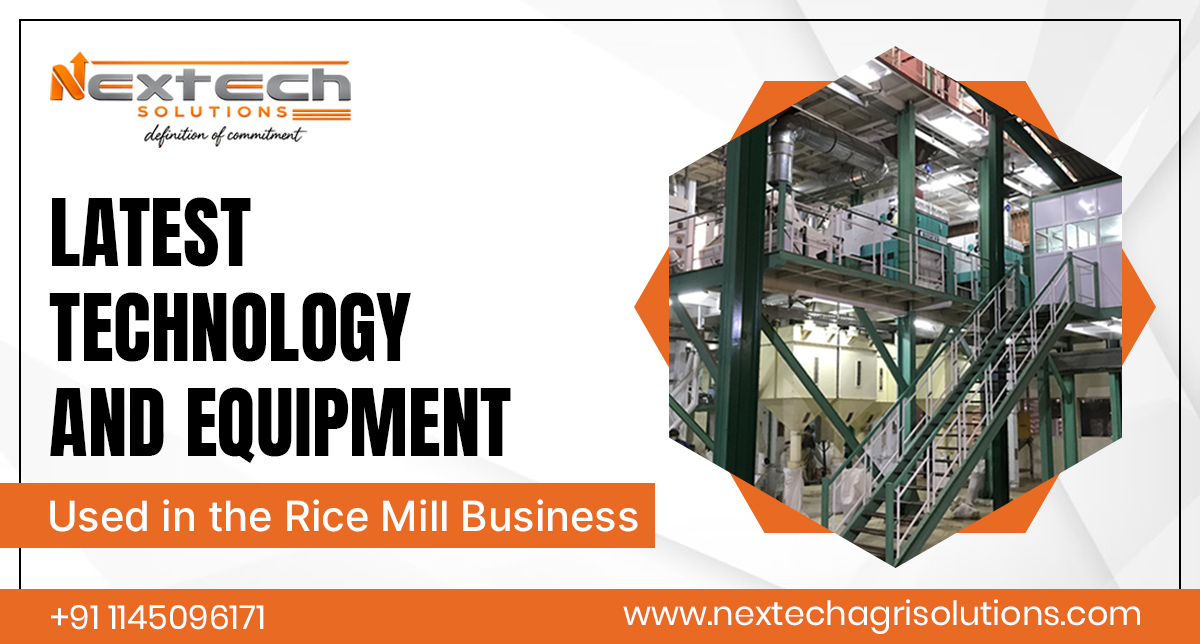
The Rice Mill Business has evolved significantly over the years, moving from traditional processing methods to highly advanced and automated systems. With increasing demand for high-quality rice and efficient production, modern rice mills are now integrating cutting-edge technologies to improve productivity, reduce wastage, and ensure consistent output.

In today’s competitive market, adopting the latest equipment is not just an option—it is a necessity. From automated sorting systems to advanced storage solutions like silos, technology is transforming how rice mills operate. Companies like Nextech are leading this transformation by providing innovative solutions tailored to modern agricultural and industrial needs.

What is the Rice Mill Business?

The Rice Mill Business involves processing raw paddy into consumable rice through a series of steps such as cleaning, husking, polishing, grading, and packaging.

A modern rice mill factory uses advanced machinery to ensure precision and efficiency at every stage. Unlike traditional mills, today’s systems focus on minimizing grain breakage, improving yield, and maintaining quality standards.

Why Technology is Important in the Rice Mill Business

Technology plays a crucial role in improving efficiency and profitability in the Rice Mill Business.

Key Benefits

  • Higher production capacity
  • Reduced manual labor
  • Improved rice quality
  • Lower operational costs
  • Better storage and inventory management

Modern rice mills that adopt advanced technology gain a competitive advantage in both local and global markets.

Latest Technology Used in Rice Mills

1. Automated Paddy Cleaning Systems

Cleaning is the first step in rice processing. Advanced cleaning machines remove dust, stones, and impurities efficiently.

These systems ensure that only high-quality paddy enters the processing stage, improving the overall output of the Rice Mill Business.

2. High-Efficiency Rice Whitener & Polisher

Modern rice mills use advanced whitening and polishing machines to improve the appearance and texture of rice.

This is especially important for producing premium-quality rice, including par boiled rice, which requires precise processing techniques.

3. Color Sorters

Color sorting machines use optical sensors and AI-based technology to separate defective grains from high-quality ones.

This technology ensures consistency and enhances the value of the final product, making it essential for modern rice mill factory operations.

4. Automatic Grading Systems

Grading machines classify rice based on size, shape, and quality.

These systems help maintain uniformity, which is crucial for branding and meeting market standards in the Rice Mill Business.

5. Advanced Packaging Machines

Automated packaging systems improve efficiency and ensure proper sealing, labeling, and hygiene.

They also reduce manual errors and enhance the overall presentation of the product.

Equipment Used in Modern Rice Mills

1. Paddy Husker

The husker removes the outer shell from paddy grains. Modern huskers are designed to reduce grain breakage and improve yield.

2. Rice Separator

This equipment separates brown rice from unprocessed paddy, ensuring efficient processing.

3. Rice Polisher

Polishers enhance the appearance of rice, making it more appealing in the market.

This is particularly important when promoting white rice benefits, as polished rice is commonly consumed worldwide.

4. Silos for Storage of Grains

Storage is a critical part of the Rice Mill Business.

Using silos for storage of grains ensures:

  • Protection from moisture
  • Reduced contamination
  • Better inventory management
  • Long-term preservation

Companies like Nextech provide advanced silo solutions that help rice mills maintain grain quality and reduce losses.

Role of Automation in Rice Mills

Automation is revolutionizing the Rice Mill Business by reducing dependency on manual labor and increasing efficiency.

Benefits of Automation

  • Faster processing
  • Consistent quality
  • Reduced human error
  • Improved safety
  • Lower operational costs

Modern rice mills are increasingly adopting automated systems to stay competitive in the industry.

Quality Control and Food Safety Technology

Maintaining quality is essential in the Rice Mill Business.

Advanced testing and monitoring systems ensure that rice meets food safety standards. These technologies help maintain the nutritional value of rice, including various rice health benefits.

Consumers today are more aware of the benefits of eating rice, making quality control even more important.

Future Trends in the Rice Mill Business

The future of the Rice Mill Business is driven by innovation and sustainability.

Emerging Trends

  • AI-based quality inspection
  • Smart storage systems
  • Energy-efficient machinery
  • Digital monitoring systems
  • Eco-friendly processing methods

Businesses adopting these technologies are better positioned for long-term success.

Why Choose Nextech for Rice Mill Solutions

When it comes to advanced solutions for the Rice Mill Business, Nextech stands out as a reliable partner.

Key Advantages

  • Advanced machinery and equipment
  • Customized solutions for rice mills
  • High-quality storage systems
  • Expert technical support
  • Scalable solutions for growing businesses

Their expertise in providing silos for storage of grains and modern processing equipment makes them a preferred choice for rice mill owners.

Common Mistakes to Avoid

Even with advanced technology, mistakes can impact performance.

Avoid These Errors

  • Using outdated machinery
  • Poor storage management
  • Ignoring quality control
  • Lack of automation
  • Improper maintenance

Avoiding these mistakes can significantly improve efficiency and profitability in the Rice Mill Business.

FAQs

1. What is the Rice Mill Business?

The Rice Mill Business involves processing raw paddy into consumable rice using modern machinery and equipment.

2. What are the latest technologies used in rice mills?

Modern rice mills use automated cleaning systems, color sorters, grading machines, and advanced storage solutions like silos.

3. Why are silos important in rice mills?

Silos for storage of grains help protect rice from moisture, pests, and contamination while ensuring long-term storage.

4. How does automation improve rice mills?

Automation increases efficiency, reduces labor costs, and ensures consistent quality in rice production.

5. Which company provides advanced rice mill solutions?

Nextech offers innovative solutions, including modern equipment and storage systems, for efficient rice mill operations.

Conclusion

The Rice Mill Business is rapidly evolving with the integration of advanced technology and modern equipment. From automated processing systems to smart storage solutions, these innovations are helping businesses improve efficiency, reduce costs, and maintain high-quality standards.By partnering with trusted providers like Nextech, rice mill owners can implement reliable and scalable solutions that meet the demands of today’s market and ensure long-term success.

Licenses and Registrations Required for a Rice Mill Business in India

Starting a Rice Mill Business in India can be a profitable opportunity, especially with the growing demand for processed rice in both domestic and international markets. However, before setting up your plant, it is important to understand the legal requirements involved.

From government approvals to safety regulations, every rice mill business must follow certain rules to operate smoothly. With the right guidance from experts like Nextech Agri Solutions, you can simplify the entire process and avoid costly mistakes.

Why Licenses Are Important for a Rice Mill Business

A Rice Mill Business involves food processing, machinery, and storage systems. Because of this, the government requires proper registrations and approvals to ensure safety, quality, and compliance.

Key Reasons:

  • Ensures legal operation
  • Maintains food safety standards
  • Builds trust with buyers and partners
  • Helps avoid penalties and shutdowns

Without proper licenses, running a rice mill business can lead to serious legal issues.

Basic Requirements Before Starting

Before applying for licenses, you need a clear setup plan. This includes land, machinery, and layout planning.

Working with experienced Rice Mill Engineers & Designers can help you:

  • Plan an efficient Rice Mill Layout Plant
  • Optimize space and workflow
  • Reduce operational costs

A well-designed setup makes it easier to get approvals and run your rice mill business smoothly.

Essential Licenses for Rice Mill Business in India

Here are the key licenses and registrations you need:

1. Business Registration

The first step is to legally register your rice mill business.

You can choose from:

  • Sole proprietorship
  • Partnership firm
  • Private limited company

This registration gives your business a legal identity.

2. FSSAI License

Since rice is a food product, an FSSAI license is mandatory.

This ensures:

  • Food safety compliance
  • Quality control
  • Consumer protection

Every Rice Mill Business must obtain this license before starting operations.

3. GST Registration

GST registration is required for tax compliance.

It allows you to:

  • Sell products legally
  • Claim input tax credit
  • Expand your business across states

A registered Rice Mill Business can operate more efficiently in the market.

4. Pollution Control Board Clearance

Rice mills generate dust and waste, so environmental approval is necessary.

You need:

  • Consent to Establish (CTE)
  • Consent to Operate (CTO)

This ensures your Rice Mill Business follows environmental guidelines.

5. Factory License

If your rice mill involves machinery and labor, a factory license is required.

This license ensures:

  • Worker safety
  • Proper working conditions
  • Compliance with labor laws

6. Trade License

A trade license from the local authority allows you to operate legally in a specific area.

It confirms that your Rice Mill Business meets local regulations.

7. Fire Safety Clearance

Rice mills handle machinery and electrical equipment, making fire safety crucial.

You must install safety systems and get approval from the fire department.

8. Udyam Registration (MSME)

Registering your Rice Mill Business as an MSME offers benefits like:

  • Subsidies
  • Easy loans
  • Government support

Role of Consultants in Setting Up a Rice Mill

Starting a Rice Mill Business is not just about licenses—it also involves technical planning and execution.

Why You Need Experts:

Rice Mill Consultant

A professional Rice Mill Consultant helps you plan, design, and execute your project efficiently.

Storage Silo Consultant

Proper storage is essential for grain quality. A Storage Silo Consultant ensures safe and efficient storage systems.

Storage Silo Project Consultant

For large-scale operations, a Storage Silo Project Consultant helps manage the entire storage setup.

Grain Milling Solutions

Modern Grain Milling Solutions improve efficiency, reduce waste, and increase output.

Importance of Proper Layout and Design

A well-planned Rice Mill Layout Plant is essential for smooth operations.

Benefits:

  • Better workflow
  • Reduced energy consumption
  • Improved productivity
  • Easier compliance with regulations

Working with professional Rice Mill Engineers & Designers ensures that your plant is designed for maximum efficiency.

Common Challenges in Rice Mill Business Setup

Starting a Rice Mill Business comes with challenges:

  • Complex licensing process
  • High initial investment
  • Technical planning issues
  • Lack of expert guidance

However, with the right support from companies like Nextech Agri Solutions, these challenges can be managed effectively.

Tips for Smooth Approval Process

To avoid delays in your Rice Mill Business, follow these tips:

  • Prepare all documents in advance
  • Choose the right location
  • Work with experienced consultants
  • Follow safety and environmental guidelines
  • Ensure proper layout planning

Why Choose Nextech Agri Solutions?

Nextech Agri Solutions provides complete support for setting up a Rice Mill Business.

Their Services Include:

  • Plant design and layout planning
  • Consultation and project management
  • Advanced Grain Milling Solutions
  • Storage system planning
  • End-to-end support

With their expertise, you can set up your rice mill efficiently and start operations without hassle.

Future Growth of Rice Mill Business in India

The demand for processed rice is increasing rapidly, both in India and globally.

A well-planned Rice Mill Business has great potential due to:

  • Growing population
  • Increasing exports
  • Demand for quality rice

Investing in the right setup today can lead to long-term success.

FAQs About Rice Mill Business

1. What licenses are required for a Rice Mill Business in India?

You need FSSAI, GST registration, pollution control clearance, factory license, and trade license.

2. Is FSSAI license mandatory for rice mills?

Yes, since rice is a food product, every Rice Mill Business must have an FSSAI license.

3. How much investment is needed to start a rice mill?

The investment depends on the size and capacity of the plant.

4. Do I need a consultant for setting up a rice mill?

Yes, working with a Rice Mill Consultant helps in planning, design, and smooth execution.

5. What is the role of storage systems in rice mills?

Storage systems like silos help maintain grain quality and reduce losses.

Final Thoughts

Starting a Rice Mill Business in India is a great opportunity, but it requires proper planning and compliance with legal requirements. From licenses to plant design, every step plays an important role in success.

With expert guidance from Nextech Agri Solutions, you can simplify the process and build a profitable and efficient rice mill setup.

How Storage Silos Improve Parboiled Rice Quality and Shelf Life

The rice industry has evolved significantly with the adoption of modern processing and storage technologies. One of the biggest challenges faced by rice mill owners is maintaining grain quality after processing. Improper storage can lead to moisture buildup, pest infestation, and nutrient loss, ultimately affecting the final product quality.

For businesses involved in producing Parboiled Rice, advanced storage systems such as grain silos play a crucial role in preserving freshness and improving shelf life. Companies like Nextech Agri Solutions are helping rice millers adopt efficient storage technologies that enhance both product quality and operational efficiency.

In this blog, we will explore how storage silos improve rice quality, extend shelf life, and support the overall rice milling industry.

Understanding Parboiled Rice and Its Processing

Before understanding the importance of storage silos, it is essential to know what Parboiled Rice is and how it is processed.

Parboiled rice is partially boiled in the husk before milling. This process helps transfer nutrients from the outer bran layer into the grain, making the rice more nutritious and durable during milling.

The parboiled rice process typically includes three main steps:

  1. Soaking – Paddy is soaked in warm water to increase its moisture level.
  2. Steaming – The soaked paddy is steamed to gelatinize the starch and lock nutrients inside the grain.
  3. Drying and Milling – The grains are dried before undergoing the rice milling process where husk and bran layers are removed.

Because the grains go through heat and moisture treatment, proper storage becomes extremely important to maintain quality after processing.

The Role of Storage Silos in Rice Mills

Traditional storage methods such as warehouses and jute bags often fail to protect grains from environmental factors. Modern grain silos, on the other hand, provide controlled storage conditions that protect rice from moisture, pests, and contamination.

For every modern rice mill, investing in proper storage infrastructure is essential to maintain consistent product quality.

Storage silos offer several advantages:

  • Controlled temperature and humidity
  • Protection against insects and rodents
  • Reduced grain spoilage
  • Efficient bulk storage
  • Better inventory management

These benefits directly impact the quality and shelf life of Parboiled Rice.

How Storage Silos Improve Parboiled Rice Quality

Quality is one of the most important factors that determines market value in the rice industry. Improper storage can cause grain discoloration, fungal growth, and loss of aroma.

Here is how silos help maintain the quality of Parboiled Rice.

1. Moisture Control

Moisture is one of the biggest threats to rice quality. Excess moisture can lead to mold growth and spoilage.

Storage silos are equipped with ventilation systems that regulate humidity and airflow. This helps maintain ideal moisture levels, ensuring that Parboiled Rice remains fresh and safe for consumption.

2. Protection from Pest Infestation

Traditional storage methods often expose rice to insects and rodents. Pest contamination can damage grains and reduce their market value.

Modern silos provide sealed environments that prevent pest entry, ensuring that the stored Parboiled Rice remains protected for longer periods.

3. Maintaining Grain Structure

During the rice milling process, grains can become fragile due to heat and mechanical stress. Poor storage conditions may cause breakage and reduce rice quality.

Silos store grains in bulk without excessive pressure, helping maintain the structural integrity of the rice kernels.

Extending Shelf Life Through Proper Storage

One of the biggest advantages of using silos is the ability to extend the shelf life of rice products.

When rice is stored in uncontrolled environments, it may lose its nutritional value and develop unpleasant odors. Properly managed silos provide stable storage conditions that help maintain grain quality for longer durations.

This is particularly beneficial for producers dealing with Parboiled Rice, as it allows them to store large quantities without compromising quality.

Longer shelf life also enables millers to manage market supply efficiently and reduce product losses.

Supporting the Growth of the Rice Milling Industry

The global demand for rice continues to grow, making efficient processing and storage systems increasingly important. For entrepreneurs planning to enter the rice mill business, investing in modern storage infrastructure is a smart long-term decision.

A well-structured rice mill business plan should always include advanced storage solutions such as silos. Proper grain storage not only protects the product but also improves operational efficiency.

With the right infrastructure in place, businesses can maintain consistent quality and meet the demands of large-scale buyers and export markets.

The Importance of Expert Guidance in Rice Mill Setup

Setting up a rice mill requires careful planning and technical expertise. From machinery selection to storage infrastructure, every stage plays a crucial role in determining the final product quality.

This is where professional guidance from an experienced rice mill consultant becomes valuable. Experts help businesses design efficient milling systems, optimize the parboiled rice process, and implement modern storage solutions.

Organizations like Nextech Agri Solutions support rice mill owners by providing advanced engineering solutions and industry expertise.

Nutritional Value and Benefits of Rice

Rice remains one of the most important staple foods worldwide. The benefits of rice include providing essential carbohydrates, energy, and nutrients that support daily dietary needs.

Parboiled varieties are particularly valued because they retain more nutrients compared to regular white rice. The steaming stage of the process helps move vitamins and minerals from the outer layers into the grain.

This makes Parboiled Rice a healthier option while also improving cooking characteristics such as firmness and reduced stickiness.

Understanding the Rice Production Cycle

For anyone entering the rice industry, understanding crop production is also important. Many entrepreneurs often ask how long does it take rice to grow before it reaches the processing stage.

Typically, rice crops take around 3 to 6 months to mature depending on the variety and climatic conditions. After harvesting, the paddy is transported to processing facilities where it undergoes drying, parboiling, and milling.

Proper post-harvest handling and storage ensure that the final rice product maintains high quality from farm to market.

Final Thoughts

Modern storage infrastructure is becoming an essential component of the rice processing industry. By adopting advanced silo systems, rice millers can protect grain quality, reduce losses, and improve operational efficiency.

For producers specializing in Parboiled Rice, storage silos provide controlled conditions that help maintain freshness, prevent contamination, and extend shelf life. These systems also support better inventory management and ensure consistent product quality.

With the support of experienced solution providers like Nextech Agri Solutions, rice mill businesses can implement advanced technologies that strengthen their operations and improve long-term profitability.

FAQs

1. What is Parboiled Rice and how is it different from regular rice?

Parboiled rice is rice that has been partially boiled in the husk before milling. This process helps retain nutrients and makes the grains stronger during milling.

2. How do storage silos improve rice quality?

Storage silos maintain controlled temperature and humidity levels, protecting rice from moisture, pests, and contamination, which helps preserve grain quality.

3. What is the rice milling process?

The rice milling process involves removing the husk and bran layers from paddy to produce edible rice while maintaining grain quality.

4. Why are silos important for rice mill businesses?

Silos help store large quantities of rice safely, reduce spoilage, improve inventory management, and maintain product quality.

5. How long does it take rice to grow before harvesting?

Rice typically takes about 3 to 6 months to grow depending on the variety, climate, and farming practices.

Scaling Up Parboiled Rice Production: What to Plan Before Expansion

Expanding a rice processing facility is a major step for any mill owner or agribusiness operator. As global demand for Parboiled Rice continues to grow due to its nutritional value, durability, and cooking quality, many producers are planning to increase their production capacity. However, scaling operations requires more than simply adding new machines — it involves careful planning across infrastructure, technology, workflow efficiency, and quality control.

With proper strategy and technical support from industry experts like Nextech Agri Solutions, expanding production can improve efficiency, profitability, and product consistency while minimizing operational risks.

Understanding the Growing Demand for Parboiled Rice

The global market for Parboiled Rice has expanded significantly in recent years, especially in regions where rice is a staple food. The strengthening of the grain during processing, reduced breakage during milling, and improved shelf life make this product highly desirable in both domestic and export markets.

The parboiling process of rice enhances nutritional retention by driving vitamins and minerals from the husk into the grain. Because of this, consumers increasingly prefer parboiled varieties over regular milled rice.

For millers, scaling production of Parboiled Rice presents an opportunity to meet rising demand while improving operational margins.

Evaluating Existing Production Capacity

Before expanding, it’s essential to evaluate your current production system. Many mills discover that inefficiencies in workflow, drying systems, or steaming units limit output more than equipment size alone.

Assess the following:

  • Current plant throughput capacity
  • Boiler efficiency and steaming capability
  • Drying time and drying yard capacity
  • Storage infrastructure
  • Milling recovery rates

A technical audit of the parboiling process often reveals opportunities to increase output without major structural changes.

Planning Infrastructure for Expansion

Infrastructure plays a critical role when scaling Parboiled Rice production. Increasing output requires consistent handling of larger volumes of paddy, water, steam, and finished product.

Key infrastructure considerations include:

Soaking Tanks

Larger soaking tanks or additional tanks may be needed to maintain continuous production cycles in the parboiling process of rice.

Steam Generation Systems

Boiler capacity must match increased production demands. Insufficient steam supply can slow the entire parboiling process.

Drying Systems

Drying is often the biggest bottleneck in Parboiled Rice production. Upgrading to mechanical dryers or expanding drying areas can significantly improve efficiency.

Storage Facilities

Expanded paddy storage and finished rice warehouses are essential to maintain uninterrupted production cycles.

Technology Selection and Automation

Modern automation plays an important role in scaling production efficiently. Automated control systems ensure consistency across the parboiling process of rice, reducing manual intervention and operational errors.

Technology upgrades may include:

  • Automated soaking systems
  • Controlled steaming chambers
  • Mechanical or vertical dryers
  • Conveyor-based material handling
  • Moisture monitoring systems

When scaling Parboiled Rice production, automation improves uniformity and reduces dependency on manual labor.

Optimizing the Parboiling Process

Efficiency improvements in the parboiling process can significantly increase production without compromising quality. Uniform soaking, controlled steaming pressure, and proper drying temperatures are essential for maintaining grain integrity.

Important process optimization factors include:

  • Uniform water absorption during soaking
  • Controlled steaming duration and pressure
  • Gradual drying to avoid grain cracking
  • Proper tempering time before milling

Maintaining consistency across every stage ensures premium-quality Parboiled Rice with minimal breakage.

Energy and Resource Management

Energy consumption increases as production expands. Efficient energy management is essential for maintaining profitability in large-scale Parboiled Rice operations.

Consider improvements such as:

  • Heat recovery systems
  • Energy-efficient boilers
  • Insulated steam pipelines
  • Water recycling systems

Optimizing energy usage during the parboiling process of rice reduces operating costs and supports sustainable production.

Quality Control During Expansion

Maintaining quality standards becomes more challenging as production grows. Consistency in soaking, steaming, drying, and milling determines the final quality of Parboiled Rice.

Quality control measures should include:

  • Moisture testing at each stage
  • Grain strength testing
  • Milling recovery monitoring
  • Color and appearance inspection

Reliable quality control ensures that expanded production does not compromise product reputation.

Workforce Planning and Training

Scaling production requires skilled operators who understand the parboiling process and equipment operation. Training programs should focus on process control, equipment maintenance, and safety practices.

A well-trained workforce ensures consistent output and reduces downtime in Parboiled Rice production facilities.

Financial Planning for Expansion

Investment planning is crucial before scaling production. Expansion costs typically include:

  • Equipment upgrades
  • Infrastructure development
  • Installation and commissioning
  • Utility upgrades
  • Workforce training

Working with experienced engineering partners like Nextech Agri Solutions helps mill owners design cost-effective expansion strategies for Parboiled Rice facilities.

Partnering With the Right Engineering Experts

Scaling a rice mill requires technical expertise in plant design, workflow optimization, and process engineering. Professional consultation ensures the expanded facility operates efficiently from day one.

From soaking systems to drying solutions, engineering guidance helps maintain consistency in the parboiling process of rice while increasing production capacity.

Conclusion

Expanding Parboiled Rice production is a strategic investment that requires careful planning across infrastructure, equipment, workforce training, and process optimization. When executed correctly, expansion improves productivity, reduces waste, and strengthens market competitiveness.

By focusing on efficiency, automation, and quality control, mill owners can scale operations without compromising product standards. With industry expertise and engineering support from Nextech Agri Solutions, producers can confidently expand their facilities and meet the growing global demand for high-quality Parboiled Rice.

FAQs

What is the parboiling process of rice?

It involves soaking, steaming, and drying paddy before milling to improve grain strength and nutritional value.

Why is Parboiled Rice production increasing globally?

It offers better nutrition retention, reduced grain breakage, and longer shelf life compared to regular rice.

What is the biggest challenge when scaling production?

Drying capacity and steam generation are often the main bottlenecks in large-scale Parboiled Rice production.

Does automation improve parboiling efficiency?

Yes, automation improves consistency, reduces labor dependency, and ensures uniform processing.

How can Nextech Agri Solutions help with expansion?

They provide engineering design, plant layout planning, and technology solutions for efficient Parboiled Rice production.

Scaling Your Milling Facility: Consultant Insights on Expanding Grain Processing Capacity

As global demand for processed grains continues to rise, milling businesses face increasing pressure to scale operations efficiently. Whether driven by growing consumer needs, export opportunities, or diversification into value-added products, expanding grain processing capacity is a strategic move that requires careful planning. This is where expert guidance and modern Grain Milling Solutions play a critical role.

At Nextech Agri Solution, we work closely with mill owners to design scalable, future-ready facilities that balance capacity growth, operational efficiency, and long-term profitability.

Understanding the Need for Capacity Expansion

Before investing in expansion, it is essential to understand why your milling facility needs scaling. Common drivers include increased raw material availability, consistent order overflow, outdated machinery, or rising operational costs due to inefficiencies.

A professional Grain Milling Consultant helps analyze current production bottlenecks, equipment utilization rates, and process losses. This assessment ensures that expansion decisions are data-driven rather than reactive, reducing the risk of overinvestment or underperformance.

Evaluating Your Existing Grain Milling Process

Every successful expansion begins with a detailed evaluation of the existing grain milling process. This includes:

  • Raw grain intake and cleaning efficiency
  • Grinding and separation performance
  • Energy consumption per ton of output
  • Material flow and handling systems
  • Storage and dispatch infrastructure

Often, mills assume that expansion means simply adding machines. In reality, optimizing the current process can unlock hidden capacity. Process redesign, layout improvements, and equipment upgrades frequently deliver better returns than increasing floor space alone.

Role of Grain Milling Technology in Scaling Operations

Modern grain milling technology has transformed how facilities scale production. Automation, digital controls, and high-efficiency machinery allow mills to increase output without proportionally increasing labor or energy costs.

Advanced technologies enable:

  • Precise process control and quality consistency
  • Reduced product loss and contamination risks
  • Real-time performance monitoring
  • Predictive maintenance to minimize downtime

By integrating smart technology, mills can scale sustainably while maintaining high product standards—an essential factor for competitive markets.

Choosing the Right Expansion Strategy

Not all expansion strategies are the same. A skilled Grain Milling Consultant evaluates multiple pathways based on your business goals, budget, and market conditions. Common strategies include:

1. Modular Expansion

Adding modular units allows gradual capacity growth without disrupting ongoing operations. This approach is ideal for mills planning phased investments.

2. Process Optimization Before Expansion

Improving efficiency in cleaning, grading, and grinding stages often frees up capacity. This minimizes capital expenditure while improving profitability.

3. Vertical Integration

Expanding into storage silos, packaging, or by-product processing adds value without solely relying on higher throughput.

At Nextech Agri Solution, we align expansion strategies with long-term operational and commercial objectives.

Infrastructure Planning and Layout Optimization

Scaling capacity requires more than machines—it demands intelligent infrastructure planning. Poor layouts increase material handling time, labor dependency, and maintenance challenges.

Key considerations include:

  • Smooth material flow with minimal manual intervention
  • Space allocation for future upgrades
  • Safety compliance and accessibility
  • Efficient storage and dispatch zones

Well-designed layouts enhance productivity while keeping operational complexity under control.

Managing Cost, Efficiency, and ROI

Expansion investments must deliver measurable returns. A professional Grain Milling Consultant helps calculate realistic ROI by considering:

  • Capital and installation costs
  • Energy and maintenance savings
  • Labor optimization
  • Output quality improvements

The goal is not just higher capacity but better profitability per ton processed. Strategic Grain Milling Solutions focus on long-term efficiency rather than short-term gains.

Importance of Compliance and Quality Control

As milling capacity increases, maintaining regulatory compliance and consistent product quality becomes more challenging. Scaling operations without standardized quality systems can lead to customer complaints and compliance risks.

Modern grain milling technology integrates quality checks, traceability, and process control systems that scale seamlessly with production. This ensures compliance with food safety standards while protecting brand reputation.

Partnering with the Right Grain Milling Consultant

Successful expansion depends heavily on expert guidance. An experienced Grain Milling Consultant brings industry insight, technical expertise, and practical execution experience.

At Nextech Agri Solution, we provide end-to-end support—from feasibility studies and process design to technology integration and commissioning. Our focus is on building scalable, resilient milling facilities that grow with your business.

Conclusion

Scaling a milling facility is a complex but rewarding journey when approached strategically. By optimizing the existing grain milling process, adopting advanced grain milling technology, and implementing tailored Grain Milling Solutions, businesses can expand capacity without compromising efficiency or quality.

With the right planning and expert consultation, expansion becomes a sustainable growth opportunity rather than a financial risk. Nextech Agri Solution remains committed to helping millers scale smarter, faster, and more efficiently.

FAQs

1. When is the right time to expand a grain milling facility?

The right time is when demand consistently exceeds capacity, operational inefficiencies increase costs, or existing equipment limits scalability. A professional assessment helps confirm readiness.

2. Do I need to replace all equipment to increase capacity?

Not always. Optimizing the current grain milling process and upgrading specific machines can significantly increase output without complete replacement.

3. How does grain milling technology support scalability?

Modern technology improves automation, reduces losses, ensures consistent quality, and allows real-time monitoring, making large-scale operations more efficient and manageable.

4. What role does a Grain Milling Consultant play in expansion?

A consultant evaluates feasibility, designs scalable solutions, selects suitable technology, and ensures smooth implementation with minimal operational disruption.

5. How long does it take to scale a milling facility?

Timelines vary based on project size, but phased expansion with proper planning helps minimize downtime and ensures smooth transition.

Modernizing Your Rice Mill: Why Expert Consulting Is Key for Technological Upgrades

The rice milling industry is evolving rapidly. Rising competition, changing consumer expectations, higher quality standards, and increasing operational costs are pushing mill owners to rethink how their facilities operate. Traditional methods that once worked well are now struggling to keep pace with demand, efficiency, and profitability. This is why modernizing a Rice Mill is no longer optional—it is a strategic necessity.

However, modernization is not just about buying new machines. It requires planning, technical understanding, and industry insight. This is where expert consulting plays a vital role. In this blog, we explore why professional guidance is essential for upgrading rice mills and how Nextech Agri Solutions helps rice millers transform their operations successfully.

The Changing Landscape of the Rice Milling Industry

Rice remains a staple food for billions of people worldwide, but the way it is processed has changed significantly. Today’s market demands:

  • Higher yield with minimal breakage
  • Consistent grain quality
  • Energy-efficient operations
  • Automation and reduced labor dependency
  • Compliance with food safety standards

Older rice mills often struggle to meet these expectations due to outdated layouts, inefficient processes, and aging machinery. Without modernization, a rice mill factory risks losing competitiveness in both domestic and export markets.

What Does Modernizing a Rice Mill Really Mean?

Modernization goes far beyond replacing a single rice mill machine. It involves a holistic upgrade of the entire milling ecosystem, including:

  • Plant layout optimization
  • Selection of advanced milling machinery
  • Automation and control systems
  • Energy and resource efficiency
  • Improved storage and material handling

Expert consultants assess the complete workflow—from paddy intake to final packaging—to identify bottlenecks and improvement areas.

Why Expert Consulting Is Crucial for Rice Mill Upgrades

1. Customized Solutions, Not One-Size-Fits-All

Every Rice Mill Business is unique. Factors such as paddy variety, production capacity, available space, and market focus all influence the ideal setup. Expert consultants analyze these variables and design Rice Mill Business Solutions tailored specifically to your operation, rather than forcing generic equipment choices.

2. Optimal Selection of Rice Mill Machinery

With numerous machine options available in the market, choosing the right rice mill machine can be confusing. Poor selection can lead to higher breakage, lower recovery, and increased maintenance costs. Consultants recommend machines that align with your capacity goals, budget, and quality requirements.

3. Improved Plant Layout and Workflow

Many existing rice mill factories suffer from inefficient layouts that cause material backtracking, spillage, and unnecessary handling. Professional consultants redesign layouts to ensure smooth material flow, reduced manpower, and better utilization of space.

Technology Upgrades That Benefit from Expert Guidance

Automation and Digital Controls

Modern rice mills increasingly rely on automation to maintain consistency and reduce human error. Expert consultants help integrate automation systems that monitor moisture levels, milling pressure, and output quality in real time.

Energy-Efficient Systems

Energy consumption is a major cost factor in rice milling. Consultants identify opportunities to upgrade motors, conveyors, and process sequences to lower power usage without compromising output.

Advanced Cleaning and Sorting

Pre-cleaners, de-stoners, graders, and color sorters significantly impact final rice quality. Choosing and positioning these systems correctly is essential for premium-grade output.

Reducing Risk and Costly Mistakes

Modernization involves significant investment. Without expert advice, mill owners risk overspending on unnecessary equipment or underinvesting in critical areas. Consulting professionals help:

  • Avoid wrong machinery purchases
  • Reduce installation and commissioning delays
  • Minimize trial-and-error costs
  • Ensure faster return on investment

For any Rice Mill Business, these advantages translate into long-term financial stability.

Enhancing Quality and Market Competitiveness

High-quality rice fetches better prices and builds brand reputation. Expert consulting ensures that the rice mill factory produces consistent output with minimal broken grains, better polish, and uniform size.

This is particularly important for mills targeting:

  • Export markets
  • Premium retail brands
  • Institutional buyers

With proper modernization, rice mills can diversify product offerings and expand into new markets.

Future-Proofing Your Rice Mill Business

Technology in agriculture and food processing continues to evolve. Expert consultants not only address current needs but also design systems that can be scaled or upgraded in the future. This future-ready approach ensures that rice mills remain competitive for years to come.

By adopting smart Rice Mill Business Solutions, mill owners can adapt more easily to:

  • Capacity expansion
  • New paddy varieties
  • Changing regulatory standards

Why Choose Nextech Agri Solutions

Nextech Agri Solutions brings deep industry knowledge, technical expertise, and a practical understanding of rice milling challenges. Our consulting approach focuses on real-world efficiency, not just theoretical designs.

We support rice millers through:

  • End-to-end project consulting
  • Technology selection and integration
  • Layout planning and optimization
  • Performance improvement strategies

With Nextech Agri Solutions, modernization becomes a structured, confident process rather than a risky experiment.

Conclusion

Modernizing a Rice Mill is a strategic move that impacts productivity, quality, and profitability. While new machines and technologies are essential, their success depends on proper planning and expert execution. Professional consulting ensures that upgrades are aligned with business goals, operational realities, and future growth.

For rice mill owners looking to stay competitive, improve efficiency, and build a sustainable Rice Mill Business, expert guidance is not a cost—it is an investment. With the right consulting partner like Nextech Agri Solutions, your rice mill factory can transition smoothly into a modern, high-performing operation ready for tomorrow’s challenges.

Improving Grain Quality: How Advanced Milling Solutions Ensure Better Output

Grain quality plays a critical role in the success of any milling operation. Whether producing flour, rice, or animal feed, the final output depends on how efficiently raw grain is processed. As consumer expectations and industry standards continue to rise, traditional milling methods are no longer enough. Modern Milling Solutions are transforming how mills operate by improving consistency, yield, and overall product quality.

This article explores how advanced technologies and smarter processes help mill owners achieve better output while reducing waste and operational challenges.

Why Grain Quality Matters in the Mill Business

In the Mill Business, grain quality directly affects profitability. Poor-quality output leads to higher rejection rates, customer complaints, and increased reprocessing costs. In contrast, consistent grain quality builds trust with buyers and strengthens long-term business relationships.

Quality begins at intake but is largely determined by how grain is cleaned, conditioned, and milled. Advanced milling systems are designed to preserve grain integrity while maximizing usable output, making them essential for modern mills.

Challenges Faced by Traditional Milling Methods

Many mills still rely on outdated equipment and manual processes. These setups often result in:

  • Inconsistent particle size
  • Excessive grain breakage
  • High levels of dust and impurities
  • Increased energy consumption

Such challenges not only reduce output quality but also affect operational efficiency. Without automation and precision control, maintaining consistent standards becomes difficult, especially when processing large volumes of grain.

The Role of Advanced Milling Solutions

Modern Grain Milling Solutions integrate technology, automation, and smart design to overcome traditional limitations. These systems focus on efficiency at every stage—from cleaning and grading to grinding and packaging.

Precision Cleaning and Sorting

Advanced milling begins with effective cleaning. Modern systems use sensors, air classifiers, and magnetic separators to remove stones, dust, and foreign materials. Optical sorting technology further enhances quality by identifying and eliminating discolored or damaged grains before milling begins.

Cleaner input leads to better output and protects downstream machinery from unnecessary wear.

Controlled Conditioning for Uniform Results

Conditioning is a critical step that prepares grain for milling. Advanced systems precisely control moisture levels and resting time, ensuring uniform softness across all kernels. This controlled approach reduces breakage and improves milling efficiency.

Proper conditioning also helps achieve consistent particle size, which is essential for producing high-quality flour or rice that meets market standards.

Efficient Grinding Technology

Modern grinding equipment is designed to apply uniform pressure, minimizing heat generation and preserving grain nutrients. Roller mills and impact grinders equipped with automated controls allow mill operators to adjust settings based on grain type and desired output.

These innovations ensure better extraction rates while maintaining texture, taste, and nutritional value—key factors for customer satisfaction.

Automation and Process Monitoring

Automation is a game-changer for today’s Mill Business. Advanced milling systems include real-time monitoring tools that track performance, detect inefficiencies, and provide actionable insights.

Benefits of automation include:

  • Reduced human error
  • Consistent product quality
  • Faster processing times
  • Lower operational costs

Data-driven decision-making allows mill owners to optimize processes and respond quickly to variations in raw material quality.

Waste Reduction and Yield Optimization

One of the biggest advantages of modern Milling Solutions is their ability to reduce waste. Precision processing ensures that more usable product is extracted from each batch of grain.

By minimizing spillage, breakage, and over-processing, mills can significantly improve yield. Higher yield directly translates into better margins and a more sustainable operation.

Energy Efficiency and Sustainability

Energy consumption is a major concern in milling operations. Advanced milling equipment is designed to consume less power while delivering higher output. Variable speed drives, efficient motors, and optimized workflows help reduce energy usage.

Sustainable milling practices not only lower operating costs but also align with environmental regulations and growing consumer demand for eco-friendly production.

Adapting to Market Demands

The grain processing industry is constantly evolving. Customers expect consistency, traceability, and high-quality products. Advanced Grain Milling Solutions allow mills to adapt quickly to changing market requirements.

Whether producing specialty flours, fortified grains, or customized blends, modern milling systems provide the flexibility needed to stay competitive.

Choosing the Right Milling Partner

Implementing advanced solutions requires technical expertise and industry knowledge. Partnering with an experienced provider ensures that equipment, layout, and processes are aligned with specific production goals.

Nextech Agri Solutions focuses on delivering tailored milling systems that help businesses improve quality, efficiency, and profitability. Their approach combines technology with practical insights, enabling mills to upgrade operations without disrupting productivity.

Conclusion

Improving grain quality is no longer optional—it is essential for success in today’s competitive milling industry. Advanced Milling Solutions empower mill owners to achieve better output through precision cleaning, controlled conditioning, efficient grinding, and smart automation.

By investing in modern Grain Milling Solutions, the Mill Business can reduce waste, optimize yield, and meet growing market expectations. With the right technology and support, mills can consistently deliver high-quality products while building a sustainable and profitable future.

Top Challenges in the Rice Mill Business and How to Overcome Them

The rice mill business remains one of the most important agro-processing sectors, especially in countries where rice is a staple food. Growing demand, improved consumption patterns, and government support have made the industry highly promising. However, starting and sustaining a profitable mill is far from easy. From procurement delays to technology gaps, mill owners often face multiple operational and financial hurdles that affect productivity and profitability.

With the right planning, expert guidance, and modern systems, many of these challenges can be tackled efficiently. This blog explores the major obstacles in the rice milling sector and provides practical rice mill solutions to overcome them, with insights aligned to industry best practices followed by organizations like Nextech Agri Solutions.

1. Raw Material Procurement and Quality Issues

One of the biggest concerns in the rice mill business is sourcing consistent and high-quality paddy. Seasonal variations, moisture content, and poor storage conditions often lead to damaged grains and lower yields. Mills that depend on local traders may also face price fluctuations and inconsistent supply.

How to Overcome This

  • Build direct connections with farmers or cooperatives
  • Use proper grading and moisture testing tools
  • Invest in scientific storage solutions
  • Implement long-term procurement contracts

Working closely with agricultural experts or a Rice Mill Consultant can also help establish reliable sourcing networks and improve material selection, ultimately increasing milling efficiency.

2. Inefficient Milling Technology

Many mills in the rice mill business still rely on outdated machinery, resulting in higher breakage, lower head rice recovery, increased energy consumption, and poor polishing quality. Inefficient technology also increases maintenance downtime and operating costs.

Solution

  • Upgrade machinery to modern, automated milling systems
  • Install energy-efficient equipment
  • Adopt process automation and monitoring tools
  • Conduct periodic maintenance and training programs

For any Rice Mill Business, adopting advanced milling layouts designed by industry specialists can significantly improve recovery rates and product quality while reducing wastage.

3. High Energy Consumption

The rice mill business is highly energy-intensive, and rising electricity costs directly impact profits. Frequent power interruptions also slow down production, especially in rural areas.

Practical Measures

  • Use energy-efficient motors and dryers
  • Install solar or hybrid power support systems
  • Optimize machinery layout to reduce power loss
  • Monitor energy usage regularly

For any rice mill business, even small improvements in power management can deliver long-term cost savings.

4. Skilled Workforce Shortage

Operating modern milling machines requires trained manpower. Many mills face challenges in hiring skilled operators, technicians, and quality control staff. Lack of expertise leads to equipment misuse, inefficiency, and product defects.

How to Address This

  • Offer employee training and certification programs
  • Conduct regular skill development workshops
  • Introduce performance-based incentives
  • Use automation where manual skills are limited

Consulting professionals can help build workforce development plans tailored to milling operations.

5. Poor Storage and Post-Harvest Management

Improper storage leads to pest infestation, moisture changes, discoloration, and grain spoilage. Many mills in the rice mill business lack proper warehousing, resulting in significant post-harvest losses.

Recommended Solutions

  • Invest in modern silos or controlled warehouses
  • Use fumigation and pest-control systems
  • Maintain proper ventilation and humidity control
  • Follow FIFO (First In, First Out) inventory method

Effective storage reduces losses and maintains grain quality throughout the year.

6. Regulatory and Compliance Challenges

The rice milling industry must follow government policies related to food safety, environmental norms, packaging, and taxation. Frequent policy changes may create confusion and financial pressure for mill owners.

Solutions

  • Stay updated with government regulations
  • Maintain proper documentation and certifications
  • Seek legal and compliance guidance when needed
  • Adopt sustainable and environmentally safe practices

Transparent operations build trust with buyers and regulatory bodies.

7. Market Competition and Pricing Pressure

Competition from both small local mills and large automated units often forces businesses to reduce prices, affecting margins. Limited branding and marketing also make it difficult to stand out in the market.

Strategic Approaches

  • Improve product quality and consistency
  • Diversify product offerings (bran, broken rice, husk-based energy)
  • Create a strong brand identity
  • Explore retail and export opportunities

Adding value through packaging and branding can significantly boost profitability.

8. Lack of Proper Business Planning

Many mills start operations without a structured business plan. This results in unclear goals, poor financial management, and inefficient workflow.

How to Overcome This

  • Conduct feasibility studies before investment
  • Analyze market demand and competition
  • Prepare financial projections and budgeting plans
  • Optimize plant layout for smooth production flow

Professional guidance from a Rice Mill Consultant can help mill owners design efficient plants and implement structured business models.

Role of Expert Consulting Support

Modern rice milling requires technical knowledge, process optimization, and strategic planning. Industry experts provide solutions for:

  • Plant layout and design
  • Technology selection
  • Process automation
  • Quality control systems
  • Supply chain improvement

Consultants also help mills achieve higher rice recovery, better output quality, and improved profitability.

Conclusion

The rice mill business offers immense potential, but success requires overcoming challenges related to procurement, technology, energy use, labor, compliance, and market competition. By adopting modern systems, strategic planning, and efficient operational practices, mill owners can significantly improve performance and profitability.

Companies working with expert industry partners like Nextech Agri Solutions gain valuable insights, a customized Rice Mill Layout Plant, and professional guidance that ensure long-term success in the milling sector. With the right approach and continuous improvement, the rice milling industry can grow sustainably and remain competitive in the evolving food market.

How Storage Silo Consultants Help Reduce Maintenance Costs

Efficient grain storage is a critical factor in determining profitability for millers, feed manufacturers, and large-scale agri businesses. While investing in a storage silo system is a major step toward protecting crop value, the ongoing maintenance costs can quickly add up if the system is poorly designed or improperly managed. This is where working with an experienced Storage Silo Consultant becomes a long-term cost-saving decision rather than an added expense.

Companies in the agri-processing sector increasingly prefer professional guidance for planning, designing, and implementing silo projects. In the context of Nextech Agri Solutions, the focus is not only on building storage infrastructure but creating systems that deliver efficiency, durability, and reduced operational burden for years.

Why Maintenance Costs Become a Challenge in Silo Operations

Many silo owners face rising maintenance expenses due to:

  • Poor material selection
  • Inadequate aeration and fumigation systems
  • Improper foundation design
  • Lack of preventive maintenance planning
  • Structural wear and corrosion
  • Mechanical breakdowns in conveyors and discharge systems
  • Pest and moisture damage

When these issues accumulate, they lead to:

  • Frequent repairs
  • High manpower requirements
  • Grain spoilage losses
  • Safety risks
  • Downtime in production and dispatch

Often, these problems originate from the initial planning stage. A Storage Silo Project Consultant helps eliminate such issues by designing a system tailored to the client’s grain type, climate conditions, handling volume, and operational needs.

Role of a Storage Silo Consultant in Reducing Maintenance Costs

A consultant’s expertise directly contributes to lowering lifetime ownership costs. Their involvement covers every stage—from concept to operation—which helps prevent costly errors and ensures the silos perform efficiently.

Below are the key areas where Storage Silo Consultants provide measurable savings.

1. Optimized Design and Engineering

The most significant maintenance savings come from the design phase. Consultants ensure:

  • Proper load calculations
  • Structural reinforcement
  • Suitable roof and ventilation design
  • Correct hopper angle and discharge system

This prevents structural damage, cracks, and material flow blockages, which are expensive to repair and can halt operations.

When Storage Silo Consultants oversee design, reducing mechanical strain on equipment such as sweep augers, conveyors, and elevators.

2. Selection of Durable Materials and Coatings

Corrosion is one of the biggest threats to silo longevity, especially in humid or coastal regions. Storage Silo Consultants recommend:

  • High-grade galvanized or stainless steel
  • Food-safe coatings
  • Anti-corrosion treatments
  • Moisture-resistant flooring and sealing materials

Choosing the right materials reduces the frequency of repainting, patching, and replacement.

3. Efficient Aeration and Temperature Control Systems

Moisture and temperature fluctuations lead to:

  • Mold growth
  • Pest infestation
  • Grain spoilage
  • Caking and clumping

Such issues require costly fumigation and cleaning. Storage Silo Consultants designs precise aeration systems with:

  • Well-distributed airflow
  • Temperature monitoring sensors
  • Automated exhaust control

This maintains grain health and reduces the need for corrective maintenance.

4. Automation for Predictive Maintenance

Modern silo systems can include automation that provides real-time monitoring of:

  • Temperature
  • Moisture
  • Grain level
  • Equipment performance

With predictive data, operators can schedule maintenance before breakdowns occur, avoiding emergency repair costs.

Consultants help select systems that offer maximum value without unnecessary complexity, ensuring operational staff can manage them easily.

5. Better Handling Systems Reduce Wear and Tear

Improper grain handling increases mechanical damage and accelerates equipment wear. Storage Silo Consultants evaluate:

  • Conveyor type and angle
  • Handling speed
  • Discharge flow rate
  • Cleaning systems

This proactive approach helps extend the life of the silo and reduces emergency repair spending. With guidance from Storage Silo Consultants, maintenance becomes more systematic and less costly.

Long-Term Operational Planning

One major advantage of working with experts is the establishment of a structured maintenance plan. Instead of reacting to problems, businesses adopt preventive care, including:

  • Scheduled inspections
  • Lubrication routines
  • Cleaning schedules
  • Safety checks
  • Component replacement cycles

This proactive approach helps extend the life of the silo and reduces emergency repair spending.

Training and Skill Development

Even the best silo systems fail if operators lack the necessary knowledge. Consultants provide training on:

  • Equipment handling
  • Safety procedures
  • Monitoring systems
  • Maintenance practices
  • Emergency response

Skilled staff can identify issues early and handle basic maintenance in-house, reducing reliance on external service teams.

Cost Savings Beyond Maintenance

Working with a professional does not only reduce repair costs. It also brings additional benefits such as:

  • Improved grain quality, resulting in better market prices
  • Reduced wastage and spoilage
  • Faster loading and unloading
  • Lower energy consumption
  • Higher operational efficiency
  • Better compliance with safety standards

These advantages directly improve profitability over the silo’s lifespan.

Case Relevance in Nextech Agri Solutions’ Approach

Companies like Nextech Agri Solutions emphasize turnkey project execution, ensuring every element—from design to training—is aligned with long-term sustainability. Their consulting approach focuses on understanding client goals, site conditions, and product requirements before finalizing a solution. This thoughtful planning helps clients achieve reduced maintenance costs and improved system reliability.

Conclusion

Investing in the expertise of a Storage Silo Consultant or Storage Silo Project Consultant may seem like an additional cost initially, but it proves to be one of the most effective strategies for long-term savings. Proper design, material selection, automation, and operational planning significantly reduce maintenance expenses and extend the life of storage infrastructure.

For businesses aiming to protect grain quality, ensure efficient operations, and avoid recurring repair costs, professional agri consulting support becomes a critical success factor. When executed with expert guidance, a silo project transforms from a storage facility into a reliable, cost-efficient asset that supports business growth for years.