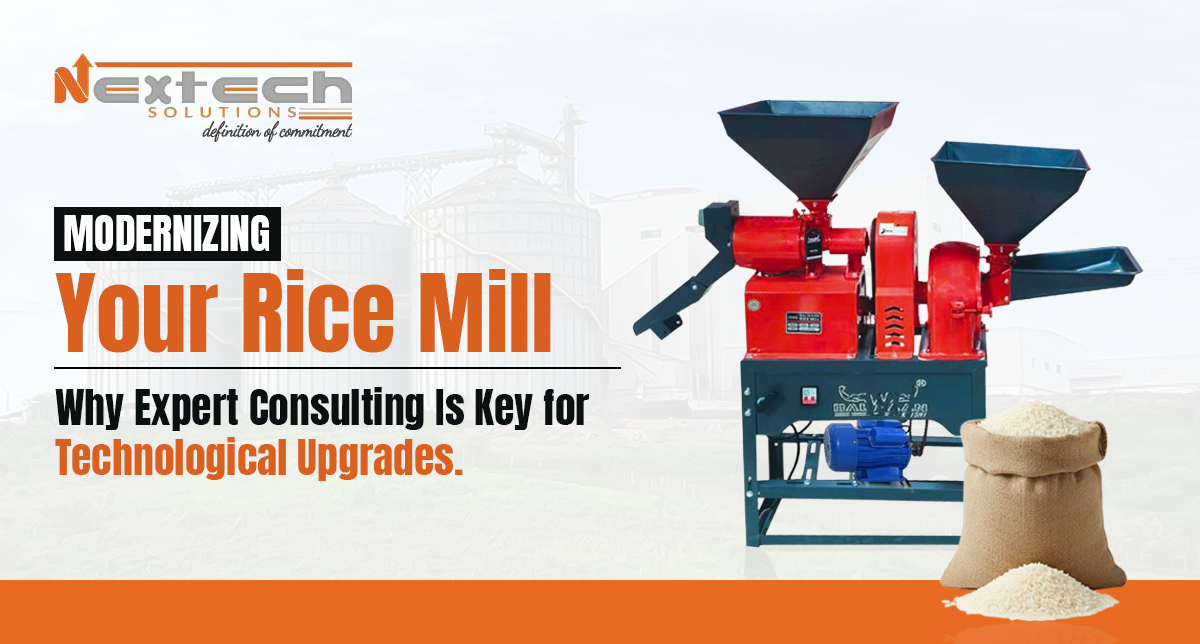
Modernizing Your Rice Mill: Why Expert Consulting Is Key for Technological Upgrades

The rice milling industry is evolving rapidly. Rising competition, changing consumer expectations, higher quality standards, and increasing operational costs are pushing mill owners to rethink how their facilities operate. Traditional methods that once worked well are now struggling to keep pace with demand, efficiency, and profitability. This is why modernizing a Rice Mill is no longer optional—it is a strategic necessity.

However, modernization is not just about buying new machines. It requires planning, technical understanding, and industry insight. This is where expert consulting plays a vital role. In this blog, we explore why professional guidance is essential for upgrading rice mills and how Nextech Agri Solutions helps rice millers transform their operations successfully.

The Changing Landscape of the Rice Milling Industry

Rice remains a staple food for billions of people worldwide, but the way it is processed has changed significantly. Today’s market demands:

  • Higher yield with minimal breakage
  • Consistent grain quality
  • Energy-efficient operations
  • Automation and reduced labor dependency
  • Compliance with food safety standards

Older rice mills often struggle to meet these expectations due to outdated layouts, inefficient processes, and aging machinery. Without modernization, a rice mill factory risks losing competitiveness in both domestic and export markets.

What Does Modernizing a Rice Mill Really Mean?

Modernization goes far beyond replacing a single rice mill machine. It involves a holistic upgrade of the entire milling ecosystem, including:

  • Plant layout optimization
  • Selection of advanced milling machinery
  • Automation and control systems
  • Energy and resource efficiency
  • Improved storage and material handling

Expert consultants assess the complete workflow—from paddy intake to final packaging—to identify bottlenecks and improvement areas.

Why Expert Consulting Is Crucial for Rice Mill Upgrades

1. Customized Solutions, Not One-Size-Fits-All

Every Rice Mill Business is unique. Factors such as paddy variety, production capacity, available space, and market focus all influence the ideal setup. Expert consultants analyze these variables and design Rice Mill Business Solutions tailored specifically to your operation, rather than forcing generic equipment choices.

2. Optimal Selection of Rice Mill Machinery

With numerous machine options available in the market, choosing the right rice mill machine can be confusing. Poor selection can lead to higher breakage, lower recovery, and increased maintenance costs. Consultants recommend machines that align with your capacity goals, budget, and quality requirements.

3. Improved Plant Layout and Workflow

Many existing rice mill factories suffer from inefficient layouts that cause material backtracking, spillage, and unnecessary handling. Professional consultants redesign layouts to ensure smooth material flow, reduced manpower, and better utilization of space.

Technology Upgrades That Benefit from Expert Guidance

Automation and Digital Controls

Modern rice mills increasingly rely on automation to maintain consistency and reduce human error. Expert consultants help integrate automation systems that monitor moisture levels, milling pressure, and output quality in real time.

Energy-Efficient Systems

Energy consumption is a major cost factor in rice milling. Consultants identify opportunities to upgrade motors, conveyors, and process sequences to lower power usage without compromising output.

Advanced Cleaning and Sorting

Pre-cleaners, de-stoners, graders, and color sorters significantly impact final rice quality. Choosing and positioning these systems correctly is essential for premium-grade output.

Reducing Risk and Costly Mistakes

Modernization involves significant investment. Without expert advice, mill owners risk overspending on unnecessary equipment or underinvesting in critical areas. Consulting professionals help:

  • Avoid wrong machinery purchases
  • Reduce installation and commissioning delays
  • Minimize trial-and-error costs
  • Ensure faster return on investment

For any Rice Mill Business, these advantages translate into long-term financial stability.

Enhancing Quality and Market Competitiveness

High-quality rice fetches better prices and builds brand reputation. Expert consulting ensures that the rice mill factory produces consistent output with minimal broken grains, better polish, and uniform size.

This is particularly important for mills targeting:

  • Export markets
  • Premium retail brands
  • Institutional buyers

With proper modernization, rice mills can diversify product offerings and expand into new markets.

Future-Proofing Your Rice Mill Business

Technology in agriculture and food processing continues to evolve. Expert consultants not only address current needs but also design systems that can be scaled or upgraded in the future. This future-ready approach ensures that rice mills remain competitive for years to come.

By adopting smart Rice Mill Business Solutions, mill owners can adapt more easily to:

  • Capacity expansion
  • New paddy varieties
  • Changing regulatory standards

Why Choose Nextech Agri Solutions

Nextech Agri Solutions brings deep industry knowledge, technical expertise, and a practical understanding of rice milling challenges. Our consulting approach focuses on real-world efficiency, not just theoretical designs.

We support rice millers through:

  • End-to-end project consulting
  • Technology selection and integration
  • Layout planning and optimization
  • Performance improvement strategies

With Nextech Agri Solutions, modernization becomes a structured, confident process rather than a risky experiment.

Conclusion

Modernizing a Rice Mill is a strategic move that impacts productivity, quality, and profitability. While new machines and technologies are essential, their success depends on proper planning and expert execution. Professional consulting ensures that upgrades are aligned with business goals, operational realities, and future growth.

For rice mill owners looking to stay competitive, improve efficiency, and build a sustainable Rice Mill Business, expert guidance is not a cost—it is an investment. With the right consulting partner like Nextech Agri Solutions, your rice mill factory can transition smoothly into a modern, high-performing operation ready for tomorrow’s challenges.

Financial Planning for Rice Mill Entrepreneurs: Cost, Loans, and ROI

Starting a Rice Mill business is a promising venture for entrepreneurs looking to capitalize on the growing demand for rice across India and beyond. However, the success of a Rice Mill largely depends on careful financial planning, strategic investment, and understanding operational costs. 

In this guide, we will explore the key financial aspects of establishing a Rice Mill, including costs, loans and potential returns on investment (ROI), while highlighting how Nextech Agri Solutions can assist you in achieving success.

Understanding the Investment in a Rice Mill

The first step in financial planning for a Rice Mill is understanding the total investment required. The cost of setting up a Rice Mill varies depending on the scale, technology, and location. Here are the primary components:

  • Land and Building: The cost of acquiring land and constructing the Rice Mill Layout Plant is a major consideration. Location affects both cost and access to raw materials.
  • Machinery and Equipment: Modern Rice Mills require advanced machinery such as rice hullers, separators, and graders. Hiring Rice Mill Engineers & Designers can ensure you invest in the right equipment tailored to your production needs.
  • Utilities and Infrastructure: Electricity, water supply, and storage facilities are essential for smooth operation. Adequate planning for these costs ensures uninterrupted production.

Engaging a Rice Mill Consultant can significantly help in estimating these costs accurately, avoiding overspending, and optimizing the Rice Mill Layout Plant.

Financing Your Rice Mill

Financing is often a major hurdle for new entrepreneurs. Various loan schemes and financial instruments are available for setting up a Rice Mill. Consider these options:

  • Bank Loans: Most commercial banks provide term loans for setting up a Rice Mill. Loan approval often depends on a clear business plan, detailed cost analysis, and projected ROI.
  • Government Subsidies and Schemes: Several government programs offer financial support to agro-industries. A Rice Mill Consultant can guide you through eligibility criteria and application processes.
  • Private Funding: Investors and venture capitalists may provide funding if you present a well-structured business plan showing potential returns and market demand.

By planning your financing strategically, you can ensure your Rice Mill operates smoothly without financial strain.

Calculating Operational Costs

Operational costs directly impact the profitability of your Rice Mill. Proper budgeting and cost management are critical. Consider the following:

  • Raw Material Procurement: Rice paddy procurement is a major expense. Maintaining relationships with local farmers can help secure quality paddy at reasonable rates.
  • Labor Costs: Skilled and unskilled labor are required for various stages of production. Hiring experienced staff can improve efficiency.
  • Maintenance and Repairs: Regular maintenance of machinery is essential to avoid downtime. Engaging Rice Mill Engineers & Designers can help set up a maintenance schedule.
  • Packaging and Logistics: Efficient packaging and timely delivery ensure product quality and customer satisfaction.

Projecting ROI for Your Rice Mill

Return on investment is a critical metric for any entrepreneur. A well-planned Rice Mill can offer substantial returns, but careful forecasting is necessary:

  1. Production Capacity: Larger production capacity can lead to higher revenue, but requires higher upfront investment.
  2. Market Analysis: Understanding local and regional rice demand helps in pricing and maximizing profit margins.
  3. Efficiency and Technology: Investing in modern machinery reduces wastage and increases yield, directly improving ROI.

Consulting with Rice Mill Consultants ensures that your ROI projections are realistic and based on current market trends.

Importance of Expert Planning

Collaborating with professionals like Rice Mill Engineers & Designers and Rice Mill Consultants is crucial. They assist with:

  • Designing a Rice Mill Layout Plant that optimizes workflow.
  • Selecting machinery that matches your production goals.
  • Streamlining operations to minimize costs and maximize efficiency.

Nextech Agri Solutions offers comprehensive guidance, from planning to execution, helping you set up a Rice Mill that is both profitable and sustainable.

Tips for Long-Term Financial Success

  • Diversify Revenue Streams: Consider value-added products like rice bran oil or ready-to-cook rice products.
  • Monitor Costs Regularly: Keep track of all expenses to identify areas for savings.
  • Invest in Technology: Upgrading machinery periodically can enhance productivity.
  • Build Strong Supplier Networks: Consistent quality raw material ensures smooth operations.

Conclusion

Financial planning is the backbone of a successful Rice Mill business. Understanding setup costs, securing appropriate loans, and projecting accurate ROI are essential steps for any entrepreneur. By leveraging expert guidance from Rice Mill Consultants and working with experienced Rice Mill Engineers & Designers, you can create an efficient Rice Mill Layout Plant and maximize profitability.

Nextech Agri Solutions stands as a trusted partner in your Rice Mill journey, providing expert advice and solutions that pave the way for sustainable growth in the Rice Mill Business.

By carefully planning finances and operations, entrepreneurs can transform their Rice Mill venture into a thriving business with long-term success.

Waste to Wealth: How Rice Husk and Bran Can Boost Your Revenue

In the modern Rice Mill Business, efficiency and profitability go far beyond producing polished rice. While the core focus remains on delivering high-quality grains, a significant portion of potential revenue often lies in what is usually considered waste— rice husk and bran. With the right grain milling solutions, these byproducts can be transformed into valuable resources, helping mill owners unlock new revenue streams and improve sustainability.

At Nextech Agri Solutions, the focus is not only on building state-of-the-art milling plants but also on guiding millers to maximize every part of their raw material. Let’s explore how husk and bran, the two major byproducts of rice processing, can turn into a profitable asset for your business.

Understanding Rice Husk and Rice Bran

Rice Husk

Rice husk forms the outer covering of the grain and makes up about 20% of the total paddy weight. Traditionally, it has been treated as waste, often discarded or used as low-grade fuel. However, innovations in technology and growing demand for eco-friendly resources have opened several profitable applications.

Rice Bran

Rice bran is the thin layer between the husk and the grain, usually around 8–10% of the paddy weight. Rich in nutrients and oils, it is one of the most valuable byproducts of milling, provided it is extracted and stored carefully.

Together, these two byproducts account for nearly 30% of the rice paddy and hold immense commercial potential if utilized smartly.

Turning Rice Husk into Profit

1. Power Generation

Rice husk is a great source of biomass energy. Many rice mills and industrial plants now use husk-fired boilers to generate steam and electricity. This not only reduces dependency on costly conventional fuels but also lowers energy expenses, creating a sustainable cycle within the mill itself.

2. Husk Ash Applications

When burned, husk produces rice husk ash (RHA), which is rich in silica. RHA has applications in cement, steel, refractory materials, and even as a soil conditioner in agriculture. This creates opportunities for millers to collaborate with industries seeking eco-friendly raw materials.

3. Particle Boards and Building Materials

Processed husk can be used in making particle boards, insulation panels, and other construction materials. With the global rise in sustainable construction, rice husk-based products are gaining traction, offering millers a steady demand.

Unlocking the Value of Rice Bran

1. Rice Bran Oil (RBO)

One of the most lucrative uses of bran is the extraction of rice bran oil, widely recognized as a healthy edible oil rich in antioxidants. With increasing awareness of health and wellness, the demand for RBO has risen significantly in both domestic and international markets.

2. Animal Feed

Rice bran is also an excellent ingredient in animal feed, thanks to its protein, fat, and fiber content. It serves as a cost-effective feed supplement for poultry, cattle, and fish, creating a steady supply chain link with the livestock industry.

3. Nutraceuticals and Cosmetics

Because rice bran contains bioactive compounds like oryzanol and tocopherols, it is widely used in nutraceuticals and cosmetic formulations. This opens another avenue for mills to supply bran to health and wellness industries.

Why Waste-to-Wealth is Crucial for Rice Millers

For any Rice Mill Business, margins can sometimes be narrow due to rising raw material costs and competitive pricing pressures. By leveraging husk and bran, millers can significantly improve their bottom line without major additional investments in raw paddy. Instead of discarding these byproducts, they can be processed or sold to industries that value them.

This not only increases profitability but also positions the mill as a sustainable and environmentally responsible business—an attribute increasingly valued by customers, investors, and policymakers.

The Role of Nextech Agri Solutions

Transforming byproducts into profit is not a one-size-fits-all approach. Each mill requires a customized setup depending on its capacity, location, and target market. This is where Nextech Agri Solutions plays a vital role.

As a trusted partner in grain milling solutions, Nextech provides:

  • Modern Plant Design – ensuring maximum efficiency in husk and bran separation.
  • Technology Integration – enabling oil extraction, husk utilization, and energy generation.
  • End-to-End Consulting – from feasibility studies to market linkage, helping millers explore viable revenue streams.
  • Sustainability Focus – guiding businesses to adopt eco-friendly practices that add long-term value.

By working with Nextech, millers can ensure they are not only producing high-quality rice but also generating substantial revenue from every byproduct.

Future of Rice Milling: Profitable and Sustainable

As the agricultural sector evolves, waste-to-wealth strategies are no longer optional—they are essential. The world is moving toward circular economies where nothing goes to waste, and the rice industry is perfectly positioned to lead this transformation.

By adopting advanced grain milling solutions, millers can turn husk into energy, bran into oil, and waste into wealth. This dual focus on profitability and sustainability ensures long-term success in a competitive industry.

Conclusion

The hidden value in husk and bran is too significant for millers to ignore. With the right technology, guidance, and market approach, what was once considered waste can become a vital revenue stream.

For millers aiming to expand profits while embracing sustainable practices, Nextech Agri Solutions provides the expertise and tools to make it happen. In today’s rice industry, true success lies not just in the grain but in how well you can turn every byproduct into wealth.

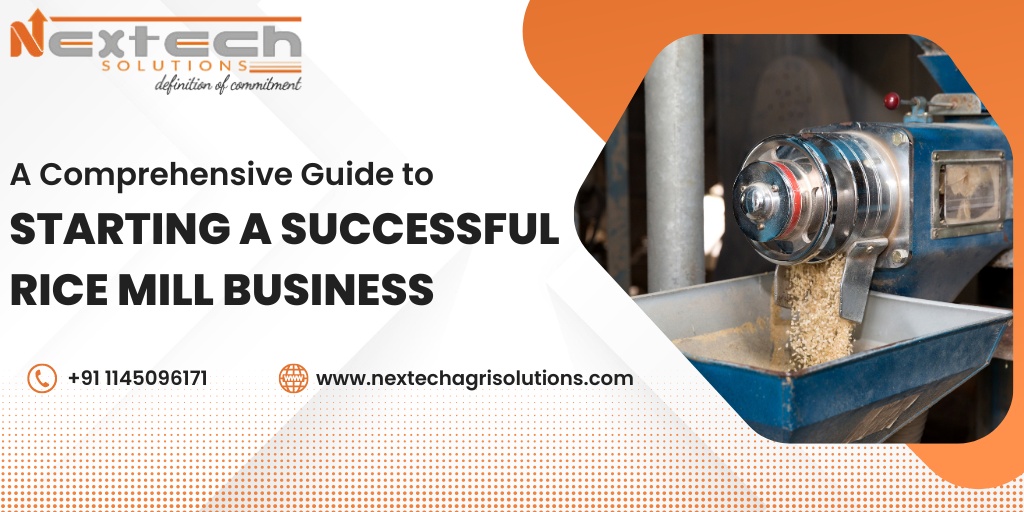
A Comprehensive Guide to Starting a Successful Rice Mill Business

Introduction

Are you looking to enter the agricultural industry with a lucrative business idea? Look no further than starting your own rice mill. Rice is a staple food for millions of people. Worldwide and the demand for high-quality rice continues to grow. Starting a successful rice mill business can be challenging. But with the right plan and equipment, it can also be incredibly rewarding. In this full guide, we’ll take you through everything. You need to know about starting and running a profitable rice milling business. From creating a solid business plan to marketing your brand effectively. We’ve got you covered. So let’s dive in and learn how you can become an expert in the booming world of rice mills.

Rice Milling Business Plan

To start a successful rice milling business, it is crucial to have a well-planned and comprehensive business plan. A good rice milling business plan should include the market analysis, financial projections, production process, marketing strategy and management structure.

Market analysis involves researching the current demand and supply of rice in your target market. This will assist you in estimating your venture’s potential profitability. You may also find out who your rivals are and how they operate.

Financial projections are essential for securing funding from investors or loans from banks. It includes forecasting revenue, expenses and profits for at least three years based on realistic assumptions.

The production process section outlines step-by-step procedures involved in transforming paddy into polished rice ready for consumption. You should consider factors such as quality control measures to ensure that your final product meets customer expectations.

Marketing strategy identifies how you will promote your products to reach potential customers effectively. This may include advertising campaigns or partnerships with local supplier or retailers.

Designing an efficient management structure ensures smooth operations throughout all aspects of the business while minimizing costs wherever possible.
Remember that having a detailed Rice Milling Business Plan is critical when it comes to starting this type of enterprise successfully!

Rice Mill Equipment

Rice mill equipment is crucial for the success of your rice milling business. It’s essential to choose the right type of machinery that suits your needs and budget.

You need to decide on the scale of your business and select equipment accordingly. Small-scale mills can function with basic machines such as a husker, polisher, destoner, and grader. However, larger mills require more advanced machinery like paddy separators, whitening machines, color sorters, and packaging machines.

Ensure that the quality of your equipment is top-notch to minimize free time due to breakdowns or repairs. Find manufacturers who stand behind their goods with warranties.

Consider the power source required for each piece of machinery based on its size and capacity. Some may require electricity while others run on diesel engines.

Proper maintenance routines are critical in keeping your rice mill equipment running efficiently throughout its lifespan. Regular cleaning and lubrication help prevent wear and tear.

In summary,Rice Mill Equipment plays an important role in ensuring that grains are properly processed before they reach consumers’ tables or kitchens.

This makes it extremely important that you invest in high-quality Rice Mill Equipment from reputable manufacturers with a solid reputation for providing reliable products at reasonable prices.

Rice Mill Feasibility Study

A feasibility study is a crucial step in starting any business, including a rice mill. It helps to determine the viability and profitability of the rice mill project before investing your time, money and resources.

The first thing you should consider when conducting a feasibility study for a rice mill business is the demand for rice in your target market. You need to research on how much rice people consume in that area, what types of rice they prefer, and if there are enough suppliers to meet the demand.

Another important aspect to consider is the cost involved in setting up your own rice mill. This includes purchasing or leasing land, buying equipment such as dehuskers and polishers, hiring laborers and technicians among other expenses. You must also factor in potential risks like natural disasters that can damage crops or machinery.

It’s also essential to analyze your competition – other existing rice mills operating within your chosen location. Determine their strengths and weaknesses so you can learn from them while developing strategies unique enough for an edge over competitors.

Lastly but not leastly , it’s vital you create financial projections based on realistic assumptions about revenue streams (such as wholesale vs retail sales), production costs (including raw materials) as well as fixed costs like rent or salaries etc. This will help gauge whether building a Rice Mill from scratch really makes sense economically speaking

How to Start a Rice Mill Business With Nextech ?

Starting a rice mill business can be daunting, but with the right partner, it can also be rewarding. That’s where Nextech comes in – as your trusted rice mill consultant and equipment supplier.

We help you define your business plan by conducting a feasibility study to determine the viability of your venture. This includes analyzing market demand and competition, identifying potential challenges and opportunities, and developing strategies for success.

Once you have a solid plan in place, we provide customized solutions to meet your specific needs. Our state-of-the-art rice milling equipment is designed for maximum efficiency, productivity and profitability. We offer everything from paddy cleaners to whitening machines to grading systems.

We also offer installation services by our expert engineers. who ensure that every component is properly installed and functioning optimally before handing over the project to you.

But our support doesn’t end there – we provide ongoing maintenance services throughout the life cycle of your machinery ensuring smooth operations at all times.

Furthermore, as a full-service provider we don’t just stop at supplying you with the best technology available. We also offer marketing plans so that once production begins there are already customers waiting for delivery of their orders!

In essence working with Nextech ensures that not only do you have access to cutting-edge, technology but also expert advice.  How best utilize it while minimizing operational costs!

Rice Mill Marketing Plan

Marketing is an essential component of any business, and the rice milling industry is no exception. Without effective marketing strategies, your rice mill business may not attract enough customers to generate revenue.

To develop a successful marketing plan for your rice mill business, you need to identify your target market and understand their needs. It would help if you also defined what makes your product unique from others in the market.

One way to reach potential customers is by creating a website that showcases your products and services. You can also use social media platforms such as Facebook, Twitter, Instagram or LinkedIn to promote your brand.

Another effective strategy is advertising through local newspapers or radio stations. Targeting specific demographics within the community where you operate. You could offer promotions like discounts on bulk purchases of rice grains or free samples as incentives for first-time buyers.

You should consider participating in trade shows and exhibitions related to agriculture or food processing industries. These events provide excellent opportunities to showcase your products directly to potential clients and network with other players in the industry.

Customer feedback can be invaluable when it comes to improving both product quality and service delivery. So don’t hesitate always asking for feedback from satisfied customers either through surveys or reviews online.

Conclusion

Starting a rice mill business may seem daunting at first. But with the right tools and plan in place, it can be a rewarding venture. Conducting thorough market research and creating a solid business plan are essential steps to ensuring success in this industry.

Investing in high-quality equipment and hiring experienced professionals will also help your rice mill business thrive, Moreover. By implementing effective marketing, strategies and fostering strong relationships with customers. You can pave the way for long-term success.

If you’re considering starting a rice mill business or need guidance on how to take your existing operation to the next level. Working with a reputable consultant like Nextech is highly recommended. With their expertise and support. You’ll have access to valuable resources that can enhance every aspect of your business.

Remember that patience and persistence are key when it comes to starting any new venture. With the application of these tips for success and a steadfast commitment to delivering quality products and services. Your rice mill business undoubtedly possesses the potential for remarkable achievements.

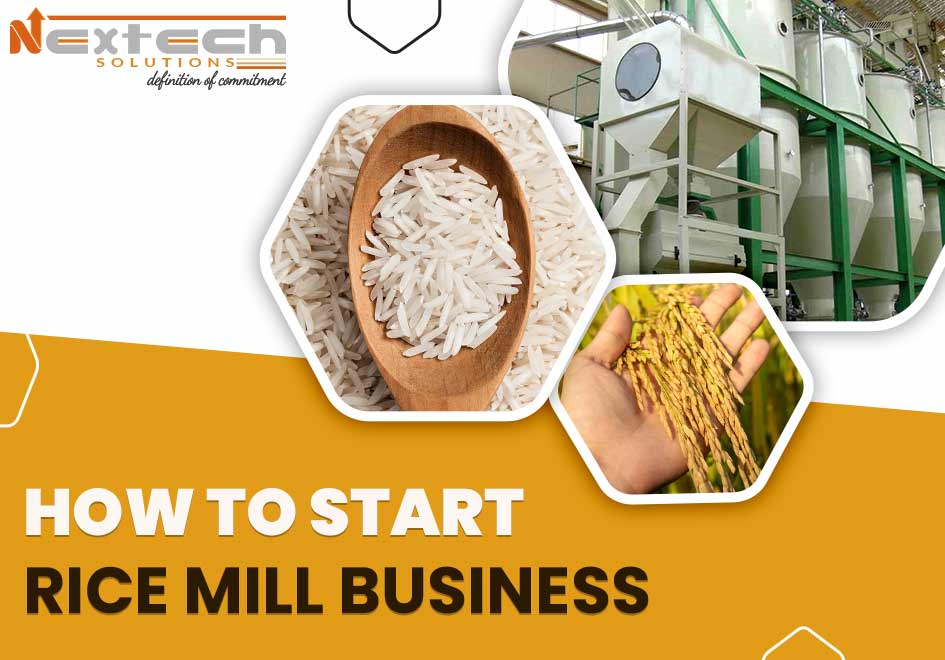
How to start Rice Mill Business

The Rice mill business is a profitable avenue when trends in healthy lifestyles show an increased demand for natural and nutritious food. Rice is a rich source of proteins, vitamins and minerals which makes it crucial for growth consumption majorly in form of flour or by-products of rice flour. Setting up a rice mill business is a profitable investment that creates sufficient ROI over the years due to high necessity demand. Setting up a rice mill needs a good amount of initial investment in grain milling equipment.

Guide to starting a rice mill business

Since rice milling is an important step in the channel of rice production and supply, it becomes important for agro-industries to rely on rice milling businesses. The quality and life of rice depend on how fine it is milled and the maximum nutrients that it retains further making it more usable in making products like baby food or raw material for bakery items. To start a rice mill business following steps are to be performed in sequel order: –

1.    Registration as a business

To start a business in India, you are needed to first find the right location and logistics and then register your rice mill business with the government. Until your registration is approved, you cannot build up the operational advocacy.

2.    Licensing and clearance 

It is equally important and preliminary to brain a factory license regarding your new business startup which is subject to an establishment of a factory. Once you obtain the license to set up your mill plant at a specific location, the next step is to work on the infrastructure. Licensing also involves other legal registrations like GST registration, FSSAI license, PFA and ESIC registration.

3.    Infrastructure and machinery

Establishing a rice mill requires fast and efficient infrastructure combined with an effective labour force. The Rice mill business requires rice milling machinery that supports the extensive milling process in less time and cost-effective manner. Nextech Agri Solution is one of the leading consultants of rice milling machinery in India. The most important factor that affects the milling process is the type and quality of raw material which is the quality of the paddy crop. The machinery involved in the rice milling process is:-

    1. Paddy Separator
    2. Paddy Cleaner
    3. Rice Huller
    4. Rice Whitener
    5. Rice Grader
    6. Paddy Dehusker
    7. Rice Destoner
    8. Rice Cleaning Machine
    9. Rice Length Grader
    10. Rice Mill Dryer
    11. Rice Pulverize
    12. Rice Polisher
    13. Rice Flour Mill
    14. Paddy Dryer Plant
    15. Pneumatic Rubber Sheller
    16. Husk Aspirator
    17. Rice Plan sifter
    18. Rice Dehusking Machine
    19. Rice Bran Centrifugal Separator

All the above-mentioned machinery depends on the size of plants and business. Depending upon the expansion and level of business certain equipment might not be necessary to start the rice mill business. Depending upon how you built the initial investment and yield from it, the further process of mill expansion and business level-up takes place.

To Know more – Low-cost Steps to Starting Your Own Rice Mill As An Entrepreneur


Enquire Now


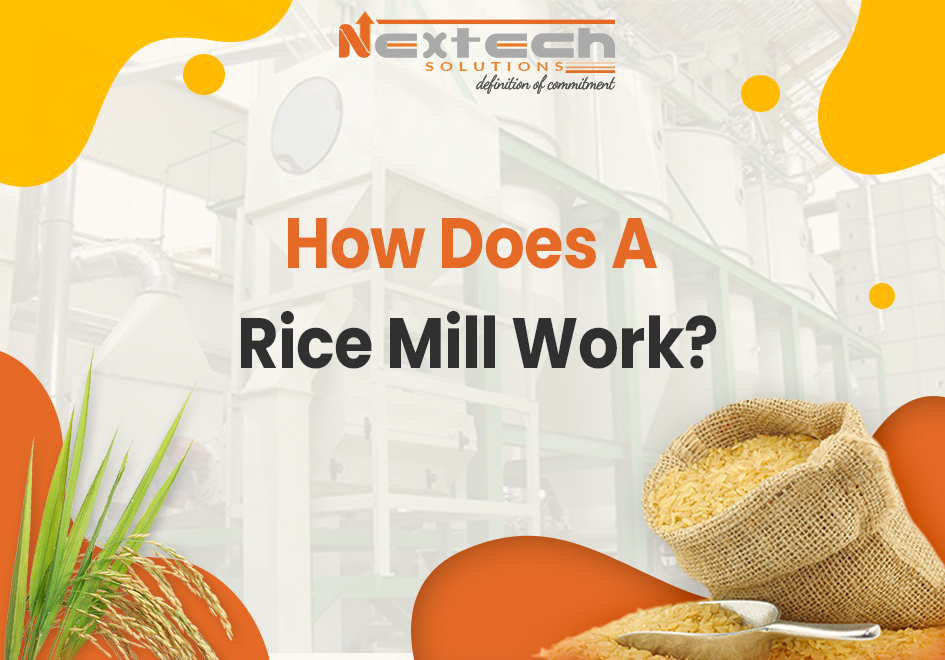
How Does A Rice Mill Work?

Rice is the staple food in most of the country, including India. People love to eat rice, which is essential for our diet; deficiency in the same may cause Niacin disease. But hardly anyone knows how the paddy gets converted into rice and the importance of the rice mill plant in rice mill business.

Rice is a Kharif crop that is sown during the onset of monsoon, i.e., between June and July, and harvested in December. After the harvesting is done, farmers sell their rice to the rice mill owner, and in the mill, further process is done to achieve the fine-quality of rice.

If you are a farmer or entrepreneur and planning to enter the rice business, then just read this full article to know about different rice processes, and the importance of rice mill plant and rice mill design.

Step By Step Processes Of How Rice Mill Plant Works?

1]Cleaning

When the rice mill receives the rice from the farmer, the first process done is cleaning. It helps to separate all impurities like straw, dust, clay, and sand. Cleaning the rice helps to increase the oil percentage in the bran.

2] Stone Separation

Once cleaning is done, the second process is destining, in which the stones are removed. As we know, during harvesting, many stones come along with the paddy, and the removal of the same is a must.

3] De-Husking

After cleaning and stone separation, the rice is put in the de-husking machine to separate the husk and paddy. In this process, paddy grain is passed through the abrasive surface, and due to the friction, the husk is removed from the paddy grains.

4] Paddy Separation

During the de-husking process in the rice mill, some unhooked paddy rice remains, and the removal of the same is done by the paddy separation process.

5] Rice Polishing

In rice mill plants rice polishing is usually done in the rice to remove the bran layer from the paddy either through friction polisher or abrasive.

6] Rice Parboiling

Rice Parboiling is a three-layered process in which raw rice is sowed in warm or cold water, and then steam is passed at high pressure to gelatinize the rice starch. In the third layer, the final product goes through the drying process.

7] Sorting Of Rice

Sorting of rice at the rice mill is done before packaging, and it is very necessary to sort the broken and long grains from the rice stock. After sorting, the rice is graded based on quality.

8] Packaging

Last but not least, the packaging is the final process, in which the rice is packaged in gunnies or plastic sacks, and thereafter it is weighed. After the above process, a seal is marked to show the weight and grade of the rice.


To Wrap Up

Rice travels a long distance to come into the market from the field. Rice mill is also a lucrative business, and if you want to enter into this business, you need investment, machinery, and much more. Furthermore, proper information for rice mill works is also essential as the same will help you to yield good quality rice from the mill.

How To Utilize Rice Mill To Generate More Profit ?

The Rice Mill Business is one of the profitable ones for generating more profit. These would give you more manufacturing opportunities with gain more revenue. Rice Mill Plant helps to get rice grain from paddy by easily eliminating rice husk as well as rice bran. When you are dwelling in paddy producing area then it is quite a significant option to begin the rice mill plant.

Main reason is that the Rice mill business is a money-making business. There is only low capital required for it. Rice mills are traded to different outside businesses with a separate Setting for a productive business. There are also certain components essential for starting a business.

Design and Constructions:

Rice milling business requires the paramount component with a suitable design. There are also different developments that ought to be carried out to get smooth operations. Having the paramount structures would be easily incorporated with the storehouse or godowns for storing the crude paddy.

These Sheds include various sectors such as the rice handling unit, parboiling territory, cleaning unit, as well as other comparable segments. There are various machinery for the rice mill plant required such as

  • Grain dryer
  • Measure and packing machine
  • Paddy separator machine
  • Lighting equipment
  • Grading machine
  • Paddy husker machine
  • Rice cleaning machine

Land Requirement:

The contingent of transforming limit in the agro speciality enables different operations. The area ought to have low-lying regions. Rice Mill Plant aids in getting rice grain from paddy with extensively eliminating rice husk and rice bran. These require a large space where you pick decently associated with accessibilities.

Market Potential:

Analyzing the Market potential of the Rice Mills plant is quite important for ensuring to easily make huge money. India is known for having the major market in packaged rice segment. Raw materials from the rice mill plant are rice bran, so it is necessary to analyze the need for raw materials. Starting the Rice business in India is a profitable business, especially in

  • Rice production
  • Rice milling market
  • Exporting basmati rice

License And Registrations:

For starting the rice mill plant business, it is necessary to have the appropriate License and registrations. These would be provided by the state government authority. Registration of firm is most essential, and these could be either Proprietorship or Partnership Firm. When you are initiating business as One Person Company, then you can register the firm as a proprietorship which assures you to provide you with great results.

When you are undergoing the partnership operation, then you need to register LLP-Limited Liability Partnership (LLP) using the Registrar of Companies (ROC). The UdyogAadhaar MSME Registration assists in easily gaining the specific benefits of the government scheme. Starting the rice mill lets, you generate more profit the excellence.

How Is Hydrothermal Cereals Processing Plants Upgrading The Milling Business?

The hydrothermal cereals processing plants make casing separation easy and boost kernel strength. Visit to the website to know more.

Are you running the milling business and need to upgrade them? Well, you can try the hydrothermal cereals process. The hydrothermal treatment of grain is one of the vital stages in the preparation process. Now, many milling companies are using hydrothermal cereals processing to boost the productivity of their business. hydrothermal cereals processing plants

The hydrothermal cereals processing plants are required to increase the grain’s scientific properties. It helps to develop the best condition for dealing out grains. Besides, this processing plant gets cereals, which they need for organoleptic features and nutritional standards. It leads to a boost in the hydrothermal cereal yield up to ten percent for enhancing the properties of the purchaser.

Uses and cereal processing  

Cereal processing is complicated, and the principle of milling is the grinding of grains. It can cook effortlessly and render into an impressive foodstuff. Remember, the cereal is not eaten raw, and various types of milling are employed based on the grain.

Wheat crushes with a grinding machine or advanced automated systems using steel cylinders, and then air purification separates the germ, dust, and others from endosperm. With the help of the wet procedure, the corn is milled, but some counties are using dry milling.

The corn has high germ contents inclines to take breaths during storage. If you are not taking the proper protection during storage, it might increase the temperature level. Lots of cereals are milled in a dry environment. With advanced machinery, you can easily polish many cereal grains and remove the germ and bran.

How can hydrothermal cereals processing changes the milling industry 

The advanced milling process pays attention to the initial cleaning and screening of the wheat to remove foreign seeds, dust, and other impurities. The grain needs to be moistened and then washed to grind quickly if it is dry. You can dry the grain when it is damp to minimize damage to its protein.

In the first stage, the steel cylinders are ground with grooves that run at different speeds, resulting in a reduction process. The grain is directed between the rolls set, and the Tron opens somewhat. As a result, the product exits the rolls, and the primary separations occur.

The hydrothermal cereals processing plants make casing separation easy and boost kernel strength. Improving kernel strength offers a boost in cereal yield by reducing the waste formation and shell at the time of dehulling. In addition, this process is used in the state standard for different grain processes such as wheat, oats, barley, peas, corns, and much more.

You can find dryers, humidifiers, and streamers in this process. Every tool has unique characteristics that offer numerous benefits to the milling sector. The cereal can cook quickly because of its uniform consistency. Besides, a humidifier is designed for hydrating grains during the hydrothermal cereals process.

We at Nextech Solutions offer robust solutions for hydrothermal cereals processing plants in India. With our experienced staff of engineers, we provide the best service to our clients.


Checkout our other categories:


  1. Types Of Rice Mill Machines
  2. Grain Milling Solutions
  3. Rice Mill Business

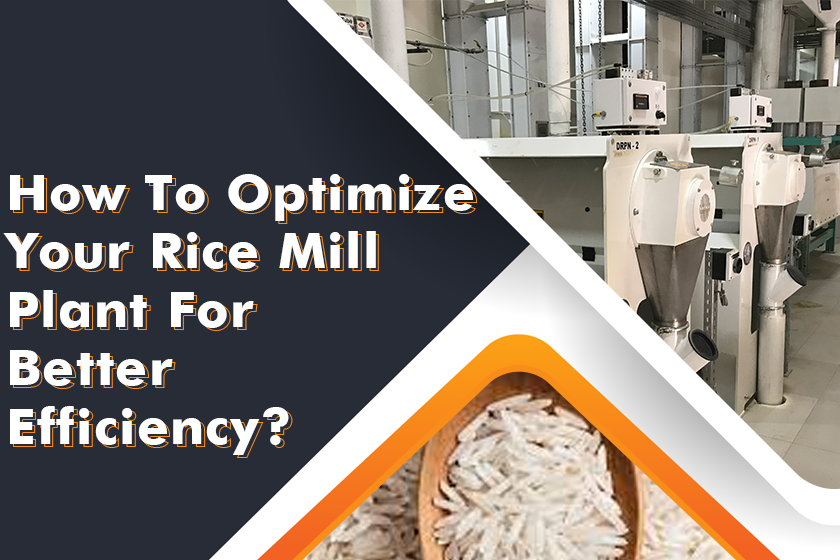
How To Optimize Your Rice Mill Plant For Better Efficiency?

You can also optimize rice mill plant for better efficiency. By optimizing your rice mill plant, you can take your rice mill business to new heights.

Technology is emerging in the rice milling sector. Now, rice mill plants are becoming fully automated. It is high time that you also optimize rice mill plant for better efficiency.  By optimizing your rice mill plant, you can take your rice mill business to new heights of success. This will also increase the ease of doing business and help in better production, which results in better efficiency of the overall business.

Even the government policies of different regions worldwide are encouraging the transition to newer technologies such as using paddy separators, rubber roller technology, using wet mist polisher, fully automated pressure parboiling technology, and so on.

Are you wondering how you can smoothly optimize rice mill plant? We will help you with the same.


Optimize Rice Mill Plant

Optimizing the mill plant is essential but is also full of challenges. The first step in the process is to find good-quality paddy. You have to ensure that the paddy you’re using is pure and of high quality.


Other things that will help in optimizing the rice mill plant are below:

  • Uniformly mature kernels: With uniform mature seeds, you can reduce the chances of wastage.
  • Uniform size and shape: The plant or any automated machine works faster and more effectively with uniform size and shape.
  • Free of empty or half-filled grains: The work efficiency increases automatically if your raw material is free of open or half-filled grains.
  • Free of contaminants such as stones and weed seeds: The material free of contaminants is fast to process.
  • Don’t waste material: It is essential to focus on not wasting the material for increased profit and improved efficiency. Be it energy, human resources, raw material, or any other assets, make sure that you’re not wasting any of these or utilizing them smartly.
  • Improve training: To optimize the rice mill plant, it is essential to provide the proper training to your staff. A good rice mill plant, or any factory/plant for that matter, can offer increased efficiency only with a well-trained staff.
  • Quantify everything: One of the significant steps in optimizing a rice mill plant; you must quantify everything to increase productivity. If you’re not quantifying things, you’ll never be able to gauge the exact profit and the investment. People who want to stay in the industry for a longer time should make it a habit to quantify everything precisely.


So these were some ways with which you can easily optimize your rice mill plant for better efficiency. You can also connect with a rice mill consultant to guide you through. If you bring these measures into practice at your rice mill plant, you’ll start noticing a positive change in your business.


Enquire Now

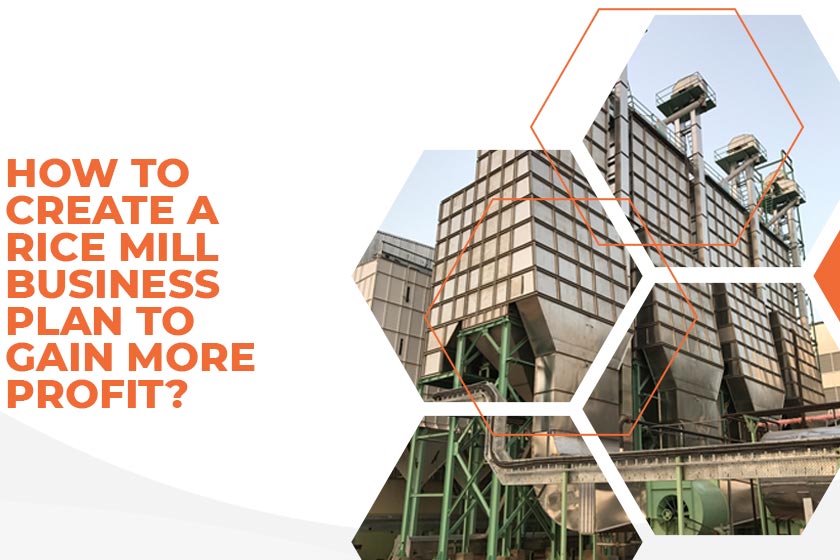
How To Create A Rice Mill Business Plan To Gain More Profit?

You are running a Rice Mill Business but are you getting the maximum benefit that you can achieve from it? Nextech Grain Processing & Engineering Solutions is one of the best rice mills located in New Delhi that follows traditional & modern agro-processing techniques. It can help you to create Rice Mill Plan to gain more profit.

The situation can also be like you have an idea of starting a rice milling business, but the only problem is that you have to raise money for the Rice mill plant Setup. This is when a Rice Mill Consultant can help you. Nextech Solutions offers the best Rice Mill Layout Plant Design. It provides varieties of services including paddy milling plants, rice blending solutions, mustard seed oil mill, dry paddy drying solutions, and so on.    Storage Silo Project Consultant

For a Rice Mill Business, it is important to have knowledge and expertise of the rice business. The best way to not go wrong is to work directly with a successful rice miller. This could help you in finding the essential expenses of starting & running the business. Also, you can understand the required equipment and manpower to run your business successfully.

In India, setting up a rice mill requires a license, and extensive terms and conditions are applied. Here comes the role of Rice mill Consultants. With the help of rice mill engineers and designers, a Rice mill consultant is the only one that can help you to achieve your rice mill business goals by creating a successful rice mill plan.

Is It Important To Have A Rice Mill Business Plan?

The answer is a big YES. The reasons are:

  1. To raise capital,
  2. To lay down a process to start the business successfully,
  3. To identify and overcome ups and downs coming in the present and future.
  4. To detail your business’s goals & objectives,
  5. To get a better idea of required costs, projected earnings & personnel,
  6. To have an in-depth analysis of the market and competition,
  7. To communicate your plan of action and bring it on board.

How to create your Rice Mill Plan?

  1. Getting the Licence
  2. Searching for a perfect location that has enough space for machinery, production unit, raw material storage, and drying of rice.
  3. Counting the raw materials required.
  4. Machinery availability
  5. Market research and Analyze

To find a location to set up your rice mill business, the best search should be near the raw material supplies. Local places are good choices because farmers grow rice there and local employment can also ease your workload.

Apart from these technicalities, SWOT analysis is also essential for the business plan. It helps you to identify strengths and weaknesses that you will have to keep in mind in the future.

With all this knowledge, a Rice Mill Consultant can help you ease your journey. Products and Services of Nextech Solutions include Production of Milling Rice & by-products and their Sale, Storage Facilities, Transport, and Facilities.


Enquire Now