Licenses and Registrations Required for a Rice Mill Business in India

Starting a Rice Mill Business in India can be a profitable opportunity, especially with the growing demand for processed rice in both domestic and international markets. However, before setting up your plant, it is important to understand the legal requirements involved.

From government approvals to safety regulations, every rice mill business must follow certain rules to operate smoothly. With the right guidance from experts like Nextech Agri Solutions, you can simplify the entire process and avoid costly mistakes.

Why Licenses Are Important for a Rice Mill Business

A Rice Mill Business involves food processing, machinery, and storage systems. Because of this, the government requires proper registrations and approvals to ensure safety, quality, and compliance.

Key Reasons:

  • Ensures legal operation
  • Maintains food safety standards
  • Builds trust with buyers and partners
  • Helps avoid penalties and shutdowns

Without proper licenses, running a rice mill business can lead to serious legal issues.

Basic Requirements Before Starting

Before applying for licenses, you need a clear setup plan. This includes land, machinery, and layout planning.

Working with experienced Rice Mill Engineers & Designers can help you:

  • Plan an efficient Rice Mill Layout Plant
  • Optimize space and workflow
  • Reduce operational costs

A well-designed setup makes it easier to get approvals and run your rice mill business smoothly.

Essential Licenses for Rice Mill Business in India

Here are the key licenses and registrations you need:

1. Business Registration

The first step is to legally register your rice mill business.

You can choose from:

  • Sole proprietorship
  • Partnership firm
  • Private limited company

This registration gives your business a legal identity.

2. FSSAI License

Since rice is a food product, an FSSAI license is mandatory.

This ensures:

  • Food safety compliance
  • Quality control
  • Consumer protection

Every Rice Mill Business must obtain this license before starting operations.

3. GST Registration

GST registration is required for tax compliance.

It allows you to:

  • Sell products legally
  • Claim input tax credit
  • Expand your business across states

A registered Rice Mill Business can operate more efficiently in the market.

4. Pollution Control Board Clearance

Rice mills generate dust and waste, so environmental approval is necessary.

You need:

  • Consent to Establish (CTE)
  • Consent to Operate (CTO)

This ensures your Rice Mill Business follows environmental guidelines.

5. Factory License

If your rice mill involves machinery and labor, a factory license is required.

This license ensures:

  • Worker safety
  • Proper working conditions
  • Compliance with labor laws

6. Trade License

A trade license from the local authority allows you to operate legally in a specific area.

It confirms that your Rice Mill Business meets local regulations.

7. Fire Safety Clearance

Rice mills handle machinery and electrical equipment, making fire safety crucial.

You must install safety systems and get approval from the fire department.

8. Udyam Registration (MSME)

Registering your Rice Mill Business as an MSME offers benefits like:

  • Subsidies
  • Easy loans
  • Government support

Role of Consultants in Setting Up a Rice Mill

Starting a Rice Mill Business is not just about licenses—it also involves technical planning and execution.

Why You Need Experts:

Rice Mill Consultant

A professional Rice Mill Consultant helps you plan, design, and execute your project efficiently.

Storage Silo Consultant

Proper storage is essential for grain quality. A Storage Silo Consultant ensures safe and efficient storage systems.

Storage Silo Project Consultant

For large-scale operations, a Storage Silo Project Consultant helps manage the entire storage setup.

Grain Milling Solutions

Modern Grain Milling Solutions improve efficiency, reduce waste, and increase output.

Importance of Proper Layout and Design

A well-planned Rice Mill Layout Plant is essential for smooth operations.

Benefits:

  • Better workflow
  • Reduced energy consumption
  • Improved productivity
  • Easier compliance with regulations

Working with professional Rice Mill Engineers & Designers ensures that your plant is designed for maximum efficiency.

Common Challenges in Rice Mill Business Setup

Starting a Rice Mill Business comes with challenges:

  • Complex licensing process
  • High initial investment
  • Technical planning issues
  • Lack of expert guidance

However, with the right support from companies like Nextech Agri Solutions, these challenges can be managed effectively.

Tips for Smooth Approval Process

To avoid delays in your Rice Mill Business, follow these tips:

  • Prepare all documents in advance
  • Choose the right location
  • Work with experienced consultants
  • Follow safety and environmental guidelines
  • Ensure proper layout planning

Why Choose Nextech Agri Solutions?

Nextech Agri Solutions provides complete support for setting up a Rice Mill Business.

Their Services Include:

  • Plant design and layout planning
  • Consultation and project management
  • Advanced Grain Milling Solutions
  • Storage system planning
  • End-to-end support

With their expertise, you can set up your rice mill efficiently and start operations without hassle.

Future Growth of Rice Mill Business in India

The demand for processed rice is increasing rapidly, both in India and globally.

A well-planned Rice Mill Business has great potential due to:

  • Growing population
  • Increasing exports
  • Demand for quality rice

Investing in the right setup today can lead to long-term success.

FAQs About Rice Mill Business

1. What licenses are required for a Rice Mill Business in India?

You need FSSAI, GST registration, pollution control clearance, factory license, and trade license.

2. Is FSSAI license mandatory for rice mills?

Yes, since rice is a food product, every Rice Mill Business must have an FSSAI license.

3. How much investment is needed to start a rice mill?

The investment depends on the size and capacity of the plant.

4. Do I need a consultant for setting up a rice mill?

Yes, working with a Rice Mill Consultant helps in planning, design, and smooth execution.

5. What is the role of storage systems in rice mills?

Storage systems like silos help maintain grain quality and reduce losses.

Final Thoughts

Starting a Rice Mill Business in India is a great opportunity, but it requires proper planning and compliance with legal requirements. From licenses to plant design, every step plays an important role in success.

With expert guidance from Nextech Agri Solutions, you can simplify the process and build a profitable and efficient rice mill setup.
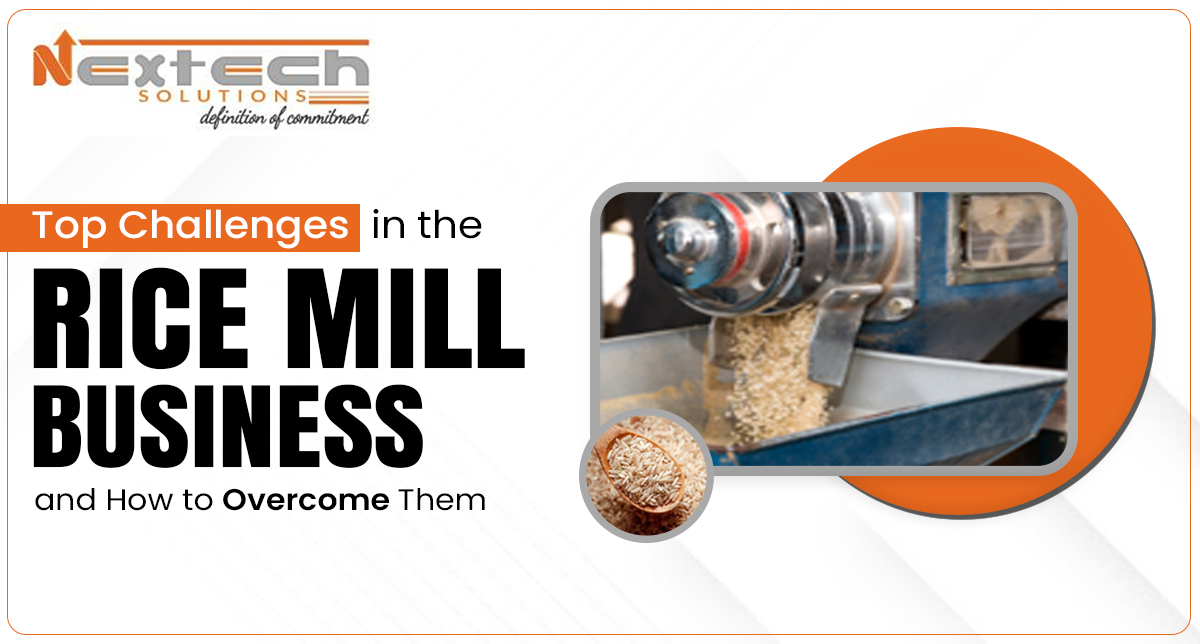
Top Challenges in the Rice Mill Business and How to Overcome Them

The rice mill business remains one of the most important agro-processing sectors, especially in countries where rice is a staple food. Growing demand, improved consumption patterns, and government support have made the industry highly promising. However, starting and sustaining a profitable mill is far from easy. From procurement delays to technology gaps, mill owners often face multiple operational and financial hurdles that affect productivity and profitability.

With the right planning, expert guidance, and modern systems, many of these challenges can be tackled efficiently. This blog explores the major obstacles in the rice milling sector and provides practical rice mill solutions to overcome them, with insights aligned to industry best practices followed by organizations like Nextech Agri Solutions.

1. Raw Material Procurement and Quality Issues

One of the biggest concerns in the rice mill business is sourcing consistent and high-quality paddy. Seasonal variations, moisture content, and poor storage conditions often lead to damaged grains and lower yields. Mills that depend on local traders may also face price fluctuations and inconsistent supply.

How to Overcome This

  • Build direct connections with farmers or cooperatives
  • Use proper grading and moisture testing tools
  • Invest in scientific storage solutions
  • Implement long-term procurement contracts

Working closely with agricultural experts or a Rice Mill Consultant can also help establish reliable sourcing networks and improve material selection, ultimately increasing milling efficiency.

2. Inefficient Milling Technology

Many mills in the rice mill business still rely on outdated machinery, resulting in higher breakage, lower head rice recovery, increased energy consumption, and poor polishing quality. Inefficient technology also increases maintenance downtime and operating costs.

Solution

  • Upgrade machinery to modern, automated milling systems
  • Install energy-efficient equipment
  • Adopt process automation and monitoring tools
  • Conduct periodic maintenance and training programs

For any Rice Mill Business, adopting advanced milling layouts designed by industry specialists can significantly improve recovery rates and product quality while reducing wastage.

3. High Energy Consumption

The rice mill business is highly energy-intensive, and rising electricity costs directly impact profits. Frequent power interruptions also slow down production, especially in rural areas.

Practical Measures

  • Use energy-efficient motors and dryers
  • Install solar or hybrid power support systems
  • Optimize machinery layout to reduce power loss
  • Monitor energy usage regularly

For any rice mill business, even small improvements in power management can deliver long-term cost savings.

4. Skilled Workforce Shortage

Operating modern milling machines requires trained manpower. Many mills face challenges in hiring skilled operators, technicians, and quality control staff. Lack of expertise leads to equipment misuse, inefficiency, and product defects.

How to Address This

  • Offer employee training and certification programs
  • Conduct regular skill development workshops
  • Introduce performance-based incentives
  • Use automation where manual skills are limited

Consulting professionals can help build workforce development plans tailored to milling operations.

5. Poor Storage and Post-Harvest Management

Improper storage leads to pest infestation, moisture changes, discoloration, and grain spoilage. Many mills in the rice mill business lack proper warehousing, resulting in significant post-harvest losses.

Recommended Solutions

  • Invest in modern silos or controlled warehouses
  • Use fumigation and pest-control systems
  • Maintain proper ventilation and humidity control
  • Follow FIFO (First In, First Out) inventory method

Effective storage reduces losses and maintains grain quality throughout the year.

6. Regulatory and Compliance Challenges

The rice milling industry must follow government policies related to food safety, environmental norms, packaging, and taxation. Frequent policy changes may create confusion and financial pressure for mill owners.

Solutions

  • Stay updated with government regulations
  • Maintain proper documentation and certifications
  • Seek legal and compliance guidance when needed
  • Adopt sustainable and environmentally safe practices

Transparent operations build trust with buyers and regulatory bodies.

7. Market Competition and Pricing Pressure

Competition from both small local mills and large automated units often forces businesses to reduce prices, affecting margins. Limited branding and marketing also make it difficult to stand out in the market.

Strategic Approaches

  • Improve product quality and consistency
  • Diversify product offerings (bran, broken rice, husk-based energy)
  • Create a strong brand identity
  • Explore retail and export opportunities

Adding value through packaging and branding can significantly boost profitability.

8. Lack of Proper Business Planning

Many mills start operations without a structured business plan. This results in unclear goals, poor financial management, and inefficient workflow.

How to Overcome This

  • Conduct feasibility studies before investment
  • Analyze market demand and competition
  • Prepare financial projections and budgeting plans
  • Optimize plant layout for smooth production flow

Professional guidance from a Rice Mill Consultant can help mill owners design efficient plants and implement structured business models.

Role of Expert Consulting Support

Modern rice milling requires technical knowledge, process optimization, and strategic planning. Industry experts provide solutions for:

  • Plant layout and design
  • Technology selection
  • Process automation
  • Quality control systems
  • Supply chain improvement

Consultants also help mills achieve higher rice recovery, better output quality, and improved profitability.

Conclusion

The rice mill business offers immense potential, but success requires overcoming challenges related to procurement, technology, energy use, labor, compliance, and market competition. By adopting modern systems, strategic planning, and efficient operational practices, mill owners can significantly improve performance and profitability.

Companies working with expert industry partners like Nextech Agri Solutions gain valuable insights, a customized Rice Mill Layout Plant, and professional guidance that ensure long-term success in the milling sector. With the right approach and continuous improvement, the rice milling industry can grow sustainably and remain competitive in the evolving food market.

Best Practices for Storage and Packaging in Rice Milling

Rice is a staple food for more than half the world’s population, making it one of the most traded commodities globally. For those in the Rice Mill Business, producing polished, high-quality rice is only half the battle. The real challenge lies in keeping that rice fresh, safe, and market-ready until it reaches consumers. Post-milling storage and packaging directly affect grain quality, shelf life, and ultimately, profitability.

At Nextech Agri Solutions, we’ve observed that while many millers focus heavily on milling efficiency, equal attention to storage and packaging is what truly separates a successful Rice Mill Business from a struggling one. Let’s explore how the right practices ensure quality, reduce losses, and build long-lasting consumer trust.

Why Storage and Packaging Matter in the Rice Mill Business

Once rice is milled, it becomes more vulnerable to environmental conditions. Factors like moisture, pests, heat, and improper packaging can quickly reduce its value. Problems such as discoloration, mold, insect damage, and loss of aroma not only compromise quality but also erode consumer trust in a brand.

For a competitive Rice Mill Business, ensuring the rice that leaves the mill retains its flavor, freshness, and safety standards is crucial. Customers expect every grain to reflect consistency and care—making storage and packaging just as important as milling.

Did You Know?

“Did you know that even perfectly milled rice can lose its quality, aroma, and market value if stored or packaged incorrectly? For rice millers, the journey doesn’t end at milling—the real challenge begins with keeping every grain safe, fresh, and market-ready.”

Modern Storage Techniques Every Rice Mill Business Should Adopt

Leading experts and any experienced Rice Mill Consultant agree that storage is the backbone of post-harvest management. Without modern practices, rice quickly loses its commercial value. Here are proven methods millers can adopt:

1. Control Moisture Levels

  • Optimum moisture content for stored rice is between 13–14%.
  • Excess moisture invites mold and fungus, while overly dry rice becomes brittle.

2. Temperature Regulation

  • Rice should be stored in cool, dry environments to slow down degradation.
  • Automated systems can monitor and maintain temperature effectively.

3. Prevent Pest Infestation

  • Using airtight silos reduces exposure to insects.
  • Periodic fumigation and integrated pest management techniques minimize contamination risks.

4. Invest in Advanced Silos

  • Modern silos provide hermetic storage, ensuring rice remains uncontaminated.
  • Automation manages aeration, moisture, and temperature, reducing human error.

When working with a professional Rice Mill Layout Plant design, millers can integrate these modern silos and warehouses seamlessly into their operations, ensuring efficiency and scalability.

Packaging Solutions That Protect Quality and Build Brand Trust

Packaging is more than just wrapping rice in a bag—it’s the last line of defense against environmental damage and contamination. For a thriving Rice Mill Business, smart packaging is also a brand-building tool.

Best Packaging Practices for Millers:

  • Vacuum Packaging: Removes oxygen, slowing down microbial growth.
  • Modified Atmosphere Packaging (MAP): Replaces oxygen with inert gases like nitrogen to retain freshness.
  • Sealed Laminated Bags: Prevent moisture absorption and pest entry.
  • Eco-Friendly Packaging: Biodegradable options meet consumer demand for sustainability.

Sustainable solutions are increasingly favored by buyers. Many Rice Mill Engineers & Designers now recommend eco-friendly yet durable packaging that not only protects rice but also strengthens consumer loyalty to the brand.

Reducing Post-Harvest Losses with Smarter Practices

Each year, rice-producing countries lose significant quantities of rice due to poor handling after milling. A large share of these losses can be prevented with better storage and packaging. Strategies include:

  • Routine checks on grain moisture content
  • Use of hermetic bags or silos for airtight storage
  • Automated monitoring for consistent quality
  • Training workers in hygiene and handling best practices

Any seasoned Rice Mill Consultant will highlight that while these measures require upfront investment, the long-term savings and revenue gains far outweigh the costs. For businesses aiming to scale, this is non-negotiable.

Meeting Consumer Expectations Through Quality Assurance

Modern consumers demand:

  • Freshness – Rice should retain its natural aroma, taste, and texture.
  • Safety – No traces of pests, fungus, or chemical residues.
  • Sustainability – Brands that use environmentally responsible packaging gain stronger trust.

A Rice Mill Business that consistently meets these expectations earns repeat buyers and long-term contracts. This is why packaging isn’t just functional—it’s also part of brand identity and market positioning.

The Role of Experts in Perfecting Storage and Packaging

Not all millers have the in-house expertise to implement advanced storage and packaging solutions. That’s why consulting professionals can be transformative. Collaborating with Rice Mill Engineers & Designers helps businesses develop customized solutions—from layout planning to packaging innovations—that align with market demands.

Similarly, an experienced Rice Mill Consultant can analyze existing systems, recommend upgrades, and guide millers in adopting cost-effective yet modern techniques. At Nextech Agri Solutions, we’ve seen millers benefit tremendously from tailored solutions that combine efficiency with sustainability.

A properly designed Rice Mill Layout Plant not only streamlines operations but also ensures that storage and packaging areas function seamlessly, preventing bottlenecks and maintaining consistent quality standards.

Final Thoughts

In today’s competitive food market, milling alone does not define success. For a Rice Mill Business, protecting the quality of rice through proper storage and packaging is vital to profitability and reputation. Moisture control, pest prevention, climate-regulated storage, and smart packaging solutions help minimize losses and maximize consumer satisfaction.

Millers who ignore these aspects risk product rejection, reduced shelf life, and loss of consumer trust. On the other hand, those who adopt modern solutions and sustainable practices strengthen their brands and secure long-term growth.

If you’re ready to protect your grains, minimize losses, and build a brand consumers trust, it’s time to partner with the experts. At Nextech Agri Solutions, we help millers design efficient Rice Mill Layout Plant setups, implement advanced storage systems, and adopt sustainable packaging solutions that set businesses apart.

Take your Rice Mill Business to the next level with the right guidance, smart infrastructure, and innovative packaging. Connect with Nextech today and safeguard every grain for tomorrow’s success.

Sustainable Rice Milling Practices in India: Reducing Environmental Impact While Boosting Productivity

India stands as the world’s second-largest rice producer, contributing significantly to global food security. However, traditional milling practices often come with environmental challenges that demand immediate attention. The integration of sustainable technologies in rice processing has become crucial for balancing productivity with environmental responsibility.

The Current State of Rice Processing in India

The Indian rice processing industry operates thousands of facilities across the country, from small-scale operations to large industrial complexes. While these rice mills in India have been instrumental in meeting domestic and export demands, many still rely on conventional methods that generate substantial waste and consume excessive energy.

Traditional milling processes typically result in:

  • High energy consumption through inefficient machinery
  • Significant water wastage during cleaning and processing
  • Improper disposal of rice husk and bran
  • Excessive carbon emissions from outdated equipment

Environmental Challenges in Conventional Rice Milling

Energy Consumption Issues

Conventional milling operations consume approximately 25-30 kWh of electricity per ton of paddy processed. This high energy demand not only increases operational costs but also contributes to greenhouse gas emissions when sourced from fossil fuel-based power generation.

Waste Generation Problems

Every ton of paddy processed generates substantial byproducts:

  • Rice husk (20-22% of total weight)
  • Rice bran (8-10% of total weight)
  • Broken rice (5-7% of total weight)

When not properly utilized, these byproducts become environmental burdens rather than valuable resources.

Water Usage Concerns

Traditional cleaning and processing methods consume 1,500-2,000 liters of water per ton of paddy, often without adequate recycling systems in place.

Sustainable Solutions for Modern Rice Processing

Energy-Efficient Technologies

Advanced Milling Equipment Modern rice mill plant designs incorporate energy-efficient motors, variable frequency drives, and optimized processing sequences that can reduce energy consumption by 30-40%. These systems include:

  • High-efficiency paddy separators
  • Low-power consumption whitening machines
  • Automated sorting systems with minimal energy requirements

Renewable Energy Integration Progressive facilities are adopting solar power systems and biomass-based energy generation using rice husk as fuel. This approach can make operations carbon-neutral while reducing electricity costs by up to 60%.

Waste-to-Wealth Conversion

Rice Husk Utilization

  • Power generation through biomass boilers
  • Manufacturing of construction materials like rice husk ash concrete
  • Production of activated carbon for water treatment
  • Development of biodegradable packaging materials

Rice Bran Applications

  • Extraction of rice bran oil for cooking and industrial purposes
  • Production of animal feed supplements
  • Manufacturing of cosmetic and pharmaceutical products

Water Conservation Strategies

Closed-Loop Water Systems Implementation of water recycling systems can reduce fresh water consumption by 70-80%. These systems include:

  • Settling tanks for particle removal
  • Filtration units for water purification
  • Automated water quality monitoring

Dry Cleaning Technologies Advanced dry cleaning methods eliminate water usage during initial cleaning stages while maintaining grain quality standards.

Technological Innovations Driving Sustainability

Smart Automation Systems

Modern rice mill project implementations include IoT-enabled monitoring systems that optimize:

  • Energy consumption patterns
  • Water usage efficiency
  • Waste segregation processes
  • Quality control parameters

Precision Processing Equipment

State-of-the-art machinery offers:

  • Minimal grain breakage rates
  • Reduced processing time
  • Lower maintenance requirements
  • Enhanced product quality

Economic Benefits of Sustainable Practices

Cost Reduction Opportunities

  • Energy savings: 25-40% reduction in electricity costs
  • Water conservation: 60-70% decrease in water expenses
  • Waste monetization: Additional revenue streams from byproduct sales
  • Reduced maintenance: Modern equipment requires less frequent repairs

Market Advantages

  • Premium pricing for sustainably processed rice
  • Enhanced brand reputation and market positioning
  • Compliance with international sustainability standards
  • Access to green financing options

Implementation Strategies for Rice Processing Facilities

Phased Modernization Approach

Rather than complete overhaul, facilities can adopt gradual improvements:

Phase 1: Energy Optimization

  • Upgrade to energy-efficient motors and equipment
  • Install power monitoring systems
  • Implement energy management protocols

Phase 2: Waste Management Integration

  • Establish byproduct processing units
  • Develop partnerships for waste utilization
  • Create value-added product lines

Phase 3: Water Conservation Systems

  • Install water recycling infrastructure
  • Implement quality monitoring systems
  • Optimize cleaning processes

Investment Considerations

Nextech Agri Solutions recommends evaluating return on investment based on:

  • Energy cost savings projections
  • Byproduct revenue potential
  • Government incentives for sustainable practices
  • Long-term operational efficiency gains

Future Outlook and Opportunities

The sustainable rice milling sector in India presents immense growth potential. Government initiatives supporting clean technology adoption, increasing consumer awareness about sustainable products, and international market demands for responsibly processed grains are driving industry transformation.

Emerging Technologies

  • Artificial intelligence for process optimization
  • Blockchain for supply chain transparency
  • Advanced biotechnology for enhanced byproduct utilization
  • Carbon capture and storage systems

Conclusion

Sustainable rice milling practices represent a critical evolution in India’s agricultural processing sector. By embracing energy-efficient technologies, implementing comprehensive waste management systems, and optimizing water usage, rice processing facilities can significantly reduce their environmental footprint while enhancing profitability.

The transition toward sustainability requires strategic planning, appropriate technology selection, and commitment to continuous improvement. With proper implementation, these practices not only contribute to environmental conservation but also position businesses for long-term success in an increasingly sustainability-conscious market.

As the industry moves forward, the integration of advanced technologies with traditional processing wisdom will define the next generation of rice milling operations, ensuring food security while protecting environmental resources for future generations.


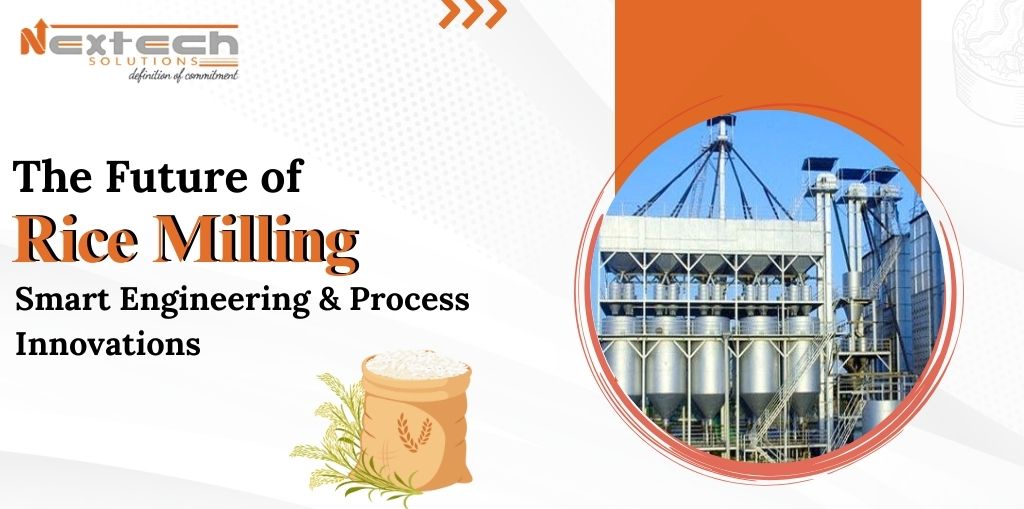
The Future of Rice Milling: Intelligent Engineering & Process Innovations

Rice milling is undergoing a revolutionary change with sophisticated engineering and innovative processes redefining the landscape. Conventional milling is increasingly being replaced by automation, digitization, and improved quality control, allowing for a more efficient and sustainable practice. This change is critical for all stakeholders in the rice mill business and holds considerable promise for rice mills in India.

Evolving Technology in Rice Milling

Automation and Robotics

The past few years have seen a boost in the use of automation and robotics in milling activities. Automated technologies now undertake the activities that used to be conducted manually, e.g., rice grain sorting, cleaning, and processing. Apart from lowering the cost of labor, this ensures minimal human errors, leading to a uniform quality product.

Precision and Consistency: Advanced machinery delivers high levels of accuracy, which is crucial for maintaining the quality of the final product.

Operational Efficiency: Automated systems can work continuously with minimal supervision, thereby increasing throughput and reducing downtime.

Smart Sensors and IoT Integration

The integration of Internet of Things (IoT) devices and smart sensors has made rice milling process monitoring and quality control more innovative. The IoT devices and sensors monitor key parameters such as temperature, moisture content, and grain integrity in real time.

Real-Time Monitoring: The constant recording of data means the process can be adjusted right away, producing a better-quality product.

Predictive Maintenance: Sensors are able to identify potential equipment problems before they happen, keeping milling processes running uninterrupted and cost-efficient.

Process Innovations Leading the Industry

Energy Efficiency and Sustainability

Energy efficiency and environmental sustainability are among the key trends in rice milling today. New equipment is being engineered to reduce energy usage while increasing output.

Eco-Friendly Operations: New processes minimize waste and maximize energy efficiency, following global sustainability patterns.

Cost Savings: Energy-efficient milling can result in substantial cost savings, especially for small and medium-sized enterprises competing in competitive markets.

Improved Quality Control

The destiny of rice milling is closely linked to enhanced quality control practices. Advances in technology have ensured that it is now possible to monitor and regulate different stages of milling with unrivaled precision.

Grain Integrity: Better milling methods provide the rice grains with maximum retention of their nutrient content, ensuring the texture and appearance required.

Uniform Product Quality: Processing uniformity reflects well on the business in the marketplace and creates consumer confidence, vital elements of sustainable success.

Influence on the Rice Mill Business

The integration of smart engineering and process innovations is more than a technology upgrade; it is a fundamental transformation that is redefining the rice mill business. Modernization in the industry is promoting improved resource allocation, cost savings, and quality products.

Increased Market Competitiveness

With the adoption of smart technology, rice mill plant is in a stronger position to compete both domestically and abroad. The enhanced quality and efficiency provide businesses with an advantage over rivals who continue to employ traditional ways.

Cost Competitiveness: Reduced waste and lower operating expenses enable companies to price competitively.

Product Differentiation: Consistently well-processed high-quality rice secures selective customers and creates new market opportunities.

Opportunities for Small and Medium Enterprises

Innovation in rice milling does not only concern large-scale millers. Small and medium enterprises (SMEs) also have opportunities to enhance their process without requiring substantial capital investment.

Scalability: New technology is developed to be flexible in such a way that smaller mills can scale production as demand increases.

Access to Technology: Economical, modular systems provide access to latest technologies even to small players in the rice mill industry.

Challenges and Considerations

While the future looks bright for rice milling, conversion to smart engineering and process developments has its share of challenges.

Initial Investment and Training

Replacing traditional technologies with newer ones necessitates a sizeable initial investment, and employees need to be trained to maintain and operate the new equipment.

Capital Expenditure: For most companies, the expense of new equipment can be prohibitive.

Skill Development: Ongoing training programs are required to make sure that employees are proficient in operating new technology, which in turn leads to operational success.

Integration with Existing Systems

Another issue is integrating new systems with current operations. Legacy equipment might not be compatible with new technology, necessitating retrofitting or replacement.

Seamless Transition: Phased implementation and careful planning can reduce disruptions during the transition phase.

Tailored Solutions: Partnering with technology providers can result in tailored solutions that meet specific operational requirements, making the integration process smoother.

Embracing the Future with Innovation

For companies that want to be industry leaders in rice milling, innovation is not only desirable but necessary. The development of automation, smart sensors, and process optimization technologies gives a clear direction for increasing operational efficiency and product quality.

Strategic Partnerships and Collaborations

Cooperation between milling operations and technology suppliers is the secret to unlocking the potential of advanced engineering. Through cooperation, companies are able to design solutions that suit their specific requirements and objectives. A good example is the effort made by Nextech Agri Solutions, whose efforts have led to the implementation of these advanced methods in milling operations. Through their specialized services, improvements in process efficiency and product quality have been achieved.

Future Outlook

The future of rice milling will be characterized by ongoing technological advancements. As the businessembraces new processes and equipment, it will become more competitive globally. The on-going development holds promise not only for product quality but also for an improved process that is sustainable and efficient. Eventually, companies that invest in intelligent engineering and process improvement will be best suited to serve the needs of an evolving market and for long-term prosperity.

In conclusion, the future of rice milling is bright with innovation that provides tangible advantages. From automation and IoT integration to energy efficiency and better quality control, it is a bright outlook for those who are willing to innovate. If you are an existing player in the rice mill industry or a new player, it will be necessary to adapt to these changes in order to survive in a growing market competition. The evolution of rice mills in India and elsewhere is a testament to the strength of innovation in driving success and operational excellence.


How to Minimize Operational Expenses in Your Rice Mill Business

The rice mill industry is a crucial segment in the agricultural sector, providing efficient processing of rice for consumption. Despite this, operational expenses can pose a major problem, impacting profitability and sustainability. In order to increase efficiency and profitability, the owners of mills need to implement cost-cutting measures without any compromise on quality. Here’s how you can cut operational costs in your rice mill business effectively.

1. Optimize Energy Consumption

Energy consumption is one of the largest recurring costs in a rice mill. Having energy-saving practices can effectively reduce costs:

  • Use Energy-Efficient Equipment – New rice milling equipment uses less power while producing more output.
  • Regular Maintenance – Machines working in good condition run efficiently and use less energy.
  • Use Renewable Energy Sources – Solar panels or biomass power can lower electricity charges in the long term.
  • Utilize Automation – Automated machines save energy wastage and enhance process efficiency.

2. Enhance Process Efficiency

Maximizing milling processes makes sure resources are put to proper use, lowering wastage and expenses.

  • Utilize Advanced Grain Milling Solutions – Upgrade to advanced milling equipment to guarantee higher output with least grain breakage.
  • Avoid Downtime – Routine maintenance of machines keeps breakdowns at bay, preventing cessation of production and extra costs.
  • Optimize Workflow – Rationalize operations by scheduling processes to eliminate idle time and maximize productivity.

3. Minimize Raw Material Waste

Cutting waste during rice milling increases profitability.

  • Take Quality Control Steps – High-quality paddy decreases milling losses.
  • Use Proper Storage Methods – Proper storage of paddy in controlled conditions eliminates spoilage and pests.
  • Utilize By-products Effectively – Rice bran, husk, and broken rice can be marketed or utilized for further sources of income.

4. Effective Labor Management

Labor expense can be maximized by implementing effective workforce management strategies.

  • Train Workers Periodically – Trained employees boost productivity and reduce mistakes.
  • Adopt Performance-Based Incentives – Rewarding efficiency through incentives can result in improved output.
  • Automate Repetitive Tasks – With automated systems, there is less need for unnecessary manual work and increased consistency.

5. Invest in High-Quality Machinery

While investing in sophisticated machinery involves an upfront expenditure, it results in long-term savings.

  • Select Long-Lasting Equipment – High-quality equipment minimizes maintenance and replacement expenses.
  • Source from Reliable Suppliers – Acquiring machinery from trusted suppliers guarantees longevity and effectiveness.
  • Upgrade to Smart Technology – Real-time monitoring and predictive maintenance are possible with IoT-enabled devices, minimizing surprise breakdowns.

6. Minimize Transportation and Logistics Expenses

Effective management of logistics can play a major role in cost minimization.

  • Optimize Supply Chain Management – Procure and deliver raw materials on time to prevent delays and unnecessary expenses.
  • Bulk Transportation – Carrying more quantities at a time minimizes unit costs.
  • Engage Local Suppliers – Procuring locally saves transportation costs and provides fresher products.

7. Pursue Preventive Maintenance Practices

Preventive maintenance avoids sudden breakdowns that may result in high repair bills and downtime.

  • Schedule Regular Inspections – Detecting problems early eliminates critical failures.
  • Utilize High-Quality Spare Parts – Purchasing quality parts maximizes machinery life.
  • Train Maintenance Personnel – Trained technicians ensure equipment handling and maintenance.

8. Embrace Digital Solutions

Technology-based solutions automate operations and lower costs.

  • Utilize Management Software – ERP systems implement with the help of which expenses can be monitored and production optimized.
  • Automate Inventory Control – Intelligent inventory monitoring avoids overstocking and underexploitation.
  • Track Performance Indicators – Data-driven decision-making enables areas for cost reduction to be identified.

Why Nextech Agri Solutions?

Nextech Agri Solutions is a company that specializes in delivering professional grain milling solutions to assist rice mill enterprises in enhancing efficiency and profitability. With industry experience, cutting-edge technology, and tailored solutions, they help in optimizing operations and minimizing costs while ensuring high-quality production.

Conclusion

Saving operating expenses in a rice mill venture involves a methodical strategy with energy efficiency, process optimization, waste minimization, and leading-edge technology implementation. Through such cost-saving methods, mill entrepreneurs can improve profitability and sustainability. Collaborating with a seasoned grain milling solutions specialist such as Nextech Agri Solutions can optimize processes further to achieve long-term success.

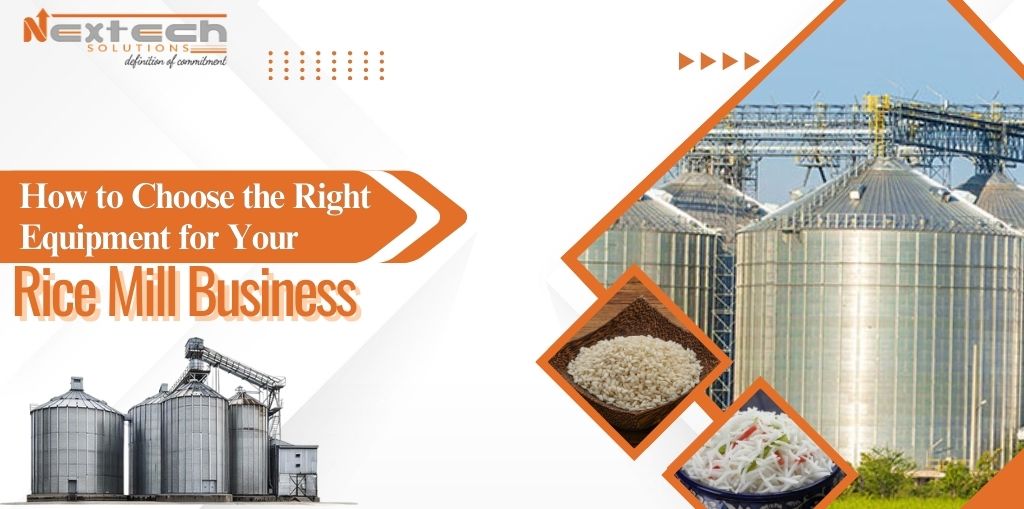
How to Choose the Right Equipment for Your Rice Mill Business

The rice milling industry plays a pivotal role in ensuring a consistent supply of high-quality rice to markets worldwide. Starting a rice mill business requires meticulous planning and an in-depth understanding of the necessary machinery. Choosing the right equipment is the cornerstone of success, as it directly impacts efficiency, quality, and profitability. Nextech Agri Solutions, a trusted name in agricultural consultancy, offers comprehensive guidance to businesses aiming to optimize their grain milling operations.

Understand Your Business Requirements

Before purchasing any equipment, it’s crucial to analyze the specific needs of your rice mill business. Consider factors such as production capacity, budget, and the type of rice you aim to process. Understanding these parameters ensures that you invest in machinery that aligns with your goals, minimizing unnecessary expenses.

Assess the Quality and Efficiency of Equipment

High-quality machinery not only enhances the efficiency of operations but also ensures superior product quality. When selecting equipment, prioritize machines that offer reliable performance and require minimal maintenance. Modern grain milling solutions come equipped with advanced features like automated controls and energy-efficient designs, making them a valuable addition to any rice mill setup.

Key Machinery for Rice Mill Business

A fully operational rice mill requires a combination of several types of equipment, each performing a specific role in the milling process. The essential machines include:

Pre-cleaners: 

These remove impurities such as stones, dirt, and husks.

Dehuskers: 

Essential for removing the husk from raw rice grains.

Paddy separators: 

They separate unhusked paddy from the processed rice.

Polishers:

 These machines enhance the appearance and quality of rice grains.

Investing in the right combination of these machines ensures smooth operations and consistent output.

Prioritize Energy Efficiency and Cost-effectiveness

Energy efficiency is a significant consideration when choosing rice milling equipment. Machines with lower energy consumption reduce operational costs, making your business more sustainable. While high-quality machines may come with a higher initial investment, their long-term benefits in terms of efficiency and durability make them a cost-effective choice.

Consult Experts in the Field

Navigating the complexities of selecting the right machinery can be challenging. Engaging with a rice mill consultant can simplify this process, providing you with expert insights into the best equipment for your specific requirements. Consultants can also guide you on layout design, equipment integration, and process optimization, ensuring that your business operates at peak efficiency.

Ensure Compliance with Industry Standards

The equipment you choose should adhere to industry standards and regulatory requirements. Compliance ensures the safety and reliability of your operations while also improving marketability. Always verify certifications and warranties when purchasing machinery to avoid potential setbacks.

Plan for Scalability and Future Expansion

As your company expands, your machinery should be able to meet rising production requirements. Choose equipment that allows for scalability, enabling you to expand operations without requiring a complete overhaul of your setup. This forward-thinking strategy assures the sustainability and profitability of your company.

Maintain and Upgrade Equipment Regularly

Proper maintenance is essential to keep your machinery in optimal condition. Develop a maintenance schedule to prevent unexpected breakdowns and ensure consistent performance. Periodically upgrading your equipment with the latest grain milling solutions can also improve efficiency and keep you ahead of competitors.

The Role of Nextech Agri Solutions

Choosing the right equipment for your business is no small feat, and partnering with experienced professionals can make all the difference. Nextech  specializes in providing tailored solutions to businesses in the agricultural sector. From equipment selection to process optimization, their expertise ensures that your operations are efficient, sustainable, and profitable.

Conclusion

Establishing a successful rice mill business begins with selecting the right equipment. By understanding your requirements, prioritizing quality and efficiency, and consulting with experts, you can build a robust setup that delivers consistent results. Nextech Agri Solutions stands ready to assist you in achieving your goals, offering unparalleled expertise and cutting-edge solutions to enhance your grain milling operations. Invest wisely today to pave the way for a thriving future in the rice milling industry.


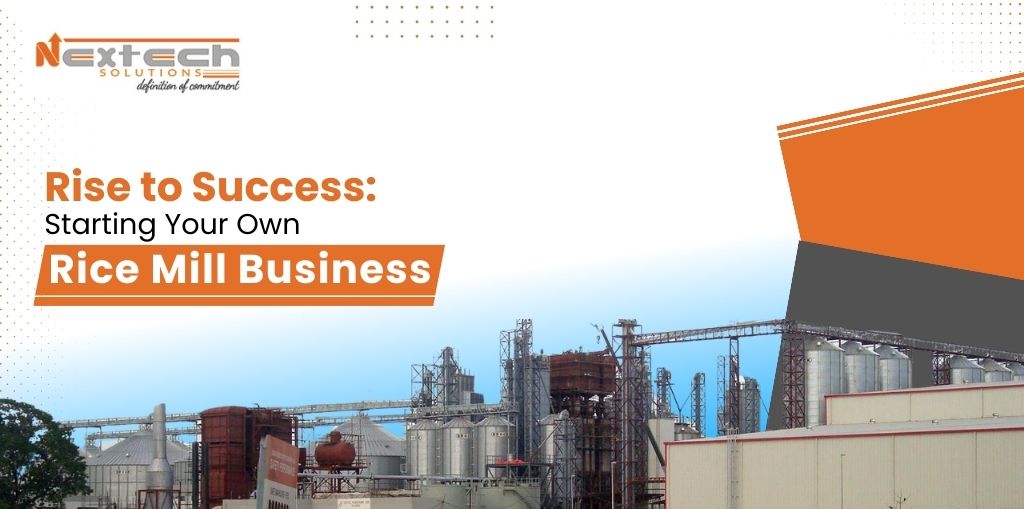
Rise to Success: Starting Your Own Rice Mill Business

Introduction: Building Your Rice Mill Business from Scratch

In agricultural entrepreneurship, few ventures promise success, like starting your own rice mill business. As one of the most consumed staple foods globally, rice is pivotal in billions’ diets. Capitalizing on this demand and efficient business strategies can pave the path to prosperity. In this guide, we’ll delve into the intricacies of establishing a thriving rice mill enterprise, from understanding the nuances of the rice mill layout plant to navigating market dynamics.

Understanding the Rice Mill Business Landscape

Market Overview

Before delving into the logistics of setting up a rice mill, it’s crucial to grasp the market dynamics. The global demand for rice continues to soar, driven by population growth and shifting dietary preferences. As populations burgeon in regions like Asia and Africa, the need for processed rice escalates, presenting a lucrative opportunity for aspiring entrepreneurs.

Identifying Target Demographics

Target demographics play a pivotal role in shaping your business strategy. Understanding consumer preferences, purchasing power, and cultural nuances can inform product variety and marketing efforts decisions. Conducting thorough market research will aid in identifying potential niches and tailoring your offerings accordingly.

Navigating the Rice Mill Layout Plant

Location Selection

Selecting an optimal location for your Rice Mill Layout Plant is paramount to its success. Proximity to paddy fields or rice-producing regions can minimize transportation costs and ensure a steady supply of raw materials. Additionally, accessibility to major transportation routes facilitates efficient distribution, enhancing market reach.

Facility Design and Layout

Efficient facility design is crucial for maximizing productivity and minimizing operational costs. The layout should encompass designated areas for each stage of the milling process, including cleaning, husking, polishing, and packaging. Adopting a streamlined workflow minimizes bottlenecks and enhances overall efficiency.

Procurement of Machinery and Equipment

Investing in high-quality machinery and equipment ensures optimal performance and product quality. Modern rice milling machinery encompasses a range of equipment, including paddy separators, de-stoners, and rice polishers. Collaborating with reputable suppliers ensures reliability and longevity, minimizing downtime and maintenance costs.

Embracing Technological Advancements

Incorporating technological advancements can revolutionize your rice milling operations. Automated sorting systems, digital moisture meters, and computerized process controls streamline production processes, enhancing precision and consistency. Embracing innovation not only improves efficiency but also strengthens competitiveness in the market.

Nurturing Relationships in the Supply Chain

Building Relationships with Suppliers

Establishing solid relationships with paddy suppliers is fundamental to the success of your rice mill business. Cultivating trust and reliability fosters long-term partnerships, ensuring a consistent supply of high-quality raw materials. Negotiating favorable terms and maintaining open lines of communication is vital to a mutually beneficial collaboration.

Distribution and Marketing Strategies

Effective distribution and marketing strategies are indispensable for reaching your target market and driving sales. Leveraging digital platforms, such as e-commerce websites and social media channels, expands your reach and facilitates direct consumer engagement. Additionally, forging partnerships with wholesalers and retailers amplifies market penetration, enhancing brand visibility.

Ensuring Quality Assurance and Compliance

Adhering to Regulatory Standards

Compliance with regulatory standards is non-negotiable in the food processing industry. Familiarize yourself with local and international food safety, hygiene, and labeling regulations. Implementing stringent quality control measures safeguards consumer health and instills trust and credibility in your brand.

Implementing Quality Assurance Protocols

Maintaining consistent product quality is paramount for retaining customer loyalty and sustaining business growth. Implementing robust quality assurance protocols, such as regular inspections and product testing, ensures adherence to predefined standards. Continual improvement initiatives foster a culture of excellence, driving customer satisfaction and market competitiveness.

Embracing Sustainability Practices

Sustainable Resource Management

Integrating sustainability practices into your operations is imperative as stewards of the environment. Implementing eco-friendly technologies, optimizing resource utilization, and minimizing waste generation mitigate environmental impact while enhancing operational efficiency. Embracing sustainable practices aligns with consumer preferences and future-proofs your business against evolving regulatory requirements.

Community Engagement and Social Responsibility

Fostering positive relationships with local communities is integral to the long-term success of your rice mill business. Engaging in corporate social responsibility initiatives, such as educational programs and environmental conservation efforts, demonstrates your commitment to social welfare. Building a reputation as a responsible corporate citizen strengthens brand equity and fosters goodwill among stakeholders.

Conclusion

Embarking on starting your own rice mill business holds immense promise for aspiring entrepreneurs. By understanding the intricacies of the rice mill layout plant, navigating market dynamics, and embracing sustainability practices, you can carve a niche in the competitive landscape. With strategic planning, dedication, and a commitment to quality, you can rise to success in the flourishing rice milling industry.

In conclusion, the journey to success in the rice mill business begins with a single grain – seize the opportunity, cultivate it carefully, and watch it flourish into a harvest of prosperity.

Market Trends and Opportunities: A Deep Dive into the Rice Mill Business

Market Trends and Opportunities: A Deep Dive into the Rice Mill Business

Introduction to the Rice Mill Business

Welcome to the world of rice, where grains of opportunity abound! If you’re considering venturing into the business realm and are looking for a venture that offers stability, growth potential, and a vital role in feeding communities worldwide, then look no further than the rice mill industry. This blog post will take you on a deep dive into the exciting world of rice milling, highlighting market trends, opportunities for success, as well as risks and challenges to consider. So grab your paddy hats and let’s explore the vast landscape of the rice mill business together!

Market Trends and Demand for Rice

The rice industry has been witnessing significant growth and demand in recent years. As a staple food for many countries, the market for rice continues to expand globally. This can be attributed to several factors such as population growth, changing dietary preferences, and increasing awareness about the nutritional benefits of rice.

One of the key trends in the rice market is the rising demand for organic and specialty varieties. Consumers are becoming more conscious about their health and are willing to pay a premium for high-quality, pesticide-free rice. This presents an opportunity for rice mill businesses to tap into this niche market segment by offering organic options.

Another trend that is driving the demand for rice is urbanization. With more people moving to cities, there is a growing need for convenient and ready-to-cook food products like packaged or processed rice. Rice mill businesses can capitalize on this trend by investing in modern processing techniques and packaging solutions that cater to urban consumers’ needs.

Furthermore, international trade plays a crucial role in shaping the demand for rice. Many countries rely heavily on imports to meet their domestic consumption needs. Therefore, establishing strong export networks can open up new avenues of growth for rice mill businesses.

The market trends indicate positive prospects for those venturing into the rice mill business. By keeping abreast of consumer preferences, embracing technological advancements, and exploring niche markets such as organic or specialty varieties, entrepreneurs can position themselves well within this thriving industry

Opportunities in the Rice Mill Industry

The rice mill industry offers a plethora of opportunities for entrepreneurs looking to enter the agricultural sector. With the growing demand for rice and the potential for export markets, venturing into this business can be highly profitable.

One of the key opportunities in the rice mill industry is vertical integration. By establishing strong relationships with farmers, you can ensure a consistent supply of high-quality paddy. This not only helps in maintaining quality control but also enables you to negotiate better prices and reduce dependency on external suppliers.

Another opportunity lies in diversification. Apart from producing milled rice, consider adding value-added products such as parboiled rice or branded specialty varieties to your product line. These niche market segments often command higher prices and have a loyal customer base seeking unique flavors or healthier options.

Furthermore, technological advancements present immense possibilities in streamlining operations and increasing efficiency. Investing in modern machinery like automated sorting systems or precision grading equipment can greatly enhance productivity while reducing labor costs.

Additionally, there are opportunities to establish partnerships with government agencies or NGOs working towards improving food security and promoting sustainable agriculture practices. Collaborating on projects related to seed development, organic farming techniques, or research initiatives can not only boost your credibility but also open doors to funding opportunities.

Don’t overlook potential collaborations within the industry itself. Partnering with other players like wholesalers or distributors can help expand your reach into new markets both domestically and internationally.

In conclusion,Rice milling presents numerous avenues for growth and success.

The key is staying updated with market trends,demands,and consumer preferences.

By seizing these opportunities,you position yourself for long-term profitability in this thriving industry.

Never underestimate the power of innovation,collaboration,and adaptability!

Risks and Challenges to Consider


Running a rice mill business, like any other venture, comes with its fair share of risks and challenges. Being aware of these potential obstacles can help you prepare for them and navigate your way towards success.

One of the primary challenges in the rice mill industry is the unpredictability of the agricultural sector. Rice production heavily relies on factors such as weather conditions, pests, diseases, and market fluctuations. Any adverse impact on crop quality or quantity can directly affect your business’s profitability.

Another challenge is the ever-evolving technological landscape. As technology advances rapidly, it becomes crucial for rice mill owners to stay updated with modern equipment and machinery that enhance efficiency and productivity. Investing in advanced technology may require a significant initial investment but can result in long-term cost savings.

Furthermore, competition within the industry poses a constant threat. To remain competitive, you must continuously evaluate market trends, consumer preferences, pricing strategies employed by competitors, and adapt accordingly.

Operational costs are another risk factor that needs careful consideration. From acquiring raw materials to maintaining machinery to hiring skilled laborers—all these expenses add up quickly. Therefore, effective financial management is critical to ensure sustainable growth.

Lastly yet importantly, regulatory compliance should not be overlooked. Understanding local laws regarding food safety standards, licenses required for operation or exportation purposes will safeguard your business from potential legal issues down the road.

By recognizing these risks upfront and developing contingency plans for each scenario while staying adaptable to changes in the industry landscape; you’ll position yourself better at overcoming hurdles along your entrepreneurial journey!

Essential Equipment and Technology for a Successful Rice Mill Business

In order to run a successful rice mill business, it is crucial to have the right equipment and technology in place. These tools not only help streamline operations but also ensure efficiency and productivity. Let’s take a closer look at some essential equipment that every rice mill should have.

You will need a paddy separator machine. This device helps separate the husk from the paddy, ensuring that you get clean grains ready for processing. Additionally, investing in a dehusking machine is important as it removes the husk from the grains without damaging them.

Another vital piece of equipment is the whitening machine which removes any remaining bran layers from the rice grain, resulting in polished white rice. A milling machine is also necessary for grinding and refining the rice into different sizes such as long grain or short grain.

To increase productivity and save time, automated technology like conveyor belts can be incorporated into your setup. These belts facilitate smooth transportation of raw materials throughout various stages of production.

Furthermore, having moisture meters can help determine if your raw materials are ready for processing or require additional drying before milling.

Investing in modern technologies like color sorters can enhance quality control by removing impurities such as discolored or damaged grains automatically.

Don’t forget about packaging machines! These devices efficiently package your processed rice into bags or boxes ready for distribution.

By equipping your rice mill with these essential tools and technologies, you are positioning yourself for success in this competitive industry! Stay tuned next week when we discuss effective marketing strategies to grow your customer base!

Remember – choosing suitable equipment tailored to your specific requirements will contribute significantly to optimizing operations within your rice mill business!

Marketing Strategies for a Rice Mill Business


When it comes to marketing your rice mill business, it’s essential to have a well-thought-out strategy in place. With the right marketing tactics, you can effectively reach your target audience and create brand awareness. Here are some strategies to consider:

1. Develop a strong online presence: In today’s digital age, having an online presence is crucial. Create a professional website that showcases your rice mill products and services. Optimize your website with relevant keywords related to the rice mill business to improve its visibility on search engines.

2. Utilize social media platforms: Social media platforms like Facebook, Instagram, and LinkedIn can be powerful tools for promoting your rice mill business. Create engaging content that highlights the benefits of using your product and share it regularly on these platforms.

3. Collaborate with influencers: Partnering with influencers who have a strong following in the food or agriculture industry can help increase brand exposure for your rice mill business. Reach out to relevant influencers and offer them samples of your products in exchange for promoting them on their social media channels.

4. Attend trade shows and events: Participating in trade shows and industry events allows you to showcase your products directly to potential customers and network with other professionals in the field.

5. Offer promotions & discounts : Offering promotions such as discounts or special deals can incentivize customers to choose your rice mill over competitors’. Consider running limited-time offers or providing loyalty programs to encourage repeat purchases.

By implementing these marketing strategies effectively, you can position yourself ahead of competitors and attract more customers to grow your rice mill business further.

Conclusion: Is the Rice Mill Business Right for You?

The rice mill business offers a lucrative opportunity in the ever-growing agricultural industry. As we have explored in this article, there are several market trends and demands that indicate a promising future for this sector. However, it is essential to consider the risks and challenges associated with running a rice mill business.

Before diving into this venture, it is crucial to assess your own interests, skills, and resources. Are you passionate about agriculture? Do you have experience or knowledge in managing food processing operations? Can you handle the financial responsibilities involved? These are important questions to ask yourself before making any commitments.

Additionally, conducting thorough market research will help you determine the potential profitability of your rice mill business. Analyzing local supply and demand dynamics, understanding consumer preferences, and identifying competitors will give you valuable insights into how viable your venture may be.

Furthermore, investing in modern equipment and technology is key to ensuring efficiency and quality output. From paddy separators to color sorters and packaging machinery – having access to reliable tools can significantly enhance your productivity levels.

Marketing strategies play an equally vital role in establishing a successful rice mill business. Creating brand awareness through digital marketing channels such as social media platforms can help attract customers both locally and internationally. Collaborating with wholesalers or retailers can also expand your reach within the market.

In conclusion, starting a rice mill business requires careful consideration of various factors such as market trends, opportunities, risks/challenges,and necessary equipment/technology investments.
With proper planning,due diligence,and strategy implementation,you could position yourself favorably in this thriving industry.
Remember,to increase your chances of success,it would be wise to consult with experienced professionals like [ Nextech ] who can guide you throughout every step of establishing & growing your rice milling enterprise.

Frequently Asked Questions (FAQs)

1. Is the rice mill business profitable?

Yes, the rice mill business can be highly profitable when managed efficiently. With increasing global demand for rice, especially packaged and specialty varieties, there is a strong market both domestically and internationally. Profitability depends on factors like location, quality of paddy, machinery used, operational efficiency, and marketing strategy.

2. How do I start a rice trading business?

To start a rice trading business:

  • Conduct market research to understand supply and demand.

  • Establish connections with rice producers, mills, or cooperatives.

  • Register your business and get the required licenses.

  • Source reliable packaging and transportation solutions.

  • Build relationships with buyers (wholesalers, retailers, exporters).

  • Promote your rice brand through online platforms and trade shows.

3. What are the essential rice mill machines needed for a new setup?

Key rice mill machines include:

  • Paddy separator

  • Dehusking machine

  • Rice whitening machine

  • Polishing and grading machines

  • Color sorter

  • Conveyor belts

  • Packaging machines

  • Moisture meters

These machines help ensure efficiency, high-quality output, and minimal wastage.

4. What is the current trend in the packaged rice market?

The packaged rice market is growing rapidly, especially in urban areas. Key trends include:

  • Increasing demand for ready-to-cook rice

  • Rising popularity of organic and specialty rice (e.g., basmati, brown, red rice)

  • Demand for attractive and eco-friendly packaging

  • Brand loyalty driven by quality and health claims

5. How to promote a rice business effectively?

Here are a few strategies to promote your rice business:

  • Build a professional website with product listings.

  • Use social media marketing on platforms like Facebook, Instagram, and LinkedIn.

  • Partner with food influencers and bloggers for product reviews.

  • Attend trade fairs and agricultural expos.

  • Offer discounts and promotional deals to retailers and end customers.

  • Collaborate with distributors and retail chains for better market reach.

6. What are the risks involved in the rice milling or trading business?

Some key risks include:

  • Fluctuations in raw paddy prices

  • Weather-dependent supply chain affecting paddy availability

  • Machinery breakdowns or outdated technology

  • High operational costs

  • Regulatory compliance issues

  • Stiff competition in both local and export markets

Mitigating these risks through planning, technology investment, and strategic partnerships is essential.

7. What’s the difference between a rice mill business and a rice trading business?

  • A rice mill business involves processing raw paddy into edible rice using specialized machinery.

  • A rice trading business focuses on buying and selling rice, either from mills or suppliers, without necessarily being involved in processing.

Both models can be profitable, and many entrepreneurs combine them to maximize margins and market control.

8. Can I export rice from my rice mill business?

Yes, exporting rice is a lucrative opportunity. To do so:

  • Ensure your product meets international food safety standards.

  • Obtain an export license and comply with local export regulations.

  • Partner with international buyers or distributors.

  • Invest in proper packaging and logistics to maintain rice quality during transit.

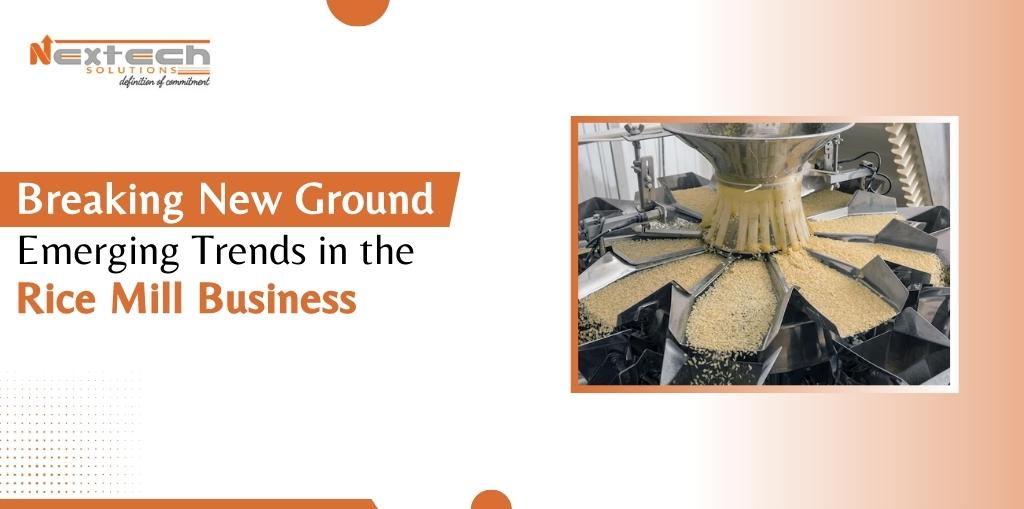
Breaking New Ground: Emerging Trends in the Rice Mill Business

The Rice Mill Business is undergoing a dynamic transformation, with cutting-edge developments and innovative approaches reshaping the industry landscape. From advanced grain milling solutions to sustainable practices, the rice mill sector is witnessing an evolution that promises enhanced efficiency, quality, and profitability. In this article, we delve into the exciting trends that are revolutionizing the Rice Mill Business.

Embracing Technological Advancements for Efficient Grain Milling Solutions

In the modern era, technology reigns supreme, and the Rice Mill Business is no exception. Industry leaders are integrating state-of-the-art machinery and automation to streamline the grain milling process. Advanced sorting, grading, and packaging systems are becoming the norm, ensuring that each grain meets the highest standards of quality. With these innovations, rice millers can significantly boost productivity while minimizing wastage.

Sustainable Practices: Paving the Way for Eco-Friendly Rice Milling

As environmental concerns take center stage, the Rice Mill Business is embracing sustainability with open arms. From energy-efficient milling techniques to responsible waste management, the industry is committed to reducing its carbon footprint. By adopting eco-friendly practices, rice millers not only contribute to a healthier planet but also attract environmentally conscious consumers who prioritize products with a lower environmental impact.

Quality Control Redefined: AI and Machine Learning

In the Rice Mill Business, maintaining consistent quality takes precedence, and artificial intelligence (AI) and machine learning are revolutionizing the method of achieving this. These technologies enable real-time monitoring of the milling process, detecting even the slightest deviations from desired quality standards. As a result, rice millers can make prompt adjustments, guaranteeing that the end product meets or exceeds customer expectations.

Diversification of Rice-Based Products

Gone are the days when rice was limited to a few staple dishes. The Rice Mill Business is witnessing a surge in the creation of diverse rice-based products that cater to changing consumer preferences. From rice flour used in gluten-free baking to innovative ready-to-cook rice meal kits, the industry is exploring new avenues that cater to a wide range of tastes and dietary requirements.

Global Market Penetration: Export Opportunities

With the advancement of logistics and international trade, the Rice Mill Business is expanding its horizons beyond domestic markets. Rice millers are capitalizing on export opportunities, reaching consumers in various corners of the world Howeverthis not only increases revenue streams but also promotes the reputation of rice produced by a particular mill on a global scale.

Consumer-Centric Approach: Customized Packaging and Branding

In a competitive market, standing out is crucial. Rice millers acknowledge the significance of tailored packaging and branding to allure consumers. Eye-catching packaging designs and clear branding communicate quality and reliability, making consumers more likely to choose a particular rice product over others Moreover This consumer-centric approach can significantly influence purchasing decisions.

Collaborations and Partnerships: Strength in Unity

Collaboration is proving to be a winning strategy in the Rice Mill Business. Industry players are forming strategic partnerships to combine their expertise and resources. Collaborating with farmers for premium paddy supply or teaming up with tech companies for innovation, these alliances drive growth and foster innovation.

In conclusion : the Rice Mill Business is experiencing a paradigm shift driven by technological advancements, sustainability, and consumer preferences. Embracing advanced machinery, AI quality control, diversification, and global expansion, the industry embraces change to lead. Continuing to shape the landscape, adaptable and innovative rice millers position themselves for a future characterized by success and fulfillment.