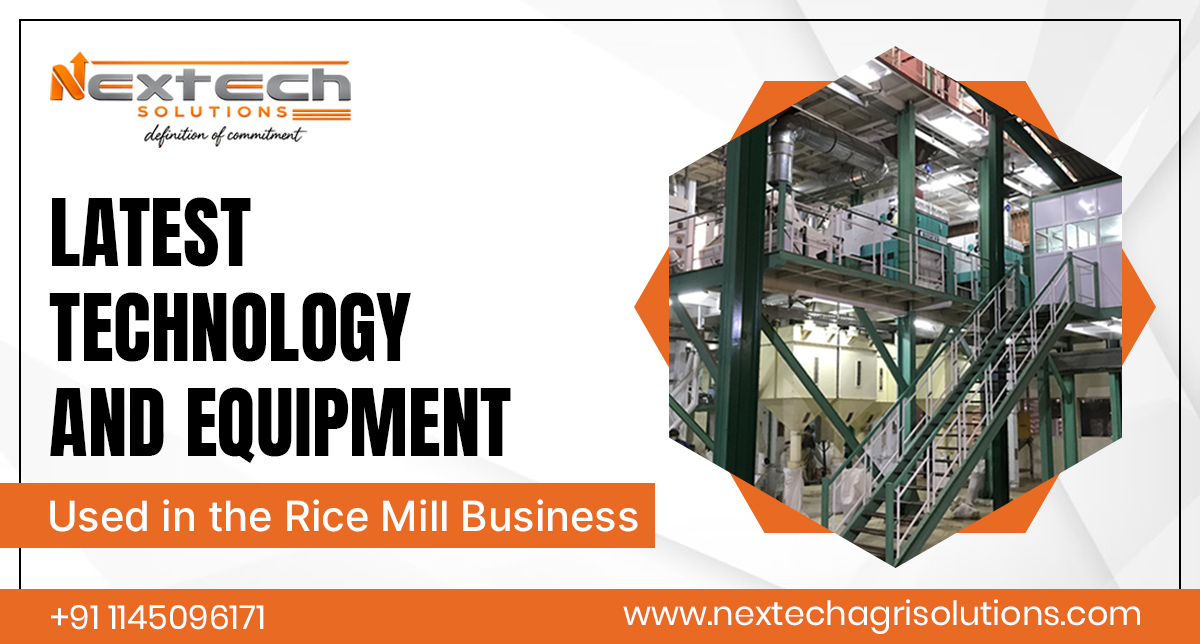
Latest Technology and Equipment Used in the Rice Mill Business

The Rice Mill Business has evolved significantly over the years, moving from traditional processing methods to highly advanced and automated systems. With increasing demand for high-quality rice and efficient production, modern rice mills are now integrating cutting-edge technologies to improve productivity, reduce wastage, and ensure consistent output.

In today’s competitive market, adopting the latest equipment is not just an option—it is a necessity. From automated sorting systems to advanced storage solutions like silos, technology is transforming how rice mills operate. Companies like Nextech are leading this transformation by providing innovative solutions tailored to modern agricultural and industrial needs.

What is the Rice Mill Business?

The Rice Mill Business involves processing raw paddy into consumable rice through a series of steps such as cleaning, husking, polishing, grading, and packaging.

A modern rice mill factory uses advanced machinery to ensure precision and efficiency at every stage. Unlike traditional mills, today’s systems focus on minimizing grain breakage, improving yield, and maintaining quality standards.

Why Technology is Important in the Rice Mill Business

Technology plays a crucial role in improving efficiency and profitability in the Rice Mill Business.

Key Benefits

  • Higher production capacity
  • Reduced manual labor
  • Improved rice quality
  • Lower operational costs
  • Better storage and inventory management

Modern rice mills that adopt advanced technology gain a competitive advantage in both local and global markets.

Latest Technology Used in Rice Mills

1. Automated Paddy Cleaning Systems

Cleaning is the first step in rice processing. Advanced cleaning machines remove dust, stones, and impurities efficiently.

These systems ensure that only high-quality paddy enters the processing stage, improving the overall output of the Rice Mill Business.

2. High-Efficiency Rice Whitener & Polisher

Modern rice mills use advanced whitening and polishing machines to improve the appearance and texture of rice.

This is especially important for producing premium-quality rice, including par boiled rice, which requires precise processing techniques.

3. Color Sorters

Color sorting machines use optical sensors and AI-based technology to separate defective grains from high-quality ones.

This technology ensures consistency and enhances the value of the final product, making it essential for modern rice mill factory operations.

4. Automatic Grading Systems

Grading machines classify rice based on size, shape, and quality.

These systems help maintain uniformity, which is crucial for branding and meeting market standards in the Rice Mill Business.

5. Advanced Packaging Machines

Automated packaging systems improve efficiency and ensure proper sealing, labeling, and hygiene.

They also reduce manual errors and enhance the overall presentation of the product.

Equipment Used in Modern Rice Mills

1. Paddy Husker

The husker removes the outer shell from paddy grains. Modern huskers are designed to reduce grain breakage and improve yield.

2. Rice Separator

This equipment separates brown rice from unprocessed paddy, ensuring efficient processing.

3. Rice Polisher

Polishers enhance the appearance of rice, making it more appealing in the market.

This is particularly important when promoting white rice benefits, as polished rice is commonly consumed worldwide.

4. Silos for Storage of Grains

Storage is a critical part of the Rice Mill Business.

Using silos for storage of grains ensures:

  • Protection from moisture
  • Reduced contamination
  • Better inventory management
  • Long-term preservation

Companies like Nextech provide advanced silo solutions that help rice mills maintain grain quality and reduce losses.

Role of Automation in Rice Mills

Automation is revolutionizing the Rice Mill Business by reducing dependency on manual labor and increasing efficiency.

Benefits of Automation

  • Faster processing
  • Consistent quality
  • Reduced human error
  • Improved safety
  • Lower operational costs

Modern rice mills are increasingly adopting automated systems to stay competitive in the industry.

Quality Control and Food Safety Technology

Maintaining quality is essential in the Rice Mill Business.

Advanced testing and monitoring systems ensure that rice meets food safety standards. These technologies help maintain the nutritional value of rice, including various rice health benefits.

Consumers today are more aware of the benefits of eating rice, making quality control even more important.

Future Trends in the Rice Mill Business

The future of the Rice Mill Business is driven by innovation and sustainability.

Emerging Trends

  • AI-based quality inspection
  • Smart storage systems
  • Energy-efficient machinery
  • Digital monitoring systems
  • Eco-friendly processing methods

Businesses adopting these technologies are better positioned for long-term success.

Why Choose Nextech for Rice Mill Solutions

When it comes to advanced solutions for the Rice Mill Business, Nextech stands out as a reliable partner.

Key Advantages

  • Advanced machinery and equipment
  • Customized solutions for rice mills
  • High-quality storage systems
  • Expert technical support
  • Scalable solutions for growing businesses

Their expertise in providing silos for storage of grains and modern processing equipment makes them a preferred choice for rice mill owners.

Common Mistakes to Avoid

Even with advanced technology, mistakes can impact performance.

Avoid These Errors

  • Using outdated machinery
  • Poor storage management
  • Ignoring quality control
  • Lack of automation
  • Improper maintenance

Avoiding these mistakes can significantly improve efficiency and profitability in the Rice Mill Business.

FAQs

1. What is the Rice Mill Business?

The Rice Mill Business involves processing raw paddy into consumable rice using modern machinery and equipment.

2. What are the latest technologies used in rice mills?

Modern rice mills use automated cleaning systems, color sorters, grading machines, and advanced storage solutions like silos.

3. Why are silos important in rice mills?

Silos for storage of grains help protect rice from moisture, pests, and contamination while ensuring long-term storage.

4. How does automation improve rice mills?

Automation increases efficiency, reduces labor costs, and ensures consistent quality in rice production.

5. Which company provides advanced rice mill solutions?

Nextech offers innovative solutions, including modern equipment and storage systems, for efficient rice mill operations.

Conclusion

The Rice Mill Business is rapidly evolving with the integration of advanced technology and modern equipment. From automated processing systems to smart storage solutions, these innovations are helping businesses improve efficiency, reduce costs, and maintain high-quality standards.By partnering with trusted providers like Nextech, rice mill owners can implement reliable and scalable solutions that meet the demands of today’s market and ensure long-term success.

Sustainable Rice Milling Practices in India: Reducing Environmental Impact While Boosting Productivity

India stands as the world’s second-largest rice producer, contributing significantly to global food security. However, traditional milling practices often come with environmental challenges that demand immediate attention. The integration of sustainable technologies in rice processing has become crucial for balancing productivity with environmental responsibility.

The Current State of Rice Processing in India

The Indian rice processing industry operates thousands of facilities across the country, from small-scale operations to large industrial complexes. While these rice mills in India have been instrumental in meeting domestic and export demands, many still rely on conventional methods that generate substantial waste and consume excessive energy.

Traditional milling processes typically result in:

  • High energy consumption through inefficient machinery
  • Significant water wastage during cleaning and processing
  • Improper disposal of rice husk and bran
  • Excessive carbon emissions from outdated equipment

Environmental Challenges in Conventional Rice Milling

Energy Consumption Issues

Conventional milling operations consume approximately 25-30 kWh of electricity per ton of paddy processed. This high energy demand not only increases operational costs but also contributes to greenhouse gas emissions when sourced from fossil fuel-based power generation.

Waste Generation Problems

Every ton of paddy processed generates substantial byproducts:

  • Rice husk (20-22% of total weight)
  • Rice bran (8-10% of total weight)
  • Broken rice (5-7% of total weight)

When not properly utilized, these byproducts become environmental burdens rather than valuable resources.

Water Usage Concerns

Traditional cleaning and processing methods consume 1,500-2,000 liters of water per ton of paddy, often without adequate recycling systems in place.

Sustainable Solutions for Modern Rice Processing

Energy-Efficient Technologies

Advanced Milling Equipment Modern rice mill plant designs incorporate energy-efficient motors, variable frequency drives, and optimized processing sequences that can reduce energy consumption by 30-40%. These systems include:

  • High-efficiency paddy separators
  • Low-power consumption whitening machines
  • Automated sorting systems with minimal energy requirements

Renewable Energy Integration Progressive facilities are adopting solar power systems and biomass-based energy generation using rice husk as fuel. This approach can make operations carbon-neutral while reducing electricity costs by up to 60%.

Waste-to-Wealth Conversion

Rice Husk Utilization

  • Power generation through biomass boilers
  • Manufacturing of construction materials like rice husk ash concrete
  • Production of activated carbon for water treatment
  • Development of biodegradable packaging materials

Rice Bran Applications

  • Extraction of rice bran oil for cooking and industrial purposes
  • Production of animal feed supplements
  • Manufacturing of cosmetic and pharmaceutical products

Water Conservation Strategies

Closed-Loop Water Systems Implementation of water recycling systems can reduce fresh water consumption by 70-80%. These systems include:

  • Settling tanks for particle removal
  • Filtration units for water purification
  • Automated water quality monitoring

Dry Cleaning Technologies Advanced dry cleaning methods eliminate water usage during initial cleaning stages while maintaining grain quality standards.

Technological Innovations Driving Sustainability

Smart Automation Systems

Modern rice mill project implementations include IoT-enabled monitoring systems that optimize:

  • Energy consumption patterns
  • Water usage efficiency
  • Waste segregation processes
  • Quality control parameters

Precision Processing Equipment

State-of-the-art machinery offers:

  • Minimal grain breakage rates
  • Reduced processing time
  • Lower maintenance requirements
  • Enhanced product quality

Economic Benefits of Sustainable Practices

Cost Reduction Opportunities

  • Energy savings: 25-40% reduction in electricity costs
  • Water conservation: 60-70% decrease in water expenses
  • Waste monetization: Additional revenue streams from byproduct sales
  • Reduced maintenance: Modern equipment requires less frequent repairs

Market Advantages

  • Premium pricing for sustainably processed rice
  • Enhanced brand reputation and market positioning
  • Compliance with international sustainability standards
  • Access to green financing options

Implementation Strategies for Rice Processing Facilities

Phased Modernization Approach

Rather than complete overhaul, facilities can adopt gradual improvements:

Phase 1: Energy Optimization

  • Upgrade to energy-efficient motors and equipment
  • Install power monitoring systems
  • Implement energy management protocols

Phase 2: Waste Management Integration

  • Establish byproduct processing units
  • Develop partnerships for waste utilization
  • Create value-added product lines

Phase 3: Water Conservation Systems

  • Install water recycling infrastructure
  • Implement quality monitoring systems
  • Optimize cleaning processes

Investment Considerations

Nextech Agri Solutions recommends evaluating return on investment based on:

  • Energy cost savings projections
  • Byproduct revenue potential
  • Government incentives for sustainable practices
  • Long-term operational efficiency gains

Future Outlook and Opportunities

The sustainable rice milling sector in India presents immense growth potential. Government initiatives supporting clean technology adoption, increasing consumer awareness about sustainable products, and international market demands for responsibly processed grains are driving industry transformation.

Emerging Technologies

  • Artificial intelligence for process optimization
  • Blockchain for supply chain transparency
  • Advanced biotechnology for enhanced byproduct utilization
  • Carbon capture and storage systems

Conclusion

Sustainable rice milling practices represent a critical evolution in India’s agricultural processing sector. By embracing energy-efficient technologies, implementing comprehensive waste management systems, and optimizing water usage, rice processing facilities can significantly reduce their environmental footprint while enhancing profitability.

The transition toward sustainability requires strategic planning, appropriate technology selection, and commitment to continuous improvement. With proper implementation, these practices not only contribute to environmental conservation but also position businesses for long-term success in an increasingly sustainability-conscious market.

As the industry moves forward, the integration of advanced technologies with traditional processing wisdom will define the next generation of rice milling operations, ensuring food security while protecting environmental resources for future generations.