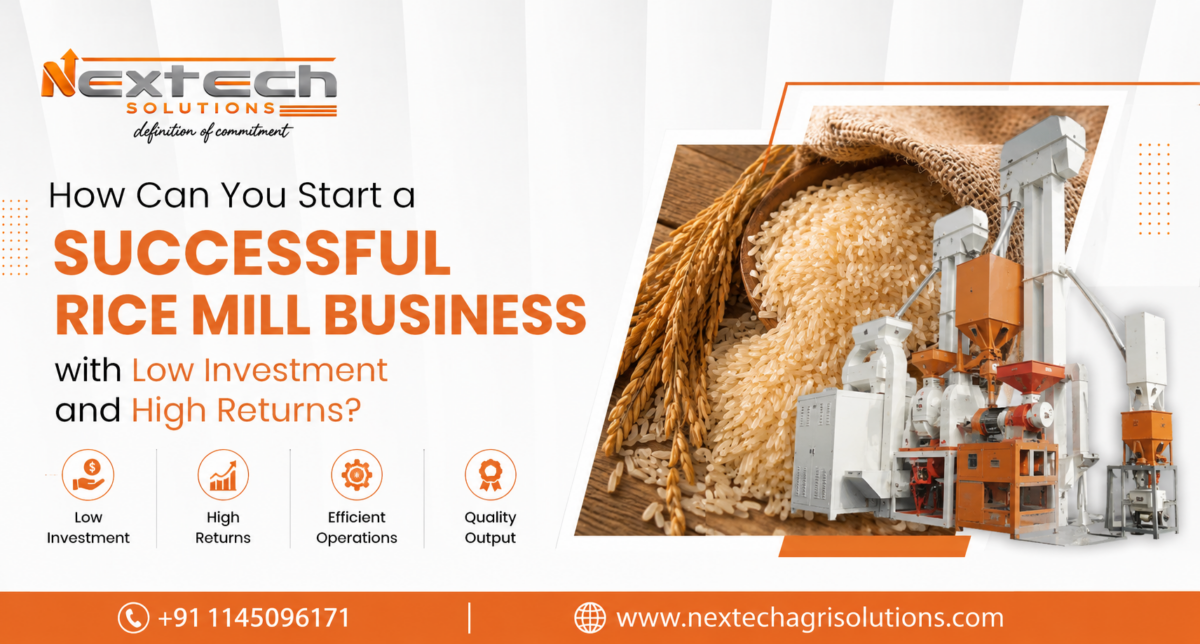
How Can You Start a Successful Rice Mill Business with Low Investment and High Returns?

Introduction

If you’re planning to start a business but feeling confused about what will be stable and profitable, a rice mill business can be a solid option.

In India, rice is a daily necessity. Demand never really drops, which makes it a reliable market. The good part is, you don’t always need a huge investment to get started — with the right planning, you can begin small and still generate good returns.

In this guide, I’ll walk you through how you can start a rice mill business step by step and turn it into a profitable venture.


Why is the Rice Mill Business Profitable in India?

The simple reason — consistent demand.

India is one of the largest producers of rice in the world. Every year, a massive amount of paddy is produced, and it needs to be processed before it reaches consumers.

That’s where your business comes in.

You process raw paddy into ready-to-sell rice — and that processing is where your profit lies.

  • Demand is always there
  • Supply is continuous
  • Market is stable

That’s why this business is considered a safe long-term opportunity.


Types of Rice Mill – Which One Should You Choose?

Many beginners make the mistake of thinking big from day one.

Instead, you should start based on your budget:

Small-Scale Rice Mill

Best for beginners.
Investment: around ₹10–25 lakh.

Medium-Scale Rice Mill

For those with a bit more budget or experience.
Investment: ₹25–50 lakh.

Large-Scale Rice Mill

Fully automated and high production.
Investment: ₹50 lakh and above.

👉 Practical advice: Start small, then scale gradually.


Step-by-Step: How to Start a Rice Mill Business

Let’s keep it simple and practical.

1. Understand Your Market

Don’t start blindly. Check local demand, competition, and supply.

2. Choose the Right Location

A good location means:

  • Easy access to paddy
  • Lower transportation cost

Rural areas usually work better.

3. Select the Right Machinery

This is where most people get confused.

Basic machines include:

  • Cleaner
  • Huller
  • Polisher
  • Separator

You don’t need everything at once — start according to your budget.

4. Get Required Licenses

Don’t skip this part:

  • FSSAI License
  • GST Registration
  • Local factory approvals

5. Build a Raw Material Network

If you have strong connections with farmers, your business becomes much easier to run.


How to Start a Rice Mill Business with Low Investment

Now the most important part — keeping your costs low.

If you’re on a tight budget, here’s what you can do:

  • Go for semi-automatic machines instead of fully automatic ones
  • Lease or rent land instead of buying
  • Start with a smaller production capacity
  • Source paddy directly from local farmers

👉 These small decisions can significantly reduce your initial investment and risk.


Rice Mill Machinery Cost & Buying Tips

The cost depends on what you choose.

A rough idea:

  • Small setup: ₹5–15 lakh
  • Medium setup: ₹20–50 lakh
  • Large setup: ₹50 lakh+

But don’t focus only on price.

Also consider:

  • Power consumption
  • Maintenance cost
  • After-sales service

Sometimes cheaper machines cost more in the long run.


How Much Profit Can You Make?

Let’s understand with a simple example:

  • 1 ton of paddy gives around 650 kg of rice
  • Selling price: approx ₹40/kg
  • Cost: ₹32–36/kg

👉 Profit: around ₹4–₹8 per kg

If you process 100 tons per month:

👉 You could earn around ₹4–8 lakh per month (approx)

As your scale increases, your profit grows too.


Common Mistakes to Avoid

This is where many beginners go wrong:

  • Choosing the wrong machinery
  • Ignoring electricity costs
  • Not building a proper supplier network
  • Skipping regular maintenance

Avoiding these mistakes already puts you ahead of many others.


Frequently Asked Questions

What is the minimum investment required to start a rice mill business?

You can start a small rice mill with around ₹10–25 lakh, depending on your setup and location.

Is the rice mill business profitable in India?

Yes, because demand is constant and processing margins are stable.

How much space is required?

A small rice mill usually needs around 2000–5000 sq. ft.


Conclusion

The rice mill business is not a risky or complicated startup — it’s a practical and proven business model.

If you start small, plan smartly, and grow gradually, it can become a strong and stable source of income over time.

👉 One simple rule:
Don’t rush to grow fast — focus on building a strong foundation first.

How Advanced Grain Milling Solutions Improve Productivity and Profit

Introduction

Aaj ke competitive food processing market mein sirf production karna enough nahi hai — smart production karna zaroori hai. Isi wajah se modern Grain Milling Solutions ka demand kaafi fast grow kar raha hai. Chahe aap rice mill business start karna chahte ho, wheat flour unit chalate ho, ya dal processing plant expand kar rahe ho, advanced milling systems directly productivity aur profit dono ko impact karte hain.

Simple language mein bolein toh, “jitni kam wastage aur jitni zyada efficiency, utna better profit.” Aur modern grain milling technology exactly isi problem ko solve karti hai.

Aaj ki milling industry automation, quality control, aur energy efficiency par focus kar rahi hai. Businesses jo smart technology adopt kar rahe hain, woh faster growth aur better customer trust build kar pa rahe hain. Is article mein hum practical examples ke saath samjhenge ki advanced Grain Milling Solutions kaise productivity improve karte hain aur long-term profitability increase karte hain.


Why Modern Grain Milling Solutions Are Important

Traditional milling plants mein kaafi manual work hota tha. Machines basic hoti thi, downtime common hota tha, aur final product quality bhi inconsistent rehti thi. Result? Time loss, higher labor cost, aur customer complaints.

Lekin modern Grain Milling Solutions ne milling industry ko completely transform kar diya hai.

Aaj advanced milling plants:

  • Faster processing karte hain
  • Grain wastage reduce karte hain
  • Product quality improve karte hain
  • Energy consumption control karte hain
  • Labor dependency kam karte hain

For example, ek medium-scale rice mill owner ne old grading machine replace karke automatic sorting system install kiya. Pehle broken rice percentage zyada tha aur market value kam mil rahi thi. Upgrade ke baad quality improve hui aur export-level buyers attract hone lage.

Yahi difference modern technology create karti hai.


How Automation Improves Productivity

Automation milling industry ka sabse important upgrade maana jaata hai. Jab repetitive tasks machines handle karti hain, toh speed aur accuracy naturally improve ho jaati hai.

Modern milling plants mein:

  • Automatic feeders
  • Conveyor systems
  • Sensor-based cleaning machines
  • Digital moisture control systems
  • Smart packaging units

jaise solutions use hote hain.

Faster Production with Less Human Error

Manual operations mein mistakes aur delays common hote hain. Lekin automation systems continuous workflow maintain karte hain.

Maan lijiye ek flour mill daily 40 tons grain process karta hai. Manual cleaning aur sorting mein kaafi time lagta hai. Automated systems install karne ke baad:

  • Processing speed increase hoti hai
  • Downtime reduce hota hai
  • Product consistency improve hoti hai

Bilkul waise hi jaise manual billing se barcode system par switch karne se supermarket ka workflow fast ho jaata hai.


Better Grain Quality Means Better Market Value

Food processing industry mein quality hi brand reputation build karti hai. Agar grain quality consistent ho, toh buyers automatically trust develop karte hain.

Advanced grain processing equipment grains ko:

  • Better clean karta hai
  • Accurate size grading provide karta hai
  • Broken grains separate karta hai
  • Dust aur impurities remove karta hai

Isse final product ka appearance aur shelf value dono improve hote hain.

Real Industry Observation

Bahut saare mill owners sirf production quantity par focus karte hain. Lekin experienced consultants jaante hain ki market long-term mein quality consistency ko reward karta hai.

“Naam banana mushkil hota hai, lekin kharab hona bahut aasaan.”

Aaj buyers specially:

  • Uniform grain size
  • Clean packaging
  • Low moisture content
  • Better finishing

par focus karte hain.

Isi liye modern sorting aur grading systems milling business ke liye extremely important ban gaye hain.


Energy-Efficient Milling Systems Increase Profit

Electricity cost milling plants ka major operational expense hota hai. Old machinery zyada power consume karti hai aur maintenance cost bhi high hoti hai.

Modern industrial milling solutions energy efficiency ko dhyan mein rakhkar design ki jaati hain.

Benefits of Energy-Efficient Systems

Advanced systems:

  • Lower electricity bills generate karte hain
  • Machine overheating reduce karte hain
  • Equipment lifespan increase karte hain
  • Maintenance expenses kam karte hain

Example ke liye, ek dal mill plant ne outdated motors replace karke energy-efficient machines install ki. Result?

  • Monthly electricity expense 20% tak reduce hua
  • Machine performance improve hui
  • Operational stability better hui

Kai baar businesses sirf machine ki initial cost dekhte hain, lekin smart investment wahi hoti hai jo long-term savings create kare.


Reduced Wastage Helps Increase Profitability

Milling industry mein raw material wastage directly profit ko affect karta hai. Chhota percentage difference bhi annual profit mein huge impact create kar sakta hai.

Modern milling plant automation systems wastage control karne mein important role play karte hain.

How Modern Systems Reduce Losses

Advanced technology:

  • Grain breakage reduce karti hai
  • Accurate moisture maintain karti hai
  • Dust loss control karti hai
  • Better separation provide karti hai

Practical Example

Ek rice processing unit mein improper drying process ki wajah se grains crack ho rahe the. Consultant ne moisture control system recommend kiya. Sirf drying optimization se broken rice ratio significantly reduce ho gaya.

Result:

  • Better market rates
  • Less product rejection
  • Higher customer satisfaction

Kabhi-kabhi profit increase karne ke liye sales double karna zaroori nahi hota — unnecessary losses control karna hi kaafi hota hai.


Why Plant Layout Planning Matters

Kaafi business owners expensive machines purchase kar lete hain, lekin plant layout planning ignore kar dete hain. Yeh ek common aur costly mistake hai.

Good Grain Milling Solutions sirf machinery nahi hote — proper workflow design bhi equally important hota hai.

Advantages of Smart Plant Layout

Proper layout planning:

  • Smooth material flow maintain karti hai
  • Worker movement easy banati hai
  • Maintenance access improve karti hai
  • Processing delays reduce karti hai
  • Safety standards maintain karti hai

For example, agar unloading section aur processing unit ka flow proper na ho, toh unnecessary handling aur time loss increase hota hai.

Experienced milling consultants pehle workflow analyze karte hain, uske baad machinery placement recommend karte hain.

Ye bilkul ghar planning jaisa hai — sirf expensive furniture se ghar practical nahi ban jaata.


How Small Businesses Can Compete Using Modern Technology

Pehle advanced milling technology sirf large factories use karti thi. Lekin ab modular systems aur customized machinery ki wajah se small businesses bhi modern upgrades afford kar pa rahe hain.

Aaj small-scale milling units bhi:

  • Color sorting systems
  • Automated packaging
  • Smart grain cleaning
  • Digital monitoring tools

use kar rahe hain.

Competitive Advantage for Small Mills

Agar product quality achhi ho aur delivery consistent ho, toh customers ko fark nahi padta ki plant small hai ya large.

Aaj ka market smart businesses ko reward karta hai.

Technology ki wajah se small milling businesses bhi:

  • Premium buyers attract kar sakte hain
  • Export-quality products bana sakte hain
  • Better profit margins achieve kar sakte hain

Choosing the Right Milling Consultant

Technology important hai, lekin right consultant choose karna usse bhi zyada important hota hai.

A good milling consultant:

  • Business goals samajhta hai
  • Budget-friendly solution suggest karta hai
  • Future expansion plan karta hai
  • Safety standards follow karta hai
  • Proper installation support provide karta hai

Wrong machinery selection future mein heavy maintenance aur operational losses create kar sakta hai.

“Do baar kharcha karne se better hai ek baar sahi decision lena.”


Conclusion

Aaj ke modern food processing market mein advanced Grain Milling Solutions business growth ka powerful tool ban chuke hain. Automation, better quality control, energy savings, reduced wastage, aur smart plant planning directly productivity aur profitability improve karte hain.

Chahe aap ek new rice mill setup kar rahe ho ya existing flour plant upgrade karna chahte ho, modern technology aur proper consulting long-term success ke liye bahut important hai.

Market fast change ho raha hai, aur jo businesses smart systems adopt karenge wahi future mein zyada stable aur profitable rahenge.

Agar aap apne milling business ko next level par le jaana chahte hain, toh abhi se advanced Grain Milling Solutions explore karna start kijiye. Sahi planning aur right technology aapke business ka pura growth journey change kar sakti hai.

How to Increase Profit in a Rice Mill Business

The Rice Mill Business is one of the most profitable segments in the agro-processing industry, especially in a country like India where rice is a staple food. However, many mill owners struggle to maximize profits due to inefficient processes, outdated machinery, and poor planning.

Increasing profitability is not just about producing more—it’s about optimizing operations, reducing wastage, improving quality, and adopting modern technologies. With the right strategies and expert support from companies like Nextech, businesses can significantly improve their output and revenue.

What Drives Profit in a Rice Mill Business?

Before improving profits, it’s important to understand the key factors that impact the Rice Mill Business.

Key Profit Drivers

  • Milling efficiency
  • Grain quality
  • Operational cost control
  • Storage management
  • Market demand

By focusing on these areas, mill owners can create a strong foundation for long-term profitability.

1. Optimize Rice Mill Layout for Efficiency

One of the most overlooked factors in the Rice Mill Business is plant layout. A well-designed Rice Mill Layout Plant ensures smooth workflow and reduces operational delays.

Benefits of Optimized Layout

  • Reduced material handling time
  • Lower labor costs
  • Improved productivity
  • Better space utilization

Working with experienced Rice Mill Engineers & Designers can help you create an efficient setup that minimizes waste and maximizes output.

2. Invest in Advanced Grain Milling Solutions

Technology plays a major role in improving efficiency and profitability. Modern Grain Milling Solutions help reduce grain breakage and improve yield.

Advantages

  • Higher production capacity
  • Better rice quality
  • Reduced energy consumption
  • Consistent output

Upgrading your equipment is one of the most effective ways to scale your Rice Mill Business.

3. Improve Storage with Silo Systems

Storage is a critical factor in maintaining grain quality and reducing losses.

Why Storage Matters

Poor storage leads to:

  • Moisture damage
  • Pest infestation
  • Quality degradation

Working with a Storage Silo Consultant or Storage Silo Project Consultant ensures proper storage planning and implementation.

Benefits of Silo Systems

  • Long-term grain preservation
  • Reduced wastage
  • Better inventory control
  • Improved operational efficiency

4. Reduce Wastage and Increase Yield

Maximizing yield is essential for increasing profit in the Rice Mill Business.

Strategies to Reduce Wastage

  • Use high-quality machinery
  • Train workers properly
  • Monitor processing stages
  • Maintain equipment regularly

Even a small reduction in wastage can significantly impact overall profitability.

5. Focus on Quality and Branding

High-quality rice commands better prices in the market.

How to Improve Quality

  • Use advanced polishing and grading systems
  • Maintain hygiene standards
  • Ensure proper packaging

A strong brand identity helps you stand out in a competitive market and increases customer trust.

6. Work with Expert Rice Mill Consultants

Hiring a Rice Mill Consultant can provide valuable insights into improving operations and profitability.

What Consultants Offer

  • Process optimization
  • Cost reduction strategies
  • Technology recommendations
  • Market insights

Expert guidance can help you avoid costly mistakes and accelerate growth.

7. Automate Operations

Automation is becoming essential in modern rice mills.

Benefits of Automation

  • Reduced labor dependency
  • Faster processing
  • Consistent quality
  • Lower operational costs

Integrating automation into your Rice Mill Business can significantly improve efficiency and profitability.

8. Manage Operational Costs Effectively

Controlling costs is as important as increasing production.

Key Areas to Monitor

  • Energy consumption
  • Labor costs
  • Maintenance expenses
  • Raw material sourcing

Efficient cost management directly improves profit margins.

9. Expand Market Reach

To increase revenue, businesses must explore new markets.

Strategies

  • Export opportunities
  • Online sales channels
  • Partnerships with distributors
  • Direct-to-consumer sales

Expanding your reach helps you scale your Rice Mill Business and increase profitability.

10. Regular Maintenance and Upgrades

Neglecting maintenance can lead to breakdowns and losses.

Importance of Maintenance

  • Prevents downtime
  • Improves equipment lifespan
  • Ensures consistent performance

Regular upgrades keep your business competitive in the market.

Why Choose Nextech for Rice Mill Solutions?

Nextech is a trusted name in providing advanced solutions for the Rice Mill Business in India.

Key Advantages

  • Expertise in Grain Milling Solutions
  • Professional Rice Mill Engineers & Designers
  • Advanced storage solutions with silo systems
  • Customized plant layout design
  • End-to-end project support

Their experience as a Storage Silo Consultant and Rice Mill Consultant ensures that businesses get reliable and scalable solutions.

Common Mistakes to Avoid

Many rice mill owners face losses due to avoidable mistakes.

Avoid These Errors

  • Using outdated machinery
  • Poor storage management
  • Ignoring maintenance
  • Lack of planning
  • Not investing in technology

Avoiding these mistakes can significantly improve profitability.

Future Trends in the Rice Mill Business

The industry is evolving with new technologies and innovations.

Emerging Trends

  • Smart milling systems
  • Energy-efficient machinery
  • Automated storage solutions
  • Digital monitoring systems

Adopting these trends can help businesses stay competitive and profitable.

FAQs

1. How can I increase profit in a rice mill business?

You can increase profit by improving efficiency, reducing wastage, upgrading machinery, and optimizing storage systems.

2. What is the role of a rice mill consultant?

A Rice Mill Consultant helps optimize processes, reduce costs, and improve overall efficiency.

3. Why is storage important in rice mills?

Proper storage prevents grain damage, reduces losses, and maintains quality.

4. What are grain milling solutions?

Grain Milling Solutions include advanced technologies and equipment that improve rice processing efficiency and output quality.

5. Where can I find reliable rice mill solutions in India?

You can choose Nextech for advanced and customized solutions for rice mills.

Conclusion

Increasing profit in a Rice Mill Business requires a strategic approach that combines technology, efficiency, and proper planning. From optimizing plant layout to investing in advanced milling solutions and storage systems, every step plays a crucial role in improving profitability.

By partnering with experts like Nextech, businesses can implement reliable and scalable solutions that ensure long-term success in a competitive market.

Latest Technology and Equipment Used in the Rice Mill Business

The Rice Mill Business has evolved significantly over the years, moving from traditional processing methods to highly advanced and automated systems. With increasing demand for high-quality rice and efficient production, modern rice mills are now integrating cutting-edge technologies to improve productivity, reduce wastage, and ensure consistent output.

In today’s competitive market, adopting the latest equipment is not just an option—it is a necessity. From automated sorting systems to advanced storage solutions like silos, technology is transforming how rice mills operate. Companies like Nextech are leading this transformation by providing innovative solutions tailored to modern agricultural and industrial needs.

What is the Rice Mill Business?

The Rice Mill Business involves processing raw paddy into consumable rice through a series of steps such as cleaning, husking, polishing, grading, and packaging.

A modern rice mill factory uses advanced machinery to ensure precision and efficiency at every stage. Unlike traditional mills, today’s systems focus on minimizing grain breakage, improving yield, and maintaining quality standards.

Why Technology is Important in the Rice Mill Business

Technology plays a crucial role in improving efficiency and profitability in the Rice Mill Business.

Key Benefits

  • Higher production capacity
  • Reduced manual labor
  • Improved rice quality
  • Lower operational costs
  • Better storage and inventory management

Modern rice mills that adopt advanced technology gain a competitive advantage in both local and global markets.

Latest Technology Used in Rice Mills

1. Automated Paddy Cleaning Systems

Cleaning is the first step in rice processing. Advanced cleaning machines remove dust, stones, and impurities efficiently.

These systems ensure that only high-quality paddy enters the processing stage, improving the overall output of the Rice Mill Business.

2. High-Efficiency Rice Whitener & Polisher

Modern rice mills use advanced whitening and polishing machines to improve the appearance and texture of rice.

This is especially important for producing premium-quality rice, including par boiled rice, which requires precise processing techniques.

3. Color Sorters

Color sorting machines use optical sensors and AI-based technology to separate defective grains from high-quality ones.

This technology ensures consistency and enhances the value of the final product, making it essential for modern rice mill factory operations.

4. Automatic Grading Systems

Grading machines classify rice based on size, shape, and quality.

These systems help maintain uniformity, which is crucial for branding and meeting market standards in the Rice Mill Business.

5. Advanced Packaging Machines

Automated packaging systems improve efficiency and ensure proper sealing, labeling, and hygiene.

They also reduce manual errors and enhance the overall presentation of the product.

Equipment Used in Modern Rice Mills

1. Paddy Husker

The husker removes the outer shell from paddy grains. Modern huskers are designed to reduce grain breakage and improve yield.

2. Rice Separator

This equipment separates brown rice from unprocessed paddy, ensuring efficient processing.

3. Rice Polisher

Polishers enhance the appearance of rice, making it more appealing in the market.

This is particularly important when promoting white rice benefits, as polished rice is commonly consumed worldwide.

4. Silos for Storage of Grains

Storage is a critical part of the Rice Mill Business.

Using silos for storage of grains ensures:

  • Protection from moisture
  • Reduced contamination
  • Better inventory management
  • Long-term preservation

Companies like Nextech provide advanced silo solutions that help rice mills maintain grain quality and reduce losses.

Role of Automation in Rice Mills

Automation is revolutionizing the Rice Mill Business by reducing dependency on manual labor and increasing efficiency.

Benefits of Automation

  • Faster processing
  • Consistent quality
  • Reduced human error
  • Improved safety
  • Lower operational costs

Modern rice mills are increasingly adopting automated systems to stay competitive in the industry.

Quality Control and Food Safety Technology

Maintaining quality is essential in the Rice Mill Business.

Advanced testing and monitoring systems ensure that rice meets food safety standards. These technologies help maintain the nutritional value of rice, including various rice health benefits.

Consumers today are more aware of the benefits of eating rice, making quality control even more important.

Future Trends in the Rice Mill Business

The future of the Rice Mill Business is driven by innovation and sustainability.

Emerging Trends

  • AI-based quality inspection
  • Smart storage systems
  • Energy-efficient machinery
  • Digital monitoring systems
  • Eco-friendly processing methods

Businesses adopting these technologies are better positioned for long-term success.

Why Choose Nextech for Rice Mill Solutions

When it comes to advanced solutions for the Rice Mill Business, Nextech stands out as a reliable partner.

Key Advantages

  • Advanced machinery and equipment
  • Customized solutions for rice mills
  • High-quality storage systems
  • Expert technical support
  • Scalable solutions for growing businesses

Their expertise in providing silos for storage of grains and modern processing equipment makes them a preferred choice for rice mill owners.

Common Mistakes to Avoid

Even with advanced technology, mistakes can impact performance.

Avoid These Errors

  • Using outdated machinery
  • Poor storage management
  • Ignoring quality control
  • Lack of automation
  • Improper maintenance

Avoiding these mistakes can significantly improve efficiency and profitability in the Rice Mill Business.

FAQs

1. What is the Rice Mill Business?

The Rice Mill Business involves processing raw paddy into consumable rice using modern machinery and equipment.

2. What are the latest technologies used in rice mills?

Modern rice mills use automated cleaning systems, color sorters, grading machines, and advanced storage solutions like silos.

3. Why are silos important in rice mills?

Silos for storage of grains help protect rice from moisture, pests, and contamination while ensuring long-term storage.

4. How does automation improve rice mills?

Automation increases efficiency, reduces labor costs, and ensures consistent quality in rice production.

5. Which company provides advanced rice mill solutions?

Nextech offers innovative solutions, including modern equipment and storage systems, for efficient rice mill operations.

Conclusion

The Rice Mill Business is rapidly evolving with the integration of advanced technology and modern equipment. From automated processing systems to smart storage solutions, these innovations are helping businesses improve efficiency, reduce costs, and maintain high-quality standards.By partnering with trusted providers like Nextech, rice mill owners can implement reliable and scalable solutions that meet the demands of today’s market and ensure long-term success.

How Storage Silos Improve Parboiled Rice Quality and Shelf Life

The rice industry has evolved significantly with the adoption of modern processing and storage technologies. One of the biggest challenges faced by rice mill owners is maintaining grain quality after processing. Improper storage can lead to moisture buildup, pest infestation, and nutrient loss, ultimately affecting the final product quality.

For businesses involved in producing Parboiled Rice, advanced storage systems such as grain silos play a crucial role in preserving freshness and improving shelf life. Companies like Nextech Agri Solutions are helping rice millers adopt efficient storage technologies that enhance both product quality and operational efficiency.

In this blog, we will explore how storage silos improve rice quality, extend shelf life, and support the overall rice milling industry.

Understanding Parboiled Rice and Its Processing

Before understanding the importance of storage silos, it is essential to know what Parboiled Rice is and how it is processed.

Parboiled rice is partially boiled in the husk before milling. This process helps transfer nutrients from the outer bran layer into the grain, making the rice more nutritious and durable during milling.

The parboiled rice process typically includes three main steps:

  1. Soaking – Paddy is soaked in warm water to increase its moisture level.
  2. Steaming – The soaked paddy is steamed to gelatinize the starch and lock nutrients inside the grain.
  3. Drying and Milling – The grains are dried before undergoing the rice milling process where husk and bran layers are removed.

Because the grains go through heat and moisture treatment, proper storage becomes extremely important to maintain quality after processing.

The Role of Storage Silos in Rice Mills

Traditional storage methods such as warehouses and jute bags often fail to protect grains from environmental factors. Modern grain silos, on the other hand, provide controlled storage conditions that protect rice from moisture, pests, and contamination.

For every modern rice mill, investing in proper storage infrastructure is essential to maintain consistent product quality.

Storage silos offer several advantages:

  • Controlled temperature and humidity
  • Protection against insects and rodents
  • Reduced grain spoilage
  • Efficient bulk storage
  • Better inventory management

These benefits directly impact the quality and shelf life of Parboiled Rice.

How Storage Silos Improve Parboiled Rice Quality

Quality is one of the most important factors that determines market value in the rice industry. Improper storage can cause grain discoloration, fungal growth, and loss of aroma.

Here is how silos help maintain the quality of Parboiled Rice.

1. Moisture Control

Moisture is one of the biggest threats to rice quality. Excess moisture can lead to mold growth and spoilage.

Storage silos are equipped with ventilation systems that regulate humidity and airflow. This helps maintain ideal moisture levels, ensuring that Parboiled Rice remains fresh and safe for consumption.

2. Protection from Pest Infestation

Traditional storage methods often expose rice to insects and rodents. Pest contamination can damage grains and reduce their market value.

Modern silos provide sealed environments that prevent pest entry, ensuring that the stored Parboiled Rice remains protected for longer periods.

3. Maintaining Grain Structure

During the rice milling process, grains can become fragile due to heat and mechanical stress. Poor storage conditions may cause breakage and reduce rice quality.

Silos store grains in bulk without excessive pressure, helping maintain the structural integrity of the rice kernels.

Extending Shelf Life Through Proper Storage

One of the biggest advantages of using silos is the ability to extend the shelf life of rice products.

When rice is stored in uncontrolled environments, it may lose its nutritional value and develop unpleasant odors. Properly managed silos provide stable storage conditions that help maintain grain quality for longer durations.

This is particularly beneficial for producers dealing with Parboiled Rice, as it allows them to store large quantities without compromising quality.

Longer shelf life also enables millers to manage market supply efficiently and reduce product losses.

Supporting the Growth of the Rice Milling Industry

The global demand for rice continues to grow, making efficient processing and storage systems increasingly important. For entrepreneurs planning to enter the rice mill business, investing in modern storage infrastructure is a smart long-term decision.

A well-structured rice mill business plan should always include advanced storage solutions such as silos. Proper grain storage not only protects the product but also improves operational efficiency.

With the right infrastructure in place, businesses can maintain consistent quality and meet the demands of large-scale buyers and export markets.

The Importance of Expert Guidance in Rice Mill Setup

Setting up a rice mill requires careful planning and technical expertise. From machinery selection to storage infrastructure, every stage plays a crucial role in determining the final product quality.

This is where professional guidance from an experienced rice mill consultant becomes valuable. Experts help businesses design efficient milling systems, optimize the parboiled rice process, and implement modern storage solutions.

Organizations like Nextech Agri Solutions support rice mill owners by providing advanced engineering solutions and industry expertise.

Nutritional Value and Benefits of Rice

Rice remains one of the most important staple foods worldwide. The benefits of rice include providing essential carbohydrates, energy, and nutrients that support daily dietary needs.

Parboiled varieties are particularly valued because they retain more nutrients compared to regular white rice. The steaming stage of the process helps move vitamins and minerals from the outer layers into the grain.

This makes Parboiled Rice a healthier option while also improving cooking characteristics such as firmness and reduced stickiness.

Understanding the Rice Production Cycle

For anyone entering the rice industry, understanding crop production is also important. Many entrepreneurs often ask how long does it take rice to grow before it reaches the processing stage.

Typically, rice crops take around 3 to 6 months to mature depending on the variety and climatic conditions. After harvesting, the paddy is transported to processing facilities where it undergoes drying, parboiling, and milling.

Proper post-harvest handling and storage ensure that the final rice product maintains high quality from farm to market.

Final Thoughts

Modern storage infrastructure is becoming an essential component of the rice processing industry. By adopting advanced silo systems, rice millers can protect grain quality, reduce losses, and improve operational efficiency.

For producers specializing in Parboiled Rice, storage silos provide controlled conditions that help maintain freshness, prevent contamination, and extend shelf life. These systems also support better inventory management and ensure consistent product quality.

With the support of experienced solution providers like Nextech Agri Solutions, rice mill businesses can implement advanced technologies that strengthen their operations and improve long-term profitability.

FAQs

1. What is Parboiled Rice and how is it different from regular rice?

Parboiled rice is rice that has been partially boiled in the husk before milling. This process helps retain nutrients and makes the grains stronger during milling.

2. How do storage silos improve rice quality?

Storage silos maintain controlled temperature and humidity levels, protecting rice from moisture, pests, and contamination, which helps preserve grain quality.

3. What is the rice milling process?

The rice milling process involves removing the husk and bran layers from paddy to produce edible rice while maintaining grain quality.

4. Why are silos important for rice mill businesses?

Silos help store large quantities of rice safely, reduce spoilage, improve inventory management, and maintain product quality.

5. How long does it take rice to grow before harvesting?

Rice typically takes about 3 to 6 months to grow depending on the variety, climate, and farming practices.

Scaling Your Grain Processing Operation: From Small Farm Mill to Commercial Production

The journey from operating a small farm mill to establishing a full-scale commercial grain processing facility represents one of agriculture’s most rewarding yet challenging transitions. As global food demand continues to rise and local food systems gain prominence, entrepreneurs are discovering unprecedented opportunities in grain processing. However, successful scaling requires careful planning, strategic investment, and a deep understanding of both technical and market dynamics.

Understanding the Market Landscape

The grain processing industry has experienced remarkable transformation over the past decade. Consumer preferences have shifted toward locally sourced, minimally processed grains, creating lucrative niches for mid-scale processors. This trend, combined with growing awareness of food security, has opened doors for entrepreneurs ready to bridge the gap between large industrial operations and small-scale farm mills.

Market research indicates that regional grain processing facilities often enjoy competitive advantages over massive industrial plants, including reduced transportation costs, fresher products, and stronger community connections. These factors create compelling business cases for scaling operations beyond simple farm-level processing.

Essential Infrastructure Considerations

Power and Utilities Planning

Transitioning from small-scale to commercial production demands significant infrastructure upgrades. Electrical systems must support heavy machinery, requiring three-phase power connections and backup generators to ensure continuous operation. Water requirements increase exponentially, necessitating reliable sources for cleaning, cooling, and processing applications.

Grain storage capacity becomes critical at commercial scales. Modern facilities require climate-controlled environments with proper ventilation systems to maintain grain quality throughout extended storage periods. Investment in high-capacity silos, conveyor systems, and automated handling equipment becomes essential for efficient operations.

Processing Equipment Selection

Choosing appropriate grain milling solutions marks a pivotal decision in scaling operations. Commercial-grade equipment offers dramatically improved efficiency, consistency, and throughput compared to farm-level mills. However, equipment selection must align with specific grain types, processing volumes, and end-product requirements.

Modern processing lines incorporate sophisticated cleaning systems, grading equipment, and quality control mechanisms that ensure consistent output meeting commercial standards. These systems often include automated monitoring capabilities that track moisture content, foreign material levels, and processing efficiency in real-time.

Financial Planning and Investment Strategy

Capital Requirements Assessment

Scaling grain processing operations typically requires substantial capital investment. Equipment costs alone can range from hundreds of thousands to several million dollars, depending on processing capacity and automation levels. Additional expenses include facility construction or renovation, utility connections, regulatory compliance, and working capital for inventory and operations.

Successful entrepreneurs often pursue phased expansion strategies, implementing modular systems that allow gradual capacity increases as demand grows. This approach reduces initial capital requirements while providing flexibility to adapt to market conditions and operational experience.

Revenue Diversification Opportunities

Commercial grain processing operations benefit from multiple revenue streams beyond basic milling services. Value-added products such as specialty flours, organic grains, and custom processing services command premium pricing. Many successful operations also develop direct-to-consumer sales channels, farmer cooperatives, and wholesale distribution networks.

The rice mill business, in particular, offers excellent scalability potential due to consistent demand and established market channels. Rice processing generates multiple products including various grain grades, broken rice for animal feed, and rice bran for oil extraction or livestock nutrition.

Regulatory Compliance and Quality Standards

Food Safety Requirements

Commercial grain processing facilities must comply with stringent food safety regulations including FDA guidelines, HACCP protocols, and local health department requirements. These standards govern everything from facility design and equipment specifications to employee training and record-keeping procedures.

Implementing comprehensive quality management systems becomes essential for maintaining certifications and customer confidence. Many operations pursue additional certifications such as organic processing, kosher compliance, or fair trade standards to access premium markets.

Environmental Considerations

Modern grain processing operations must address environmental impacts including dust control, wastewater management, and energy efficiency. Regulatory compliance often requires investment in pollution control equipment, environmental monitoring systems, and sustainable processing practices.

Technology Integration and Automation

Process Optimization Systems

Advanced rice mill plant operations increasingly rely on automated systems for quality control, inventory management, and production optimization. These technologies include moisture analyzers, color sorters, and integrated control systems that monitor and adjust processing parameters in real-time.

Investing in modern technology reduces labor costs, improves product consistency, and provides detailed operational data for continuous improvement initiatives. Many facilities implement enterprise resource planning systems that integrate production, inventory, sales, and financial management functions.

Digital Marketing and Customer Engagement

Successful commercial operations leverage digital platforms for marketing, customer communication, and order management. Online presence becomes crucial for reaching broader markets and building brand recognition beyond local communities.

Building Strategic Partnerships

Supply Chain Development

Establishing reliable grain supply chains requires developing relationships with multiple farmers, grain elevators, and transportation providers. Successful operations often implement contract growing programs that ensure consistent raw material supply while providing farmers with guaranteed markets.

Nextech Agri Solutions recognizes that strong partnerships extend beyond supply chains to include equipment manufacturers, financial institutions, and technical service providers. These relationships provide ongoing support for equipment maintenance, operational optimization, and business development.

Conclusion

Scaling grain processing operations from farm-level to commercial production represents a significant entrepreneurial opportunity requiring careful planning, substantial investment, and operational excellence. Success depends on understanding market dynamics, implementing appropriate technology, maintaining regulatory compliance, and building strong partnerships throughout the value chain.

With proper planning and execution, entrepreneurs can build profitable operations that serve growing demand for locally processed grains while contributing to regional food security and economic development. The key lies in balancing growth ambitions with operational capabilities while maintaining focus on quality, efficiency, and customer satisfaction.

The Advantages of grain milling services

The contemporary world is shifting away from processed, ready-made meals in favour of healthier, more natural alternatives. One method for doing this is to mill your grains at home. Grain milling has been used for millennia and is still in use today. Grain Milling Solutions have several benefits, which is why they remain popular. It provide several benefits to individuals in the agriculture business. This blog article will discuss some advantages of adopting grain milling systems, such as improved efficiency and production. The following are some of the benefits of grain milling solutions:

Better nutrient absorption

When grains are milled, the protective outer covering of the grain is broken down, making it harder for the body to absorb the nutrients—milling the grains aids in the absorption of nutrients by the body. Milling grains break down the rough, fibrous components of the grain, making them simpler to digest. Milled grains are less prone to produce digestive issues such as gas and bloating. Reduced blood sugar levels: Because whole grains break down slowly into sugar, they significantly influence blood sugar levels more than processed carbohydrates. This is particularly advantageous for persons who have diabetes or insulin resistance. It may also improve heart health, weight reduction, and the environment.

Better digestion

Grain Milling Services may also aid in digestion. Grain milling breaks down carbs and fibre, making them more straightforward for the body to digest. It aid digestion by breaking down the plant cell walls of grains, allowing the body to absorb nutrients more efficiently. Reduced inflammation: By breaking down gluten and other inflammatory proteins, It may help to reduce inflammation throughout the body. Recovery from stomach problems it may also help with digestive problems, including celiac disease, irritable bowel syndrome, and Crohn's disease.

Grain that is more uniformly cooked

Milled grains cook more uniformly, resulting in superior taste and texture. When milled grains are exposed to more heat, which helps them cook more evenly. Grain milling systems provide more uniformly cooked grains, which may be advantageous for several reasons. For one thing, uniformly cooked grains are more digestible and less likely to cause stomach troubles. Furthermore, uniformly cooked grains are less likely to contain dangerous chemicals that might cause foodborne sickness. Finally, uniformly cooked grains taste better and are more delightful to consume. However, there are very few drawbacks to grain grinding technologies. One disadvantage is that they are often more costly than conventional cooking techniques.

Improved flavour

The process of grinding grains also helps to enhance their taste. In rice mill business and others, grains helps to release essential oils and minerals, which may enhanIce grain taste. One of the critical benefits of grain milling is that it may improve the taste of food products. Milling may liberate trapped oils and other tasty ingredients that would otherwise be difficult to obtain. This might result in a stronger-flavoured final product. Nutritional enhancements another benefit of grain milling it might provide. Milling may aid in the digestion of difficult-to-digest components in grains, making them more accessible to the body.

Conclusion

Grain Milling Services offers several benefits to the agriculture business. One of its key features is that it provides consistent grind quality. It implies that farmers can consistently provide a product that fits the demands of their customers. Furthermore, grain milling may assist in extending the shelf life of items by grinding them to the proper size. This may assist in decreasing waste and enhance the agriculture industry’s overall efficiency.

Grain Milling Plant Design: Key Considerations for a Seamless Setup

Establishing a grain milling plant is a major investment that calls for deliberate planning and professional implementation. Whether you’re concentrating on rice, wheat, or pulses, a well-planned milling plant can contribute significantly to operational efficiency, product quality, and profitability. In this article, we discuss the critical factors to think about when designing a grain milling plant for a smooth and sustainable setup.

Understanding the Scope of Your Milling Project

Defining the scope of the project is crucial before embarking on technical design. This involves:

Type of Grain: Will you be processing rice, wheat, maize, or a mix?

Scale of Operation: Are you aiming for small-scale, medium, or an industrial-scale facility?

Target Market: Knowing your end-user needs assists in planning processing capacity and packaging.

Understanding these factors will inform all other decisions in plant design and see to it that the ultimate arrangement satisfies both production and market needs.

Site Selection and Layout Planning

Selecting an appropriate location for your plant is essential. A well-chosen site lowers transportation expenses, simplifies logistics, and guarantees reliable power and water supply.

Some of the key factors are:

Proximity to raw materials: Being near rice paddies or grain sources reduces transport times.

Accessibility: Convenient access to roads, highways, and ports if you will be exporting.

Space and Expansion: Design for future expansion by choosing a location that will accommodate layout expansion without interfering with ongoing operations.

Customized Plant Design and Engineering

The heart of any successful grain milling solutions venture is its customized design. It’s crucial to make the layout tailored to your production requirements, automation level, and budget.

Important design factors to keep in mind:

Material Flow: Provide a clean and logical material flow from intake to packaging.

Energy Efficiency: Invest in machines that provide high output with low energy usage.

Hygiene and Safety: The design should facilitate easy cleaning, dust suppression, and safe working spaces.

Automation Level: Determine the level of plant operations to be automated according to your manpower and budget.

Collaborating with veteran consultants such as Nextech Agri Solutions can assist in bringing your design in line with international standards while accounting for regional limitations.

Technology and Equipment Selection

Equipment is perhaps one of the most critical elements of any grain milling installation. Selecting the proper equipment ensures not only high-quality produce but also long-term dependability and cost-effectiveness.

Minimum requirements are:

  • Pre-cleaners and Destoners
  • Milling Machines (Rubber Roll Sheller, Whitener, etc.)
  • Grading and Sorting Units
  • Color Sorters
  • Packaging Systems

It is also important to procure these machines from well-known manufacturers who provide robust after-sales support and service.

Compliance and Regulatory Requirements

Ensure your plant complies with all national and local regulations before you start operations.

This includes:

  • FSSAI (Food Safety and Standards Authority of India) Licensing
  • Environmental Clearances
  • Pollution Control Norms
  • Labour Law Compliance

Being compliant not only keeps you in legal limits but also improves your brand reputation and customer trust.

Manpower and Training

Even the most technologically sophisticated plants need skilled manpower. Training operators pays for itself by making the equipment operate more efficiently and keeping product losses to a minimum.

Training should encompass:

  • Equipment running and maintenance
  • Quality control procedures
  • Safety procedures
  • General troubleshooting

Recurring training sessions assist in enhancing productivity and decreasing downtime.

Cost Estimation and Budget Planning

Cost is usually the largest item in any milling installation. The budget must not only provide for machinery and construction but also:

  • Installation and Commissioning
  • Utility Connections (power, water, waste management)
  • Initial Raw Material Procurement
  • Marketing and Branding

A clear financial plan helps avoid unexpected expenses and keeps the project on track.

Post-Installation Support and Maintenance

After setup, the focus should shift to plant optimization and long-term maintenance. Regular audits, machine servicing, and performance monitoring help maintain efficiency and prolong equipment lifespan.

Reliable support systems and accessible spare parts reduce operational disruptions and improve overall plant uptime.

Conclusion

Creating a successful grain milling plant involves more than machinery and drawings. From choosing the right location and tailored layouts to compliance and qualified manpower, every step contributes to long-term success. For those who operate rice mills in India or developing an integrated rice mill project, bringing all these elements together mindfully guarantees operational excellence and competitiveness in the marketplace.

Proven partners such as Nextech Agri Solutions offer years of experience and technical know-how to optimize the whole process—ensuring smooth business transition from concept to commissioning with the appropriate grain milling solutions.

Maximizing Yield: The Role of a Rice Mill Consultant in Modernizing Your Facility

Introduction

In the competitive world of rice milling, achieving optimal efficiency and yield is crucial for success. As technology advances and market demands evolve, modernizing your rice mill facility can significantly enhance productivity and profitability. A rice mill consultant plays a pivotal role in this transformation, offering expertise and guidance to streamline operations and boost output.

The Importance of Modernizing Your Rice Mill

Modernizing a rice mill facility involves upgrading equipment, optimizing processes, and implementing advanced technologies. This not only improves efficiency but also ensures better quality rice production. A well-modernized mill can reduce waste, increase processing speed, and enhance overall product quality, giving your business a competitive edge.

How a Rice Mill Consultant Can Help

1. Assessment and Planning

A rice mill consultant starts by conducting a thorough assessment of your current operations. This includes evaluating equipment, processes, and overall facility layout. Based on this assessment, the consultant develops a customized modernization plan tailored to your specific needs. This plan outlines the necessary upgrades, potential challenges, and expected outcomes, ensuring a clear path to achieving your goals.

2. Technology Integration

One of the key aspects of modernization is integrating new technologies. Rice mill consultants have in-depth knowledge of the latest advancements in milling equipment and technology. They can recommend and implement state-of-the-art machinery that enhances efficiency and reduces operational costs. This includes advanced rice polishing machines, high-capacity huskers, and automated sorting systems.

3. Process Optimization

Optimizing milling processes is essential for maximizing yield and minimizing waste. Consultants analyze existing processes and identify areas for improvement. They may suggest changes in workflow, adjustments to machine settings, or the implementation of new techniques to enhance performance. These optimizations can lead to significant increases in both quantity and quality of the rice produced.

4. Training and Support

Implementing new technologies and processes requires proper training for your staff. A rice mill consultant provides comprehensive training to ensure that your team is well-equipped to handle the updated equipment and processes. This training helps in minimizing errors, maximizing efficiency, and ensuring smooth operation of the new systems.

5. Compliance and Standards

Maintaining compliance with industry standards and regulations is critical for rice mills. Consultants ensure that your facility adheres to all relevant guidelines and quality standards. This includes proper handling of rice, waste management, and safety protocols. Adhering to these standards not only ensures product quality but also enhances your reputation in the market.

Benefits of Hiring a Rice Mill Consultant

1. Enhanced Efficiency

By modernizing your facility with the help of a consultant, you can significantly improve operational efficiency. Advanced machinery and optimized processes lead to faster processing times and higher throughput.

2. Increased Yield

Modernization efforts lead to better yield and quality of rice. Improved equipment and processes reduce waste and enhance the overall quality of the final product.

3. Cost Savings

While there is an initial investment in upgrading equipment and technology, the long-term benefits include reduced operational costs and increased profitability. Efficient processes and modern machinery lead to lower maintenance costs and higher production efficiency.

4. Competitive Advantage

A modernized rice mill facility provides a competitive advantage in the market. Higher quality rice and efficient production processes can set your business apart from competitors, attracting more customers and increasing market share.

Conclusion

In the evolving landscape of the rice milling industry, modernization is not just a choice but a necessity. Engaging a rice mill consultant offers valuable insights and expertise to guide your facility through the modernization process. From technology integration to process optimization and staff training, a consultant ensures that your rice mill business operates at its peak efficiency. Embrace modernization with the support of a skilled consultant from Nextech Agri Solutions to maximize yield, enhance quality, and secure your place in the competitive market.


Choosing the Right Location for Your Rice Mill Business: Factors to Consider

Establishing a successful rice mill business requires careful planning, and one crucial aspect is selecting the right location. The location of your rice mill can significantly impact its efficiency, cost-effectiveness, and overall success.  we will explore the key factors to consider when choosing the perfect location for your rice mill business.

Understanding Your Market

Before deciding on a location, it’s essential to thoroughly understand your target market. Consider factors such as the demand for rice in the area, competition from existing rice mills, and the preferences of your potential customers. Conducting market research will help you identify regions with high demand and less saturation, providing valuable insights for your decision-making process.

Proximity to Raw Materials

One of the primary considerations for a rice mill is proximity to raw materials. Since rice milling involves processing raw paddy into finished rice, sourcing high-quality paddy is crucial for your business’s success. Therefore, choosing a location close to rice-producing regions or where paddy cultivation is prevalent can reduce transportation costs and ensure a steady supply of raw materials.

Access to Transportation

Efficient transportation is vital for the smooth operation of your rice mill business. Look for locations with good road, rail, or waterway connectivity to facilitate the transportation of both raw materials and finished products. Easy access to transportation networks can minimize logistical challenges, reduce delivery times, and lower overall expenses.

Availability of Utilities

Another crucial factor to consider is the availability of essential utilities such as water, electricity, and gas. Rice milling requires significant amounts of water and electricity, so ensure that the chosen location has reliable access to these resources. Additionally, access to affordable energy sources can help minimize operational costs and improve the profitability of your rice mill.

Infrastructure and Facilities

Evaluate the infrastructure and facilities available in potential locations. A well-equipped industrial area or business park may offer advantages such as better security, access to industrial services, and shared facilities like warehouses or storage spaces. Assessing the infrastructure can help you determine the suitability of a location for your rice mill business.

Regulatory Environment

Consider the regulatory environment of different locations, including zoning laws, environmental regulations, and business permits. Ensure that your chosen location complies with all necessary regulations and permits for operating a rice mill. Understanding the regulatory requirements beforehand can prevent legal issues and delays in starting your business.

Labor Availability and Costs

Factor in labor availability and cost when choosing a rice mill location. Prioritize areas with skilled workers experienced in rice milling, or invest in training programs to develop the needed expertise.Evaluating labor availability and costs can help you optimize operational efficiency and manage labor expenses effectively.

Conclusion

Choosing the right location for your rice mill business is a critical decision that can impact its long-term success. Consider market demand, raw material access, transport, utilities, infrastructure, regulations, and labor when choosing a location. Thorough research ensures your choice aligns with business goals, maximizing growth and profitability.