 MAIL US :
 CALL US :
>
CALL US :
>
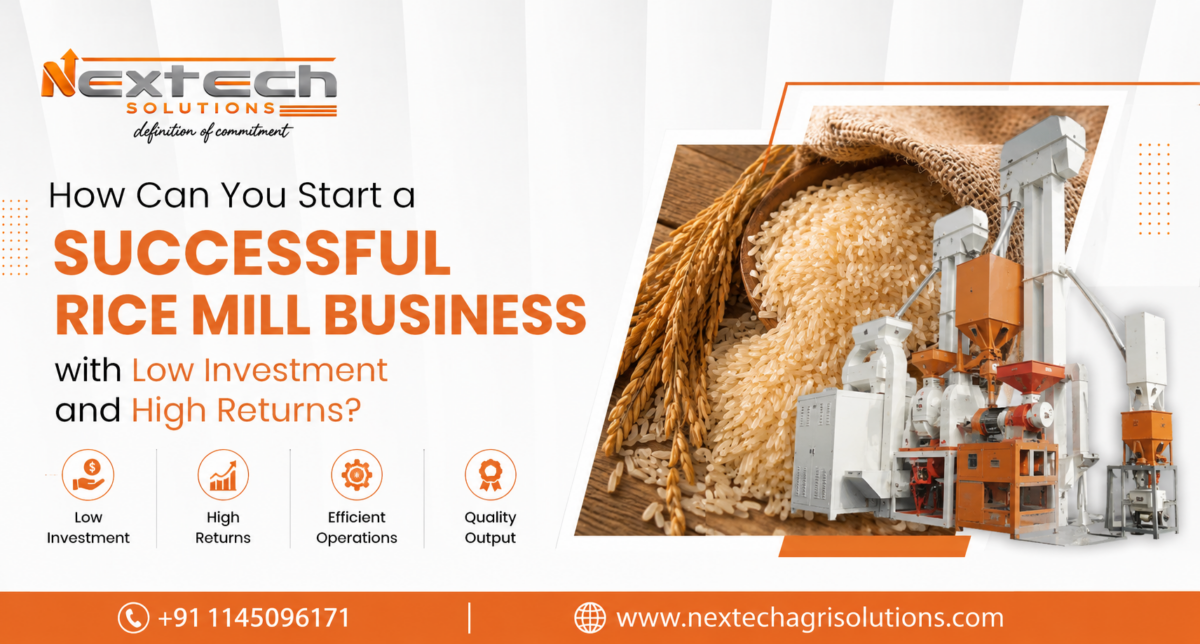
Introduction
If you’re planning to start a business but feeling confused about what will be stable and profitable, a rice mill business can be a solid option.
In India, rice is a daily necessity. Demand never really drops, which makes it a reliable market. The good part is, you don’t always need a huge investment to get started — with the right planning, you can begin small and still generate good returns.
In this guide, I’ll walk you through how you can start a rice mill business step by step and turn it into a profitable venture.
Why is the Rice Mill Business Profitable in India?
The simple reason — consistent demand.
India is one of the largest producers of rice in the world. Every year, a massive amount of paddy is produced, and it needs to be processed before it reaches consumers.
That’s where your business comes in.
You process raw paddy into ready-to-sell rice — and that processing is where your profit lies.
- Demand is always there
- Supply is continuous
- Market is stable
That’s why this business is considered a safe long-term opportunity.
Types of Rice Mill – Which One Should You Choose?
Many beginners make the mistake of thinking big from day one.
Instead, you should start based on your budget:
Small-Scale Rice Mill
Best for beginners.
Investment: around ₹10–25 lakh.
Medium-Scale Rice Mill
For those with a bit more budget or experience.
Investment: ₹25–50 lakh.
Large-Scale Rice Mill
Fully automated and high production.
Investment: ₹50 lakh and above.
👉 Practical advice: Start small, then scale gradually.
Step-by-Step: How to Start a Rice Mill Business
Let’s keep it simple and practical.
1. Understand Your Market
Don’t start blindly. Check local demand, competition, and supply.
2. Choose the Right Location
A good location means:
- Easy access to paddy
- Lower transportation cost
Rural areas usually work better.
3. Select the Right Machinery
This is where most people get confused.
Basic machines include:
- Cleaner
- Huller
- Polisher
- Separator
You don’t need everything at once — start according to your budget.
4. Get Required Licenses
Don’t skip this part:
- FSSAI License
- GST Registration
- Local factory approvals
5. Build a Raw Material Network
If you have strong connections with farmers, your business becomes much easier to run.
How to Start a Rice Mill Business with Low Investment
Now the most important part — keeping your costs low.
If you’re on a tight budget, here’s what you can do:
- Go for semi-automatic machines instead of fully automatic ones
- Lease or rent land instead of buying
- Start with a smaller production capacity
- Source paddy directly from local farmers
👉 These small decisions can significantly reduce your initial investment and risk.
Rice Mill Machinery Cost & Buying Tips
The cost depends on what you choose.
A rough idea:
- Small setup: ₹5–15 lakh
- Medium setup: ₹20–50 lakh
- Large setup: ₹50 lakh+
But don’t focus only on price.
Also consider:
- Power consumption
- Maintenance cost
- After-sales service
Sometimes cheaper machines cost more in the long run.
How Much Profit Can You Make?
Let’s understand with a simple example:
- 1 ton of paddy gives around 650 kg of rice
- Selling price: approx ₹40/kg
- Cost: ₹32–36/kg
👉 Profit: around ₹4–₹8 per kg
If you process 100 tons per month:
👉 You could earn around ₹4–8 lakh per month (approx)
As your scale increases, your profit grows too.
Common Mistakes to Avoid
This is where many beginners go wrong:
- Choosing the wrong machinery
- Ignoring electricity costs
- Not building a proper supplier network
- Skipping regular maintenance
Avoiding these mistakes already puts you ahead of many others.
Frequently Asked Questions
What is the minimum investment required to start a rice mill business?
You can start a small rice mill with around ₹10–25 lakh, depending on your setup and location.
Is the rice mill business profitable in India?
Yes, because demand is constant and processing margins are stable.
How much space is required?
A small rice mill usually needs around 2000–5000 sq. ft.
Conclusion
The rice mill business is not a risky or complicated startup — it’s a practical and proven business model.
If you start small, plan smartly, and grow gradually, it can become a strong and stable source of income over time.
👉 One simple rule:
Don’t rush to grow fast — focus on building a strong foundation first.