 MAIL US :
 CALL US :
>
CALL US :
>
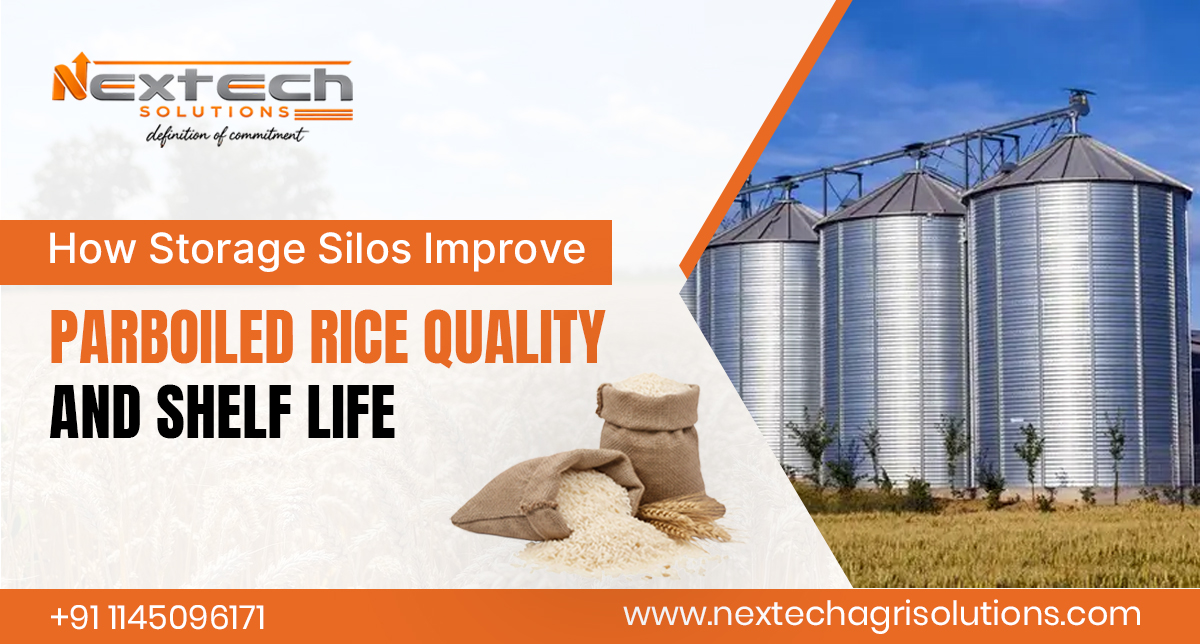
The rice industry has evolved significantly with the adoption of modern processing and storage technologies. One of the biggest challenges faced by rice mill owners is maintaining grain quality after processing. Improper storage can lead to moisture buildup, pest infestation, and nutrient loss, ultimately affecting the final product quality.
For businesses involved in producing Parboiled Rice, advanced storage systems such as grain silos play a crucial role in preserving freshness and improving shelf life. Companies like Nextech Agri Solutions are helping rice millers adopt efficient storage technologies that enhance both product quality and operational efficiency.
In this blog, we will explore how storage silos improve rice quality, extend shelf life, and support the overall rice milling industry.
Understanding Parboiled Rice and Its Processing
Before understanding the importance of storage silos, it is essential to know what Parboiled Rice is and how it is processed.
Parboiled rice is partially boiled in the husk before milling. This process helps transfer nutrients from the outer bran layer into the grain, making the rice more nutritious and durable during milling.
The parboiled rice process typically includes three main steps:
- Soaking – Paddy is soaked in warm water to increase its moisture level.
- Steaming – The soaked paddy is steamed to gelatinize the starch and lock nutrients inside the grain.
- Drying and Milling – The grains are dried before undergoing the rice milling process where husk and bran layers are removed.
Because the grains go through heat and moisture treatment, proper storage becomes extremely important to maintain quality after processing.
The Role of Storage Silos in Rice Mills
Traditional storage methods such as warehouses and jute bags often fail to protect grains from environmental factors. Modern grain silos, on the other hand, provide controlled storage conditions that protect rice from moisture, pests, and contamination.
For every modern rice mill, investing in proper storage infrastructure is essential to maintain consistent product quality.
Storage silos offer several advantages:
- Controlled temperature and humidity
- Protection against insects and rodents
- Reduced grain spoilage
- Efficient bulk storage
- Better inventory management
These benefits directly impact the quality and shelf life of Parboiled Rice.
How Storage Silos Improve Parboiled Rice Quality
Quality is one of the most important factors that determines market value in the rice industry. Improper storage can cause grain discoloration, fungal growth, and loss of aroma.
Here is how silos help maintain the quality of Parboiled Rice.
1. Moisture Control
Moisture is one of the biggest threats to rice quality. Excess moisture can lead to mold growth and spoilage.
Storage silos are equipped with ventilation systems that regulate humidity and airflow. This helps maintain ideal moisture levels, ensuring that Parboiled Rice remains fresh and safe for consumption.
2. Protection from Pest Infestation
Traditional storage methods often expose rice to insects and rodents. Pest contamination can damage grains and reduce their market value.
Modern silos provide sealed environments that prevent pest entry, ensuring that the stored Parboiled Rice remains protected for longer periods.
3. Maintaining Grain Structure
During the rice milling process, grains can become fragile due to heat and mechanical stress. Poor storage conditions may cause breakage and reduce rice quality.
Silos store grains in bulk without excessive pressure, helping maintain the structural integrity of the rice kernels.
Extending Shelf Life Through Proper Storage
One of the biggest advantages of using silos is the ability to extend the shelf life of rice products.
When rice is stored in uncontrolled environments, it may lose its nutritional value and develop unpleasant odors. Properly managed silos provide stable storage conditions that help maintain grain quality for longer durations.
This is particularly beneficial for producers dealing with Parboiled Rice, as it allows them to store large quantities without compromising quality.
Longer shelf life also enables millers to manage market supply efficiently and reduce product losses.
Supporting the Growth of the Rice Milling Industry
The global demand for rice continues to grow, making efficient processing and storage systems increasingly important. For entrepreneurs planning to enter the rice mill business, investing in modern storage infrastructure is a smart long-term decision.
A well-structured rice mill business plan should always include advanced storage solutions such as silos. Proper grain storage not only protects the product but also improves operational efficiency.
With the right infrastructure in place, businesses can maintain consistent quality and meet the demands of large-scale buyers and export markets.
The Importance of Expert Guidance in Rice Mill Setup
Setting up a rice mill requires careful planning and technical expertise. From machinery selection to storage infrastructure, every stage plays a crucial role in determining the final product quality.
This is where professional guidance from an experienced rice mill consultant becomes valuable. Experts help businesses design efficient milling systems, optimize the parboiled rice process, and implement modern storage solutions.
Organizations like Nextech Agri Solutions support rice mill owners by providing advanced engineering solutions and industry expertise.
Nutritional Value and Benefits of Rice
Rice remains one of the most important staple foods worldwide. The benefits of rice include providing essential carbohydrates, energy, and nutrients that support daily dietary needs.
Parboiled varieties are particularly valued because they retain more nutrients compared to regular white rice. The steaming stage of the process helps move vitamins and minerals from the outer layers into the grain.
This makes Parboiled Rice a healthier option while also improving cooking characteristics such as firmness and reduced stickiness.
Understanding the Rice Production Cycle
For anyone entering the rice industry, understanding crop production is also important. Many entrepreneurs often ask how long does it take rice to grow before it reaches the processing stage.
Typically, rice crops take around 3 to 6 months to mature depending on the variety and climatic conditions. After harvesting, the paddy is transported to processing facilities where it undergoes drying, parboiling, and milling.
Proper post-harvest handling and storage ensure that the final rice product maintains high quality from farm to market.
Final Thoughts
Modern storage infrastructure is becoming an essential component of the rice processing industry. By adopting advanced silo systems, rice millers can protect grain quality, reduce losses, and improve operational efficiency.
For producers specializing in Parboiled Rice, storage silos provide controlled conditions that help maintain freshness, prevent contamination, and extend shelf life. These systems also support better inventory management and ensure consistent product quality.
With the support of experienced solution providers like Nextech Agri Solutions, rice mill businesses can implement advanced technologies that strengthen their operations and improve long-term profitability.
FAQs
1. What is Parboiled Rice and how is it different from regular rice?
Parboiled rice is rice that has been partially boiled in the husk before milling. This process helps retain nutrients and makes the grains stronger during milling.
2. How do storage silos improve rice quality?
Storage silos maintain controlled temperature and humidity levels, protecting rice from moisture, pests, and contamination, which helps preserve grain quality.
3. What is the rice milling process?
The rice milling process involves removing the husk and bran layers from paddy to produce edible rice while maintaining grain quality.
4. Why are silos important for rice mill businesses?
Silos help store large quantities of rice safely, reduce spoilage, improve inventory management, and maintain product quality.
5. How long does it take rice to grow before harvesting?
Rice typically takes about 3 to 6 months to grow depending on the variety, climate, and farming practices.