 MAIL US :
 CALL US :
>
CALL US :
>
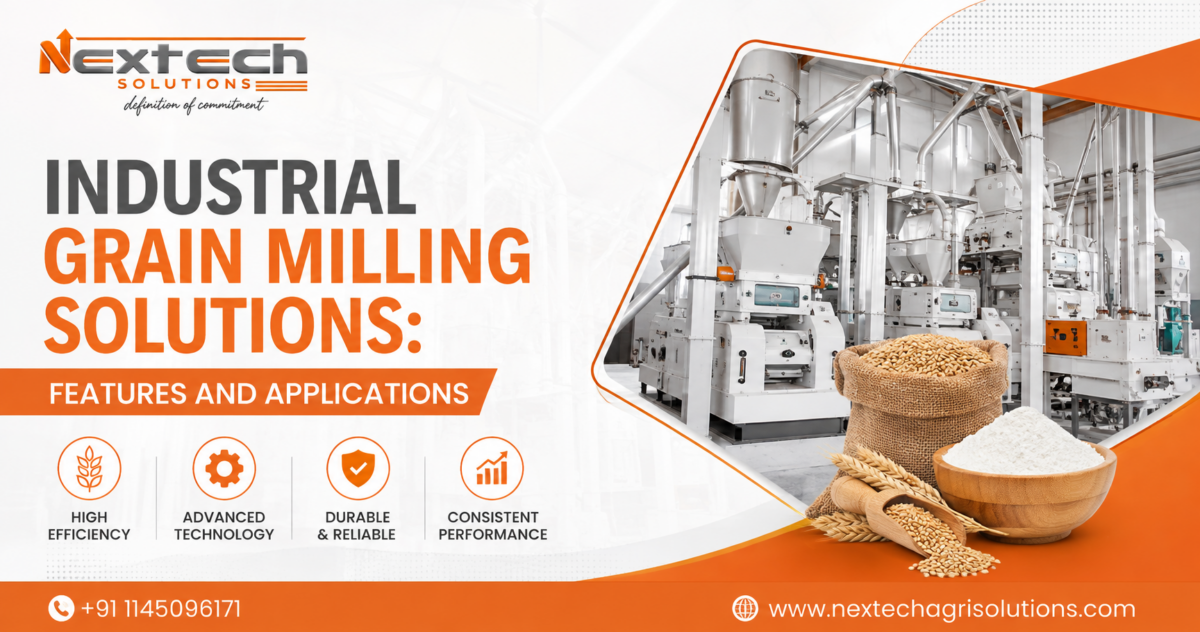
The food processing industry relies heavily on the processing of grains, but ensuring uniformity in product quality, improving productivity and reducing losses during processing can be difficult without the appropriate technology. This is where Grain Milling Solutions come in. Modern milling systems are intended to process various kinds of grain and increase the efficiency of the milling, the quality of product and the performance of the plant.
Basic cleaning and grinding are no longer the only tasks for industrial grain mill. Today they can incorporate integrated cleaning, grading, milling, separation, conveying, storage, automation and packaging systems. When it comes to raw material handling and consistent production, a well-designed milling setup can help manufacturers overcome the challenges.
The knowledge of the essential characteristics and uses of modern milling systems will assist in better technical and investment decisions in planning a new grain processing plant or an upgrading of an existing one.
What are Grain Milling Solutions?
Grain Milling Solutions encompass any equipment, processing systems, plant layout, and technology that can be applied to a raw grain to produce a usable and marketable product. The milling process may consist of several stages, depending on the type of grain, and the end product.
Typically, the raw material is received and cleaned before the process begins. Foreign material, including dust, stones, straw, metal and other impurities must be eliminated before the grain is fed into the main processing line.
Once cleaned, the grain can be conditioned, dehusked, ground, separated, polished, graded or have other specialized treatments. The exact configuration will depend upon whether the plant is intended to grow rice, wheat, maize, pulses or other grains.
Recent milling solutions can also feature automated material handling and process monitoring systems. These technologies assist operators to manage production more efficiently, and also decrease manual intervention.
Key Features of Industrial Grain Milling Solutions
Modern industrial milling system has a number of important features to make the production process smooth and efficient.
1. Efficient Grain Cleaning
Cleaning one of the first and most critical steps in grain processing. The advanced cleaning equipment can be used to clean various impurities in the raw material.
Efficient cleaning results in protection of downstream machinery and improved quality of the finished product. Pre-cleaners, destoners, magnetic separators, aspirators and other cleaning equipment are examples of systems that can be included, depending on the application.
2. Precision Milling
The cleaning stage prepares the grain for the milling process, which is used to process the grain to the desired product specifications. The milling process can be better controlled with the use of precision equipment, which also minimises unnecessary grain damage.
The milling section design is a function of the grain type and output desired. If the system is used to process wheat flour, it will be different from a rice or pulse processing setup.
3. Advanced Grading and Separation
The quality of the grain can be very different, depending on the raw material. To separate and sort products according to size, weight, density or other characteristics.
This enables the processor to generate a more uniform product and to sort out various grades of products. Separation can also enhance the overall process efficiency and minimise the presence of unwanted material in the product.
4. Automated Material Handling
Increasing amounts of grain are being moved from one processing stage to another in large industrial facilities and there is a need for reliable systems in these applications. Other material handling equipment, like conveyors, elevators and pneumatic systems can help to keep things moving.
Good material handling minimizes unnecessary man power and movement. It can also help design a more streamlined plant flow which facilitates the efficient flow of raw materials and finished products around the plant.
5. Process Automation
The benefits of automation in today’s grain processing plant are becoming more and more significant. Centralized control systems can aid operators in monitoring equipment, controlling production parameters, and in pinpointing operational issues.
Automated systems can also enhance uniformity by minimizing variations that result from manual operation. For bigger plants automation can play a major role in production management and process control.
The use of Grain Milling Solutions
Industrial milling systems are applied in many food and agricultural processing applications. They can be set up in various ways depending on the grain, yield and end product specifications.
Rice Processing
Industrial grain processing technology is used for various purposes, one of which is rice milling. The full rice-milling operation could consist of paddy cleaning, dehusking, paddy separation, whitening, polishing, grading, sorting and packaging.
An efficient processing operation can help achieve higher head rice recovery with minimal unnecessary breakage and ensure the appearance of the finished rice.
Wheat Milling
A specialized system of cleaning, conditioning, grinding, and separating wheat into various flour products is used in wheat milling plants. The process can be engineered to yield flour having desired quality parameters for bakery, food industry and other uses.
Maize Processing
Maize Processing Plants can be developed to process Maize Flour, Grits, Maize Meal and other Derivatives. Processors can obtain a consistent product quality by using the correct equipment for cleaning, separating and milling.
Pulse and Dal Processing
Special processes are needed for cleaning, grading, dehusking, splitting and polishing pulses. Depending on the type of pulse and the final product, industrial systems can be configured.
These solutions are especially helpful to the commercial dal processing industries where they require reliable production and consistent production.
A well-designed grain milling system offers a number of advantages
There are a number of operational advantages in selecting the correct milling system. One of the key ones is increased production efficiency. A well-matched equipment and set-up will allow materials to flow easily through the processing stages.
One of the biggest advantages is greater product uniformity. By controlling the cleaning, milling, grading and sorting operations, consistency of quality batches can be ensured.