The Process Of Making Parboiled Rice

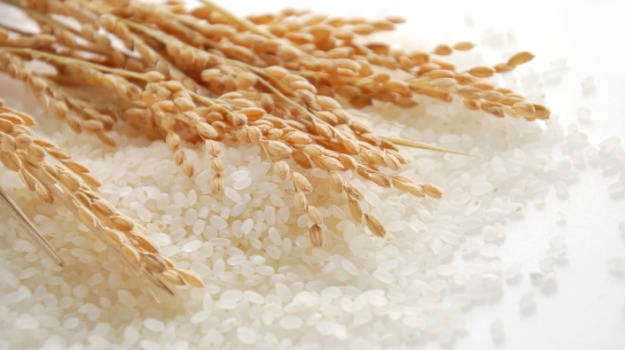
Everyone in the country knows what white rice or a brown rice is. However the awareness about parboiled rice is very limited. So it often happens that you are asked about what is parboiled rice when you tell someone that you consume this third of the many breeds of Rice.

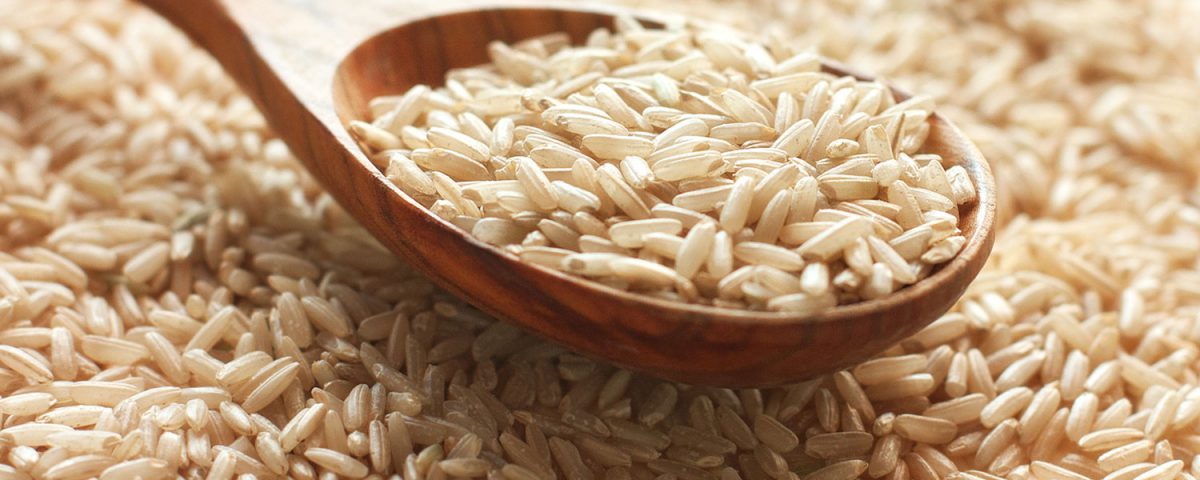
Everyone in the country knows what white rice or a brown rice is. However the awareness about parboiled rice is very limited. So it often happens that you are asked about what is parboiled rice when you tell someone that you consume this third of the many breeds of Rice. In simple terms, Parboiled Rice means the type of rice which is partially boiled. But boiled where? The grain is simmered in the husk.

Since the process of parboiling involves three major steps which are soaking, steaming, and drying, the other name of the grain is ‘soaking rice’. As mentioned, the first and foremost process involves drenching of the grain. The act is carried out by transferring the rice into the soaking tank, setting the machine temperature at 20-30 degree Celsius and leaving the grain for 36-48 hours as per the need of the situation. Once the drenching part is done, the rice is then shifted for steaming process which requires heating up the grain for making the grain harder. The procedure isn’t much time consuming as it depends on the manufacturer what kind of grain color he or she wants to attain considering the higher the heating temperature, the lesser the processing time. Although, steaming at high temperature increases the chances of grain getting darker in color.

The final act involves drying the grain. It must be noted that withering the grain in huge quantity isn’t easy. Especially in the case when the rice are parboiled. So, the grains are sun-baked with the help of a large number of workers who have to work actively and are required to timely turn and mix the rice. Approximately 20-40% of moisture gets reduced in the initial stage of drying while the remaining percentage later.

‘Nextech Solutions’ is the leading grain processing unit proffering top-notch consultancy services as well as high-end milling equipments.


Enquire Now

Frequently Asked Questions (FAQs)

1. What is Parboiled Rice?

Parboiled rice is rice that has been partially boiled in the husk before being milled. This process makes the rice firmer, less sticky, and more nutritious compared to regular white rice. The partial boiling drives nutrients from the bran into the grain, improving its overall nutritional value.

2. What is the meaning of Parboiled Rice?

The parboiled rice meaning lies in its name—“partially boiled rice.” The grain undergoes three major stages: soaking, steaming, and drying. These steps make the rice more durable, nutrient-rich, and resistant to weevils during storage.

3. How is Parboiled Rice different from regular rice?

Unlike regular white rice, par boiled rice is processed before milling. This helps the rice retain more vitamins and minerals, gives it a slightly yellowish tint, and makes it less prone to breakage during cooking. It also has a firmer texture and doesn’t become mushy easily.

4. Is Parboiled Rice healthier than white rice?

Yes. Parboiled rice is considered healthier than white rice because the parboiling process preserves essential nutrients such as thiamine, niacin, and iron. It has a lower glycemic index, making it suitable for people managing blood sugar levels.

5. What are the uses of Parboiled Rice?

Parboiled rice is widely used in South India, West Africa, and Southeast Asia for daily consumption. It’s ideal for dishes like biryani, fried rice, and steamed rice because it holds its shape and texture well after cooking.

6. How long does it take to make Parboiled Rice?

The entire process—from soaking to drying—can take anywhere between 2 to 4 days, depending on the soaking duration, drying conditions, and the equipment used.

7. Does Parboiled Rice taste different?

Yes, parboiled rice has a slightly different taste and texture compared to regular rice. It is firmer, less sticky, and has a mild nutty flavor. Many people prefer it for its ability to stay separate and fluffy after cooking.
Why Silos Are The Best Form Of Bulk Storage

“Nextech solutions, India’s leading rice mill plant manufacturer offer solutions that range from processing to storage.” When it comes to storage in agriculture, Silos provide an efficient method of storing bulk quantities of grain.

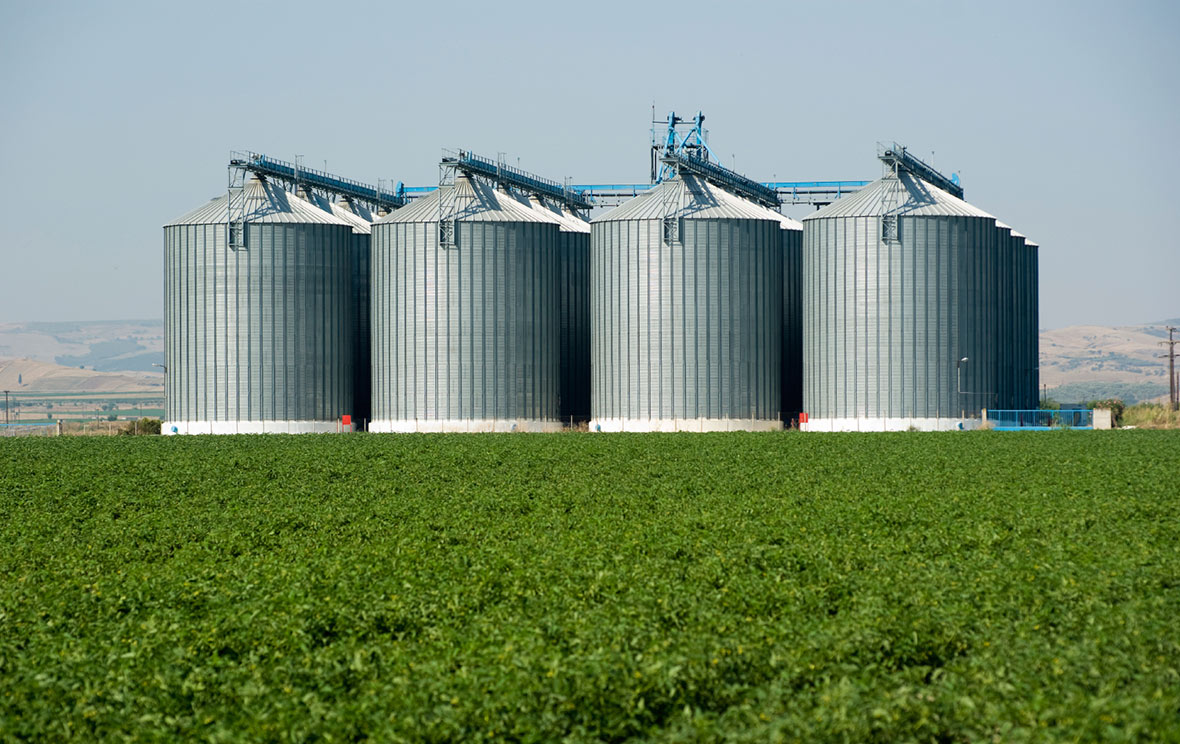
“Nextech solutions, India’s leading Rice Mill Plant manufacturer offer solutions that range from processing to storage.” When it comes to storage in agriculture, Silos provide an efficient method of storing bulk quantities of grain. Silos were used in ancient Greece specifically for the purpose of storing grains that were used over a period of time. The steep rise in the price of land has virtually made it impossible to keep buying land space in order to store food grain that is produced. Rather than opting for a horizontal method of storing it is far more sensible to go vertically. Hence, the usefulness of storing food grains in bulk in silos. One can save space, prevent spillage of grains, avoid the need for gunny bags and not worry about climate changes with silos.

Agricultural silos work by creating a pressurized area within a cylindrical container; they have a closed top and a sealed bottom. The bases are sealed with organic matter such as soil whereas the closed top could be of a variety of metal or non-metal stuff. Rice, pulses can be stored inside these silos which provide good protection in the narrow space for long periods. They are used and recommended by various rice mill. Grain Products can be stored in steel silos from the time of being harvested to up till a year.

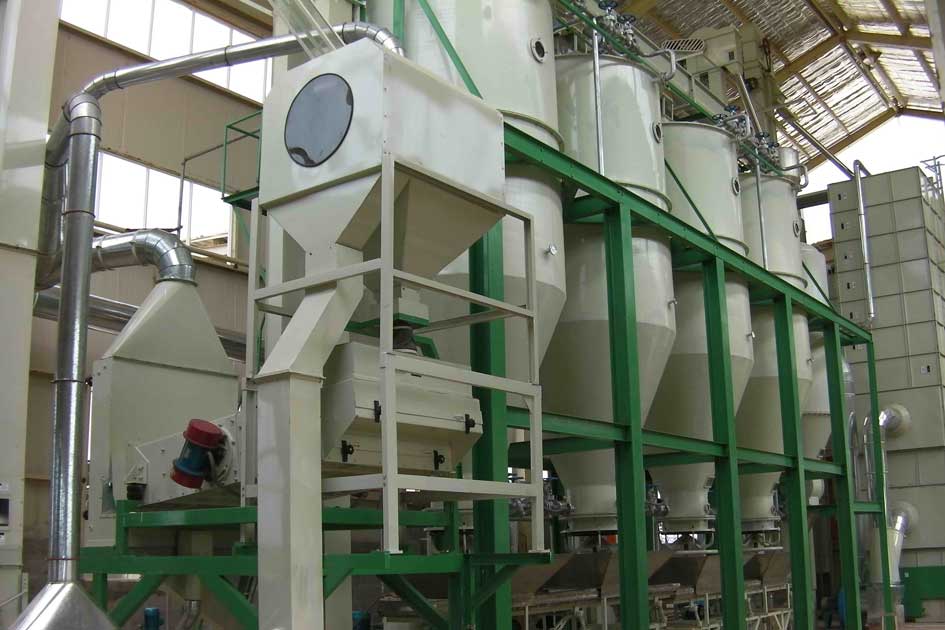
The temperature inside the silos has to be regulated to assure the grains don’t get damaged; that includes proper aeration to control the amount of humidity inside the closed container. Another important thing is to safeguard the grains from insects, chemical control within the silos is required to protect it from insects and other rodents. Being the leading rice mill plant manufacturer in the country, Nextech provides silos which are bulk storage systems for various types of food grains.

Enquire Now

Health Benefits of Rice

The best rice mill Consultant, Nextech Solutions brings to its readers another interesting blog. Rice lovers all over the world really don’t look for reasons to eat rice but many including those that don’t consume rice are quite unaware that eating rice has a lot of benefits.

The best Rice Mill Consultant, Nextech Solutions brings to its readers another interesting blog. Rice lovers all over the world really don’t look for reasons to eat rice but many including those that don’t consume rice are quite unaware that eating rice has a lot of benefits. So, it would come as a surprise to all of you that your favorite food grain can boost skin health, increase metabolism, aid in digestion, reduce high blood pressure, help weight loss and improve the immune system. All the more reasons to eat rice, isn’t it?

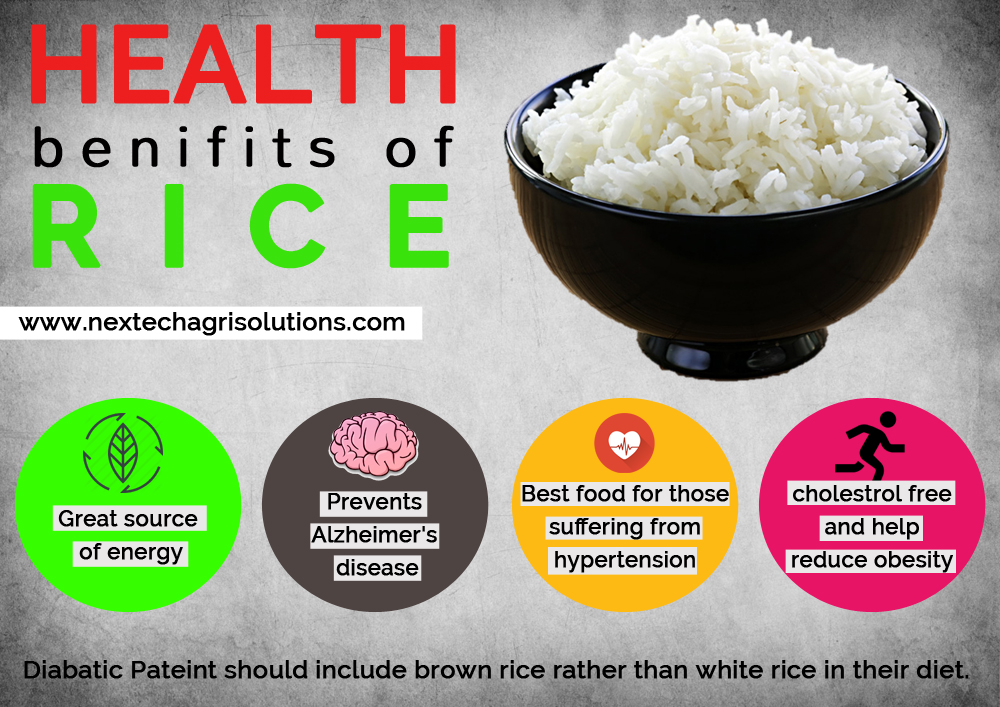
Rice is a great source of energy. The dreaded word carb that makes us cringe away from food is actually an important nutritional requirement of the body. Rice is abundant in carbohydrates and acts as a fuel for the body. It fills the human body with energy that helps in the proper functioning of various organs, especially the brain. Not just that, rice is completely devoid of cholesterol. It does not contain any harmful fats or sodium, which makes it a healthy and well-balanced diet food. Being low in sodium, rice is beneficial for all those suffering from high blood pressure and hypertension. Food with high content of sodium can be really unhealthy and cause stress in the body as they constrict veins and arteries.

The Health Benefits of Rice is not just limited to proper bodily functions but a beautiful skin too, according to many medical experts applying powdered rice can cure certain skin ailments. Ayurvedic practitioners have often prescribed rice water as an effective ointment to cool off inflamed skin surfaces. Certain Brown or wild rice has anti-inflammatory properties, so they are also good for soothing irritation and redness.

It doesn’t just end there, rice is also useful in preventing diseases such as Alzheimer, the high level of nutrients in brown rice stimulate the growth and activity of neurotransmitters which keeps Alzheimer’s disease at bay. Surprising isn’t it that your everyday food supplement is loaded with so many health benefits. Watch this space to learn more interesting facts about rice.


Enquire Now

Frequently Asked Questions (FAQs) on Rice Benefits

1. What are the main rice benefits for health?

The key rice benefits for health include providing a rich source of carbohydrates that supply energy to the body, supporting digestion, and maintaining healthy blood pressure due to its low sodium levels. Brown and red rice are also packed with antioxidants, fiber, and essential minerals that help improve heart health and boost overall immunity.

2. What are the eating rice benefits for daily health?

Rice benefits for health are most visible when consumed as part of a balanced diet. Eating rice provides energy, aids metabolism, and helps regulate digestive function. It is also gluten-free, making it a safe and nourishing option for those with gluten intolerance or celiac disease.

3. Are there any basmati rice benefits and side effects?

Basmati rice benefits include being low in fat, easy to digest, and having a low to medium glycemic index, making it suitable for people managing blood sugar. It’s aromatic, flavorful, and rich in essential amino acids. However, the possible side effects include a spike in blood sugar levels if consumed in excess or if polished white basmati is chosen over whole-grain or brown basmati varieties.

4. What are the benefits of avoiding rice?

While rice has many advantages, some people avoid rice to reduce calorie intake or manage blood sugar. Avoiding rice benefits may include quicker weight loss and lower carbohydrate consumption, which can help with diabetes management. However, cutting out rice completely might deprive the body of essential nutrients and energy if not replaced with other healthy grains.

5. Is rice good or bad for weight loss?

It depends on the type and quantity of rice consumed. Brown rice and basmati rice are healthier options as they contain more fiber, which keeps you full for longer and aids in digestion. White rice, if consumed in moderation, can still be part of a balanced weight-loss diet, especially when combined with vegetables and lean proteins.

6. Does rice have any role in skin and hair health?

Yes, rice water and powdered rice are known to improve skin texture, reduce inflammation, and soothe rashes. They are often used in skincare for their cooling and brightening properties. Rice protein and amino acids also support healthy hair growth and shine.

7. Which type of rice is the healthiest to eat?

Brown rice, red rice, and black rice are considered the healthiest due to their higher fiber and antioxidant content. They contain bran and germ layers that preserve essential nutrients, unlike polished white rice.

8. Can eating rice every day be harmful?

Eating rice daily is generally safe if consumed in moderation. However, overconsumption of refined white rice may contribute to weight gain or higher blood sugar levels. Mixing rice varieties and balancing your meals with vegetables and proteins helps maintain optimal nutrition.

What Makes Rice Our Beloved Food Preference

The leading Rice Mill Manufacturer in India brings to you yet another interesting blog. For the rest of the world, rice is categorized as another staple food product, but in our country, it’s a lot more than just that.

The leading Rice Mill Manufacturer in India brings to you yet another interesting blog. For the rest of the world, rice is categorized as another staple food product, but in our country, it’s a lot more than just that. The heavenly aroma of the basmati rice that compliments every dal, subzi, soup or gravy is what makes every dish a foodies delight. Let’s face it guys, there would be no Biryani, Kashmiri Chicken Pulao, and Rajma Chawal minus our beloved rice.

The rice grain itself goes through quite the journey, starting from the paddy fields to the mill machine where it is ground, milled and cracked, and then finally emerges the smooth shiny pearl-like grain that is packaged and sold in shops all over. Ask any rice lover and they would easily be able to distinguish between their favorite rice brand and variety, just by the aroma, texture or taste of it. So, what makes all of us such avid lover of this simple grain? That is not an easy question to answer as we all have our own personal preferences that make us pile up our plates with scoops full of rice every day.

All of us have cherishable childhood memories of eating home cooked food that had rice as one of its main ingredients, gleefully opening our lunch boxes to the waft of pulao rather than the boring cold chapattis. The very presence of rice on the dining table meant that something really delicious has been cooked for dinner. We grew up eating feasts where the core of every delicacy was rice. The creative and delicious way that rice is cooked alongside equally delicious curries is what makes it so irresistible to us all and from what it seems, this is one love affair that is not going to get over soon.


Enquire Now

Reduced Rice Production May Cause A Global Food Crisis

Top rice mill consultant in India, Nextech Solutions, with the biggest and most prestigious brands as its clients, such as Shakti Bhog & Jagat, has been working to make its blog the number one source of information & news pertaining to the grain and seed industry.

Top rice mill consultant in India, Nextech Solutions, with the biggest and most prestigious brands as its clients, such as Shakti Bhog & Jagat, has been working to make its blog the number one source of information & news pertaining to the grain and seed industry. Take for example, the story of Andhra rice miller lobby allegedly creating an artificial scarcity, or some expert tips from the hospitality industry on how to cook restaurant-like rice. We want our readers to have the convenience of visiting a single destination to remain well-versed with what is happening in the industry.

Today, Nextech is sharing with you the concern of rice production levels causing a global food crisis concern.

About five years back, the UN declared that world population had crossed the 7 billion mark. The number has been ever increasing. Goes without saying, more people means more food. To meet the requirements of this ever-increasing population, food production has also been increasing. However, for the first time in 6 years, rice production is going to alarmingly decline. This would have terrible consequences, particularly for Asia, where rice forms the staple food for large populations.

Some would know that rice production was declined in the year 2007-2008, as a result of El Niño. (Simply saying, because of drastic weather patterns.) India banned rice export due to the poor production, which in turn led to a sudden increase in prices. This further caused food riots in markets like the Philippines. The situation got so difficult that the island nation had to request neighbour Vietnam for help. Filipino military had to oversee the sale of rice at subsidized rates.

Experts fear a similar crisis again as the top three rice exporting countries, namely, India, Thailand and Vietnam experience unfavorable climate conditions. Once again, prices of this staple food could rise.

The best rice mill plant manufacturer India is going to keep you posted on this story.


Enquire Now

Rice Mill Consultant Tells You How To Fix Water Damaged Phone With Rice

Losing sleep because your phone fell in water? The best rice mill consultant in Delhi & NCR, Nextech Solutions, is today sharing with you this life hack – what to do when the phone falls in the water. But why are we sharing it? You may have guessed it, the hack is to do with rice!

Losing sleep because your phone fell in water? The best rice mill consultant in Delhi & NCR, Nextech Solutions, is today sharing with you this life hack – what to do when the phone falls in the water. But why are we sharing it? You may have guessed it, the hack is to do with rice! And over the past few months, we have covered from news stories pertaining to the grain and seed industry Such as the Andhra rice miller lobby blamed to the use of current technology in milling. Anyway, without further ado, let’s get to the life hack!

For one, a water damaged phone may seem dead. But it is often possible to revive it through this method.

Acting fast is of key importance. To start with, remove the battery & SIM card from the phone and shake the device to get rid of as much water as possible. Retrieving the SIM would safeguard it against any damage. (Even though they survive water damage well) Your SIM is valuable because it contains contacts and other data.

Using paper napkins/ towels, dry the phone to the best of your ability.

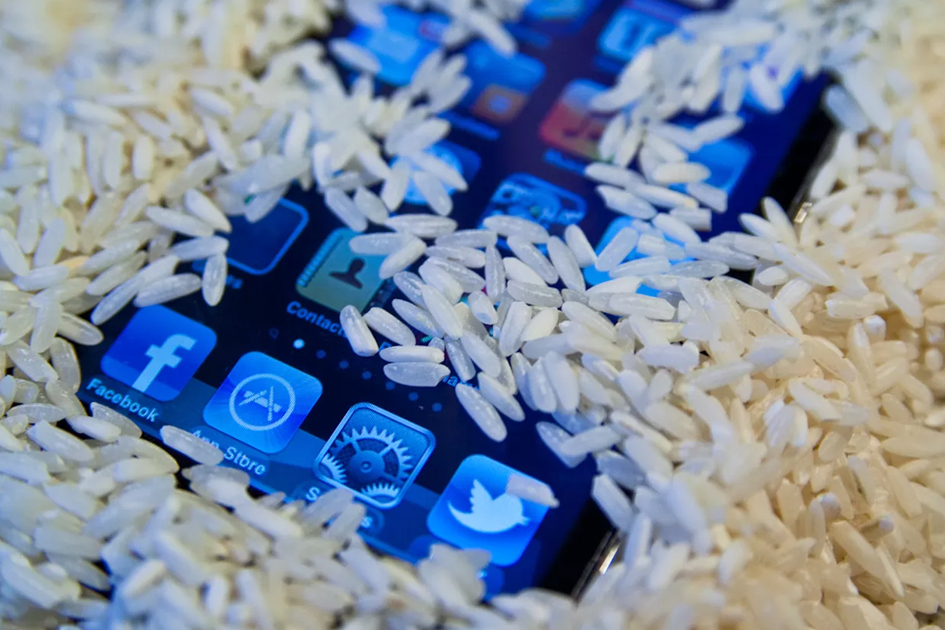
Now, stash the smartphone and the battery into a bowl of uncooked rice. Leave overnight.

Do NOT, and I repeat, do not ever attempt drying the mobile in a microwave.

While leaving the water damaged phone into a bowl of rice is not a sure shot way of saving it, the method is often successful, with the rice absorbing the moisture.

And that is it from your favourite Storage Silo Project Consultant for this week! Good Luck with your phone!

Enquire Now

Andhra Rice Miller Lobby Blamed For Creating Artificial Scarcity

Readers of the blog of the best rice mill consultant in India, Nextech Solutions would know that we are turning this blog into a one-stop for all national and International news pertaining to the grain and seed industry.

Readers of the blog of the best rice mill consultant in India, Nextech Solutions would know that we are turning this blog into a one-stop for all national and International news pertaining to the grain & seed industry. Take for example, the emergence of India as the leader or in the global rice bran oil conference wild rice harvest permit brief torn into shreds at Chippewa. Today, we are covering another story. Alleged hoarding by Andhra lobby is responsible for rising rice prices.

Ladies and gentlemen, allegations suggest that a lobby of Andhra rice mill owners is creating an artificial scarcity by hoarding rice stocks, in order to create deliberate price rise and generate demand in the Keralan market. Before getting into details, let us inform you right at the start of the realities of the Andhra rice market. A majority of small-scale rice mills have shut down, resulting in the bigger players monopolizing the market, and controlling the market.

Prices have already gone up by Rs. 5/ KG in the wholesale market due to the stop in supply by Andhra rice mills. It is now starting to reflect in retail.
The drama started unfolding the last week. Kerala used to take twelve rakes, i.e. thirty thousand tonnes of rice from Andhra Pradesh until recently. But it dropped to only four rakes, i.e. ten thousand tonnes the last month. Angry rice millers refused to supply a single rake of the rice to the state.
In their week defense, the association office mill owners tried to justify the low supply by claiming that it is a result of low production.

Your Rice Mill Plant manufacturer India will keep you updated on all the happenings in the grain & seed industry.


Enquire Now

New Technology To Set Up A Rice Mill In 2021

Rice is a staple diet in India which is the second largest producer of rice after China. Rice is the backbone of agrarian India as it generates the significant number of employees. Modernization drives the world as this post will highlight the new technological improvements introduced in rice milling.

Rice is a staple diet in India which is the second largest producer of rice after China. Rice is the backbone of agrarian India as it generates the significant number of employees. Modernization drives the world as this post will highlight the new technological improvements introduced in rice milling. It will also connect the dots between modernization and rice milling, one of Nextech’s specialties.

‘If one wants to set up a rice mill, he/she has to take into account the current trends and technologies’. But for dreams to become reality, fuel is a driving factor. Our expert’s point, 10 years before today that fuel was missing in the industry.

Rice Milling Technology 2021 – Then & Now

Then

Maintaining the high quality and output of rice was not an easy task. The main reasons behind this were limited technology, government policies, little investment, mismanagement etc. Many shipped consignments were rejected due to the non-fulfillment of an international quality standard.

Some faults in yesterday’s rice milling technology:

  1. The machines were non-commercial as the output quality was low.
  2. There wasn’t enough investment to buy modern Rice Mill Machinery (automatic and semi-automatic) manufactured and supplied by Japan & Germany.
  3. The machines were traditional and locally produced from non-standard fabricated items. They produced inconsistent qualities of rice.
  4. Rice plants were not efficient in terms of energy conservation, maintenance, productivity thereby leading to high production costs.
  5. Mild steel usage in rice mill machineries and corrosion of mild steel affected the rice quality.
  6. Quality management systems were not employed. There were no testing labs for routine check-ups.

Many other issues like ‘improper marketing techniques, business development, government policies and infrastructure’ crowded the industry.  A large scope for improvement was present as there was a big vacuum that the industry had to fill.

Now

The government started urging that ‘Rice mills must modernize to meet global quality standards’. Nextech also started operations around that same time, in 2006. Modern techniques and investments flew in this sector, as believed by our experts. With huge investment followed by huge demand, the government had to create policies favoring modern mills.

With that, modern rice milling machines as they were called started showing their magic. The private sector backings had a huge effect on the industry. Some new technologies introduced in today’s milling machines are:

  • Use of Rubber roller technology for husking
  • Two-stage whitening process
  • Use of Paddy  separators
  • Old stone disk hullers, vertical cone polishers have been replaced by emery-coated cylinders, friction-type whitener polisher, and dry & wet mist polishers.
  • Milled rice is now graded
  • Automated plants from Germany & Japan are the new market trends.
  • Skilled operators, good paddy quality, maintenance of machines set the tone for high-quality outputs.
  • The use of NUE (Nitrogen Use Efficient) technology has been encouraged. This increases & doubles plant growth and yield.
  • Turbo & extractive milling speed up the process.

The biggest feature of the new machines was their ability to save energy. With state governments’ hand, cost structure, investor’s expertise, development favored rice mills. Nextech wishes for more innovations to come as it encourages us to produce high-quality products for our valued customers.


Enquire Now

Different Types of Pulses/Lentils

Pulses, meaning Dals in Hindi comes in different types, each having their own advantages (and disadvantages). The special properties of Dals make it a staple diet across the Indian sub-continent. The most common food combination is Rice & Dal or Chapatti & Dal.

Pulses, meaning Dals in Hindi comes in different types, each having their own advantages (and disadvantages). The special properties of Dals make it a staple diet across the Indian sub-continent. The most common food combination is Rice & Dal or Chapatti & Dal.

Moong Dal – It is the most common Dal found in our homes, they are yellow in color but only after they have been skinned from the original green color. Both are eatable, in fact the greener one has more vitamins. Easy to cook & digest, it has rich iron & potassium content.

Arhar/Tur Dal – A beige lentil with yellow insides, chances are this is pigeon pea. It’s the most popular Dal in India. It has huge fiber components that help in bowel movements.

Chana Dal – Also called split Bengal gram, it has a nutty flavor. Its adaptability makes it easy to cook with varieties of vegetables. If diabetes bites you, this will bite diabetes with rich minerals like copper & manganese.

Masoor Dal – Also Known as red lentils, it comes in two varieties: black (non-split) and red (split). It does not need soaking before cooking as it’s very soft. A Masoor Dal recipe with butter-top garnish & Chapatti is a delicious & healthy meal to eat.

Urad Dal – Having the richest concentration of proteins & Vitamin B, it has two variants: white (husked) and black. It is served well with Naans. The creamy white version has a milder flavor than its black counterpart.

Lobiya Dal – Cowpea as it is known in English is black-eyed peas due to a black colored dot at its center. It’s rich in proteins & zinc. They are famous for making curries, papads, fritter etc.

Matar – This is a whole dried pea which is a prominent ingredient in many Indian street foods like Chaat, Sevpuri etc. It has a mouth-watering taste with the right combination of products.

Kidney Beans – Kidney shaped with strong earthy flavor & a silky texture it’s eaten as a curry. The famous Rajma Chawal comes to mind, doesn’t it? Don’t forget to pre-soak and boil for 30 minutes to ensure a safe diet.

Chickpeas – This is of three variants: Chana (brown), Chhole (white), Cholia (green).

It is consumed post boiling after which it becomes soft as ever. It can be eaten as an evening snack with a garnish of onions, chilies, tomatoes, fresh coriander and lemons which taste as well as smell delicious! Also, one can enjoy Chhole Chawal (Rice & Chhole curry).

Hope this has helped you differentiate & understand the different types of Pulses. Stay tuned to get more updates & learn about this staple and special (for us Indians) diet.


Enquire Now

Cancer Prevention, Boosting Immunity & More With Brown Rice

Our Blogger/ Writer has mentioned brown rice in several blog posts/ articles, including the one on the process of rice milling, published on EzineArticles.com . Brown rice is produced as a result of husking/ de-hulling stage of paddy milling, where the tough outer coating of rice grains, the husk is stripped off using friction.

Our Blogger/ Writer has mentioned brown rice in several blog posts/ articles, including the one on the process of rice milling, published on EzineArticles.com . Brown rice are produced as a result of husking/ de-hulling stage of paddy milling, where the tough outer coating of rice grains, the husk is stripped off using friction.


 A lot has been talked about brown rice, including the fact that it is very healthy. But what exactly are these health benefits of brown rice? Let’s discuss them in this blog post.

  1. Consuming white rice means giving up on 100% of fibre & essential fatty acids, 90% of Vitamin B6 (Pyridoxine), 80% of Vitamin B1 (Thiamine), 67% of Vitamin B3 (Niacin) , 60% of iron and 50% of phosphorus and manganese each.
  2. You’ll be surprised, but brown rice even fights cancer! The high amount of dietary fibre in brown rice clings to the cancer-causing chemicals in the body, and eliminates them, thus reducing the risk of colon cancer. Colon cancer is the third most common cancer worldwide, as per the 2012 stats by the World Cancer Research Fund International.
  3. Replacing polished white rice with brown rice reduces your risk of developing diabetes by 16%. Consuming half a cup of brown rice every day may reduce your risk of developing diabetes by 60%. The reason brown rice stabilizes blood sugar is because it releases sugar slowly, unlike its white counterpart.
  4. When people think of antioxidants, they usually think of berries, fresh fruits and red wine. Not many know that brown rice is high in antioxidants too. Antioxidants prevent cancer.
  5. Selenium is a mineral that is required for good immunity and fertility in both men and women. Liver of lamb, oysters and tuna are good sources, but for vegetarians, brown rice is one of the best ones. Selenium prevents cancer, heart disease and arthritis.

    To be continued…