MAIL US :
 CALL US :
>
CALL US :
>
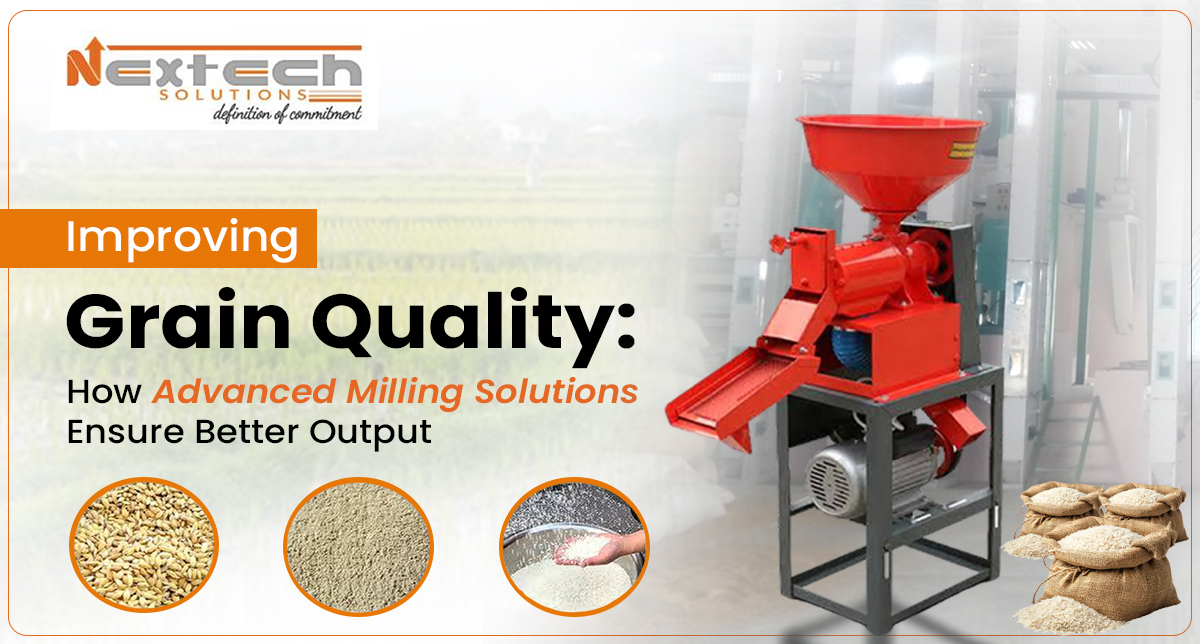
Grain quality plays a critical role in the success of any milling operation. Whether producing flour, rice, or animal feed, the final output depends on how efficiently raw grain is processed. As consumer expectations and industry standards continue to rise, traditional milling methods are no longer enough. Modern Milling Solutions are transforming how mills operate by improving consistency, yield, and overall product quality.
This article explores how advanced technologies and smarter processes help mill owners achieve better output while reducing waste and operational challenges.
Why Grain Quality Matters in the Mill Business
In the Mill Business, grain quality directly affects profitability. Poor-quality output leads to higher rejection rates, customer complaints, and increased reprocessing costs. In contrast, consistent grain quality builds trust with buyers and strengthens long-term business relationships.
Quality begins at intake but is largely determined by how grain is cleaned, conditioned, and milled. Advanced milling systems are designed to preserve grain integrity while maximizing usable output, making them essential for modern mills.
Challenges Faced by Traditional Milling Methods
Many mills still rely on outdated equipment and manual processes. These setups often result in:
- Inconsistent particle size
- Excessive grain breakage
- High levels of dust and impurities
- Increased energy consumption
Such challenges not only reduce output quality but also affect operational efficiency. Without automation and precision control, maintaining consistent standards becomes difficult, especially when processing large volumes of grain.
The Role of Advanced Milling Solutions
Modern Grain Milling Solutions integrate technology, automation, and smart design to overcome traditional limitations. These systems focus on efficiency at every stage—from cleaning and grading to grinding and packaging.
Precision Cleaning and Sorting
Advanced milling begins with effective cleaning. Modern systems use sensors, air classifiers, and magnetic separators to remove stones, dust, and foreign materials. Optical sorting technology further enhances quality by identifying and eliminating discolored or damaged grains before milling begins.
Cleaner input leads to better output and protects downstream machinery from unnecessary wear.
Controlled Conditioning for Uniform Results
Conditioning is a critical step that prepares grain for milling. Advanced systems precisely control moisture levels and resting time, ensuring uniform softness across all kernels. This controlled approach reduces breakage and improves milling efficiency.
Proper conditioning also helps achieve consistent particle size, which is essential for producing high-quality flour or rice that meets market standards.
Efficient Grinding Technology
Modern grinding equipment is designed to apply uniform pressure, minimizing heat generation and preserving grain nutrients. Roller mills and impact grinders equipped with automated controls allow mill operators to adjust settings based on grain type and desired output.
These innovations ensure better extraction rates while maintaining texture, taste, and nutritional value—key factors for customer satisfaction.
Automation and Process Monitoring
Automation is a game-changer for today’s Mill Business. Advanced milling systems include real-time monitoring tools that track performance, detect inefficiencies, and provide actionable insights.
Benefits of automation include:
- Reduced human error
- Consistent product quality
- Faster processing times
- Lower operational costs
Data-driven decision-making allows mill owners to optimize processes and respond quickly to variations in raw material quality.
Waste Reduction and Yield Optimization
One of the biggest advantages of modern Milling Solutions is their ability to reduce waste. Precision processing ensures that more usable product is extracted from each batch of grain.
By minimizing spillage, breakage, and over-processing, mills can significantly improve yield. Higher yield directly translates into better margins and a more sustainable operation.
Energy Efficiency and Sustainability
Energy consumption is a major concern in milling operations. Advanced milling equipment is designed to consume less power while delivering higher output. Variable speed drives, efficient motors, and optimized workflows help reduce energy usage.
Sustainable milling practices not only lower operating costs but also align with environmental regulations and growing consumer demand for eco-friendly production.
Adapting to Market Demands
The grain processing industry is constantly evolving. Customers expect consistency, traceability, and high-quality products. Advanced Grain Milling Solutions allow mills to adapt quickly to changing market requirements.
Whether producing specialty flours, fortified grains, or customized blends, modern milling systems provide the flexibility needed to stay competitive.
Choosing the Right Milling Partner
Implementing advanced solutions requires technical expertise and industry knowledge. Partnering with an experienced provider ensures that equipment, layout, and processes are aligned with specific production goals.
Nextech Agri Solutions focuses on delivering tailored milling systems that help businesses improve quality, efficiency, and profitability. Their approach combines technology with practical insights, enabling mills to upgrade operations without disrupting productivity.
Conclusion
Improving grain quality is no longer optional—it is essential for success in today’s competitive milling industry. Advanced Milling Solutions empower mill owners to achieve better output through precision cleaning, controlled conditioning, efficient grinding, and smart automation.
By investing in modern Grain Milling Solutions, the Mill Business can reduce waste, optimize yield, and meet growing market expectations. With the right technology and support, mills can consistently deliver high-quality products while building a sustainable and profitable future.