MAIL US :
 CALL US :
>
CALL US :
>

The demand for processed pulses (dal) in India and other countries is steadily increasing due to their nutritional value and role in everyday diets. This growth has encouraged entrepreneurs to invest in setting up Dal Mill Plant, which are vital for processing raw pulses into market-ready products. However, building a dal mill involves more than just purchasing machinery — it requires proper planning, design, and implementation to ensure efficiency and profitability.
In this blog, we’ll take you through a step-by-step guide to set up a dal mill plant, exploring the necessary infrastructure, equipment, and operational strategies. We’ll also discuss how professional Grain Milling Solutions providers like Nextech Agri Solutions can simplify the process for beginners.
Understanding the Dal Mill Business
What is a Dal Mill Plant?
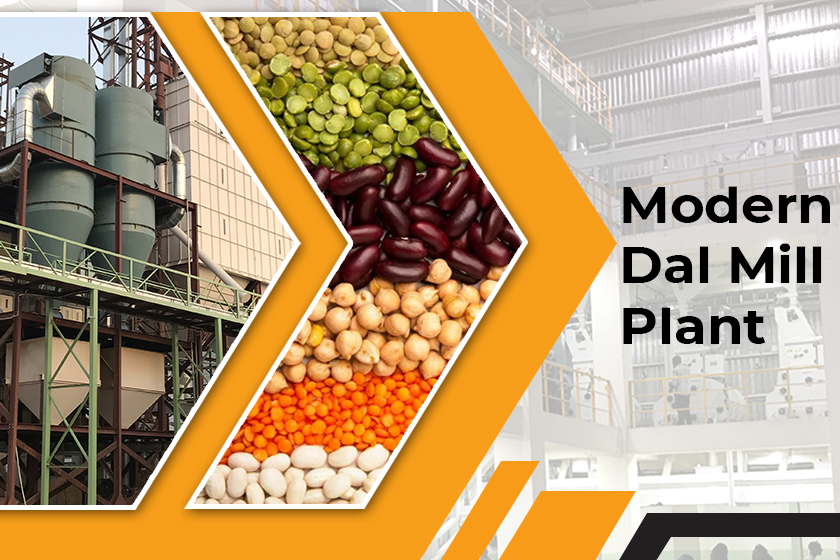
A dal mill plant processes raw pulses like pigeon peas, chickpeas, and mung beans into consumable dal. The process involves cleaning, dehusking, splitting, polishing, and grading pulses. This industry offers excellent growth potential because dal is a staple food item with consistent demand in retail and wholesale markets.
Benefits of Starting a Dal Mill Plant
- Consistent Demand: Pulses form a major part of diets in India and globally.
- Scalable Business Model: Start small and expand with rising demand.
- Profitable Margins: Value addition through polishing and packaging increases returns.
- Government Support: Subsidies and financial assistance are available for pulse processing units.
Step-by-Step Guide to Setting Up a Dal Mill Plant
1. Conduct Market Research
Before investing in infrastructure and machinery, understand your target market:
- What types of dal are popular locally?
- Who are your competitors, and what pricing strategies do they follow?
- What is the demand in retail, wholesale, and export segments?
Thorough research helps in selecting the right product mix and production capacity.
2. Prepare a Detailed Business Plan
A comprehensive plan should outline:
- Project cost estimation (land, building, machinery, labor).
- Sources of financing (bank loans, subsidies, private investment).
- Operational expenses (utilities, raw material procurement).
- Revenue projections and break-even analysis.
A solid business plan is also essential when applying for financial assistance.
3. Select an Ideal Location
The success of your Dal Mill Plant depends significantly on location:
- Proximity to raw pulse-producing regions reduces transportation costs.
- Access to utilities like electricity and water is crucial.
- Good connectivity to markets ensures smooth distribution.
Ensure the site complies with zoning laws and environmental regulations.
4. Design the Plant Layout
A well-designed layout optimizes workflow and ensures safety:
- Separate areas for cleaning, milling, polishing, and packaging.
- Adequate ventilation and dust control systems.
- Space for raw material storage and finished goods warehousing.
Professional Grain Milling Solutions providers can design customized layouts to meet capacity and future expansion needs.
5. Procure Machinery and Equipment
Key machines in a dal mill plant include:
- Cleaners and graders – for removing impurities.
- Dehuskers and splitters – to process pulses efficiently.
- Polishers – to enhance the final product’s appearance.
- Packing machines – for hygienic and market-ready packaging.
Choose machinery that matches your production capacity and energy efficiency requirements.
6. Ensure Regulatory Compliance
Obtain all necessary licenses and certifications:
- Food Safety and Standards Authority of India (FSSAI) registration.
- GST registration and other local permits.
- Environmental clearances, if required.
- Compliance with labor laws and workplace safety standards.
7. Hire and Train Workforce
Recruit skilled and semi-skilled workers for different stages of processing:
- Machine operators, quality control staff, and packaging personnel.
- Provide training on hygiene practices, equipment handling, and safety protocols.
8. Source Quality Raw Material
High-quality pulses directly impact the output’s quality and market reputation. Establish contracts with reliable farmers or suppliers to ensure a steady supply of raw pulses.
9. Set Up Quality Control Measures
Implement quality checks at every stage of production:
- Moisture level testing.
- Removal of defective grains.
- Uniformity in size and polish.
Quality assurance builds customer trust and ensures compliance with food safety standards.
10. Plan Distribution and Marketing
After production, focus on distribution and branding:
- Sell directly to wholesalers, retailers, and supermarkets.
- Explore export opportunities to countries with high demand for pulses.
- Invest in attractive packaging and labeling to differentiate your brand.
Common Challenges and How to Overcome Them
- Raw Material Price Fluctuations: Secure long-term supply agreements with farmers.
- Machinery Maintenance: Schedule regular maintenance to avoid downtime.
- Market Competition: Focus on quality, hygiene, and branding to stand out.
- Operational Costs: Optimize energy usage and minimize wastage to control costs.
Why Partner with Professional Grain Milling Solutions Providers?
Setting up a dal mill plant involves technical complexities — from selecting machinery to designing efficient layouts. Partnering with experts in Grain Milling Solutions can save time, reduce errors, and ensure compliance with industry standards. Companies like Nextech Agri Solutions bring years of experience in pulse processing and offer end-to-end services including:
- Feasibility studies and project reports.
- Customized plant design and layout.
- Machinery selection and procurement support.
- Installation, training, and ongoing technical support.
Conclusion
A Dal Mill Plant can be a profitable venture for entrepreneurs aiming to tap into the ever-growing demand for processed pulses. However, its success depends on careful planning, proper installation, and consistent quality control. From selecting the right machinery to optimizing plant layout, every step plays a crucial role in achieving operational efficiency and profitability.
Nextech Agri Solutions offers expert Grain Milling Solutions tailored to meet your business needs, ensuring seamless plant setup and sustainable growth. If you’re planning to establish a dal mill plant, partnering with experienced professionals can make the process smoother and more rewarding.