Challenges in the Grain Milling Industry and How Innovative Solutions Solve Them

The grain milling industry stands at a crossroads of tradition and transformation. As global demand for processed grains grows, millers face the dual challenge of maintaining quality and efficiency while adopting sustainable, tech-driven processes. Nextech Agri Solutions, a leader in Grain Milling Solutions, is pioneering innovations that help the industry adapt to these modern realities.

Understanding the Grain Milling Industry Landscape

The milling industry is the backbone of the global food chain — converting raw grains into edible products like flour, rice, and animal feed. Yet, behind every finely milled grain lies a complex ecosystem of logistics, technology, and process optimization. From sourcing raw material to ensuring the end product meets quality standards, every step in the milling process demands precision. With rising global competition and consumer expectations for consistency and sustainability, millers are under pressure like never before.

1. Inefficiencies and Outdated Machinery

A key challenge confronting the industry is operational inefficiency. Many milling units still rely on outdated equipment that lacks automation, consumes excessive energy, and leads to inconsistent outputs.

Common issues include:

  • High energy consumption
  • Excessive wastage during processing
  • Inconsistent grain grading
  • Downtime due to frequent maintenance

This is where Grain Milling Solutions play a transformative role. Modern automation systems and digital monitoring tools enable real-time tracking of equipment performance. Smart process integration helps reduce energy use, minimize waste, and improve throughput — boosting profitability while lowering operational costs.

2. Quality Control and Product Consistency

Quality control is another major hurdle. Grain quality varies due to factors like weather, storage conditions, and supply chain inconsistencies. Maintaining uniform quality across batches requires advanced sensing and grading systems.

Nextech Agri Solutions integrates smart sensors and data analytics in their Grain Milling Solutions that ensure every stage of milling — from cleaning to packaging — maintains consistent standards. These solutions use automated sampling and precision sorting to enhance grain purity and minimize contamination risks.

 Hook: Turning the Grind into Opportunity

“From rising energy costs to unpredictable grain quality, millers today face more than just the grind — they’re battling an industry in transformation. But what if innovation could turn these challenges into opportunities?”

The answer lies in embracing advanced Grain Milling Solutions that combine automation, sustainability, and data intelligence. With innovation at its core, the future of milling looks both efficient and resilient.

3. Sustainability and Energy Efficiency

Sustainability is no longer optional; it’s essential. The milling sector consumes significant energy and water while generating waste and emissions. To stay competitive and compliant, millers must adopt green practices.

Innovative Sustainable Solutions:

  • Energy-efficient motors and drives reduce power consumption.
  • Waste heat recovery systems recycle process energy.
  • Integrated dust control and filtration systems improve air quality.
  • Eco-friendly packaging minimizes the environmental footprint.

By implementing these Grain Milling Solutions, businesses can significantly reduce their carbon footprint while improving operational cost-efficiency — a win-win for both profit and planet.

4. Automation Gaps and Digital Transformation

Automation is reshaping industries, and milling is no exception. Yet, many mills operate with minimal automation, relying on manual inputs prone to errors.

Modern Grain Milling Solutions leverage Industry 4.0 technologies such as:

  • IoT (Internet of Things): Real-time machine data and predictive maintenance
  • AI-driven analytics: Process optimization and yield forecasting
  • SCADA systems: Centralized monitoring and control

These smart systems not only improve efficiency but also provide traceability — an increasingly vital factor for food safety compliance and customer trust.

5. The Role of Storage and Post-Harvest Management

Even the best milling operations can fail if grain storage isn’t handled properly. Moisture, pests, and temperature variations can deteriorate grain quality before it even reaches the mill.

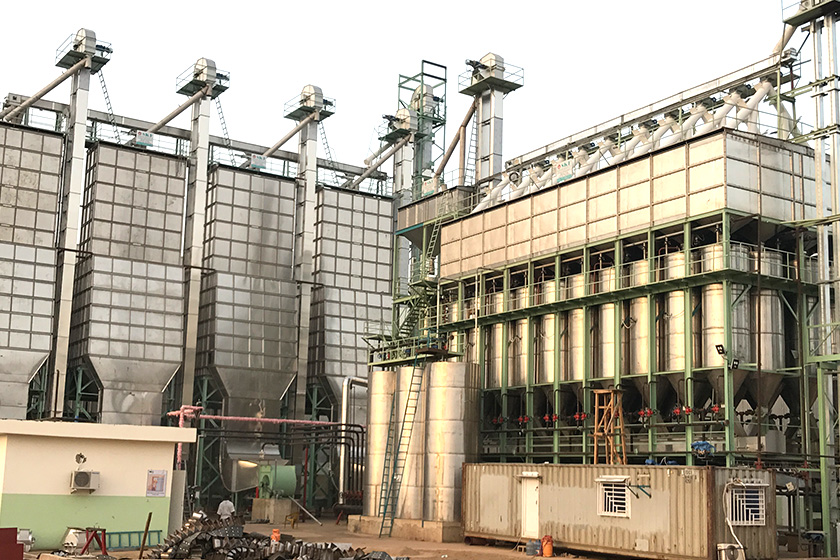
That’s where expert consultation from a Storage Silo Consultant becomes crucial. With precision-engineered silos and modern aeration systems, post-harvest losses can be minimized. Nextech Agri Solutions’ team of Storage Silo Consultants designs customized storage infrastructure that ensures grains remain fresh and ready for milling.

6. Integrating Solutions for the Rice Mill Business

In the Rice Mill Business, quality, yield, and efficiency are paramount. The sector faces challenges in processing paddy, maintaining grain length, and controlling breakage. By incorporating Grain Milling Solutions, rice millers can achieve automation in sorting, polishing, and packaging — ensuring premium output.

Additionally, consulting with a Storage Silo Consultant ensures that the rice remains moisture-free before and after milling. This not only maintains product quality but also enhances profitability in the competitive Rice Mill Business sector.

7. How Innovative Technologies Are Revolutionizing Milling Operations

Innovation is driving a new era in grain processing. Some key advancements transforming milling operations include:

a. Smart Automation

Automated control systems adjust parameters like temperature, grinding speed, and airflow for maximum yield and minimum energy use.

b. Data Analytics and Predictive Maintenance

With data-driven Grain Milling Solutions, millers can anticipate machine breakdowns before they occur — saving both time and money.

c. Modular Design and Scalability

Modern milling setups offer flexible configurations, enabling easy scaling as business needs grow.

d. Advanced Cleaning and Sorting

AI-powered optical sorters and precision cleaners ensure that only the highest-quality grains make it through the process, guaranteeing product consistency.

Why Choose Nextech Agri Solutions?

Nextech Agri Solutions stands as a trusted partner in designing, implementing, and optimizing Grain Milling Solutions for global clients. With decades of experience across Rice Mill Business setups, pulse milling, and storage systems, the company combines engineering expertise with smart technology.

Their comprehensive approach — from conceptualization to commissioning — ensures that every project delivers maximum output, efficiency, and sustainability. Whether it’s designing automated milling plants or serving as a Storage Silo Consultant, Nextech’s solutions empower millers to embrace the future confidently.

The Road Ahead: A Smarter, Sustainable Milling Future

The milling industry is evolving — and those who embrace technology will lead the transformation. Smart automation, sustainability practices, and integrated Grain Milling Solutions are not just trends; they are the foundation for the next generation of milling success.

By adopting these innovations, millers can achieve:

  • Higher efficiency and profitability
  • Consistent quality output
  • Sustainable and eco-friendly operations
  • Real-time decision-making through data

Conclusion

The challenges in the grain milling industry — inefficiencies, quality control, sustainability issues, and automation gaps — may seem daunting. Yet, with modern Grain Milling Solutions, they become gateways to innovation and growth.

Nextech Agri Solutions continues to lead this revolution, empowering millers to not only adapt but thrive in a rapidly changing industry. The future of milling is smarter, greener, and more efficient — and it starts with the right innovation.
Grain Milling Solutions for Startups: Everything You Need to Know Before Setting Up a Plant

The grain milling industry has always been a cornerstone of the food supply chain, providing essential ingredients like flour, semolina, and other processed grains used globally. With rising demand for processed food and packaged staples, many entrepreneurs are exploring opportunities in this sector. However, setting up a grain milling plant is not just about installing machinery—it requires in-depth planning, understanding of processes, and integration of modern grain milling solutions to ensure long-term success.

In this blog, we’ll guide startups through the key considerations before establishing a grain milling unit, with insights from industry experts like Nextech Agri Solutions, a trusted name in providing turnkey milling consultancy and engineering services.

1. Understanding the Grain Milling Industry

Before investing in infrastructure, it’s vital to understand the scope and demand of the grain milling market. The industry caters to diverse products, including wheat flour, rice, cornmeal, and specialty grains. Consumer preferences vary by region, so identifying the target market is the first step.

  • Market Demand: Research consumption patterns in your chosen location. For example, wheat flour is in high demand in urban India, while rice milling dominates in states like Punjab or West Bengal.
  • Competitor Analysis: Study existing mills to identify gaps in production quality, packaging, or distribution that you can leverage.
  • Regulatory Environment: Grain processing is closely regulated, and startups must comply with food safety standards like FSSAI, HACCP, or ISO certifications.

2. Selecting the Right Grain Milling Solutions

Choosing the right technology is at the heart of a successful milling plant. Modern milling solutions not only improve efficiency but also enhance product quality and reduce operational costs.

Key Aspects to Consider:

  • Automation and Efficiency: Advanced machinery enables higher throughput with minimal manpower, crucial for startups aiming to scale operations.
  • Energy Optimization: Energy-efficient solutions reduce production costs and environmental impact.
  • Flexibility: Select equipment that can handle multiple grain types if you plan to diversify products later.

Companies like Nextech Agri Solutions specialize in designing plants that integrate these features, offering end-to-end solutions from concept to commissioning.

3. Plant Layout and Design

A well-planned layout is critical for smooth operations and long-term scalability. The design should allow optimal material flow, from raw grain intake to finished product packaging.

Factors Influencing Layout:

  • Available Space: Efficient use of land can reduce construction costs.
  • Process Flow: Avoid cross-contamination by maintaining separate paths for raw and processed materials.
  • Future Expansion: Leave scope for adding new lines or storage units as demand grows.

Professional consultants can help design layouts that maximize productivity while adhering to hygiene and safety standards.

4. Raw Material Sourcing and Storage

The quality of grains directly affects the end product. Reliable sourcing from farmers, cooperatives, or suppliers is essential. Moreover, storage plays a critical role in maintaining grain quality before milling.

Storage Considerations:

  • Temperature and Moisture Control: Prevents spoilage and pest infestation.
  • Capacity Planning: Storage should align with production volumes to avoid bottlenecks.
  • Inventory Management: Use technology for tracking and managing stock levels efficiently.

5. Compliance and Quality Control

Food safety is non-negotiable in grain milling. Startups must invest in stringent quality control measures to meet consumer expectations and regulatory requirements.

  • Laboratory Testing: Regular checks for moisture, protein content, and contaminants.
  • Certifications: Acquiring certifications like ISO 22000 or HACCP boosts credibility in domestic and international markets.
  • Traceability: Implement systems to track raw materials from procurement to finished goods for accountability and safety.

6. Financial Planning and ROI

Setting up a milling plant is capital-intensive, and careful financial planning is crucial. Beyond machinery and infrastructure, consider recurring expenses such as labor, energy, and maintenance.

Cost Factors:

  • Machinery and installation
  • Land and building construction
  • Licensing and compliance fees
  • Working capital for initial operations

Startups should also analyze potential returns, considering local demand and distribution opportunities. Well-optimized plants using modern grain milling solutions typically see better margins due to reduced wastage and higher efficiency.

7. Partnering with Experts for Success

Many entrepreneurs underestimate the complexity of setting up a milling plant. Partnering with experienced consultants like Nextech Agri Solutions can significantly reduce risks and ensure a smoother launch. They provide comprehensive services, including feasibility studies, plant design, machinery selection, installation, and staff training—ensuring startups can focus on operations rather than technical hurdles.

Conclusion

Entering the grain milling business is a promising venture, but it demands thorough planning, reliable technology, and expert guidance. From understanding market dynamics to selecting the right grain milling solutions, every step impacts the success and profitability of your plant. By working with experienced partners like Nextech Agri Solutions, startups can confidently navigate challenges and establish efficient, scalable, and profitable milling operations.

Ready to turn your milling business idea into reality? Connect with Nextech Agri Solution today for expert guidance and end-to-end support in setting up your grain milling plant.

Grain Milling Consultant

Nextech Grain Processing and Engineering Solutions Pvt. Ltd is the leading Grain mill Consultants having more than ten years of experiment in the field. The professional team has mainly established the best class flour mills

Nextech Grain Processing and Engineering Solutions Pvt. Ltd is the leading Grain And Rice Mill Consultant having more than ten years of experiment in the field. The professional team has mainly established the best class flour mills and other food processing industries. Nextech Grain Processing and Engineering Solutions offer friendly, experience, and best sincere service, mainly committed to offering the best satisfaction to the extent. Being the top company in the Rice Industry, Nextech Grain Processing and Engineering Solutions are well versed in handling all the techniques in the paddy and rice industry. The expert team also has worked for large rice miller exporters across the world.

Exceptional Value Client Satisfaction:

Team of professionals at Nextech Grain Processing and Engineering Solutions values the client with providing good service to excellence. Professionals listen to all the concerns of the customers and provide good benefits in efficient and fast service across the world. Nextech Grain Processing and Engineering Solutions were established with a response to the growing needs of individuals and organizations.

Being the leader in Grain Milling Solutions, Nextech has the dedicated staff and manpower solution across all levels. Normally, the main challenge faced by every organization is choosing the right person for the right job.

Nextech Grain Processing and Engineering Solutions offer the perfect service from the well experienced and trained in the latest technology. The well-established company offers a wide number of services starting from consulting, engineering, design, construction, as well as the implementation of milling processing. Experts are well versed at


  • Training of Technical Report
  • Preparation of technological projects
  • Training of building drawings
  • Preparation of layout drawings
  • Guidance on the project erection
  • Necessary technical know-how for manufacturing equipment
  • Selection of machines
  • Choosing materials and contractors personnel
  • Experimental milling
  • Extracting of wheat germ
  • Guidance to have a shelf life


Best Rice Mill Consultants:

Nextech Grain Processing and Engineering Solutions Pvt. Ltd., have more than ten years of experience and trained much manpower in the rice milling technology. Rice Mill Business Consultants provides a wide number of services such as engineering, techno-economic feasibility studies, and more. Now you can easily consult the experts in complete comprehensive solutions on rice processing projects such as


  • Parboiling and Drying
  • Milling
  • Grading
  • Rice Cleaning
  • Quick Cook
  • Automation
  • Modernization
  • Contract Running


Leading technical consultants imparts with the impartial advice on equipment selection based on your requirement as well as a selection of the various criteria like economic preferences and technological features.


Enquire Now

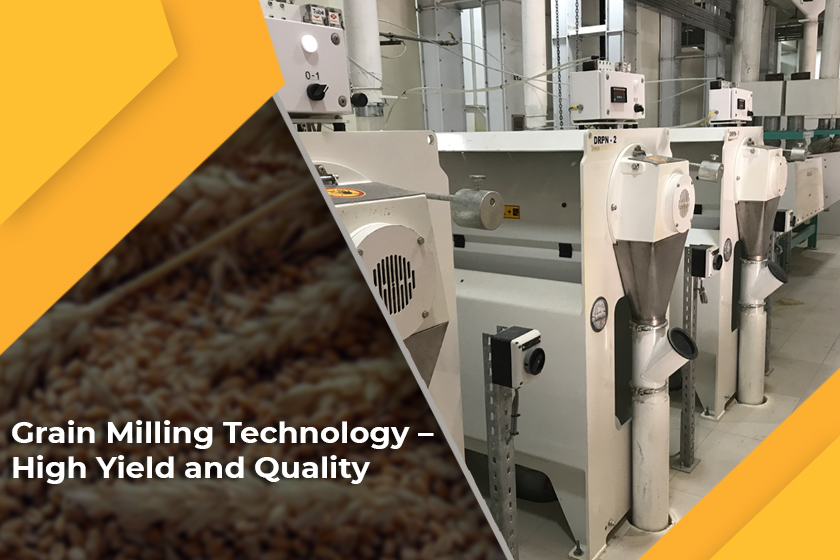
Grain Milling Technology – High Yield and Quality

The process of grounding of cereal grain into flour is known as milling. Waterwheels were the first things used for such tasks. Grains cannot be consumed in their raw form and hence it is necessary for it to undergo milling process. Grains are the main source of protein and nutrition and 70% of people in the world are dependent on it, the traditional method of grain milling is now replaced by Modern Grain Milling Technology. It is very fast as well as effective than the previous one. Nextech provides you the best Grain Milling Solutions with the latest milling technology used by the industries.

The milling provides a consistent product, a range of flours suitable for a variety of functions and flour suitable for a variety of functions and flour with predictable performance. This new technology has become a boon for the millers. The first operation of the mill is to analysing the grain. The grain then undergoes three stages.


  • Cleaning and conditionally- Clearing and conditioning the grain helps in removing all the impurities of the grain and it makes the grain ready for milling. 
  • Crushing or breakingIn this process, the grain breakdown in the successive stage and how it is ready to release its component parts.
  •  ReductionThis process helps in the progressive rolling and shifting of the grain. After this the refining of flour and separation of it into various categories takes place. These various categories are known as streams. 

Cleaning

The grain in its raw form contains weeds, chaff, and other materials. The high technology machines are capable of removing all the impurities and making it pure to eat. There is a disc separator in the machine which removes the husk from the grain. After that, the grain is taken to a strong blast of air for cleaning and after that, the magnetic separator removes any iron or steel from the grain. 

Extraction Rates

The figure that represents the percentage of flour production from a given quantity of grain is known as the extraction rate. For example, if 45 kg of flour is produced from 100 kg of grain, the extraction rate is 45% (45÷100×100). The extraction rate depends upon the flour production and it may vary according to it. The grain flour containing all the germ can have an extraction rate closer to 100%. But the pure white grain flour usually has extraction rates around 70%. The germ and bran of the grain have a very high rate of nutrients and hence the flour which has a higher extraction rate have a higher nutritional value.


Enquire Now

Different Milling Techniques– Modern and Traditional Mills.

Rice has remained the staple food to more than half the humanity since time immemorial despite waves of food revolutions. Covered by two different layers, namely- bran (the inner layer) and husk (outer layer), Rice paddy becomes rice only when the two layers are removed properly through hulling and milling of paddy and hence processing of rice can be termed as the hulling and milling ratio. Production wise India has risen to become the second largest producer of rice in the world (21 percent of global rice production), next only to China. The growth of population exerts more pressure- pushing for higher productivity of crops while a larger quantity of food grain continues to be lost due to inefficient milling processes in the country. Therefore, it calls for a better processing technique of rice to prevent processing loss. Generally, rice kernels are often susceptible to breakage due to inefficient milling processes. Therefore, more efficient milling processes are becoming imperative with Government encouragement and policies so that with better recovery ratio and quality rice kernel production hunger in India is ameliorated after 2030.

The efficiency of grain milling processes denotes three factors-technologies, degree of competition and capacity of utilization each of which Nextechagrisolutions- the leading Rice Mill Consultant in the domestic Food and Grain Industry elevates substantially. Nextechagrisolutions Engineering Solutions Pvt. Ltd.,- India’s leading Rice Mill Project & Rice Mill Plant Manufacturer India  & of Rice Mill Machinery Consultants facilitate the transformation from a traditional Rice Mills to a modern one by transferring the expertise and experience of erecting the 360o ecosystem. Nextech Grain Processing & Engineering Solutions Pvt. Ltd. possesses the necessary wherewithal for automating and upgrading of existing Rice Mills to state of the art, automated mill through innovation and automation for customized needs. The quality in terms the rice output’s quality, whiteness, milling degree, grain dimensions is enhanced and enables the manufacturers to fulfill the exacting customer demands on quantity as well as quality parameters to capture market share and ensure greater returns.

Difference Between Traditional & Modern Milling

Generally, rice kernels are often susceptible to breakage and hence hulling and milling ratio is low due to inefficient milling processes. Therefore, modern efficient milling processes that raise productivity are often automated while ensuring a modern product ready for the supermarkets. This not only ensures better recovery ratio & quality rice kernel production but also better returns. The quality of finished rice/polished rice is also dependent on the quality of raw paddy used for conversion, the new technological improvements introduced in rice milling, but the growing demand is making never before demands on rice production. One of Nextech’s specialties is to impart 360o consultancy for the Modernization Of Rice Mills.

Rice Milling Technology– Then & Now

Traditionally, maintaining high quality and output of rice was easy with limited technology, government policies, little investment, miss-management etc. This led to the rejection of many shipped consignments due to poorer than international quality standard. Rice Mill plants were not efficient in terms of energy conservation, maintenance, productivity, and Quality management systems were not employed. The units even lacked testing labs for routine check-ups. Now(automatic and semi-automatic) manufactured and supplied by Japan & Germany are extensively employed  and new technologies were introduced including the use of rubber roller technology for husking; Two-stage whitening process; Use of Paddy separators; Old stone disk hullers, vertical cone polishers replaced by emery-coated cylinders etc., Emphasis is now on Skilled operators, use of NUE (Nitrogen Use Efficient) technology and Turbo & extractive milling to speed  up the process while saving energy. Nextech Solutions introduces ever more innovations to produce high-quality products for greater returns.


Enquire Now