 MAIL US :
 CALL US :
>
CALL US :
>
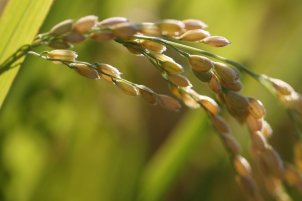
Generally, rice plants take about 3 to 6 months to grow from seedlings to reach maturity, mostly varying according to the environmental conditions and undergo 3 distinct growth phases, which are vegetative, reproductive and ripening.
As such, rice varieties across the world are categorized into 2 groups based on their growth duration. There is a short-duration variety maturing in 100 to 120 days and a longer when taking about 150 days.
Let’s now take a look at how rice is grown:
1. Seed Quality Analysis & Selection
To realize the yield potential, a seed must be grown, harvested and finally processed justly. Also, healthy, good-quality seeds carry the potential of increasing the yield by 20%. Some of the benefits of using good quality seeds are:
– Decreased seeding rates
– Increased crop emergence
– The decreased need for replanting
– Vigorous early growth
– Increased resistance to pests, insects and natural diseases
– Reduced weed growth
A good seed is one which is pure, i.e. coming from single variety, uniform in size, viable and free of pathogens, insects and seed-borne diseases.
2. Land Preparation
It’s mandatory to prepare the land and render it suitable for planting seeds. The soil, before planting, should be in the best physical condition if one expects an optimum plant growth. Essentially, land preparation involves plowing, digging up or harrowing to till and leveling the soil.
3. Crop Establishment
There are two common practices for planting rice seeds. These are:
– Direct seeding: Done either by hand or machine, direct seeding involves broadcasting pre-germinated/dry seeds. Generally, dry seeds are manually planted into the soil in ecosystems that are rain-fed, while pre-germinated seeds are planted in areas with dry soil.
– Transplanting: More popular of the two, transplanting involves the transfer of pre-germinated seeds from seedbed to wet fields. Although it requires less seeds and is a particularly effective method to control weeds, it is labour intensive.
4. Water & Nutrient Management
Since rice is grown in bunded fields which are flooded for up-to 10 days prior to the harvest, it’s fairly easy to determine that rice is extremely sensitive to water shortage. Contributing to this fact is its semi-aquatic ancestry. Keep in mind the following water management tips for maximum rice yields:
– Construct field channels
– Optimum land preparation
– Leveling the soil
– Construct bunds to limit any water loss
It’s also important to keep in mind that rice plant requires different nutrition at different stages. Nutrition management is a chief component of rice production.
5. Crop Health
Globally, farmers annually lose about 35% of their crops to plant diseases and pests. Rodents, insects, viruses, weeds, etc. are arch nemesis of rice plant. It’s important for rice farmers to understand how the crops interact with the pests and avoid such conditions. Certain tips that could help are:
– Land and water management
– Hand weeding
– Herbicides
– Good cleaning of farming equipments
– Pest resistant seed varieties
6. Harvest
Harvesting involves the collection of mature rice plants. AS we’ve discussed above, rice crops generally take 100 to 150 days to mature, depending on their growth duration. To minimize grain damage and for maximum yield, it’s mandatory to involve good harvesting techniques. It can be done either manually or using a combine harvester. Harvesting includes:
– Reaping
– Threshing
– Cleaning
– Hauling
– Field drying
– Stacking
– Packaging
Frequently Asked Questions (FAQs)
1. What is the duration of the rice crop?
The duration of the rice crop varies depending on the variety and growing conditions. Short-duration varieties mature in about 100–120 days, while long-duration varieties may take up to 150 days to reach harvest.
2. What is the rice life cycle?
The rice life cycle consists of three main phases:
- Vegetative phase (seedling to tillering)
- Reproductive phase (panicle initiation to flowering)
- Ripening phase (grain filling to harvest)
Each phase plays a crucial role in determining the final yield and quality of the rice.
3. How long does it take for rice to grow?
On average, it takes 3 to 6 months (or about 100–150 days) for rice to grow from seed to harvest. The duration depends on climate, soil conditions, and whether the rice is of short- or long-duration type.
4. What are the main stages in the rice plant life cycle?
The rice plant life cycle includes:
- Seed germination
- Seedling establishment
- Vegetative growth
- Reproductive development
- Ripening and maturity
- Harvesting
Each stage requires specific care, water, and nutrient management for optimal growth.
5. What factors affect the duration of rice crop growth?
Several factors influence how long rice takes to grow:
- Variety of rice (short or long-duration)
- Temperature and climate
- Water availability
- Soil fertility
- Farming practices and pest management
6. What is rice production?
Rice production refers to the complete process of cultivating rice—from selecting high-quality seeds and preparing land to planting, irrigating, harvesting, and processing the final grain. It’s one of the most vital agricultural activities worldwide, feeding more than half of the global population.
7. How can farmers increase rice yield?
Farmers can boost rice production by using certified seeds, adopting modern irrigation systems, ensuring timely nutrient application, and following integrated pest management practices.