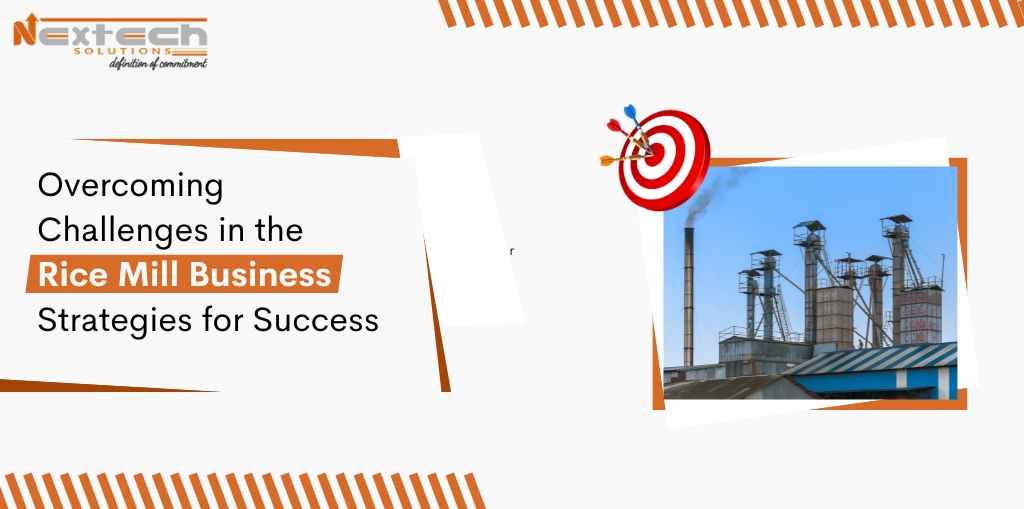
Top Challenges in the Rice Mill Business and How to Overcome Them

The rice mill business remains one of the most important agro-processing sectors, especially in countries where rice is a staple food. Growing demand, improved consumption patterns, and government support have made the industry highly promising. However, starting and sustaining a profitable mill is far from easy. From procurement delays to technology gaps, mill owners often face multiple operational and financial hurdles that affect productivity and profitability.

With the right planning, expert guidance, and modern systems, many of these challenges can be tackled efficiently. This blog explores the major obstacles in the rice milling sector and provides practical rice mill solutions to overcome them, with insights aligned to industry best practices followed by organizations like Nextech Agri Solutions.

1. Raw Material Procurement and Quality Issues

One of the biggest concerns in the rice mill business is sourcing consistent and high-quality paddy. Seasonal variations, moisture content, and poor storage conditions often lead to damaged grains and lower yields. Mills that depend on local traders may also face price fluctuations and inconsistent supply.

How to Overcome This

  • Build direct connections with farmers or cooperatives
  • Use proper grading and moisture testing tools
  • Invest in scientific storage solutions
  • Implement long-term procurement contracts

Working closely with agricultural experts or a Rice Mill Consultant can also help establish reliable sourcing networks and improve material selection, ultimately increasing milling efficiency.

2. Inefficient Milling Technology

Many mills still rely on outdated machinery, resulting in higher breakage, lower head rice recovery, increased energy consumption, and poor polishing quality. Inefficient technology also increases maintenance downtime and operating costs.

Solution

  • Upgrade machinery to modern, automated milling systems
  • Install energy-efficient equipment
  • Adopt process automation and monitoring tools
  • Conduct periodic maintenance and training programs

Advanced milling layouts designed by industry specialists can significantly improve recovery rates and product quality while reducing wastage.

3. High Energy Consumption

The rice milling sector is energy-intensive, and rising electricity costs directly impact profits. Frequent power interruptions also slow down production, especially in rural areas.

Practical Measures

  • Use energy-efficient motors and dryers
  • Install solar or hybrid power support systems
  • Optimize machinery layout to reduce power loss
  • Monitor energy usage regularly

Even small improvements in power management can deliver long-term cost savings.

4. Skilled Workforce Shortage

Operating modern milling machines requires trained manpower. Many mills face challenges in hiring skilled operators, technicians, and quality control staff. Lack of expertise leads to equipment misuse, inefficiency, and product defects.

How to Address This

  • Offer employee training and certification programs
  • Conduct regular skill development workshops
  • Introduce performance-based incentives
  • Use automation where manual skills are limited

Consulting professionals can help build workforce development plans tailored to milling operations.

5. Poor Storage and Post-Harvest Management

Improper storage leads to pest infestation, moisture changes, discoloration, and grain spoilage. Many mills lack proper warehousing, resulting in significant post-harvest losses.

Recommended Solutions

  • Invest in modern silos or controlled warehouses
  • Use fumigation and pest-control systems
  • Maintain proper ventilation and humidity control
  • Follow FIFO (First In, First Out) inventory method

Effective storage reduces losses and maintains grain quality throughout the year.

6. Regulatory and Compliance Challenges

The rice milling industry must follow government policies related to food safety, environmental norms, packaging, and taxation. Frequent policy changes may create confusion and financial pressure for mill owners.

Solutions

  • Stay updated with government regulations
  • Maintain proper documentation and certifications
  • Seek legal and compliance guidance when needed
  • Adopt sustainable and environmentally safe practices

Transparent operations build trust with buyers and regulatory bodies.

7. Market Competition and Pricing Pressure

Competition from both small local mills and large automated units often forces businesses to reduce prices, affecting margins. Limited branding and marketing also make it difficult to stand out in the market.

Strategic Approaches

  • Improve product quality and consistency
  • Diversify product offerings (bran, broken rice, husk-based energy)
  • Create a strong brand identity
  • Explore retail and export opportunities

Adding value through packaging and branding can significantly boost profitability.

8. Lack of Proper Business Planning

Many mills start operations without a structured business plan. This results in unclear goals, poor financial management, and inefficient workflow.

How to Overcome This

  • Conduct feasibility studies before investment
  • Analyze market demand and competition
  • Prepare financial projections and budgeting plans
  • Optimize plant layout for smooth production flow

Professional guidance from a Rice Mill Consultant can help mill owners design efficient plants and implement structured business models.

Role of Expert Consulting Support

Modern rice milling requires technical knowledge, process optimization, and strategic planning. Industry experts provide solutions for:

  • Plant layout and design
  • Technology selection
  • Process automation
  • Quality control systems
  • Supply chain improvement

Consultants also help mills achieve higher rice recovery, better output quality, and improved profitability.

Conclusion

The rice mill business offers immense potential, but success requires overcoming challenges related to procurement, technology, energy use, labor, compliance, and market competition. By adopting modern systems, strategic planning, and efficient operational practices, mill owners can significantly improve performance and profitability.

Companies working with expert industry partners like Nextech Agri Solutions gain valuable insights, a customized Rice Mill Layout Plant, and professional guidance that ensure long-term success in the milling sector. With the right approach and continuous improvement, the rice milling industry can grow sustainably and remain competitive in the evolving food market.

Best Practices for Storage and Packaging in Rice Milling

Rice is a staple food for more than half the world’s population, making it one of the most traded commodities globally. For those in the Rice Mill Business, producing polished, high-quality rice is only half the battle. The real challenge lies in keeping that rice fresh, safe, and market-ready until it reaches consumers. Post-milling storage and packaging directly affect grain quality, shelf life, and ultimately, profitability.

At Nextech Agri Solutions, we’ve observed that while many millers focus heavily on milling efficiency, equal attention to storage and packaging is what truly separates a successful Rice Mill Business from a struggling one. Let’s explore how the right practices ensure quality, reduce losses, and build long-lasting consumer trust.

Why Storage and Packaging Matter in the Rice Mill Business

Once rice is milled, it becomes more vulnerable to environmental conditions. Factors like moisture, pests, heat, and improper packaging can quickly reduce its value. Problems such as discoloration, mold, insect damage, and loss of aroma not only compromise quality but also erode consumer trust in a brand.

For a competitive Rice Mill Business, ensuring the rice that leaves the mill retains its flavor, freshness, and safety standards is crucial. Customers expect every grain to reflect consistency and care—making storage and packaging just as important as milling.

Did You Know?

“Did you know that even perfectly milled rice can lose its quality, aroma, and market value if stored or packaged incorrectly? For rice millers, the journey doesn’t end at milling—the real challenge begins with keeping every grain safe, fresh, and market-ready.”

Modern Storage Techniques Every Rice Mill Business Should Adopt

Leading experts and any experienced Rice Mill Consultant agree that storage is the backbone of post-harvest management. Without modern practices, rice quickly loses its commercial value. Here are proven methods millers can adopt:

1. Control Moisture Levels

  • Optimum moisture content for stored rice is between 13–14%.
  • Excess moisture invites mold and fungus, while overly dry rice becomes brittle.

2. Temperature Regulation

  • Rice should be stored in cool, dry environments to slow down degradation.
  • Automated systems can monitor and maintain temperature effectively.

3. Prevent Pest Infestation

  • Using airtight silos reduces exposure to insects.
  • Periodic fumigation and integrated pest management techniques minimize contamination risks.

4. Invest in Advanced Silos

  • Modern silos provide hermetic storage, ensuring rice remains uncontaminated.
  • Automation manages aeration, moisture, and temperature, reducing human error.

When working with a professional Rice Mill Layout Plant design, millers can integrate these modern silos and warehouses seamlessly into their operations, ensuring efficiency and scalability.

Packaging Solutions That Protect Quality and Build Brand Trust

Packaging is more than just wrapping rice in a bag—it’s the last line of defense against environmental damage and contamination. For a thriving Rice Mill Business, smart packaging is also a brand-building tool.

Best Packaging Practices for Millers:

  • Vacuum Packaging: Removes oxygen, slowing down microbial growth.
  • Modified Atmosphere Packaging (MAP): Replaces oxygen with inert gases like nitrogen to retain freshness.
  • Sealed Laminated Bags: Prevent moisture absorption and pest entry.
  • Eco-Friendly Packaging: Biodegradable options meet consumer demand for sustainability.

Sustainable solutions are increasingly favored by buyers. Many Rice Mill Engineers & Designers now recommend eco-friendly yet durable packaging that not only protects rice but also strengthens consumer loyalty to the brand.

Reducing Post-Harvest Losses with Smarter Practices

Each year, rice-producing countries lose significant quantities of rice due to poor handling after milling. A large share of these losses can be prevented with better storage and packaging. Strategies include:

  • Routine checks on grain moisture content
  • Use of hermetic bags or silos for airtight storage
  • Automated monitoring for consistent quality
  • Training workers in hygiene and handling best practices

Any seasoned Rice Mill Consultant will highlight that while these measures require upfront investment, the long-term savings and revenue gains far outweigh the costs. For businesses aiming to scale, this is non-negotiable.

Meeting Consumer Expectations Through Quality Assurance

Modern consumers demand:

  • Freshness – Rice should retain its natural aroma, taste, and texture.
  • Safety – No traces of pests, fungus, or chemical residues.
  • Sustainability – Brands that use environmentally responsible packaging gain stronger trust.

A Rice Mill Business that consistently meets these expectations earns repeat buyers and long-term contracts. This is why packaging isn’t just functional—it’s also part of brand identity and market positioning.

The Role of Experts in Perfecting Storage and Packaging

Not all millers have the in-house expertise to implement advanced storage and packaging solutions. That’s why consulting professionals can be transformative. Collaborating with Rice Mill Engineers & Designers helps businesses develop customized solutions—from layout planning to packaging innovations—that align with market demands.

Similarly, an experienced Rice Mill Consultant can analyze existing systems, recommend upgrades, and guide millers in adopting cost-effective yet modern techniques. At Nextech Agri Solutions, we’ve seen millers benefit tremendously from tailored solutions that combine efficiency with sustainability.

A properly designed Rice Mill Layout Plant not only streamlines operations but also ensures that storage and packaging areas function seamlessly, preventing bottlenecks and maintaining consistent quality standards.

Final Thoughts

In today’s competitive food market, milling alone does not define success. For a Rice Mill Business, protecting the quality of rice through proper storage and packaging is vital to profitability and reputation. Moisture control, pest prevention, climate-regulated storage, and smart packaging solutions help minimize losses and maximize consumer satisfaction.

Millers who ignore these aspects risk product rejection, reduced shelf life, and loss of consumer trust. On the other hand, those who adopt modern solutions and sustainable practices strengthen their brands and secure long-term growth.

If you’re ready to protect your grains, minimize losses, and build a brand consumers trust, it’s time to partner with the experts. At Nextech Agri Solutions, we help millers design efficient Rice Mill Layout Plant setups, implement advanced storage systems, and adopt sustainable packaging solutions that set businesses apart.

Take your Rice Mill Business to the next level with the right guidance, smart infrastructure, and innovative packaging. Connect with Nextech today and safeguard every grain for tomorrow’s success.

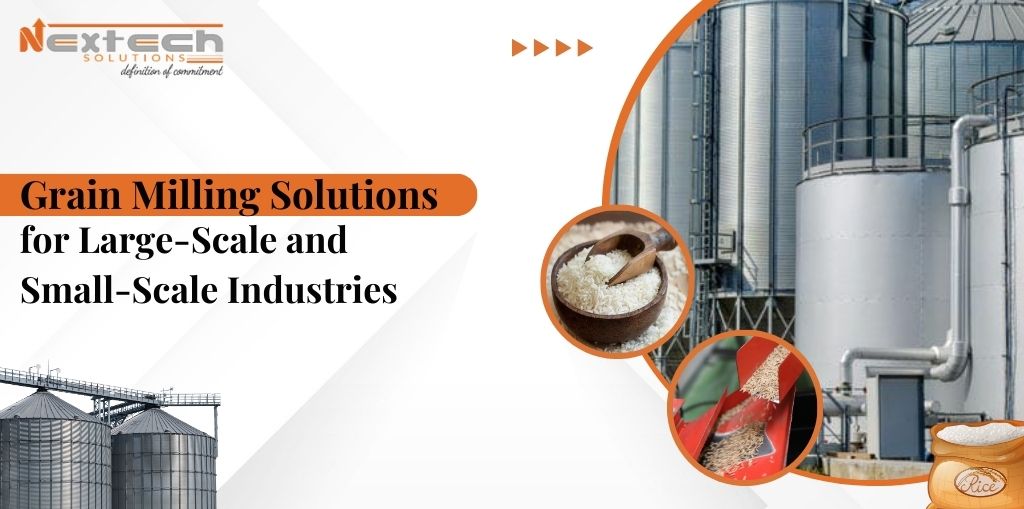
Grain Milling Solutions for Large-Scale and Small-Scale Industries

In today’s changing agricultural industry, grain milling is an essential function of having high-quality processing of grain for both large-scale and small-scale industries. Whether local markets or international exports, having the right milling solution can mean success for a rice mill business or failure to cope with demand.

Understanding Grain Milling Solutions

Grain milling solutions are the equipment and technologies used to turn raw grains into end products like flour, rice, or other grain foodstuffs. New milling solutions not only make the processing more efficient but also give the end product a better overall quality.

Primary Advantages of New Milling Solutions

  • Efficiency: New milling equipment is capable of processing grains quicker, enhancing production capacities for companies of any size.
  • Quality Control: Sophisticated solutions utilize technology to provide consistent milling, eliminating impurities and preserving the grain’s integrity.
  • Cost-Effective: Although the initial capital outlay is high, contemporary machinery reduces waste and long-term operating expenses.
  • Scalability: Companies can readily expand their operations by moving to larger or more advanced equipment as their requirements change.

Milling Solutions for Large-Scale Industries

Mass industries usually need high-capacity milling systems to handle enormous amounts of grains effectively. Such companies are advantaged by:

  • Automated Milling Lines: This minimizes the use of human labor and guarantees uniform quality output.
  • Sophisticated Sorting and Polishing Machinery: This guarantees the elimination of all contaminants and improves the aesthetic value of finished products.
  • Energy-Efficient Systems: Minimizing power usage while still producing high volumes is critical for mass operations.

Nextech Agri Solutions provides customized grain milling solutions that are engineered to suit the requirements of high-capacity operations for maximum performance and reliability.

Small-Scale Industry Milling Solutions

Small-scale industries have tighter budgets and might be catering to local markets. They need flexible and cost-effective milling solutions, including:

  • Compact Milling Units: Perfect for small spaces, these units provide great performance at a lower price.
  • Manual and Semi-Automatic Systems: These enable businesses to manage costs without compromising product quality.
  • Modular Designs: Small-scale businesses can begin with simple equipment and upgrade as business expands.

Establishing a Rice Mill Business

Businesses that operate a rice mill business must have careful planning and the proper grain milling solutions in order to be successful. Some of the most important steps are:

  1. Market Research: Research the demand for rice and other grain products within the local and regional areas.
  2. Business Plan: Construct an extensive plan including equipment requirements, manpower, and financial expectations.
  3. Select Proper Equipment: Weigh production capabilities, energy conservation, and pricing while choosing the machinery.
  4. Quality Control: Use procedures to keep the product at a high level of quality and meet industry expectations.
  5. Raw Materials Sourcing: Build long-term relationships with efficient suppliers to secure consistent grain supply.
  6. Brand Identity: Design an original brand to make your company stand out from the crowd in a competitive environment.

Trends in the Milling Industry

The grain milling business is seeing some innovations to enhance efficiency and sustainability. Some of the important trends are:

  • Digitalization: Adoption of IoT (Internet of Things) and AI-driven systems for real-time tracking and process enhancement.
  • Sustainable Milling Practices: Implementing energy-efficient equipment and minimizing water usage to ensure less environmental footprint.
  • Traceability: Sophisticated tracking technologies that enable customers to track the source of their grains, fostering transparency and confidence.

Choosing the Right Partner

Choosing a reliable partner in the solution for grain milling is important to achieve long-term business success. Nextech Agri Solutions provides advanced technology and professional consultancy services to enable businesses to meet their production objectives. With solutions for both small-scale and large-scale industries, Nextech provides high efficiency, quality, and reliability.

Conclusion

Whether you own a large or small business, investing in innovative grain milling technologies is crucial for enhancing efficiency, quality, and profitability. Businesses can gain customized solutions that cater to their individual needs by aligning with leaders in the sector such as Nextech Agri Solutions and put themselves in position for long-term success.

Moving towards innovation and quality will keep businesses ahead in the current vibrant grain milling industry.

Sustainable Grain Milling Solutions for Eco-Friendly Production

In a world that places more importance on sustainability Farming faces increasing pressure to adopt practices that balance productivity and environmental management. For the rice mill business Adopting sustainable practices is not just an ethical decision. Rather, it is a strategic move that aligns with consumer demand and long-term profitability.

The importance of sustainable practices in rice milling

Grain milling is a cornerstone of food production that affects the lives of millions of people around the world. However, traditional milling They often involve the use of large amounts of energy, water use, and waste generation. These factors contribute to environmental degradation. This makes sustainability a pressing concern. Adopting sustainable grain milling solutions helps businesses Can reduce the ecological footprint. while ensuring long-term operational viability.

Environmentally friendly production not only conserves natural resources. But it also improves the quality of the final product. Consumers are now more aware of where their food comes from. By giving importance to products that come from sustainable sources. This shift in consumer behavior presents an opportunity for businesses to differentiate themselves in a highly competitive market.

Key components of a sustainable grain milling solutions

Energy Efficiency

One of the main goals of a sustainable grain mill is to reduce energy use. Modern milling equipment with energy-saving motors and automation can significantly reduce electricity consumption. Experts will guide businesses in selecting and using these technologies. To ensure maximum efficiency and cost savings.

Waste Management

Traditional grain milling It produces a large amount of waste, including rice husks, bran and dust. Sustainable practices involve converting these by-products into valuable resources. For example, rice husks can be used as biofuel or in the production of biodegradable materials. Tailored solutions for waste utilization transform potential liabilities into revenue streams.

Water Conservation

Water is an important resource in a rice mill business. This is especially true in processes such as steaming in a rice mill. By adopting water-saving technologies such as closed-loop systems, which recycle water within the factory, conserve water, reduce costs, and ensure compliance with environmental regulations…

Economic Benefits of Sustainable Grain Milling

Adopting environmentally friendly practices has significant economic benefits. Although the initial investment in sustainable technology may seem high, But long-term energy, water, and waste management savings often outweigh the costs. Additionally, businesses that prioritize sustainability are more likely to attract partnerships and investment from stakeholders who value environmental responsibility.

Sustainable grain milling solutions also open doors to the premium market. Products produced using environmentally friendly methods can command a higher price. Attracting consumers who are willing to pay more for sustainability, compliance with global environmental standards also facilitates access to international markets. and increase business opportunities as well

The role of technology in changing grain milling

Technology plays a key role in making grain milling sustainable. automatic system data analysis And artificial intelligence allows precise tracking and control of the milling process. Increase efficiency and reduce waste Advanced equipment and new methods Helping businesses Optimize operations

For example, automated quality control systems reduce manual intervention and ensure consistent product quality. Data-driven insights help businesses identify inefficiencies and make targeted improvements. By integrating these technologies, businesses can achieve a seamless blend of sustainability and productivity.

Challenges and solutions in implementing sustainable practices

While the benefits of sustainable grain milling are obvious, But businesses They often face challenges in transitioning to environmentally friendly practices. Common barriers include high startup costs. Lack of technical expertise and resistance to change Helping businesses These obstacles can be overcome by providing end-to-end support from feasibility studies to implementation training.

Experts work closely with clients to develop customized solutions to meet their unique needs and goals. By fostering a culture of innovation and collaboration, businesses can confidently embrace sustainability.

Conclusion

When the world population increases The demand for food will only increase. Sustainable grain milling solutions are essential to meeting this need without compromising the health of our planet. Businesses that prioritize green production today will be better positioned to prosper in the future. Gain a competitive advantage and contribute to a sustainable food system.

Nextech Agri Solutions is committed to creating positive change in the agriculture sector. By collaborating with various businesses It is considered a future where performance and sustainability go hand in hand.

How to Choose the Right Equipment for Your Rice Mill Business

The rice milling industry plays a pivotal role in ensuring a consistent supply of high-quality rice to markets worldwide. Starting a rice mill business requires meticulous planning and an in-depth understanding of the necessary machinery. Choosing the right equipment is the cornerstone of success, as it directly impacts efficiency, quality, and profitability. Nextech Agri Solutions, a trusted name in agricultural consultancy, offers comprehensive guidance to businesses aiming to optimize their grain milling operations.

Understand Your Business Requirements

Before purchasing any equipment, it’s crucial to analyze the specific needs of your rice mill business. Consider factors such as production capacity, budget, and the type of rice you aim to process. Understanding these parameters ensures that you invest in machinery that aligns with your goals, minimizing unnecessary expenses.

Assess the Quality and Efficiency of Equipment

High-quality machinery not only enhances the efficiency of operations but also ensures superior product quality. When selecting equipment, prioritize machines that offer reliable performance and require minimal maintenance. Modern grain milling solutions come equipped with advanced features like automated controls and energy-efficient designs, making them a valuable addition to any rice mill setup.

Key Machinery for Rice Mill Business

A fully operational rice mill requires a combination of several types of equipment, each performing a specific role in the milling process. The essential machines include:

Pre-cleaners: 

These remove impurities such as stones, dirt, and husks.

Dehuskers: 

Essential for removing the husk from raw rice grains.

Paddy separators: 

They separate unhusked paddy from the processed rice.

Polishers:

 These machines enhance the appearance and quality of rice grains.

Investing in the right combination of these machines ensures smooth operations and consistent output.

Prioritize Energy Efficiency and Cost-effectiveness

Energy efficiency is a significant consideration when choosing rice milling equipment. Machines with lower energy consumption reduce operational costs, making your business more sustainable. While high-quality machines may come with a higher initial investment, their long-term benefits in terms of efficiency and durability make them a cost-effective choice.

Consult Experts in the Field

Navigating the complexities of selecting the right machinery can be challenging. Engaging with a rice mill consultant can simplify this process, providing you with expert insights into the best equipment for your specific requirements. Consultants can also guide you on layout design, equipment integration, and process optimization, ensuring that your business operates at peak efficiency.

Ensure Compliance with Industry Standards

The equipment you choose should adhere to industry standards and regulatory requirements. Compliance ensures the safety and reliability of your operations while also improving marketability. Always verify certifications and warranties when purchasing machinery to avoid potential setbacks.

Plan for Scalability and Future Expansion

As your company expands, your machinery should be able to meet rising production requirements. Choose equipment that allows for scalability, enabling you to expand operations without requiring a complete overhaul of your setup. This forward-thinking strategy assures the sustainability and profitability of your company.

Maintain and Upgrade Equipment Regularly

Proper maintenance is essential to keep your machinery in optimal condition. Develop a maintenance schedule to prevent unexpected breakdowns and ensure consistent performance. Periodically upgrading your equipment with the latest grain milling solutions can also improve efficiency and keep you ahead of competitors.

The Role of Nextech Agri Solutions

Choosing the right equipment for your business is no small feat, and partnering with experienced professionals can make all the difference. Nextech  specializes in providing tailored solutions to businesses in the agricultural sector. From equipment selection to process optimization, their expertise ensures that your operations are efficient, sustainable, and profitable.

Conclusion

Establishing a successful rice mill business begins with selecting the right equipment. By understanding your requirements, prioritizing quality and efficiency, and consulting with experts, you can build a robust setup that delivers consistent results. Nextech Agri Solutions stands ready to assist you in achieving your goals, offering unparalleled expertise and cutting-edge solutions to enhance your grain milling operations. Invest wisely today to pave the way for a thriving future in the rice milling industry.


Top Grain Milling Solutions for Efficient Flour Production

The agriculture industry is evolving rapidly, driven by the need for efficient practices and technological advancements. In this competitive landscape, effective grain milling solutions play a pivotal role in ensuring high-quality flour production while optimizing resources. For businesses aiming to enhance their operations, adopting innovative practices in grain milling is not just an option but a necessity.

Understanding Grain Milling: A Vital Component of Agriculture

Grain milling  is a critical process in the production of flour and other grain-based products. It involves cleaning, hulling, grinding, and sieving grains to achieve the desired consistency and quality. The process directly influences the quality of the final product, impacting taste, texture, and nutritional value. By investing in advanced milling solutions, businesses can ensure consistent results, reduce wastage, and improve overall efficiency.

Key Components of Efficient Grain Milling Solutions

Efficient grain milling solutions relies on several core components that work seamlessly to achieve the desired output. These include:

Cleaning Systems: 

Removing impurities such as stones, husks, and other debris is essential for high-quality milling. Advanced cleaning systems ensure thorough cleaning without damaging the grains.

Grinding Technology: 

Precision in grinding determines the texture and quality of flour. Modern milling solutions utilize state-of-the-art machinery to achieve uniform grinding, ensuring superior product quality.

Automation and Control:

 Automated systems with precise control mechanisms help optimize the milling process, reducing manual intervention and minimizing errors.

Energy Efficiency: 

Sustainable milling practices prioritize energy-efficient machinery, reducing operational costs and environmental impact.

The Role of Expert Consultants in Grain Milling

Navigating the complexities of grain milling requires expertise. Businesses can benefit significantly from the guidance of professional consultants who bring years of experience and industry insights. Consultants can help in designing customized milling setups, selecting the right machinery, and implementing best practices to enhance productivity. Their involvement ensures that every aspect of the milling process aligns with the specific needs of the business.

Case in Point: Rice Milling Business Optimization

For businesses engaged in rice milling, achieving efficiency requires tailored solutions that address unique challenges. The rice milling process includes dehusking, polishing, and grading—each step demanding precision and consistency. By leveraging the expertise of a rice mill consultant, businesses can identify bottlenecks, implement advanced technology, and streamline operations for optimal output.

In addition to improving the end product’s quality, advanced rice milling technologies also save waste and boost profitability. Adopting modern practices helps businesses meet stringent quality standards, ensuring customer satisfaction and compliance with regulations.

Innovations Shaping the Future of Grain Milling

The grain milling industry is witnessing a wave of innovations that are transforming traditional practices. Some of the notable advancements include:

Smart Sensors and IoT Integration: 

Real-time monitoring and data collection enable businesses to track performance metrics, identify inefficiencies, and make informed decisions.

Sustainable Practices:

 Emphasis on sustainability has led to the development of eco-friendly machinery and processes, reducing the carbon footprint of milling operations.

Customization Options:

 Modern milling equipment offers customization features, allowing businesses to produce flour with specific characteristics tailored to market demands.

Benefits of Adopting Advanced Grain Milling Solutions

Investing in advanced grain milling solutions offers a multitude of benefits, including:

Enhanced Product Quality:

 Precision and consistency in milling lead to superior flour quality, meeting consumer expectations.

Increased Efficiency:

 Automated systems streamline operations, reducing downtime and maximizing output.

Cost Savings: 

Energy-efficient machinery and reduced wastage translate to significant cost savings in the long run.

Scalability: 

Modern setups allow businesses to scale operations seamlessly, accommodating growing demands.

Partnering for Success

For businesses looking to excel in the grain milling sector, collaboration with industry leaders is crucial. A reliable partner can provide the technical expertise, cutting-edge machinery, and strategic insights necessary for success. Companies that specialize in agriculture solutions bring a holistic approach, addressing every aspect of the milling process to ensure optimal results.

Conclusion

Efficient grain milling is at the heart of successful flour production, enabling businesses to deliver high-quality products while maintaining cost-effectiveness. By embracing advanced solutions and seeking guidance from experts like Nextech Agri Solutions, businesses can navigate the challenges of the industry and position themselves for long-term success. In an ever-evolving agricultural landscape, staying ahead requires innovation, commitment, and a focus on excellence.


From Paddy to Profit: How to Optimize Your Rice Mill Business for Maximum Returns

Running a successful rice mill business involves more than just processing paddy; it requires strategic planning, efficient operations, and continual improvement. With the right approach, rice mill owners can significantly enhance their profitability. Here are key strategies for optimizing your rice mill operations, ensuring maximum returns.

Understanding the Rice Mill Business

The rice mill business is a vital part of the agricultural supply chain, converting raw paddy into polished rice ready for consumption. Understanding the intricacies of this process is crucial for maximizing efficiency. Key aspects include sourcing quality paddy, efficient milling processes, and maintaining equipment. By focusing on these areas, rice mill owners can create a sustainable and profitable business model.

1. Invest in Modern Equipment

Importance of Technology

One of the most effective ways to optimize your rice mill business is by investing in modern equipment. Advanced milling machinery can improve processing efficiency, reduce waste, and enhance the quality of the final product. For instance, high-quality rice mill machinery can ensure even husking and milling, which directly impacts the yield and quality of the rice.

Collaborating with Rice Mill Engineers & Designers

Partnering with experienced rice mill engineers & designers is essential for selecting the right machinery and layout for your facility. These professionals can help design an efficient milling process that minimizes downtime and maximizes output. They can also provide valuable insights into the latest technologies and best practices tailored to your specific needs.

2. Streamline Operations

Workflow Optimization

Optimizing workflow within the rice mill is crucial for enhancing productivity. Analyze each step of the milling process to identify bottlenecks or inefficiencies. Implementing streamlined processes, such as better inventory management and staff training, can lead to significant improvements in operational efficiency.

Employee Training and Development

Investing in your workforce is another vital strategy. Well-trained employees are more efficient and capable of identifying and solving problems quickly. Regular training programs can help your staff stay updated on the latest technologies and techniques in rice milling. This investment not only enhances productivity but also boosts employee morale and retention.

3. Quality Control Measures

Maintaining High Standards

Quality control is critical in the rice mill business. Implementing rigorous quality checks throughout the milling process can help maintain the high standards expected by consumers. Regularly testing the finished product for quality and consistency ensures that you meet customer expectations, leading to repeat business and increased profits.

Customer Feedback

Listening to customer feedback is another important aspect of quality control. Engage with your customers to understand their preferences and concerns. This information can guide improvements in your processes and product offerings, ultimately leading to greater customer satisfaction and loyalty.

4. Effective Marketing Strategies

Building Your Brand

To maximize profits, you must also focus on marketing your rice mill products effectively. Establish a strong brand presence that highlights the quality and uniqueness of your rice. Use various marketing channels, including social media, online advertising, and local partnerships, to reach your target audience.

Expanding Your Market Reach

Consider expanding your market reach by exploring new distribution channels or targeting different consumer segments. For instance, offering organic or specialty rice varieties can attract a niche market willing to pay a premium for high-quality products. By diversifying your product offerings, you can create new revenue streams and mitigate risks associated with market fluctuations.

5. Sustainable Practices

Environmental Responsibility

In today’s market, sustainability is more important than ever. Implementing eco-friendly practices in your rice mill operations can not only reduce your environmental footprint but also attract environmentally-conscious consumers. Consider using energy-efficient machinery, waste recycling programs, and sustainable sourcing practices.

Long-Term Profitability

Adopting sustainable practices can lead to long-term profitability. By reducing waste and optimizing resource use, you can lower operational costs while contributing positively to the environment. This dual benefit enhances your brand’s reputation and can lead to increased customer loyalty.

Conclusion

Optimizing your rice mill business requires a multifaceted approach that includes investing in modern equipment, streamlining operations, maintaining high-quality standards, and adopting effective marketing strategies. By collaborating with experienced rice mill engineers & designers, you can enhance your operational efficiency and profitability. As a trusted Rice Mill Consultant, Nextech Agri Solutions can guide you through these processes to ensure your success. Embracing sustainability will not only benefit your bottom line but also contribute positively to the environment. With these strategies in place, your rice mill business can thrive in a competitive market, turning paddy into profit effectively.

Maximizing Yield: The Role of a Rice Mill Consultant in Modernizing Your Facility

Introduction

In the competitive world of rice milling, achieving optimal efficiency and yield is crucial for success. As technology advances and market demands evolve, modernizing your rice mill facility can significantly enhance productivity and profitability. A rice mill consultant plays a pivotal role in this transformation, offering expertise and guidance to streamline operations and boost output.

The Importance of Modernizing Your Rice Mill

Modernizing a rice mill facility involves upgrading equipment, optimizing processes, and implementing advanced technologies. This not only improves efficiency but also ensures better quality rice production. A well-modernized mill can reduce waste, increase processing speed, and enhance overall product quality, giving your business a competitive edge.

How a Rice Mill Consultant Can Help

1. Assessment and Planning

A rice mill consultant starts by conducting a thorough assessment of your current operations. This includes evaluating equipment, processes, and overall facility layout. Based on this assessment, the consultant develops a customized modernization plan tailored to your specific needs. This plan outlines the necessary upgrades, potential challenges, and expected outcomes, ensuring a clear path to achieving your goals.

2. Technology Integration

One of the key aspects of modernization is integrating new technologies. Rice mill consultants have in-depth knowledge of the latest advancements in milling equipment and technology. They can recommend and implement state-of-the-art machinery that enhances efficiency and reduces operational costs. This includes advanced rice polishing machines, high-capacity huskers, and automated sorting systems.

3. Process Optimization

Optimizing milling processes is essential for maximizing yield and minimizing waste. Consultants analyze existing processes and identify areas for improvement. They may suggest changes in workflow, adjustments to machine settings, or the implementation of new techniques to enhance performance. These optimizations can lead to significant increases in both quantity and quality of the rice produced.

4. Training and Support

Implementing new technologies and processes requires proper training for your staff. A rice mill consultant provides comprehensive training to ensure that your team is well-equipped to handle the updated equipment and processes. This training helps in minimizing errors, maximizing efficiency, and ensuring smooth operation of the new systems.

5. Compliance and Standards

Maintaining compliance with industry standards and regulations is critical for rice mills. Consultants ensure that your facility adheres to all relevant guidelines and quality standards. This includes proper handling of rice, waste management, and safety protocols. Adhering to these standards not only ensures product quality but also enhances your reputation in the market.

Benefits of Hiring a Rice Mill Consultant

1. Enhanced Efficiency

By modernizing your facility with the help of a consultant, you can significantly improve operational efficiency. Advanced machinery and optimized processes lead to faster processing times and higher throughput.

2. Increased Yield

Modernization efforts lead to better yield and quality of rice. Improved equipment and processes reduce waste and enhance the overall quality of the final product.

3. Cost Savings

While there is an initial investment in upgrading equipment and technology, the long-term benefits include reduced operational costs and increased profitability. Efficient processes and modern machinery lead to lower maintenance costs and higher production efficiency.

4. Competitive Advantage

A modernized rice mill facility provides a competitive advantage in the market. Higher quality rice and efficient production processes can set your business apart from competitors, attracting more customers and increasing market share.

Conclusion

In the evolving landscape of the rice milling industry, modernization is not just a choice but a necessity. Engaging a rice mill consultant offers valuable insights and expertise to guide your facility through the modernization process. From technology integration to process optimization and staff training, a consultant ensures that your rice mill business operates at its peak efficiency. Embrace modernization with the support of a skilled consultant from Nextech Agri Solutions to maximize yield, enhance quality, and secure your place in the competitive market.


Navigating the Rice Industry: A Guide to Choosing the Right Rice Mill Consultant

In the intricate world of rice production, efficiency, and quality are paramount. Whether you’re a seasoned player or a newcomer to the rice industry, the significance of choosing the right rice mill consultant cannot be overstated. Moreover, selecting the right consultant is essential for ensuring the success of your milling operations. With the myriad of options available, it can be overwhelming to discern which consultant aligns best with your specific needs and objectives. This guide aims to shed light on the key considerations and factors to weigh when selecting a rice mill consultant, ensuring a fruitful partnership that drives success in your rice milling operations.

Understanding the Role of a Rice Mill Consultant

Before delving into the selection process, it’s essential to grasp the role of a rice mill consultant. These professionals offer invaluable insights and recommendations, optimizing rice milling from efficiency to quality control. A competent consultant possesses a deep understanding of rice milling technology, market trends, regulatory requirements, and operational best practices.

Key Considerations in Choosing a Rice Mill Consultant

  1. Expertise and Experience: Look for consultants with a proven track record in the rice industry. Evaluate their experience working with different types of rice mills and their ability to address specific challenges relevant to your operation.

  2. Technical Proficiency: Assess the consultant’s technical knowledge and proficiency in rice milling processes, equipment, and technologies. They should be well-versed in modern milling techniques and capable of implementing innovative solutions to enhance efficiency and productivity.

  3. Customized Solutions: Seek consultants who offer tailored solutions to meet your unique requirements and objectives. A one-size-fits-all approach may not yield optimal results for your operation. The consultant should take the time to understand your specific challenges and devise customized strategies to address them effectively.

  4. Quality Assurance: Quality is non-negotiable in the rice industry. Ensure that the consultant prioritizes quality assurance and has robust systems in place to maintain consistent product quality throughout the milling process.

  5. Industry Reputation: Reputation speaks volumes about a consultant’s credibility and reliability. Conduct thorough research, read client testimonials, and seek referrals to gauge the consultant’s reputation within the industry.

  6. Collaborative Approach: Look for consultants who adopt a collaborative approach, working closely with your team to implement recommendations and drive meaningful change. Effective communication and teamwork are essential for a successful consulting engagement.

Why Choose Nextech Solutions as Your Rice Mill Consultant

Nextech Solutions stands out as a trusted partner in the rice industry, offering comprehensive consulting services tailored to the unique needs of each client. With years of experience and a team of seasoned experts, Nextech Solutions is committed to delivering innovative solutions that drive operational excellence and maximize profitability for rice millers worldwide.

Our Approach

At Nextech Solutions, we collaborate closely with clients to understand their challenges and objectives. With deep industry knowledge and technical expertise, we develop customized solutions, optimizing rice milling operations for success.

Our team of consultants comprises seasoned professionals with extensive experience in the rice industry. We guide you through all aspects of rice milling, from optimization to quality control and market analysis, helping you stay competitive.

Conclusion

Choosing the right rice mill consultant is a critical decision that can significantly impact the success of your milling operations. Consider expertise, experience, customized solutions, and industry reputation to make an informed choice. With Nextech Solutions as your partner, navigate the rice industry confidently with our dedicated expert team supporting you.

Overcoming Challenges in the Rice Mill Business Strategies for Success

Welcome to the world of rice mill business, where grains of opportunity await those who are willing to take on its challenges and reap the rewards. As one of the most essential staples in diets around the globe, rice continues to be a lucrative industry that holds immense potential for entrepreneurs. However, like any venture, success in the rice mill business doesn’t come without overcoming obstacles along the way.

In this blog post, we delve into the current state of the rice mill business and explore some common challenges faced by aspiring mill owners. But fear not! We also provide you with effective strategies to navigate these hurdles and pave your path towards prosperity. So grab a cup of steaming hot rice let’s dive right in!

The current state of the rice mill business

The current state of the rice mill business is a dynamic landscape that presents both opportunities and challenges. On one hand, the demand for rice remains consistently high, thanks to its status as a dietary staple in many cultures. This steady demand ensures a stable customer base for rice mill owners.

However, it’s important to note that the industry has also witnessed significant changes over the years. Technological advancements have revolutionized rice milling processes, making them more efficient and cost-effective. As a result, larger commercial mills have emerged, offering economies of scale that can be challenging for smaller businesses to compete with.

Furthermore, market competition has intensified as new players enter the scene. With globalization opening up avenues for trade across borders, rice importation has increased significantly in many countries. This influx of imported rice poses another hurdle for local mill owners who must find ways to differentiate their products and attract customers in an increasingly crowded marketplace.

Despite these challenges, there are still immense opportunities within the rice mill business. Many consumers today prioritize quality and sustainability when choosing their food products. By focusing on organic or locally sourced varieties of rice and implementing eco-friendly production methods, entrepreneurs can carve out a niche market segment while appealing to conscious consumers.

Additionally, diversification can be key to success in this industry. Instead of solely focusing on traditional milled white rice, consider exploring value-added products such as parboiled or specialty rices like basmati or jasmine varieties. These unique offerings can help you stand out from competitors and tap into different customer preferences.

In conclusion (Oops! Almost broke a rule there!), while navigating through challenges is inevitable in any business venture including the ever-evolving world of Rice Mill Business,Rice Mill Consultant , with strategic planning and adaptability you can overcome obstacles and thrive in this lucrative industry.

The challenges faced by rice mill businesses

The challenges faced by rice mill businesses can be numerous and varied. One major challenge is the increasing competition in the industry. As more players enter the market, it becomes harder for individual rice mills to differentiate themselves and attract customers.

Another challenge is the fluctuating prices of raw materials such as paddy rice. Rice mill businesses rely heavily on a steady supply of quality paddy rice at reasonable prices, but this can be difficult to achieve when there are factors like weather conditions or government policies that affect production and pricing.

Additionally, maintaining efficient operations can pose a challenge for rice mill businesses. The milling process requires complex machinery and skilled labor, both of which come with their own set of costs and maintenance requirements. Ensuring that all equipment is functioning optimally and employees are trained properly can be a constant struggle.

Furthermore, ensuring product quality and safety standards is crucial for any rice mill business. With increased consumer awareness about food safety, mills must adhere to strict regulations regarding cleanliness, hygiene, and packaging. Failing to meet these standards could result in loss of trust from consumers or even legal repercussions.

Marketing and distribution present challenges for many rice mill businesses. Finding reliable channels to reach target markets while also dealing with logistical issues such as transportation and storage can be daunting tasks.

Overall,Rice Mill Businesses face various obstacles that require careful planning,strategic thinking,and adaptability.

Successful navigation through these challenges will not only ensure survival,but also pave the way for growth in an ever-evolving industry.

Strategies for overcoming these challenges

1. Embrace technology: In today’s fast-paced world, it is crucial to leverage technology in your rice mill business. Implementing automated machinery and software systems can streamline operations, increase efficiency, and reduce human error. Invest in modern equipment that helps with cleaning, sorting, and packaging the rice.

2. Develop strong relationships: Building solid partnerships with suppliers, farmers, and distributors is essential for a successful rice mill business. Collaborating with reliable suppliers ensures a consistent supply of high-quality raw materials. Network with local farmers to establish mutually beneficial relationships where both parties can grow together.

3. Focus on quality control: Maintaining stringent quality control measures is vital for customer satisfaction and retention. Implement strict monitoring processes at every stage of production to ensure that only the finest grains make it to market. Conduct regular inspections and tests to maintain consistency in taste, texture, and nutritional value.

4. Diversify your product range: Don’t limit yourself to just one type of rice product; explore opportunities for diversification by offering different varieties or even branching out into related products like rice flour or bran oil. This strategy can help you tap into new markets while catering to the diverse needs of consumers.

5. Stay updated on industry trends: Keep abreast of the latest advancements in milling techniques, consumer preferences, packaging innovations, and sustainability practices within the industry through attending conferences or engaging with industry associations such as Rice Mill Consultant forums online or offline.

6. Be adaptable & flexible : The ability to adapt quickly to changing market conditions is critical for long-term success.Consider implementing agile strategies that allow you to pivot when needed.

For example,collaborate with other stakeholders in the supply chain,to identify potential challenges ahead,and proactively find ways collectively overcome them

The future of the rice mill business

The future of the rice mill business holds great potential for growth and innovation. As technology continues to advance, there are numerous opportunities for rice mill businesses to streamline their operations and increase efficiency.

One of the key areas where we can expect to see advancements is in automation. With automated processes such as sorting, grading, and packaging, rice mill businesses can significantly reduce labor costs while improving accuracy and productivity. This not only leads to higher profits but also ensures consistent quality control.

Additionally, with the growing demand for organic products and sustainable practices, rice mill businesses have an opportunity to embrace environmentally-friendly methods. By investing in eco-friendly machinery and adopting sustainable farming techniques, these businesses can attract a larger customer base who prioritize ethical production methods.

Another aspect that will shape the future of the rice mill business is market diversification. While traditional markets remain important, expanding into new territories can open up avenues for growth. Exploring international markets or targeting niche segments within existing markets can help rice mill businesses stay competitive and adapt to changing consumer preferences.

Furthermore, leveraging digital platforms will be crucial in reaching a wider audience and building brand awareness. Establishing an online presence through social media marketing or e-commerce platforms allows rice mill businesses to connect directly with consumers and showcase their unique selling points.

In conclusion (not concluding), although challenges exist in the rice mill business landscape today (avoid repetitive phrases), it is clear that there are ample opportunities ahead for those who are willing to adapt (avoid summarizing).

By embracing technological advancements (avoid repetitive topics) such as automation, prioritizing sustainability efforts (avoid repetitive words), exploring new markets (avoid repetitive phrases) ,and utilizing digital tools( avoid using “tools” twice);rice mills will position themselves for success in the ever-evolving industry of tomorrow.(break your answer into separate paragraphs)

Conclusion

The rice mill business is undoubtedly faced with numerous challenges. However, by implementing effective strategies and adopting innovative approaches, these challenges can be overcome, leading to success in the industry.

It is crucial for rice mill businesses to stay updated with technological advancements and modernize their operations. Investing in state-of-the-art machinery and equipment can significantly improve efficiency and productivity. Additionally, leveraging data analytics and automation tools can streamline processes and reduce costs.

Collaboration with experts in the field such as rice mill consultant can also prove beneficial. These professionals possess extensive knowledge and experience in the industry, offering valuable insights on market trends, best practices, and strategies for growth.

Furthermore, diversifying product offerings is another strategy that rice mill businesses can adopt. Exploring new markets both domestically and internationally opens up opportunities for increased revenue streams.

Additionally, maintaining strong relationships with suppliers and customers is paramount to long-term success. Building trust through transparent communication channels fosters loyalty among stakeholders.

Keeping a pulse on consumer preferences is critical. With increasing health consciousness among consumers today, there may be a shift towards organic or specialty rice varieties. Adapting to changing demands by introducing new products or packaging options can help businesses stay competitive.

While challenges exist within the rice mill business landscape, it’s essential not to lose sight of the potential for growth and profitability that this industry offers. By staying proactive and embracing innovation while addressing concerns head-on,rice mill businesses are well-positioned for sustained success now -and into the future