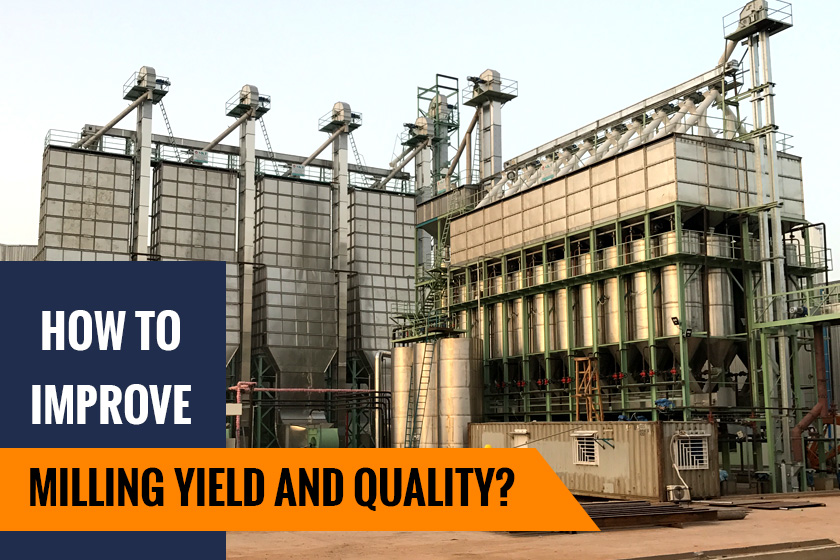
How to Improve Milling Yield and Quality?

Although milling quality is a high-priority objective for rice millers, many mill owners still struggle to achieve that. The reason is evident because Improving Milling Quality is delicate, especially if you don’t have proper knowledge of milling. rice mill

Besides, milling quality is affected by a lot of other factors including environmental factors. Other factors that might affect the milling quality are grain length, grain thickness, chalkiness, and fissure. 

Rice, being the staple food of India, will surely rise in demand in the upcoming years. This has forced rice mill owners to produce as much rice as possible. 

However, improving milling yield is yet another challenge faced by rice mill owners. We at Nextech, offer full-fledged Rice Mill Consultants to help you improve milling yield and quality. 

The first step to improve the quality of milled rice is choosing a good quality paddy. Ensure that the paddy you select has the right moisture content (14%) and has high purity. 

Other characteristics to look for are:
  • Uniformly mature kernels
  • Uniform size and shape
  • Free of fissures
  • Free of empty or half-filled grains
  • Free of contaminants such as stones and weed seeds
Characteristics of a good quality milled rice:
  • High milling recovery
  • High head rice recovery
  • No discoloration

Additionally, make sure your rice mill operator is skilled enough. Often, mill operators hire an untrained apprentice to reduce the operation cost. This hampers the quality of the milled rice. 

The equipment quality also play a massive role in the milling yield and quantity. Having a poorly maintained machine or a low-quality machine can harm the quality of the rice. 

One of the best ways to improve milling yield is by reducing the grain breakage as opposed to running the mill for additional hours every day. 

Another way to enhance the milling quality is by parboiling rice. Numerous researches have shown a significant decrease in grain breakage in parboiled rice. 

For more information on how to improve milling yield and quality, contact Nextech Solutions. From complete Rice Mill Setup to producing high-quality rice, our team of expert rice mill consultants and rice mill engineers & designers can help you achieve your business goals efficiently. Contact Nextech Solutions now.
 

Enquire Now

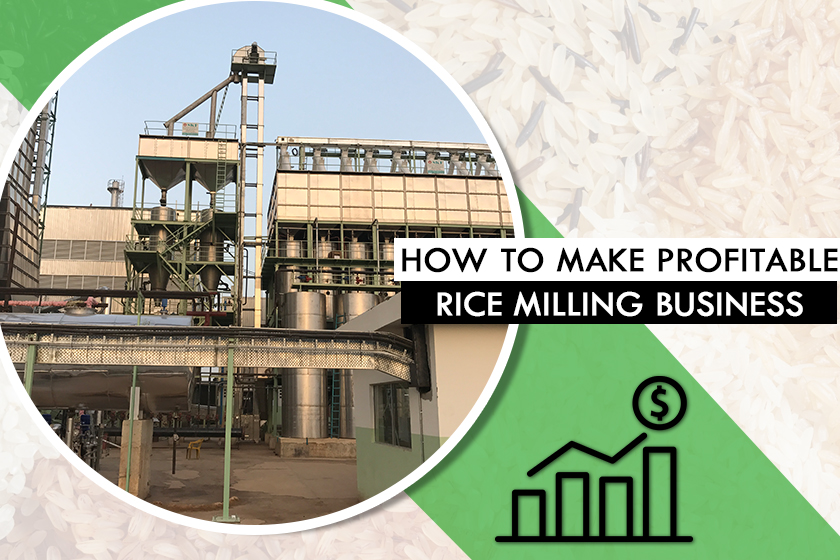
How to Make Profitable Rice Milling Business

Many countries still depend on India to meet their rice needs. Being one of the top exporters of rice in the world, India provides tremendous opportunities to make a profitable Rice Mill Business. Because, of course, you cannot consume paddy in its raw form. 

Also, it’s not only about export, but rice is also the staple food in India, which means there is a huge opportunity even if you build a small rice mill that just caters to the needs of your local area.

Things to keep in mind when starting out a rice milling business

Starting a business in India is not easy, you need to acquire necessary licenses and permits from state Government, you need to create a fixed source for buying raw products, and lastly, you need a great location. 

To start with the required licenses and permits.

  • Registration of the firm
  • Udyog Aadhaar MSME registration
  • Factory license
  • No pollution certificate
  • Rice-Milling industry Acts 1958
  • PFA and ESIC registration
  • IEC registration
  • FSSAI license
  • GST registration

For a complete rice mill plant setup, you will need a minimum of 1500 sq. ft. area, however, you need to make sure the location is just right. What I mean to say is that it should be somewhere near the place where rice is grown. This will help you in two ways: one that you are assured of getting the raw materials and other is that you can save a lot on transportation cost resulting in an increase in your profit. 

Ways to make it profitable

The cost of setting up a modern rice mill plant is quite high, however, with the right steps you can easily get a high return on investment. As mentioned above, the Best Way To Make a Profitable Rice Milling Business is by ensuring that you choose a great location. Other ways to make it profitable includes:

  • Modern machinery and infrastructure (as it requires less to no maintenance)
  • Machines with high operating capacity (capacity of the machine is directly proportional to how much profit you make)
  • A proper rice mill plant layout design (for better results in rice production)

Though there is a huge opportunity in the rice milling business, we have noticed that a lot of rice mills get closed as soon as they are opened. The reason for this is simple: mill owners don’t know much about the rice business, however, they are attracted because of the money in the industry. Therefore, it is better to talk to rice mill plant consultants before you start your own rice milling plant business.

Nextech Solutions is the leading rice milling services provider in Delhi. We will not only help you make your rice milling business sustainable, but we will also help you keep your business profitable for a longer period of time.

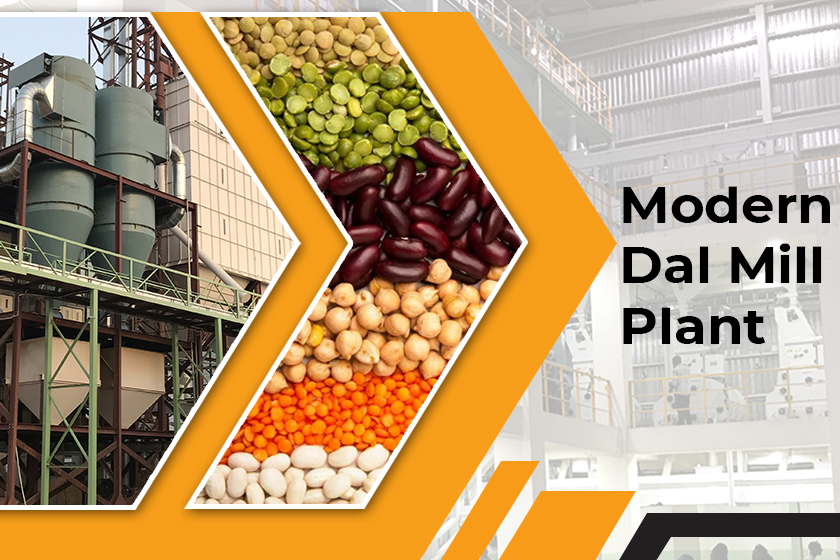
Modern Dal Mill Plant

For every industry that aims at prospering in their field, the most important phase of their working is Production. Especially in the Food Processing Industry, trivial details like the location of the plant can influence the production factor by a large scale. Earlier known as Nextech solutions, Nextech Grain Processing and Engineering Solutions Pvt. Ltd was started 10 years ago with the vision of improving the quality of produced grains. 

The Dal Mill Plant is one of the important parts of Nextech. The use of fine and chosen machinery works delicately to produce high quality of Dal. But before moving further let’s understand certain basic concepts as mentioned below.

Milling of Pulses? 

The Dal consumed by millions of people around the globe comes in the raw form of Pulses. The pulses are dehusked and split to mold in the shape of edible dal. 

This process comprises of two general steps: 

  • Loosen the husk on pulses.
  • Removing the husk.
  • Using a machine to split the remainder into cotyledons.

The efficiency of the machinery used for the process of splitting the cotyledons marks the success of any Dal Milling project. Every kind of pulse requires an additional step that helps in better loosening of the husk. This step is known as a pre-milling treatment. The adamant cover is loosened up for better production of dal. 

Methods of Processing Pulses

The raw pulses are first brought in to clean the grain and remove any impurities or irregular sized grain. Then they are further graded into different fractions that are sent for processing. The stepwise mention of the methods used in processing pulses is provided below. 

  1. Cleaning and Grading
  2. Pitting 
  3. Pre Milling Treatment
  4. Tempering 
  5. Drying 
  6. Dehusking 
  7. Polishing

The Process of Setting Up Pulses Dal Mill

As you might have understood by now, the Dal Mill Manufacturing Process requires excellent implementation and management to produce exceptional results. 

The most important step involves rigorous brainstorming for the creation of the right business plan. The construction and implementation of a Pulses Dal Mill depend entirely on the business plan. With the years of experience, Nextech can guarantee that your search for the right resources will end at their place. 

Apart from Dal Mill Plant, Nextech is known in the market for the experienced Rice Mill Engineers and Designers that provide unique solutions for your rice production needs. A Rice Mill Consultant will be provided to study your needs and provide feasible solutions as per your guidelines. 

With Nextech, you can calmly be assured about the quality of their services.

Enquire Now

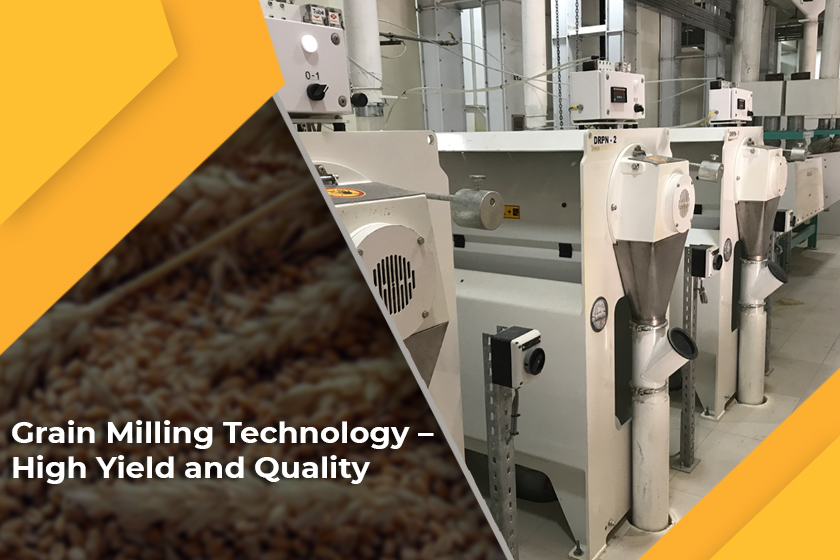
Grain Milling Technology – High Yield and Quality

The process of grounding of cereal grain into flour is known as milling. Waterwheels were the first things used for such tasks. Grains cannot be consumed in their raw form and hence it is necessary for it to undergo milling process. Grains are the main source of protein and nutrition and 70% of people in the world are dependent on it, the traditional method of grain milling is now replaced by Modern Grain Milling Technology. It is very fast as well as effective than the previous one. Nextech provides you the best Grain Milling Solutions with the latest milling technology used by the industries.

The milling provides a consistent product, a range of flours suitable for a variety of functions and flour suitable for a variety of functions and flour with predictable performance. This new technology has become a boon for the millers. The first operation of the mill is to analysing the grain. The grain then undergoes three stages.


  • Cleaning and conditionally- Clearing and conditioning the grain helps in removing all the impurities of the grain and it makes the grain ready for milling. 
  • Crushing or breakingIn this process, the grain breakdown in the successive stage and how it is ready to release its component parts.
  •  ReductionThis process helps in the progressive rolling and shifting of the grain. After this the refining of flour and separation of it into various categories takes place. These various categories are known as streams. 

Cleaning

The grain in its raw form contains weeds, chaff, and other materials. The high technology machines are capable of removing all the impurities and making it pure to eat. There is a disc separator in the machine which removes the husk from the grain. After that, the grain is taken to a strong blast of air for cleaning and after that, the magnetic separator removes any iron or steel from the grain. 

Extraction Rates

The figure that represents the percentage of flour production from a given quantity of grain is known as the extraction rate. For example, if 45 kg of flour is produced from 100 kg of grain, the extraction rate is 45% (45÷100×100). The extraction rate depends upon the flour production and it may vary according to it. The grain flour containing all the germ can have an extraction rate closer to 100%. But the pure white grain flour usually has extraction rates around 70%. The germ and bran of the grain have a very high rate of nutrients and hence the flour which has a higher extraction rate have a higher nutritional value.


Enquire Now

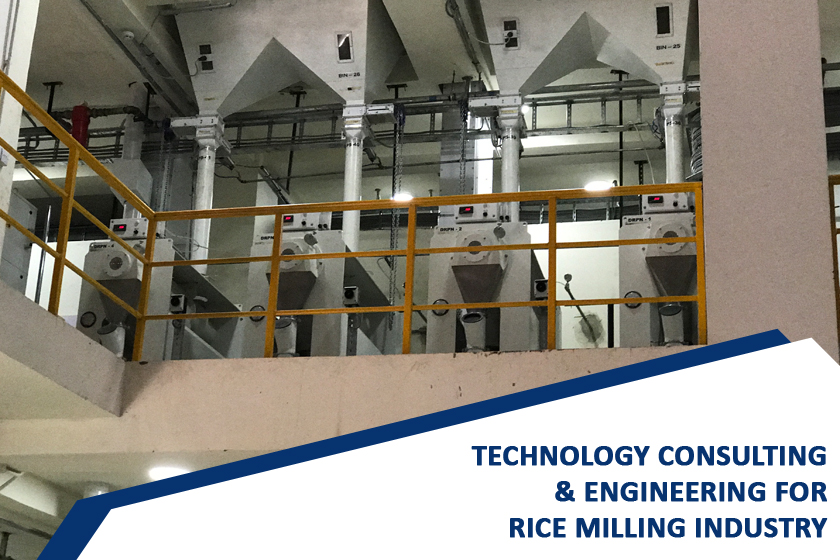
Technology Consulting and Engineering for Rice Milling Industry

Nextech solution is a grain processing and engineering centre where even technology consultancy is welcome. We have been in the market for an entire decade now being steered by our two founders who are professional and experts as far as grain processing, engineering and technologies are concerned.


Nextech solution is a grain processing and engineering centre where even technology consultancy is welcome. We have been in the market for an entire decade now being steered by our two founders who are professionals and experts as far as grain processing, engineering and technologies are concerned.

We offer a variety of services which majorly revolves around grains and to be more specific rice, not to mention that we also offer technical consultancy in the matters concerning grains.

Our dignified experts are well known through their competence and excellent results they present in every kind of activity they do in the organization. Due to proper and upright management and a well-coordinated and skilled workforce, the reputation of Nextech Solutions presides us.

Not one but many clients who we have the pleasure of serving have confessed how pleased they were after we were done with them. Offering Quality and lasting services is our core business in order to welcome our clients once and again.
Services we offer are : 

We install milling machines or any other related machineries as well as Rice Milling Plant Layout Design. More to that, we can also do modernization of existing mill plants so you don’t have to buy a new milling machine. We will digitalise the old one.

We have digitised machinery to mill the mustard seed to produce oil which is used for massage in large scale. Also the sesame seed which is known to be a great export from India to European countries is processed in our company as well. We have put up a well-designed and technologically advanced plant to help produce best quality.

Rice Milling
Our rice milling plants are well designed and suited to come out with the best quality of paddy. The milling plant is designed in a way to process a bulk amount of rice at a go therefore increasing value of output. We are the best rice milling consultants to offer proper guidance on a paddy milling plant.

Rice blending has become quite an essential thing to do in the modern rice market for both local and international levels. We offer rice blending services for even those with their own brands.
Bulk grain storage.

We are also the best storage silo consultants. Instead of buying very large pieces of land which spread out horizontally, which is expensive, we have designed silos which are not only saving your pocket but also your space for they stretch vertically and they store bulk rice.

We are known to offer the best grain milling solutions in India not to forget that we do pulse/dal milling consultancy. Dal are known to be a staple food for many people. Our milling plants are well suited to produce quality for both local and international markets.


Enquire Now

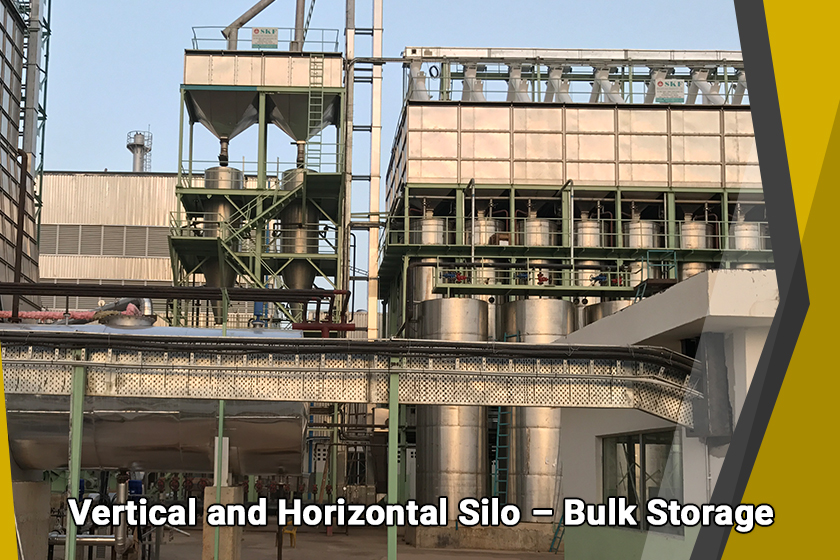
Vertical and Horizontal Silo – Bulk Storage


Storage silos are containers used for storage of bulk stock. These bulk storage silo systems are used for both short-term storages as well as for long-term storage of food products. Grain Storage Silos are cylindrical in shape and are made up of high-quality galvanized steel. Silos used for short-term bulk grain storage have conical bottom whereas the ones used for long-term storage have a flat bottom to provide the cleanup screw for the discharge purposes. Farmers that store their harvested crops in silos experience improved food security, greater consistency in grain quality, and reduced waste that leads to enhanced agricultural income.  As India’s leading rice mill plant consultantsNextech solutions, also offer storage silos solutions that prove to be the most efficient and effective and protect the grains from being spoiled by rain and pest infestation.

Vertical Silo

The vertical silos are either circular or orthogonal in shape. The customizable diverging funnel flow at the bottom of a vertical silo enables it to handle any type of load. Stainless steel, concrete, and carbon steel plates are the most common materials that are used in the fabrication of vertical silos. The material you choose depends on the weather in your area. The common features of vertical silos include:

  • Safety Valve for pressure control
  • Silo level blade indicator
  • Blowing plant with a nozzle
  • Service platform with ladder, back guard and safety guard

Storage silo capacity of vertical silo is around 50-70 tonnes. They have higher capacity when compared to horizontal silos.

Horizontal Silo

Horizontal Silos need more ground space and they come with a mechanic extraction system. For easy removal of the stored material, the mechanic extraction system is placed below the silo. Usually, horizontal silos are installed away from direct heat and sometimes in underground spaces. Few accessories that come with horizontal silos include:

  • Warm gear
  • Lumps breaker
  • Explosion panels
  • Silo weighing
  • Needle gates
  • Bag filters
  • Under/overpressure capacity


Conclusion

The best grain storage silo for you depends on the space you can afford to install the silo. Consider your short-term and long-term goals and external factors that may affect your storage needs before investing in a silo. Also, there is a lot of customized silo available depending on the requirements.  It’s advisable to talk to a Storage Silo Project Consultant so that your investment won’t go in vain. Having more than 10 years of experience, Nextech Grain Processing & Engineering Solutions Pvt. Ltd. can provide Grain Milling Solutions which will help you increase your business.


Enquire Now

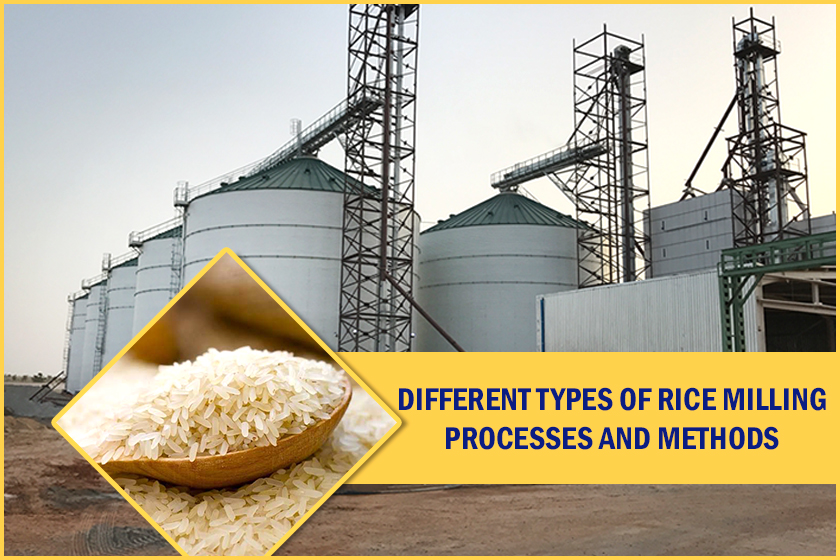
Different Types of Rice Milling Processes & Methods

The process of removing the husk and bran layers, and producing white rice kernel that is free of impurities is referred to as rice milling. Usually, the three methods of purifying the rice are a one-step process where husk and bran removal are done together, a two-step process where husk and bran are removed separately, and a multistage process in which rice undergoes a series of different rice milling processes & methods.


The two categories in which the rice milling is divided are Village Rice Mills and Commercial Mills. Rice mills which are used for milling paddy of farmers for home consumption are called as village rice mills whereas when the rice is sufficiently milled and all the husks and stones are removed to appeal to the customers, it is known as commercial rice milling. Another objective of commercial mills is to minimize grain breakage.


Multistage Rice milling Process

The paddy is boiled partially, in order to increase its nutritional value, and this process is called parboiling. It reduces breakage and even changes the texture of cooked rice.


Pre-cleaning method: In order to attain high milling recoveries, pre-cleaning of the rice is necessary. If not done properly, the fines in the rice can create dust and can reduce the airflow through the rice grain. De-stoning is done to remove undesired stones present in the rice using a gravity separator or a de-stoner. The process includes passing the rough rice through a series of sieves and a closed-circuit aspiration system.

De-Husking: The process of removing the husk from rice grains is referred to as de-husking. The process includes directing paddy into a pair of rubber rolls, rotating in opposite directions and at different speeds. A shear force is generated on the surface of the hull because of horizontal inward pressure that is applied on rubber rolls. Removing the husk from the brown rice or unhusked paddy is known as husk aspiration.

Paddy Separation: The surface of a rice grain is smooth, whereas the surface of paddy is rough. Paddy Separator uses this difference in texture to spate brown rice from paddy.

Whitening & Polishing: A humidified rice polisher is used to polish the surface of the rice. The factors which determine the extent of whiteness are the radial velocity of the stone wheels, the grid size of the stones, and the external pressure on the outlet chamber of the whitening machine. 

Weighing and bagging machines are then used to pack and weigh the rice accurately to be sold in the market.


Conclusion

With so many different rice milling processes & methods, it can be confusing if you don’t have prior knowledge of it. It’s always better to look for Rice Mill Consultants for advice so as to get better results even in the initial stage of the mill. Having more than 10 years of experience, Nextech Grain Processing & Engineering Solutions Pvt. Ltd. can provide a solution to all your queries related to the food grain industry.


Enquire Now

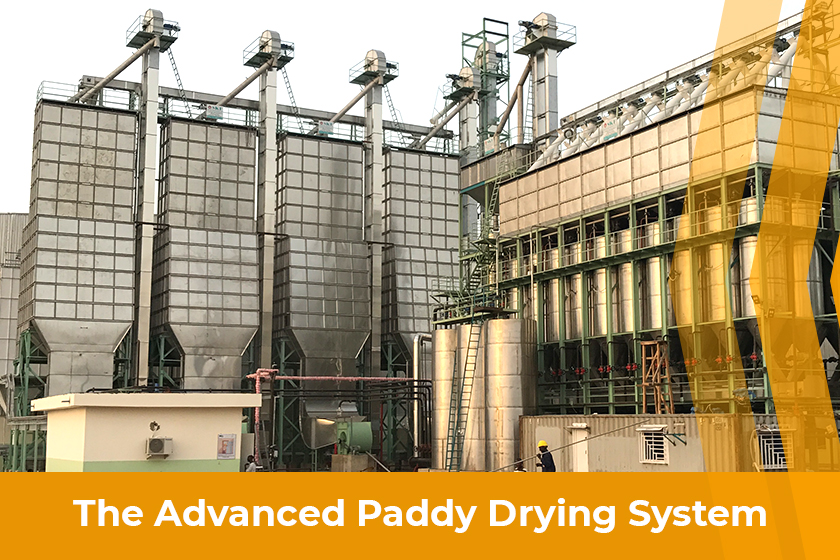
The Advanced Paddy Drying System

Paddy Drying is the basic process of yielding rice. During the paddy arrival season, the moisture percentage in freshly harvested paddy is 18% and above, the paddy should be dried to bring down the moisture percentage of 14% which is ideal for storage purpose. After the process of parboiling and steaming the moisture increases to 35% which is actually wet paddy. So to reduce the moisture from it various steps are involved such as field drying, sun drying, heated air drying, in-store drying.

If moisture not removed from the paddy, the quality of grain decreases. Instead of sun drying and traditional drying methods, Nextech Solutions offers advancement with Paddy Drying System such as installation & design of paddy dryer machine. This helps in the drying process efficient than traditional drying methods for safe storage.

A Paddy Dryer Machine is designed to suit all the grains. It comes with a blower and furnace digitalized with meters for controlled drying, with the air flow circulation to dry the paddy grains in a closed chamber. The machine works with two chambers or tanks one for filling in and another for discharge. This Paddy dryer Machine can be efficient Paddy Drying Solution for batch type drying and continuous drying processes.

Features of Advanced Paddy Drying Machine.
  • It is designed to suit up all the paddy grains.
  • The design includes quality material such as stainless steel which doesn’t affect any harm to the paddy.
  • Rice Mill Consultant can help you to reap all the benefits of the Paddy Dryer Machine, to use the husk, wood or biomass obtained.
  • It comes with PLC monitor system to monitor and control the temperature for the drying process.
  • Efficient drying as to reduce 5% moisture, the process is likely to run for 5 hours.
  • Can reduce the labor cost, as minimal manpower is required.
  • Also, the maintenance of this Grain Dryer is very low.
  • The Grain Dryer is designed to provide uniform steaming to maintain the quality of the paddy grains.


We at Nextech Solutions help you out with Rice Milling Plant Layout Design with our team of Rice Mill Engineers and Designer which will help to plan about Paddy Dryer Machine Setup. This counseling and planning about Paddy Drying Solutions with Rice Mill Engineers and Designers will help you with much profitable business.


Enquire Now

Processing And Milling Of Parboiled Rice

Popularly known as the easy to cook rice, Parboiled rice actually connotes partially boiled rice that is the grain is simmered in the husk. Parboiled rice, thus apparently is a precooked form of rice, but on closer analysis is found to be erroneous.

Popularly known as the easy to cook rice, Parboiled rice actually connotes partially boiled rice that is the grain is simmered in the husk. Parboiled rice, thus apparently is a precooked form of rice, but on closer analysis is found to be erroneous. The final output appears like normal grain and is cooked and served like the original white or brown rice. Quite surprisingly, even with its unrefined appearance,  parboiled is gaining popularity as apart from it facilitating digestion and restoring bowel function, it contains better health benefits in terms of fiber, calcium, potassium and vitamin B-6 due to its special processing.

Parboiled rice also contains a high content of antioxidants, phytonutrients including anthocyanins that reduce inflammation and even prevents cancer. Even a  cup supplies 2- 3 percent of daily intake of calcium, potassium, iron, and manganese. While manganese reduces risks of blood pressure and heart attacks, zinc enhances the immune system. Parboiled rice is laden with nutrients like niacin, riboflavin and vitamin B6, necessary for metabolizing food into energy.

Nextech Solutions, India’s leading Rice Mill Consultants who have acted as Rice Mill Engineers & Designers in innumerable projects in India and across the world, can act as consultants or  Rice Mill Project Consultant for this product anywhere in the world.

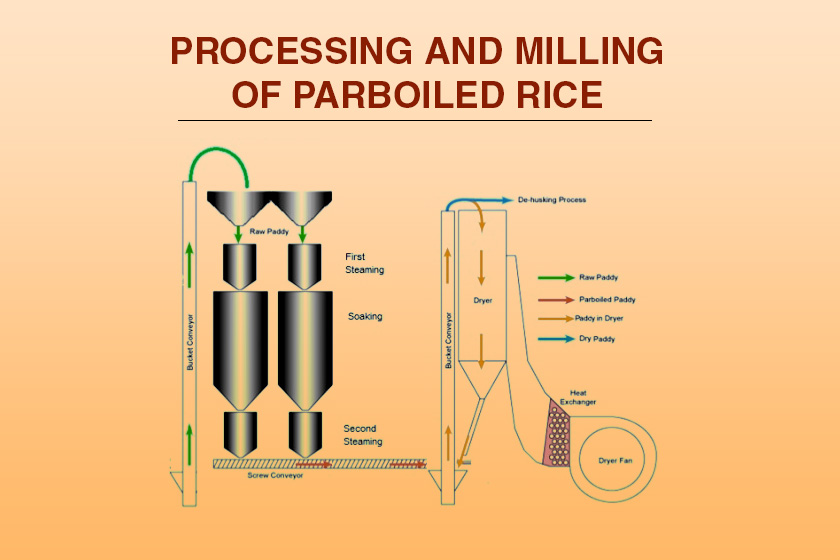
Parboiling Process 

The three basic steps for parboiling comprise soaking, steaming and drying. As a collateral advantage, these enable rice to be more easily processed by hand, enhance its nutritional profile and alter texture. The triple process also imparts it the name of ‘soaking rice’.

The process begins with the drenching of the grain where the rice is transferred into the soaking tank at temperature at 20-30-degree C. The grain is then left for 36-48 hours as required.  After drenching, the rice is shifted to the steaming process where the grain is heated in order to make it harder. The procedure too varies in time-consuming as the manufacturer needs.

The decision is made according to the grain color to be ultimately attained. Generally, the rule is that higher the heating temperature, the lesser the processing time. Yet, it must be considered that steaming at high temperature increases the chances of grain getting darker in color.

Ultimately, the grains need to be dried. Again the process of withering the grain in huge quantity is not quite facile, especially in case the rice is parboiled. So, instead of a labor-intensive country like India, rice the grains can be left for sun-drying/baking by employing greater numbers of workers. Their main task is to actively turn and mix the rice in a timely manner.  Around 20-40% of moisture needs to be evaporated/ reduced initially while the remaining can be reduced at later stages of drying.

Nextech Solutions is India’s’ leading grain processing unit extending top-notch consultancy 360-degree concept to commissioning services. As the leading Rice Mill Plant Manufacturer in India, we provide  Rice Mill Machinery for  Rice Mill as well as total consultancy. Extensive experience and expertise garnered over years of operations globally enable us to offer total services in the field of parboiled rice replete with optimum efficiency, productivity in equipment and processes to enable maximum returns.  


Enquire Now

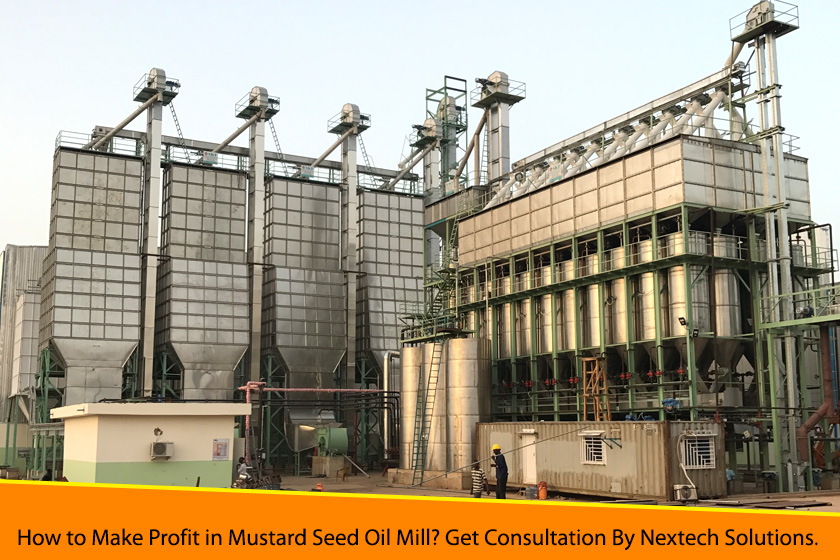
How to Make Profit in Mustard Seed Oil Mill? Get Consultation By Nextech Solutions.

Mustard has always been a part of Indian food and culture. Mustard seed and oil is consumed as edibles in all parts of the country and holds a place in every kitchen. From health to nutrition it has been serving to the fullest.

Mustard has always been a part of Indian food and culture. Mustard seed and oil is consumed as edibles in all parts of the country and holds a place in every kitchen. From health to nutrition it has been serving to the fullest.  To meet the demand and supply of the mustard seeds and oil, various Mustard Seed Oil Mill Consultants are getting placed with the Rice Mill Project Consultant in every Mustard Seed Oil Mills.

We the Nextech Solutions will help you with this up to growing business plan of Mustard seed oil mills. As we have been in this field of agriculture since 10 yrs, and have experienced and conquered a lot. We will help you in making profits with the help of our Mustard Seed Oil Mill Consultant accompanied by Storage Silo Project Consultant.

Storage Silo Consultant is required to design the Silo Storage as the mustard is a crop harvested once a year, and is to be stored ideally under observation for processing. The mustard after processing yields about 33% and with our expert Mustard Seed Oil Mill Consultant it can be turned to 35% and the residue are also processed as mustard cakes, that means every part of mustard is being processed and yielded to make a profit.

You can be more profitable by consulting our Mustard Seed Oil Mill Consultants. As they will acknowledge you with the business plans, the machinery at low cost and everything that will turn your mustard seed oil mill profitable.  Our Mustard Seed Oil Project Consultant will help you from the harvesting to the processing and Packaging, on low cost to make you profitable and a highly producing output plant.

Apart from being the Mustard Seed Oil plant provider, we are the leading rice mill plant consultant across the country and nearby countries. We majorly provide installation of Rice Mills and Mustard Seed Oil Plants.  We have a group of Mustard Seed Oil Consultant, Storage Silo Project Consultant, and Rice Mill Project Consultant etc with expertise in their fields to help you with the installation of the mill and to the production design and layout.

We at Nextech Solutions want to contribute to your success and make you more satisfied with the works. You are a valued Patron to us.


Enquire Now