MAIL US :
 CALL US :
>
CALL US :
>
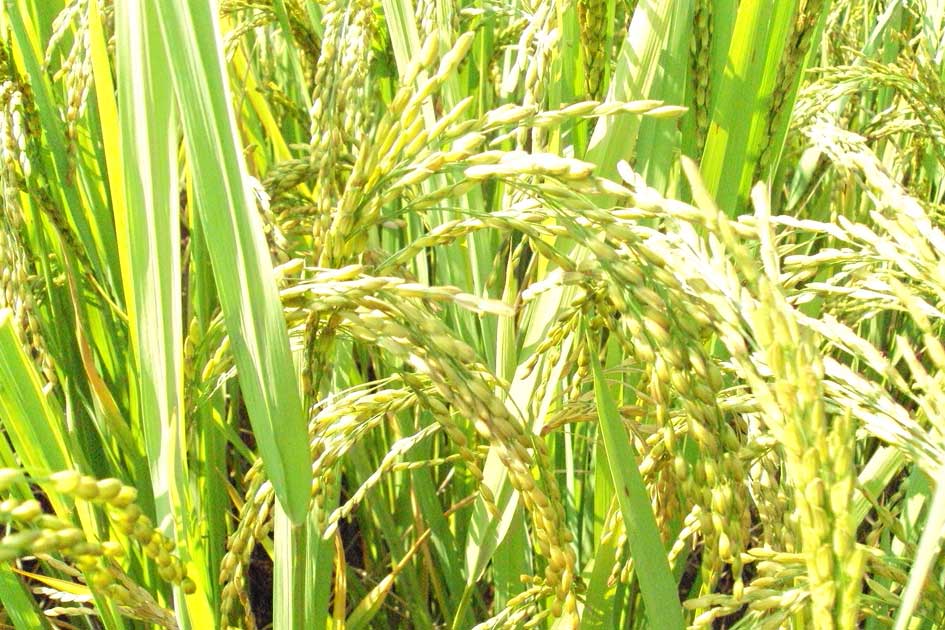
The countries like India, where agriculture is the primary occupation, the benefits of setting up a rice mill can be easily understood. Rice is among the top staple foods in India and huge quantities of different varieties are exported to different nations. It is also worth mentioning that Rice Milling is the oldest agro-processing industry in India.
The credit for the industry’s growth should also be given to the manufacturers who make and supply various supporting equipments for growth of rice and related agricultural businesses. Apart from the domestic markets, these mills are exported to various foreign markets as well. Setting up rice mill is definitely a profitable business. However, certain factors are important to be taken care in this direction.
Land Requirement
Depending upon the processing capacity of such a agro business unit, it is important to decide the area of agricultural land in acres required for various operations. In addition, the land should have elevation from the ground, as low-lying areas are not suitable for processing. Another important factor is that the area you choose should be well-connected to the road and should have proper drainage system.
Layout and Constructions
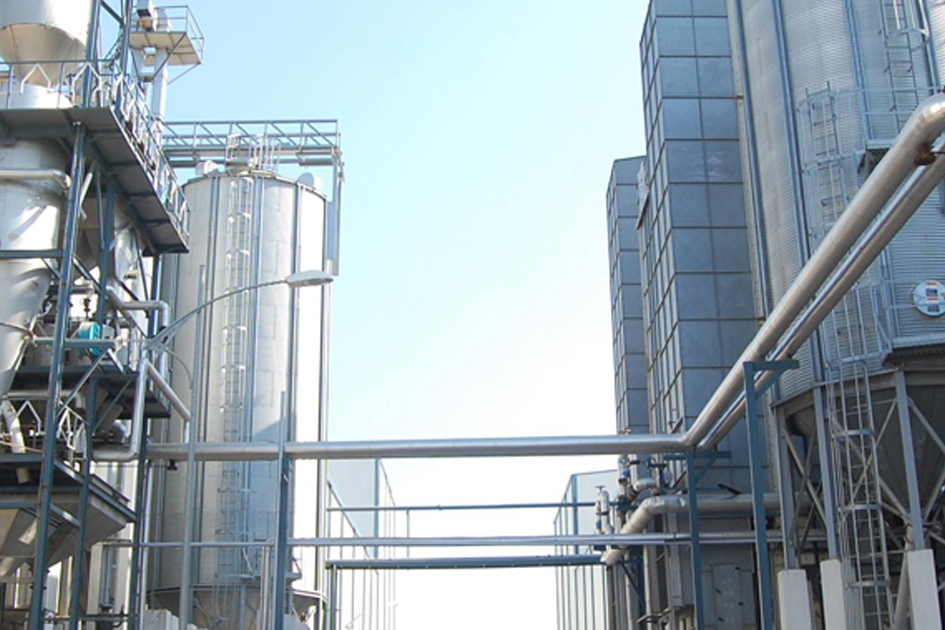
Another important factor for the success of the Rice Milling Business is the layout. Various constructions should be done in a way that they offer smooth operations and optimal space utilization. The important structures required in this direction include godowns and stores to store raw paddy as well as processed rice. Sheds where the rice processing unit is installed, cleaning unit, parboiling area and other similar sections should be assigned with care.
Important Resources
Availability of power is another important consideration to run rice mills and other electrical machines uninterruptedly. In addition, the generators must be arranged as standby support systems. Uninterrupted supply of water is also required for the processes like parboiling.
Selection of Machinery
Depending on the size of the Rice Processing Plant, different type of milling machines are available according to their size and features. You may think of investing in a mini rice plant in the start of the business. The important factors to consider while setting up a rice processing plant include capacity, speed and power requirements. It is also important to choose among machines that can perform one-step, two-step or multiple step execution. Take into account the processes that the machines can perform. The most important ones include pre-cleaning, husk removal, polishing and so on.
Milling performance should also be considered, as it decides the output of the rice processing. For this, you must know the percentage of whole grain and broken grain that the machine will output. Rice mills can produce as high as 80% of the total paddy as milled grain.
Other Considerations
Security of the rice milling site from pests and other threats is also worth considering. It is a good idea to avail insurance to cover the fixed assets, machinery and other parts of the business.
The choice of rice mill can be a critical factor in the success of your business. Look for different models at online business directories and compare their performances and overall costs to choose the best one.
Author has wide knowledge of B2B Marketplace and Business industries. For extended opportunities in Rice Mill Business and info about Rice Mill Machinery, visit online business directory Dir.IndiaMART.com
Article Source: EzineArticles