MAIL US :
 CALL US :
>
CALL US :
>
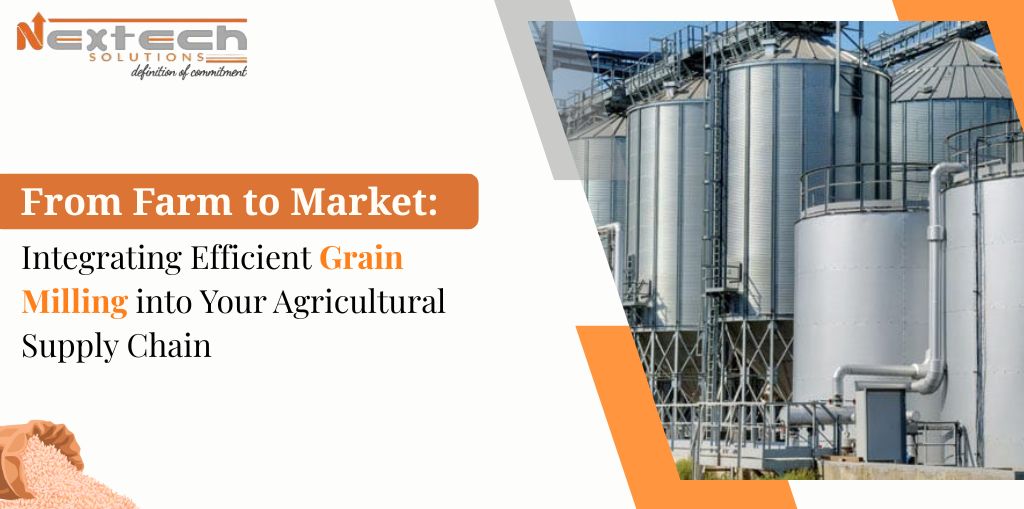
The agricultural landscape is rapidly evolving, with farmers and agribusinesses seeking innovative ways to maximize value from their harvests. One of the most transformative strategies involves integrating efficient milling operations directly into the agricultural supply chain, creating a seamless pathway from farm to market while significantly enhancing profitability and quality control.
The Strategic Importance of Integrated Milling Operations
Modern agriculture demands more than just growing crops; it requires strategic thinking about post-harvest processing and value addition. By incorporating advanced grain milling solutions into your supply chain, you create multiple competitive advantages that extend far beyond traditional farming practices.
The integration of milling facilities allows farmers to:
- Retain control over product quality from harvest to final packaging
- Capture additional profit margins typically claimed by intermediaries
- Respond quickly to market demands with customized products
- Reduce dependency on external processing facilities
- Build direct relationships with end consumers and retailers
Understanding Modern Grain Processing Technologies
Today’s milling technologies have revolutionized how agricultural products move through the supply chain. Advanced systems now offer precision control over every aspect of grain processing, from cleaning and sorting to final packaging.
Key Components of Efficient Milling Systems
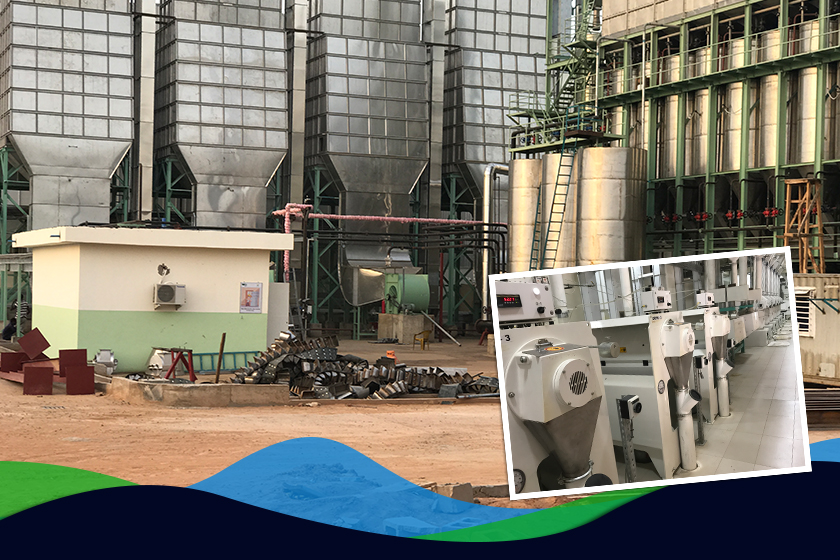
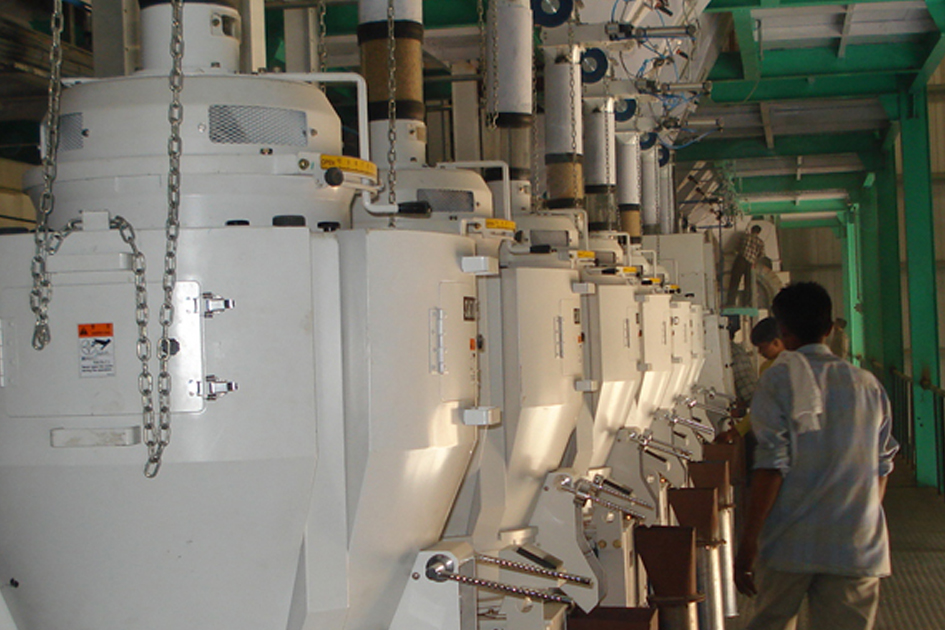
Primary Processing Equipment: Modern mills incorporate sophisticated cleaning systems that remove impurities while preserving grain integrity. These systems use gravity separators, aspirators, and magnetic separators to ensure only the highest quality grains proceed to milling.
Milling Machinery: Contemporary milling equipment features automated controls that maintain consistent output quality while maximizing yield. These systems can be calibrated for different grain types and end-product specifications.
Quality Control Systems: Integrated monitoring systems track moisture content, particle size distribution, and contamination levels throughout the processing cycle, ensuring consistent product quality.
Rice Mill Project Planning: A Comprehensive Approach
When considering a rice mill project, successful implementation requires careful planning across multiple dimensions. The complexity of modern rice processing demands attention to technical specifications, market analysis, and operational efficiency.
Essential Planning Elements
Market Assessment: Understanding local and regional demand patterns helps determine optimal capacity and product mix. This includes analyzing competitor positioning, pricing strategies, and potential customer segments.
Infrastructure Requirements: Proper site selection considers factors such as grain storage capacity, transportation access, power availability, and proximity to both suppliers and markets. The location should facilitate efficient logistics while minimizing operational costs.
Technology Selection: Choosing appropriate equipment involves balancing initial investment with long-term operational efficiency. Modern systems offer automation features that reduce labor costs while improving consistency and quality.
Financial Planning: Comprehensive budgeting must account for equipment costs, installation expenses, working capital requirements, and ongoing operational expenses. Many successful projects benefit from phased implementation approaches that spread investments over time.
Building an Efficient Rice Mill Plant
The construction and setup of a rice mill plant represents a significant investment in agricultural infrastructure. Success depends on careful attention to design principles that optimize both efficiency and scalability.
Design Considerations for Maximum Efficiency
Workflow Optimization: Plant layout should minimize material handling while maintaining clear separation between different processing stages. This reduces contamination risks and improves overall efficiency.
Scalability Planning: Designing systems with expansion capabilities allows operators to increase capacity as markets develop. Modular equipment arrangements facilitate future upgrades without disrupting ongoing operations.
Energy Efficiency: Modern plants incorporate energy-saving technologies such as variable frequency drives, efficient lighting systems, and heat recovery mechanisms that reduce operational costs while supporting sustainability goals.
Automation Integration: Advanced control systems enable remote monitoring and automated adjustments that improve consistency while reducing labor requirements.
Quality Assurance and Market Positioning
Successful integration of milling operations requires robust quality assurance programs that meet or exceed industry standards. This involves implementing systematic approaches to quality control that cover every aspect of the processing operation.
Building Market Credibility
Certification Programs: Obtaining relevant certifications such as food safety standards, organic certifications, or quality management systems enhances market credibility and opens access to premium market segments.
Traceability Systems: Modern consumers increasingly demand transparency about food origins and processing methods. Implementing comprehensive traceability systems from farm to final product builds consumer confidence and supports premium pricing.
Brand Development: Developing strong brand identity around quality and reliability helps differentiate products in competitive markets while building customer loyalty.
Financial Benefits and Return on Investment
The financial advantages of integrated milling operations extend beyond simple profit margin improvements. Successful implementations typically see significant returns through multiple revenue streams and cost reductions.
Value-added processing can increase product value by 200-400% compared to selling raw grains. Additionally, integrated operations reduce transportation costs, minimize quality losses during handling, and provide greater flexibility in responding to market opportunities.
Future-Proofing Your Agricultural Investment
As agricultural markets continue evolving, integrated milling operations position farmers and agribusinesses for long-term success. By partnering with experienced providers like Nextech Agri Solutions, agricultural enterprises can access cutting-edge technologies and expert guidance that ensure optimal implementation and ongoing success.
The integration of efficient grain milling solutions into agricultural supply chains represents more than just process improvement; it’s a strategic transformation that creates sustainable competitive advantages while building stronger connections between producers and consumers. Through careful planning, appropriate technology selection, and commitment to quality, agricultural enterprises can successfully navigate this transformation and achieve significant long-term benefits.