MAIL US :
 CALL US :
>
CALL US :
>
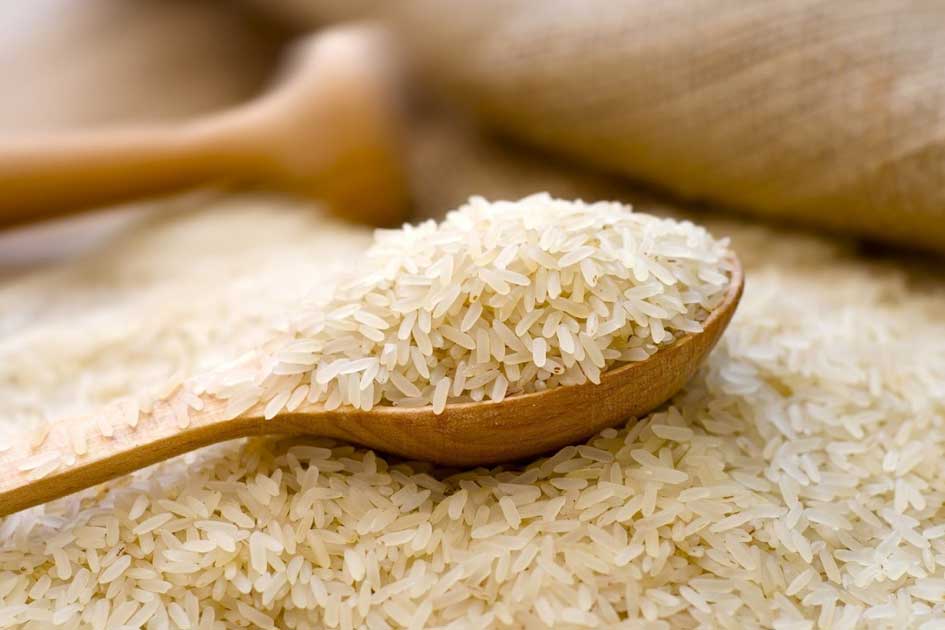
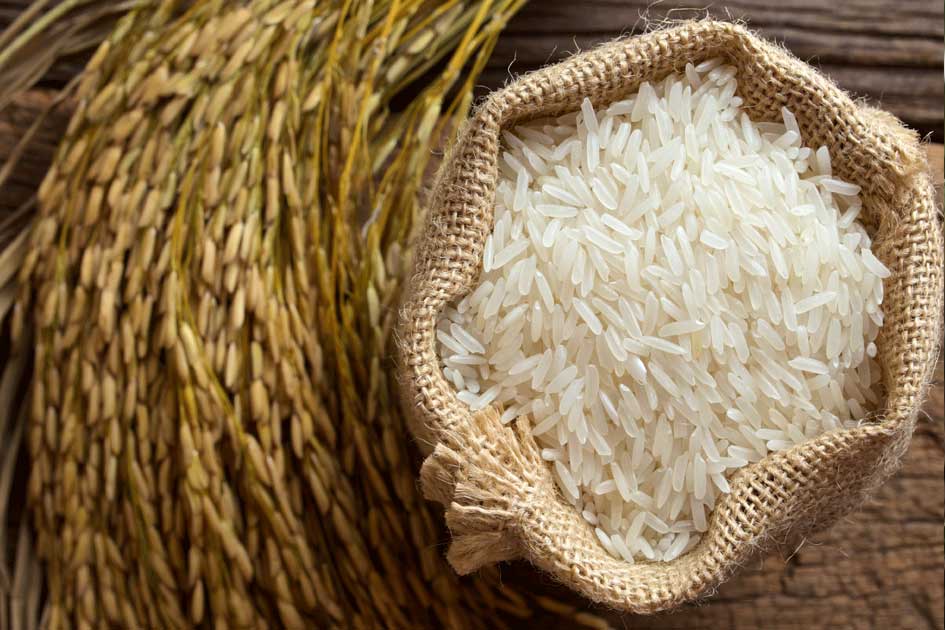
Basmati Rice is a variety of rice, which is particularly grown in the Punjab area of India. Basmati Rice is characteristically longer than other forms of rice. What’s more, it is known to possess a unique aromatic smell. This smell is due to the presence of a chemical compound known as 2-acetyl-1-pyrroline. Although this chemical compound is found in various types of rice, Basmati Rice comprises 12 times of the compound as compared to other types of rice.
Basmati Rice is of Two Types: White Basmati Rice and Brown Basmati Rice. Both types differ in nutritional value and appearance.
Basmati Rice Manufacturing Process is similar to that of other rice types. Let us take a look at the Basmati Rice manufacturing process:
Harvesting:
When the plants of Basmati Rice ripens in around 3 months, the harvest is ready. The fields can be harvested by hands or by machines, depending upon the size of the operation. Brown Basmati Rice can be obtained just after harvesting, all it needs is some cleaning and hulling.
Drying:
Around 20 percent moisture is found in Basmati Rice at the time of harvesting, which must be removed in order to proceed further. The moisture is removed by drying out the harvest. The drying can be done with the help of artificially heated air or by simply utilizing sunshine.
Hulling:
Hulling is a process in which the dried rice is rolled on with machines. With the help of rolling action, the hull is loosened and eventually removed from the rice. The hulled grains are separated from unhulled grains by shaking the kernels. The heavier unhulled grains get separated from lighter rice.
Milling:
Brown rice is more prone to getting spoiled and this is why brown rice is converted into white rice. Milling includes two-stage hulling in which the bran layer is efficiently removed from the rice. After the removal of the bran layer, rice is further polished to make it look more presentable.
Enriching:
The polished rice lacks certain nutrients and vitamins. The polished rice is here replenished with some important nutrients and vitamins to make it more suitable for consumption.
Once these stages are finished, we are left with pure eatable rice grains. These grains are then packed into batches and processed for transportation to different retailers. The packing makes sure that the rice does not get spoiled while storing or transportation.