 MAIL US :
 CALL US :
>
CALL US :
>
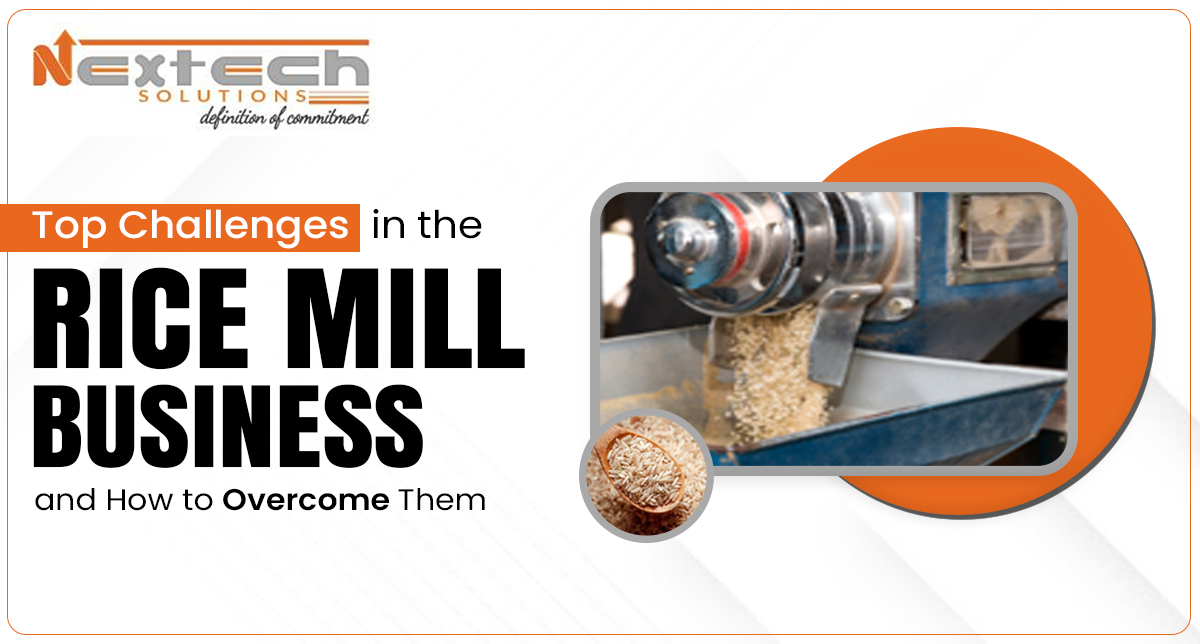
The rice mill business remains one of the most important agro-processing sectors, especially in countries where rice is a staple food. Growing demand, improved consumption patterns, and government support have made the industry highly promising. However, starting and sustaining a profitable mill is far from easy. From procurement delays to technology gaps, mill owners often face multiple operational and financial hurdles that affect productivity and profitability.
With the right planning, expert guidance, and modern systems, many of these challenges can be tackled efficiently. This blog explores the major obstacles in the rice milling sector and provides practical rice mill solutions to overcome them, with insights aligned to industry best practices followed by organizations like Nextech Agri Solutions.
1. Raw Material Procurement and Quality Issues
One of the biggest concerns in the rice mill business is sourcing consistent and high-quality paddy. Seasonal variations, moisture content, and poor storage conditions often lead to damaged grains and lower yields. Mills that depend on local traders may also face price fluctuations and inconsistent supply.
How to Overcome This
- Build direct connections with farmers or cooperatives
- Use proper grading and moisture testing tools
- Invest in scientific storage solutions
- Implement long-term procurement contracts
Working closely with agricultural experts or a Rice Mill Consultant can also help establish reliable sourcing networks and improve material selection, ultimately increasing milling efficiency.
2. Inefficient Milling Technology
Many mills still rely on outdated machinery, resulting in higher breakage, lower head rice recovery, increased energy consumption, and poor polishing quality. Inefficient technology also increases maintenance downtime and operating costs.
Solution
- Upgrade machinery to modern, automated milling systems
- Install energy-efficient equipment
- Adopt process automation and monitoring tools
- Conduct periodic maintenance and training programs
Advanced milling layouts designed by industry specialists can significantly improve recovery rates and product quality while reducing wastage.
3. High Energy Consumption
The rice milling sector is energy-intensive, and rising electricity costs directly impact profits. Frequent power interruptions also slow down production, especially in rural areas.
Practical Measures
- Use energy-efficient motors and dryers
- Install solar or hybrid power support systems
- Optimize machinery layout to reduce power loss
- Monitor energy usage regularly
Even small improvements in power management can deliver long-term cost savings.
4. Skilled Workforce Shortage
Operating modern milling machines requires trained manpower. Many mills face challenges in hiring skilled operators, technicians, and quality control staff. Lack of expertise leads to equipment misuse, inefficiency, and product defects.
How to Address This
- Offer employee training and certification programs
- Conduct regular skill development workshops
- Introduce performance-based incentives
- Use automation where manual skills are limited
Consulting professionals can help build workforce development plans tailored to milling operations.
5. Poor Storage and Post-Harvest Management
Improper storage leads to pest infestation, moisture changes, discoloration, and grain spoilage. Many mills lack proper warehousing, resulting in significant post-harvest losses.
Recommended Solutions
- Invest in modern silos or controlled warehouses
- Use fumigation and pest-control systems
- Maintain proper ventilation and humidity control
- Follow FIFO (First In, First Out) inventory method
Effective storage reduces losses and maintains grain quality throughout the year.
6. Regulatory and Compliance Challenges
The rice milling industry must follow government policies related to food safety, environmental norms, packaging, and taxation. Frequent policy changes may create confusion and financial pressure for mill owners.
Solutions
- Stay updated with government regulations
- Maintain proper documentation and certifications
- Seek legal and compliance guidance when needed
- Adopt sustainable and environmentally safe practices
Transparent operations build trust with buyers and regulatory bodies.
7. Market Competition and Pricing Pressure
Competition from both small local mills and large automated units often forces businesses to reduce prices, affecting margins. Limited branding and marketing also make it difficult to stand out in the market.
Strategic Approaches
- Improve product quality and consistency
- Diversify product offerings (bran, broken rice, husk-based energy)
- Create a strong brand identity
- Explore retail and export opportunities
Adding value through packaging and branding can significantly boost profitability.
8. Lack of Proper Business Planning
Many mills start operations without a structured business plan. This results in unclear goals, poor financial management, and inefficient workflow.
How to Overcome This
- Conduct feasibility studies before investment
- Analyze market demand and competition
- Prepare financial projections and budgeting plans
- Optimize plant layout for smooth production flow
Professional guidance from a Rice Mill Consultant can help mill owners design efficient plants and implement structured business models.
Role of Expert Consulting Support
Modern rice milling requires technical knowledge, process optimization, and strategic planning. Industry experts provide solutions for:
- Plant layout and design
- Technology selection
- Process automation
- Quality control systems
- Supply chain improvement
Consultants also help mills achieve higher rice recovery, better output quality, and improved profitability.
Conclusion
The rice mill business offers immense potential, but success requires overcoming challenges related to procurement, technology, energy use, labor, compliance, and market competition. By adopting modern systems, strategic planning, and efficient operational practices, mill owners can significantly improve performance and profitability.
Companies working with expert industry partners like Nextech Agri Solutions gain valuable insights, a customized Rice Mill Layout Plant, and professional guidance that ensure long-term success in the milling sector. With the right approach and continuous improvement, the rice milling industry can grow sustainably and remain competitive in the evolving food market.