Best Practices for Storage and Packaging in Rice Milling

Rice is a staple food for more than half the world’s population, making it one of the most traded commodities globally. For those in the Rice Mill Business, producing polished, high-quality rice is only half the battle. The real challenge lies in keeping that rice fresh, safe, and market-ready until it reaches consumers. Post-milling storage and packaging directly affect grain quality, shelf life, and ultimately, profitability.

At Nextech Agri Solutions, we’ve observed that while many millers focus heavily on milling efficiency, equal attention to storage and packaging is what truly separates a successful Rice Mill Business from a struggling one. Let’s explore how the right practices ensure quality, reduce losses, and build long-lasting consumer trust.

Why Storage and Packaging Matter in the Rice Mill Business

Once rice is milled, it becomes more vulnerable to environmental conditions. Factors like moisture, pests, heat, and improper packaging can quickly reduce its value. Problems such as discoloration, mold, insect damage, and loss of aroma not only compromise quality but also erode consumer trust in a brand.

For a competitive Rice Mill Business, ensuring the rice that leaves the mill retains its flavor, freshness, and safety standards is crucial. Customers expect every grain to reflect consistency and care—making storage and packaging just as important as milling.

Did You Know?

“Did you know that even perfectly milled rice can lose its quality, aroma, and market value if stored or packaged incorrectly? For rice millers, the journey doesn’t end at milling—the real challenge begins with keeping every grain safe, fresh, and market-ready.”

Modern Storage Techniques Every Rice Mill Business Should Adopt

Leading experts and any experienced Rice Mill Consultant agree that storage is the backbone of post-harvest management. Without modern practices, rice quickly loses its commercial value. Here are proven methods millers can adopt:

1. Control Moisture Levels

  • Optimum moisture content for stored rice is between 13–14%.
  • Excess moisture invites mold and fungus, while overly dry rice becomes brittle.

2. Temperature Regulation

  • Rice should be stored in cool, dry environments to slow down degradation.
  • Automated systems can monitor and maintain temperature effectively.

3. Prevent Pest Infestation

  • Using airtight silos reduces exposure to insects.
  • Periodic fumigation and integrated pest management techniques minimize contamination risks.

4. Invest in Advanced Silos

  • Modern silos provide hermetic storage, ensuring rice remains uncontaminated.
  • Automation manages aeration, moisture, and temperature, reducing human error.

When working with a professional Rice Mill Layout Plant design, millers can integrate these modern silos and warehouses seamlessly into their operations, ensuring efficiency and scalability.

Packaging Solutions That Protect Quality and Build Brand Trust

Packaging is more than just wrapping rice in a bag—it’s the last line of defense against environmental damage and contamination. For a thriving Rice Mill Business, smart packaging is also a brand-building tool.

Best Packaging Practices for Millers:

  • Vacuum Packaging: Removes oxygen, slowing down microbial growth.
  • Modified Atmosphere Packaging (MAP): Replaces oxygen with inert gases like nitrogen to retain freshness.
  • Sealed Laminated Bags: Prevent moisture absorption and pest entry.
  • Eco-Friendly Packaging: Biodegradable options meet consumer demand for sustainability.

Sustainable solutions are increasingly favored by buyers. Many Rice Mill Engineers & Designers now recommend eco-friendly yet durable packaging that not only protects rice but also strengthens consumer loyalty to the brand.

Reducing Post-Harvest Losses with Smarter Practices

Each year, rice-producing countries lose significant quantities of rice due to poor handling after milling. A large share of these losses can be prevented with better storage and packaging. Strategies include:

  • Routine checks on grain moisture content
  • Use of hermetic bags or silos for airtight storage
  • Automated monitoring for consistent quality
  • Training workers in hygiene and handling best practices

Any seasoned Rice Mill Consultant will highlight that while these measures require upfront investment, the long-term savings and revenue gains far outweigh the costs. For businesses aiming to scale, this is non-negotiable.

Meeting Consumer Expectations Through Quality Assurance

Modern consumers demand:

  • Freshness – Rice should retain its natural aroma, taste, and texture.
  • Safety – No traces of pests, fungus, or chemical residues.
  • Sustainability – Brands that use environmentally responsible packaging gain stronger trust.

A Rice Mill Business that consistently meets these expectations earns repeat buyers and long-term contracts. This is why packaging isn’t just functional—it’s also part of brand identity and market positioning.

The Role of Experts in Perfecting Storage and Packaging

Not all millers have the in-house expertise to implement advanced storage and packaging solutions. That’s why consulting professionals can be transformative. Collaborating with Rice Mill Engineers & Designers helps businesses develop customized solutions—from layout planning to packaging innovations—that align with market demands.

Similarly, an experienced Rice Mill Consultant can analyze existing systems, recommend upgrades, and guide millers in adopting cost-effective yet modern techniques. At Nextech Agri Solutions, we’ve seen millers benefit tremendously from tailored solutions that combine efficiency with sustainability.

A properly designed Rice Mill Layout Plant not only streamlines operations but also ensures that storage and packaging areas function seamlessly, preventing bottlenecks and maintaining consistent quality standards.

Final Thoughts

In today’s competitive food market, milling alone does not define success. For a Rice Mill Business, protecting the quality of rice through proper storage and packaging is vital to profitability and reputation. Moisture control, pest prevention, climate-regulated storage, and smart packaging solutions help minimize losses and maximize consumer satisfaction.

Millers who ignore these aspects risk product rejection, reduced shelf life, and loss of consumer trust. On the other hand, those who adopt modern solutions and sustainable practices strengthen their brands and secure long-term growth.

If you’re ready to protect your grains, minimize losses, and build a brand consumers trust, it’s time to partner with the experts. At Nextech Agri Solutions, we help millers design efficient Rice Mill Layout Plant setups, implement advanced storage systems, and adopt sustainable packaging solutions that set businesses apart.

Take your Rice Mill Business to the next level with the right guidance, smart infrastructure, and innovative packaging. Connect with Nextech today and safeguard every grain for tomorrow’s success.
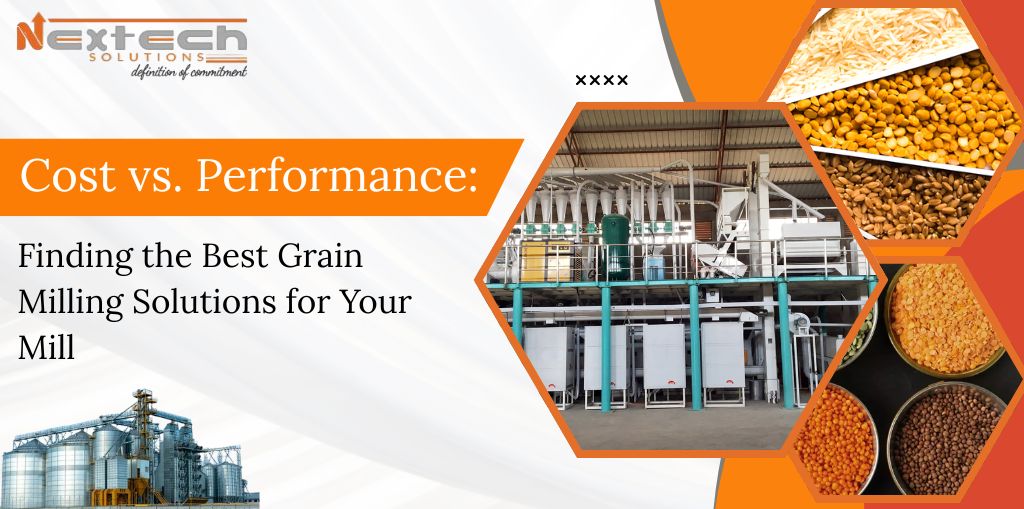
Cost vs. Performance: Finding the Best Grain Milling Solutions for Your Mill

Running a grain mill requires more than just heavy machinery—it demands precision, efficiency, and cost-effectiveness. Whether you are setting up a new mill or upgrading an existing one, finding the right Grain Milling Solutions for Your Mill is the key to long-term success. With so many options available in the market, the challenge lies in striking the right balance between cost and performance.

In this article, we’ll explore how to evaluate milling technologies, optimize your investment, and make informed choices while ensuring high-quality output for your customers.

Why Choosing the Right Solution Matters

Every grain mill is unique in terms of size, production requirements, and operational goals. Choosing the right Grain Milling Solutions for Your Mill ensures:

  • Consistent product quality
  • Higher production efficiency
  • Reduced downtime and maintenance costs
  • Long-term savings on energy and resources

Without the right solution, mills risk overpaying for technology that doesn’t suit their scale or underperforming with cheaper alternatives.

Balancing Cost and Performance in Milling

When analyzing Grain Milling Solutions for Your Mill, most millers face the same dilemma: Should they prioritize affordability or performance? The answer lies in finding a balance.

  • Cost Factor: Lower upfront investment might be appealing, but it often comes with compromises in efficiency and durability.
  • Performance Factor: High-performance solutions ensure better output and consistency but can demand higher initial investment.

The smartest approach is to focus on solutions that guarantee efficiency without unnecessary overspending.

Essentials for Different Climates, Terrains, and Cultural Settings

One key aspect of selecting Grain Milling Solutions for Your Mill is adaptability. A solution that works in one region might not deliver the same results in another.

  • Climate: Humidity affects storage and grinding efficiency. Advanced solutions help maintain grain quality.
  • Terrain: Rural or remote areas may require machinery with lower energy needs.
  • Cultural Preferences: Local diets and flour requirements play a huge role in choosing the right milling technology.

👉 Essentials for different climates, terrains, and cultural settings. This is where expert consultants like Nextech Agri Solutions step in, offering customized strategies to match your mill’s unique environment.

Factors to Consider While Selecting Milling Solutions

To identify the best Grain Milling Solutions for Your Mill, consider these important factors:

  1. Capacity Requirements – Match the machinery to your mill’s production goals.
  2. Energy Efficiency – Look for solutions that reduce electricity consumption.
  3. Automation & Technology – Modern automation can improve accuracy and cut labor costs.
  4. Durability – Invest in machinery that withstands heavy use over years.
  5. After-Sales Support – Reliable service and spare parts availability reduce downtime.

Balancing these aspects ensures your mill stays productive while managing costs effectively.

Grain Milling Solutions: A Long-Term Investment

While the upfront cost of high-performance machinery may seem daunting, mills often recover this expense through better efficiency and lower operational costs. Quality Grain Milling Solutions provide:

  • Reduced wastage
  • Higher output consistency
  • Longer machine lifespan
  • Lower maintenance overheads

This makes performance-focused investment a cost-effective choice in the long run.

Role of Expert Guidance in Choosing the Right Solutions

Deciding on Grain Milling Solutions for Your Mill requires technical knowledge and industry experience. Many mill owners turn to professional consultants who specialize in optimizing milling operations.

Nextech Agri Solutions, with years of expertise, helps mill owners design, plan, and implement efficient milling plants tailored to their specific needs. By combining cost analysis with performance benchmarks, they ensure that your mill achieves maximum profitability and output efficiency.

Practical Tips for Mill Owners

Here are some actionable steps for choosing Grain Milling Solutions for Your Mill:

  • Compare Options: Never rely on a single supplier. Compare both cost and performance.
  • Consider Local Needs: Align milling output with the demands of your regional market.
  • Plan for Growth: Invest in solutions that can scale as your business grows.
  • Consult Experts: Leverage consultants who understand the technical and economic aspects.

Final Thoughts

In today’s competitive market, simply choosing the cheapest machinery isn’t enough. The best approach is to balance cost vs. performance and adopt the right Grain Milling Solutions for Your Mill that ensure efficiency, quality, and long-term profitability.

By focusing on essentials like climate, cultural needs, and production capacity, mill owners can unlock better results while reducing risks. With the right guidance from experts like Nextech Agri Solutions, investing in reliable Grain Milling Solutions for Your Mill becomes not just a purchase—but a strategic decision for future success.

Waste to Wealth: How Rice Husk and Bran Can Boost Your Revenue

In the modern Rice Mill Business, efficiency and profitability go far beyond producing polished rice. While the core focus remains on delivering high-quality grains, a significant portion of potential revenue often lies in what is usually considered waste— rice husk and bran. With the right grain milling solutions, these byproducts can be transformed into valuable resources, helping mill owners unlock new revenue streams and improve sustainability.

At Nextech Agri Solutions, the focus is not only on building state-of-the-art milling plants but also on guiding millers to maximize every part of their raw material. Let’s explore how husk and bran, the two major byproducts of rice processing, can turn into a profitable asset for your business.

Understanding Rice Husk and Rice Bran

Rice Husk

Rice husk forms the outer covering of the grain and makes up about 20% of the total paddy weight. Traditionally, it has been treated as waste, often discarded or used as low-grade fuel. However, innovations in technology and growing demand for eco-friendly resources have opened several profitable applications.

Rice Bran

Rice bran is the thin layer between the husk and the grain, usually around 8–10% of the paddy weight. Rich in nutrients and oils, it is one of the most valuable byproducts of milling, provided it is extracted and stored carefully.

Together, these two byproducts account for nearly 30% of the rice paddy and hold immense commercial potential if utilized smartly.

Turning Rice Husk into Profit

1. Power Generation

Rice husk is a great source of biomass energy. Many rice mills and industrial plants now use husk-fired boilers to generate steam and electricity. This not only reduces dependency on costly conventional fuels but also lowers energy expenses, creating a sustainable cycle within the mill itself.

2. Husk Ash Applications

When burned, husk produces rice husk ash (RHA), which is rich in silica. RHA has applications in cement, steel, refractory materials, and even as a soil conditioner in agriculture. This creates opportunities for millers to collaborate with industries seeking eco-friendly raw materials.

3. Particle Boards and Building Materials

Processed husk can be used in making particle boards, insulation panels, and other construction materials. With the global rise in sustainable construction, rice husk-based products are gaining traction, offering millers a steady demand.

Unlocking the Value of Rice Bran

1. Rice Bran Oil (RBO)

One of the most lucrative uses of bran is the extraction of rice bran oil, widely recognized as a healthy edible oil rich in antioxidants. With increasing awareness of health and wellness, the demand for RBO has risen significantly in both domestic and international markets.

2. Animal Feed

Rice bran is also an excellent ingredient in animal feed, thanks to its protein, fat, and fiber content. It serves as a cost-effective feed supplement for poultry, cattle, and fish, creating a steady supply chain link with the livestock industry.

3. Nutraceuticals and Cosmetics

Because rice bran contains bioactive compounds like oryzanol and tocopherols, it is widely used in nutraceuticals and cosmetic formulations. This opens another avenue for mills to supply bran to health and wellness industries.

Why Waste-to-Wealth is Crucial for Rice Millers

For any Rice Mill Business, margins can sometimes be narrow due to rising raw material costs and competitive pricing pressures. By leveraging husk and bran, millers can significantly improve their bottom line without major additional investments in raw paddy. Instead of discarding these byproducts, they can be processed or sold to industries that value them.

This not only increases profitability but also positions the mill as a sustainable and environmentally responsible business—an attribute increasingly valued by customers, investors, and policymakers.

The Role of Nextech Agri Solutions

Transforming byproducts into profit is not a one-size-fits-all approach. Each mill requires a customized setup depending on its capacity, location, and target market. This is where Nextech Agri Solutions plays a vital role.

As a trusted partner in grain milling solutions, Nextech provides:

  • Modern Plant Design – ensuring maximum efficiency in husk and bran separation.
  • Technology Integration – enabling oil extraction, husk utilization, and energy generation.
  • End-to-End Consulting – from feasibility studies to market linkage, helping millers explore viable revenue streams.
  • Sustainability Focus – guiding businesses to adopt eco-friendly practices that add long-term value.

By working with Nextech, millers can ensure they are not only producing high-quality rice but also generating substantial revenue from every byproduct.

Future of Rice Milling: Profitable and Sustainable

As the agricultural sector evolves, waste-to-wealth strategies are no longer optional—they are essential. The world is moving toward circular economies where nothing goes to waste, and the rice industry is perfectly positioned to lead this transformation.

By adopting advanced grain milling solutions, millers can turn husk into energy, bran into oil, and waste into wealth. This dual focus on profitability and sustainability ensures long-term success in a competitive industry.

Conclusion

The hidden value in husk and bran is too significant for millers to ignore. With the right technology, guidance, and market approach, what was once considered waste can become a vital revenue stream.

For millers aiming to expand profits while embracing sustainable practices, Nextech Agri Solutions provides the expertise and tools to make it happen. In today’s rice industry, true success lies not just in the grain but in how well you can turn every byproduct into wealth.

Essential Equipment for an Efficient Grain Milling Plant

The global demand for processed grains is growing rapidly, and with it comes the need for highly efficient and technologically advanced Grain Milling Plants. For businesses in the agricultural sector, setting up a modern milling facility is not just about meeting production targets—it’s about ensuring consistent quality, maximizing yield, and reducing operational costs. Achieving this balance requires careful selection of equipment that forms the backbone of a milling plant.

Companies like Nextech Agri Solutions have been at the forefront of designing and implementing advanced grain milling solutions that integrate the latest technology with practical functionality. Let’s explore the essential equipment required to run an efficient grain milling operation.

1. Pre-Cleaning Equipment: The First Step Toward Quality

Before grains enter the milling process, they must be cleaned thoroughly to remove dust, stones, husks, and other impurities. Pre-cleaning ensures smooth functioning of the plant and protects downstream equipment from wear and tear.

Key equipment includes:

  • Vibratory Separators – Remove large and small impurities efficiently.
  • Destoners – Separate heavier stones from the grains.
  • Magnetic Separators – Eliminate metallic particles that could damage machinery.

This step is critical because the quality of raw material directly affects the output of the entire milling process.

2. Milling Machines: The Core of the Operation

The heart of any Grain Milling Plant lies in its milling machinery. Depending on the type of grain—whether rice, wheat, maize, or pulses—different machines are used to process raw grains into finished products.

Typical milling equipment includes:

  • Roller Mills – Crush and grind grains with precision for consistent flour quality.
  • Hammer Mills – Break down harder grains for animal feed and coarse products.
  • Plan sifters – Classify ground material into various grades.

Modern mills are equipped with automated controls to ensure uniformity and minimize human error. Automation not only increases efficiency but also reduces energy consumption.

3. Storage Silos: Safeguarding Grains and Flour

Proper storage is essential to protect both raw grains and finished flour from spoilage, moisture, and pests. Silos provide controlled environments, ensuring that products remain safe and market-ready.

Benefits of silos in milling plants:

  • Maintain consistent grain quality.
  • Enable bulk storage, reducing handling costs.
  • Support continuous plant operations without interruptions.

Incorporating modern silo systems into your plant ensures smooth supply chain management.

4. Cleaning and Polishing Machines

In rice and maize milling, specialized cleaning and polishing machines enhance product quality by removing husks, bran layers, and other impurities. Polishing adds a glossy appearance and improves market appeal.

Common equipment includes:

  • Rice Polishers – Give rice grains their characteristic shine.
  • Bran Removers – Separate bran layers without damaging kernels.

This stage is vital for meeting consumer expectations of visual and nutritional quality.

5. Grading and Sorting Equipment

Not all grains are the same size or quality. To ensure uniformity, grading and sorting machines are used to separate grains based on size, weight, and color.

  • Color Sorters – Detect and remove discolored or defective grains.
  • Grain Graders – Separate grains into categories for specific end uses.

Accurate sorting improves product consistency and boosts the value of the final output.

6. Packaging Systems

Efficient packaging ensures that the finished product reaches the consumer safely and in good condition. In a modern milling facility, automated packaging machines are used to speed up the process and maintain hygiene standards.

Packaging options include:

  • Small retail packs for direct consumer markets.
  • Bulk packaging for wholesalers and distributors.

With growing competition in the food industry, attractive and durable packaging can also give your product an edge.

7. Dust Control and Aspiration Systems

Dust is an inevitable by-product of milling, but if not managed properly, it can lead to contamination, equipment wear, and even health hazards for workers. Installing dust control systems keeps the plant environment safe and compliant with regulations.

Systems often include:

  • Cyclone separators.
  • Bag filters and central aspiration lines.

A clean working environment enhances productivity and ensures safety.

8. Automation and Control Systems

One of the biggest advancements in modern grain milling solutions is automation. Sophisticated control systems monitor every step of the milling process, from intake to packaging.

Advantages include:

  • Real-time monitoring of operations.
  • Reduction in manual labor.
  • Consistency in quality output.
  • Energy savings and reduced downtime.

Automation ensures that the milling plant operates efficiently, with minimal errors and maximum output.

9. Auxiliary Equipment for Seamless Operations

Apart from core machinery, several auxiliary systems play a crucial role in efficient operations:

  • Conveyors and elevators – For smooth material handling.
  • Weighing systems – For accurate measurement and billing.
  • Moisture controllers – To maintain grain quality during processing.

These supporting systems ensure that the plant functions as a cohesive unit.

Conclusion

An efficient Grain Milling Plant is much more than a collection of machines—it is a carefully designed system where each piece of equipment plays a vital role in ensuring productivity, quality, and profitability. From pre-cleaning to milling, storage, sorting, and packaging, every step requires precision and the right technology.

With the increasing demand for processed grains, businesses must invest in advanced grain milling solutions that not only meet current needs but also prepare them for future growth. Companies like Nextech Agri Solutions provide end-to-end expertise in planning, designing, and implementing these systems, helping businesses build facilities that are efficient, reliable, and sustainable.

👉 If you’re planning to set up or upgrade your Grain Milling Plant, connect with Nextech Agri Solutions today and take the first step toward building a smarter, more efficient, and future-ready milling operation.

How to Set Up a Dal Mill Plant: Step-by-Step Guide for Beginners

The demand for processed pulses (dal) in India and other countries is steadily increasing due to their nutritional value and role in everyday diets. This growth has encouraged entrepreneurs to invest in setting up Dal Mill Plant, which are vital for processing raw pulses into market-ready products. However, building a dal mill involves more than just purchasing machinery — it requires proper planning, design, and implementation to ensure efficiency and profitability.

In this blog, we’ll take you through a step-by-step guide to set up a dal mill plant, exploring the necessary infrastructure, equipment, and operational strategies. We’ll also discuss how professional Grain Milling Solutions providers like Nextech Agri Solutions can simplify the process for beginners.

Understanding the Dal Mill Business

What is a Dal Mill Plant?

A dal mill plant processes raw pulses like pigeon peas, chickpeas, and mung beans into consumable dal. The process involves cleaning, dehusking, splitting, polishing, and grading pulses. This industry offers excellent growth potential because dal is a staple food item with consistent demand in retail and wholesale markets.

Benefits of Starting a Dal Mill Plant

  • Consistent Demand: Pulses form a major part of diets in India and globally.
  • Scalable Business Model: Start small and expand with rising demand.
  • Profitable Margins: Value addition through polishing and packaging increases returns.
  • Government Support: Subsidies and financial assistance are available for pulse processing units.

Step-by-Step Guide to Setting Up a Dal Mill Plant

1. Conduct Market Research

Before investing in infrastructure and machinery, understand your target market:

  • What types of dal are popular locally?
  • Who are your competitors, and what pricing strategies do they follow?
  • What is the demand in retail, wholesale, and export segments?

Thorough research helps in selecting the right product mix and production capacity.

2. Prepare a Detailed Business Plan

A comprehensive plan should outline:

  • Project cost estimation (land, building, machinery, labor).
  • Sources of financing (bank loans, subsidies, private investment).
  • Operational expenses (utilities, raw material procurement).
  • Revenue projections and break-even analysis.

A solid business plan is also essential when applying for financial assistance.

3. Select an Ideal Location

The success of your Dal Mill Plant depends significantly on location:

  • Proximity to raw pulse-producing regions reduces transportation costs.
  • Access to utilities like electricity and water is crucial.
  • Good connectivity to markets ensures smooth distribution.

Ensure the site complies with zoning laws and environmental regulations.

4. Design the Plant Layout

A well-designed layout optimizes workflow and ensures safety:

  • Separate areas for cleaning, milling, polishing, and packaging.
  • Adequate ventilation and dust control systems.
  • Space for raw material storage and finished goods warehousing.

Professional Grain Milling Solutions providers can design customized layouts to meet capacity and future expansion needs.

5. Procure Machinery and Equipment

Key machines in a dal mill plant include:

  • Cleaners and graders – for removing impurities.
  • Dehuskers and splitters – to process pulses efficiently.
  • Polishers – to enhance the final product’s appearance.
  • Packing machines – for hygienic and market-ready packaging.

Choose machinery that matches your production capacity and energy efficiency requirements.

6. Ensure Regulatory Compliance

Obtain all necessary licenses and certifications:

  • Food Safety and Standards Authority of India (FSSAI) registration.
  • GST registration and other local permits.
  • Environmental clearances, if required.
  • Compliance with labor laws and workplace safety standards.

7. Hire and Train Workforce

Recruit skilled and semi-skilled workers for different stages of processing:

  • Machine operators, quality control staff, and packaging personnel.
  • Provide training on hygiene practices, equipment handling, and safety protocols.

8. Source Quality Raw Material

High-quality pulses directly impact the output’s quality and market reputation. Establish contracts with reliable farmers or suppliers to ensure a steady supply of raw pulses.

9. Set Up Quality Control Measures

Implement quality checks at every stage of production:

  • Moisture level testing.
  • Removal of defective grains.
  • Uniformity in size and polish.

Quality assurance builds customer trust and ensures compliance with food safety standards.

10. Plan Distribution and Marketing

After production, focus on distribution and branding:

  • Sell directly to wholesalers, retailers, and supermarkets.
  • Explore export opportunities to countries with high demand for pulses.
  • Invest in attractive packaging and labeling to differentiate your brand.

Common Challenges and How to Overcome Them

  1. Raw Material Price Fluctuations: Secure long-term supply agreements with farmers.
  2. Machinery Maintenance: Schedule regular maintenance to avoid downtime.
  3. Market Competition: Focus on quality, hygiene, and branding to stand out.
  4. Operational Costs: Optimize energy usage and minimize wastage to control costs.

Why Partner with Professional Grain Milling Solutions Providers?

Setting up a dal mill plant involves technical complexities — from selecting machinery to designing efficient layouts. Partnering with experts in Grain Milling Solutions can save time, reduce errors, and ensure compliance with industry standards. Companies like Nextech Agri Solutions bring years of experience in pulse processing and offer end-to-end services including:

  • Feasibility studies and project reports.
  • Customized plant design and layout.
  • Machinery selection and procurement support.
  • Installation, training, and ongoing technical support.

Conclusion

A Dal Mill Plant can be a profitable venture for entrepreneurs aiming to tap into the ever-growing demand for processed pulses. However, its success depends on careful planning, proper installation, and consistent quality control. From selecting the right machinery to optimizing plant layout, every step plays a crucial role in achieving operational efficiency and profitability.

Nextech Agri Solutions offers expert Grain Milling Solutions tailored to meet your business needs, ensuring seamless plant setup and sustainable growth. If you’re planning to establish a dal mill plant, partnering with experienced professionals can make the process smoother and more rewarding.

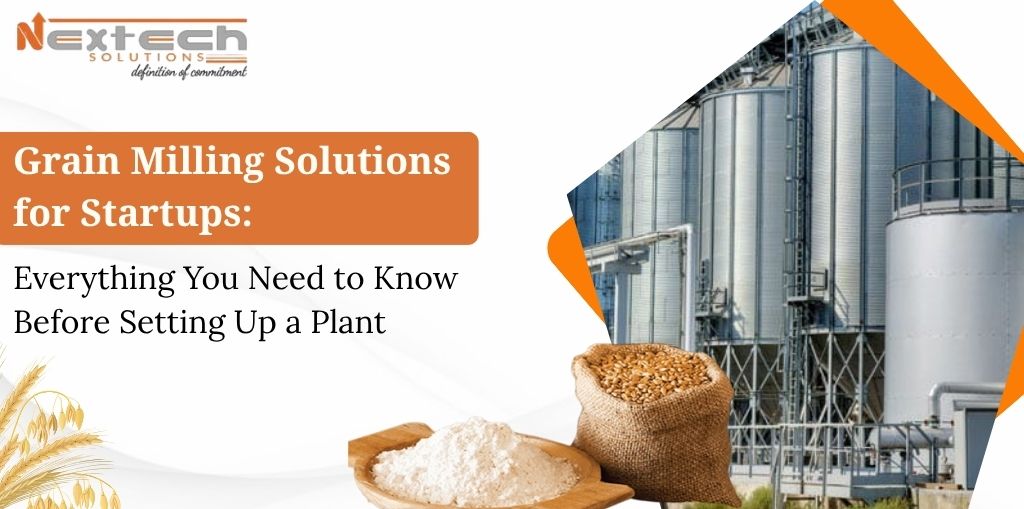
Grain Milling Solutions for Startups: Everything You Need to Know Before Setting Up a Plant

The grain milling industry has always been a cornerstone of the food supply chain, providing essential ingredients like flour, semolina, and other processed grains used globally. With rising demand for processed food and packaged staples, many entrepreneurs are exploring opportunities in this sector. However, setting up a grain milling plant is not just about installing machinery—it requires in-depth planning, understanding of processes, and integration of modern grain milling solutions to ensure long-term success.

In this blog, we’ll guide startups through the key considerations before establishing a grain milling unit, with insights from industry experts like Nextech Agri Solutions, a trusted name in providing turnkey milling consultancy and engineering services.

1. Understanding the Grain Milling Industry

Before investing in infrastructure, it’s vital to understand the scope and demand of the grain milling market. The industry caters to diverse products, including wheat flour, rice, cornmeal, and specialty grains. Consumer preferences vary by region, so identifying the target market is the first step.

  • Market Demand: Research consumption patterns in your chosen location. For example, wheat flour is in high demand in urban India, while rice milling dominates in states like Punjab or West Bengal.
  • Competitor Analysis: Study existing mills to identify gaps in production quality, packaging, or distribution that you can leverage.
  • Regulatory Environment: Grain processing is closely regulated, and startups must comply with food safety standards like FSSAI, HACCP, or ISO certifications.

2. Selecting the Right Grain Milling Solutions

Choosing the right technology is at the heart of a successful milling plant. Modern milling solutions not only improve efficiency but also enhance product quality and reduce operational costs.

Key Aspects to Consider:

  • Automation and Efficiency: Advanced machinery enables higher throughput with minimal manpower, crucial for startups aiming to scale operations.
  • Energy Optimization: Energy-efficient solutions reduce production costs and environmental impact.
  • Flexibility: Select equipment that can handle multiple grain types if you plan to diversify products later.

Companies like Nextech Agri Solutions specialize in designing plants that integrate these features, offering end-to-end solutions from concept to commissioning.

3. Plant Layout and Design

A well-planned layout is critical for smooth operations and long-term scalability. The design should allow optimal material flow, from raw grain intake to finished product packaging.

Factors Influencing Layout:

  • Available Space: Efficient use of land can reduce construction costs.
  • Process Flow: Avoid cross-contamination by maintaining separate paths for raw and processed materials.
  • Future Expansion: Leave scope for adding new lines or storage units as demand grows.

Professional consultants can help design layouts that maximize productivity while adhering to hygiene and safety standards.

4. Raw Material Sourcing and Storage

The quality of grains directly affects the end product. Reliable sourcing from farmers, cooperatives, or suppliers is essential. Moreover, storage plays a critical role in maintaining grain quality before milling.

Storage Considerations:

  • Temperature and Moisture Control: Prevents spoilage and pest infestation.
  • Capacity Planning: Storage should align with production volumes to avoid bottlenecks.
  • Inventory Management: Use technology for tracking and managing stock levels efficiently.

5. Compliance and Quality Control

Food safety is non-negotiable in grain milling. Startups must invest in stringent quality control measures to meet consumer expectations and regulatory requirements.

  • Laboratory Testing: Regular checks for moisture, protein content, and contaminants.
  • Certifications: Acquiring certifications like ISO 22000 or HACCP boosts credibility in domestic and international markets.
  • Traceability: Implement systems to track raw materials from procurement to finished goods for accountability and safety.

6. Financial Planning and ROI

Setting up a milling plant is capital-intensive, and careful financial planning is crucial. Beyond machinery and infrastructure, consider recurring expenses such as labor, energy, and maintenance.

Cost Factors:

  • Machinery and installation
  • Land and building construction
  • Licensing and compliance fees
  • Working capital for initial operations

Startups should also analyze potential returns, considering local demand and distribution opportunities. Well-optimized plants using modern grain milling solutions typically see better margins due to reduced wastage and higher efficiency.

7. Partnering with Experts for Success

Many entrepreneurs underestimate the complexity of setting up a milling plant. Partnering with experienced consultants like Nextech Agri Solutions can significantly reduce risks and ensure a smoother launch. They provide comprehensive services, including feasibility studies, plant design, machinery selection, installation, and staff training—ensuring startups can focus on operations rather than technical hurdles.

Conclusion

Entering the grain milling business is a promising venture, but it demands thorough planning, reliable technology, and expert guidance. From understanding market dynamics to selecting the right grain milling solutions, every step impacts the success and profitability of your plant. By working with experienced partners like Nextech Agri Solutions, startups can confidently navigate challenges and establish efficient, scalable, and profitable milling operations.

Ready to turn your milling business idea into reality? Connect with Nextech Agri Solution today for expert guidance and end-to-end support in setting up your grain milling plant.

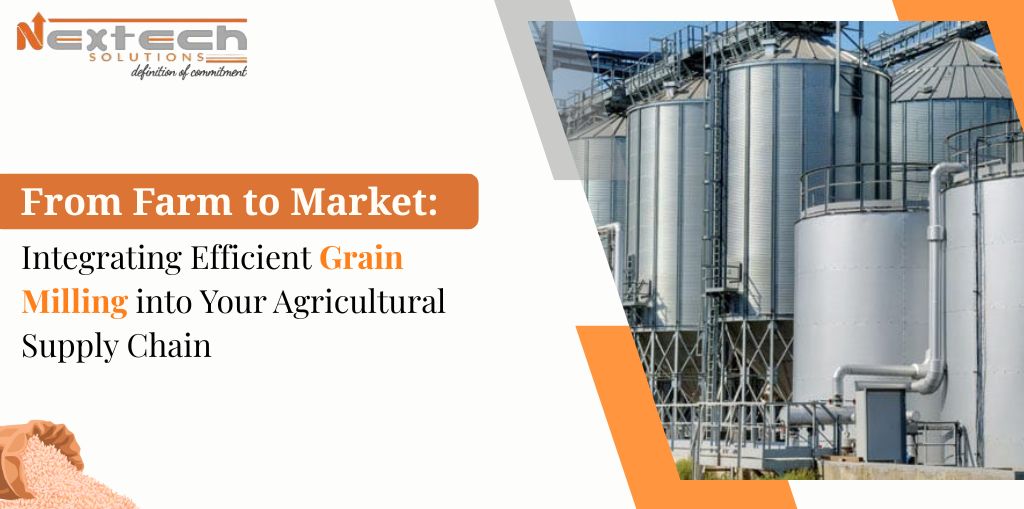
From Farm to Market: Integrating Efficient Grain Milling into Your Agricultural Supply Chain

The agricultural landscape is rapidly evolving, with farmers and agribusinesses seeking innovative ways to maximize value from their harvests. One of the most transformative strategies involves integrating efficient milling operations directly into the agricultural supply chain, creating a seamless pathway from farm to market while significantly enhancing profitability and quality control.

The Strategic Importance of Integrated Milling Operations

Modern agriculture demands more than just growing crops; it requires strategic thinking about post-harvest processing and value addition. By incorporating advanced grain milling solutions into your supply chain, you create multiple competitive advantages that extend far beyond traditional farming practices.

The integration of milling facilities allows farmers to:

  • Retain control over product quality from harvest to final packaging
  • Capture additional profit margins typically claimed by intermediaries
  • Respond quickly to market demands with customized products
  • Reduce dependency on external processing facilities
  • Build direct relationships with end consumers and retailers

Understanding Modern Grain Processing Technologies

Today’s milling technologies have revolutionized how agricultural products move through the supply chain. Advanced systems now offer precision control over every aspect of grain processing, from cleaning and sorting to final packaging.

Key Components of Efficient Milling Systems

Primary Processing Equipment: Modern mills incorporate sophisticated cleaning systems that remove impurities while preserving grain integrity. These systems use gravity separators, aspirators, and magnetic separators to ensure only the highest quality grains proceed to milling.

Milling Machinery: Contemporary milling equipment features automated controls that maintain consistent output quality while maximizing yield. These systems can be calibrated for different grain types and end-product specifications.

Quality Control Systems: Integrated monitoring systems track moisture content, particle size distribution, and contamination levels throughout the processing cycle, ensuring consistent product quality.

Rice Mill Project Planning: A Comprehensive Approach

When considering a rice mill project, successful implementation requires careful planning across multiple dimensions. The complexity of modern rice processing demands attention to technical specifications, market analysis, and operational efficiency.

Essential Planning Elements

Market Assessment: Understanding local and regional demand patterns helps determine optimal capacity and product mix. This includes analyzing competitor positioning, pricing strategies, and potential customer segments.

Infrastructure Requirements: Proper site selection considers factors such as grain storage capacity, transportation access, power availability, and proximity to both suppliers and markets. The location should facilitate efficient logistics while minimizing operational costs.

Technology Selection: Choosing appropriate equipment involves balancing initial investment with long-term operational efficiency. Modern systems offer automation features that reduce labor costs while improving consistency and quality.

Financial Planning: Comprehensive budgeting must account for equipment costs, installation expenses, working capital requirements, and ongoing operational expenses. Many successful projects benefit from phased implementation approaches that spread investments over time.

Building an Efficient Rice Mill Plant

The construction and setup of a rice mill plant represents a significant investment in agricultural infrastructure. Success depends on careful attention to design principles that optimize both efficiency and scalability.

Design Considerations for Maximum Efficiency

Workflow Optimization: Plant layout should minimize material handling while maintaining clear separation between different processing stages. This reduces contamination risks and improves overall efficiency.

Scalability Planning: Designing systems with expansion capabilities allows operators to increase capacity as markets develop. Modular equipment arrangements facilitate future upgrades without disrupting ongoing operations.

Energy Efficiency: Modern plants incorporate energy-saving technologies such as variable frequency drives, efficient lighting systems, and heat recovery mechanisms that reduce operational costs while supporting sustainability goals.

Automation Integration: Advanced control systems enable remote monitoring and automated adjustments that improve consistency while reducing labor requirements.

Quality Assurance and Market Positioning

Successful integration of milling operations requires robust quality assurance programs that meet or exceed industry standards. This involves implementing systematic approaches to quality control that cover every aspect of the processing operation.

Building Market Credibility

Certification Programs: Obtaining relevant certifications such as food safety standards, organic certifications, or quality management systems enhances market credibility and opens access to premium market segments.

Traceability Systems: Modern consumers increasingly demand transparency about food origins and processing methods. Implementing comprehensive traceability systems from farm to final product builds consumer confidence and supports premium pricing.

Brand Development: Developing strong brand identity around quality and reliability helps differentiate products in competitive markets while building customer loyalty.

Financial Benefits and Return on Investment

The financial advantages of integrated milling operations extend beyond simple profit margin improvements. Successful implementations typically see significant returns through multiple revenue streams and cost reductions.

Value-added processing can increase product value by 200-400% compared to selling raw grains. Additionally, integrated operations reduce transportation costs, minimize quality losses during handling, and provide greater flexibility in responding to market opportunities.

Future-Proofing Your Agricultural Investment

As agricultural markets continue evolving, integrated milling operations position farmers and agribusinesses for long-term success. By partnering with experienced providers like Nextech Agri Solutions, agricultural enterprises can access cutting-edge technologies and expert guidance that ensure optimal implementation and ongoing success.

The integration of efficient grain milling solutions into agricultural supply chains represents more than just process improvement; it’s a strategic transformation that creates sustainable competitive advantages while building stronger connections between producers and consumers. Through careful planning, appropriate technology selection, and commitment to quality, agricultural enterprises can successfully navigate this transformation and achieve significant long-term benefits.

Basmati Rice Processing Excellence: Specialized Milling Solutions for Premium Rice Varieties

India’s basmati rice stands as a crown jewel in the global grain market, renowned for its distinctive aroma, elongated grains, and exceptional cooking qualities. The journey from paddy to premium basmati rice requires sophisticated processing techniques and cutting-edge technology that preserves the grain’s inherent characteristics while maximizing yield and quality.

The Art and Science of Basmati Processing

Basmati rice processing demands a delicate balance between traditional knowledge and modern technology. Unlike regular rice varieties, basmati requires specialized handling throughout every stage of milling to maintain its premium status in international markets.

The processing begins with careful paddy selection, where moisture content, maturity levels, and grain integrity are meticulously evaluated. This initial assessment determines the entire milling strategy, as basmati’s fragile nature requires gentler handling compared to other rice varieties.

Critical Factors in Premium Rice Milling

Moisture Management Optimal moisture levels between 12-14% are crucial for basmati processing. Excessive moisture leads to grain breakage, while insufficient moisture results in brittle grains that shatter during milling operations.

Temperature Control Heat-sensitive basmati grains lose their aromatic compounds when exposed to high temperatures. Advanced milling systems incorporate temperature monitoring and cooling mechanisms to preserve the grain’s natural fragrance.

Gentle Handling Mechanisms Traditional abrasive milling methods damage basmati’s delicate structure. Modern grain milling solutions employ rubber roll hullers and friction-based whitening systems that minimize grain stress and breakage.

Advanced Milling Technologies for Superior Results

Multi-Stage Processing Systems

Contemporary rice mill plant designs incorporate multiple processing stages, each optimized for specific functions:

Pre-cleaning and Destoning Advanced screening systems remove impurities, stones, and damaged grains before processing begins. This preliminary step significantly improves final product quality and reduces equipment wear.

Precision Hulling Specialized hulling machines designed for long-grain varieties ensure consistent hull removal without damaging the underlying grain structure. Variable pressure settings accommodate different grain sizes within the same batch.

Controlled Whitening Multi-pass whitening systems gradually remove bran layers while preserving grain integrity. Each pass is carefully calibrated to achieve desired whiteness levels without over-processing.

Quality Enhancement Features

Modern milling solutions integrate several quality enhancement technologies:

  • Optical sorting systems that detect and remove discolored, chalky, or damaged grains
  • Length grading mechanisms that separate grains by size for uniform packaging
  • Broken grain separation systems that maximize head rice recovery
  • Dust aspiration systems that remove fine particles and broken bran

The Indian Advantage in Rice Processing

Rice mills in India have evolved significantly over the past decade, driven by export demands and quality standards. Indian manufacturers have developed specialized expertise in basmati processing, combining traditional knowledge with international best practices.

Export Quality Standards

Indian basmati processors must meet stringent international quality parameters:

  • Head rice recovery rates exceeding 65%
  • Broken grain content below 5%
  • Moisture levels maintained at 12-13%
  • Foreign matter content less than 0.1%
  • Aromatic compound retention for authentic basmati fragrance

Technological Innovations

Leading processors have invested in state-of-the-art equipment featuring:

Automated Control Systems Computer-controlled processing parameters ensure consistent quality across batches while reducing human error and labor dependency.

Energy Efficient Operations Modern mills incorporate energy recovery systems and optimized power consumption mechanisms that reduce operational costs while maintaining processing efficiency.

Traceability Systems Advanced tracking mechanisms monitor grain movement from intake to packaging, ensuring quality accountability and regulatory compliance.

Maximizing Profitability Through Precision Processing

Yield Optimization Strategies

Successful basmati processing requires strategic approaches to maximize both quantity and quality yields:

Paddy Quality Assessment Comprehensive testing protocols evaluate grain maturity, moisture distribution, and damage levels to optimize processing parameters for each batch.

Process Parameter Adjustment Real-time monitoring systems adjust milling intensity, whitening duration, and handling speeds based on grain characteristics and desired output specifications.

Byproduct Utilization Efficient mills maximize revenue through proper utilization of rice bran, broken grains, and hulls for animal feed, oil extraction, and biomass applications.

Market Positioning Advantages

Premium basmati processing capabilities enable processors to:

  • Access high-value export markets with stringent quality requirements
  • Command premium pricing for superior grade products
  • Build long-term relationships with international buyers
  • Diversify product portfolios across different grain lengths and qualities

Future Outlook and Industry Trends

The basmati rice processing industry continues evolving with emerging technologies like artificial intelligence-based quality assessment, blockchain traceability systems, and sustainable processing methods. Nextech Agri Solutions remains committed to advancing these innovations, helping processors achieve excellence in basmati rice production while meeting global market demands.

Investment in specialized milling infrastructure positions processors to capitalize on growing international demand for premium Indian basmati rice, ensuring sustainable growth and market leadership in this competitive sector.

Sustainable Rice Milling Practices in India: Reducing Environmental Impact While Boosting Productivity

India stands as the world’s second-largest rice producer, contributing significantly to global food security. However, traditional milling practices often come with environmental challenges that demand immediate attention. The integration of sustainable technologies in rice processing has become crucial for balancing productivity with environmental responsibility.

The Current State of Rice Processing in India

The Indian rice processing industry operates thousands of facilities across the country, from small-scale operations to large industrial complexes. While these rice mills in India have been instrumental in meeting domestic and export demands, many still rely on conventional methods that generate substantial waste and consume excessive energy.

Traditional milling processes typically result in:

  • High energy consumption through inefficient machinery
  • Significant water wastage during cleaning and processing
  • Improper disposal of rice husk and bran
  • Excessive carbon emissions from outdated equipment

Environmental Challenges in Conventional Rice Milling

Energy Consumption Issues

Conventional milling operations consume approximately 25-30 kWh of electricity per ton of paddy processed. This high energy demand not only increases operational costs but also contributes to greenhouse gas emissions when sourced from fossil fuel-based power generation.

Waste Generation Problems

Every ton of paddy processed generates substantial byproducts:

  • Rice husk (20-22% of total weight)
  • Rice bran (8-10% of total weight)
  • Broken rice (5-7% of total weight)

When not properly utilized, these byproducts become environmental burdens rather than valuable resources.

Water Usage Concerns

Traditional cleaning and processing methods consume 1,500-2,000 liters of water per ton of paddy, often without adequate recycling systems in place.

Sustainable Solutions for Modern Rice Processing

Energy-Efficient Technologies

Advanced Milling Equipment Modern rice mill plant designs incorporate energy-efficient motors, variable frequency drives, and optimized processing sequences that can reduce energy consumption by 30-40%. These systems include:

  • High-efficiency paddy separators
  • Low-power consumption whitening machines
  • Automated sorting systems with minimal energy requirements

Renewable Energy Integration Progressive facilities are adopting solar power systems and biomass-based energy generation using rice husk as fuel. This approach can make operations carbon-neutral while reducing electricity costs by up to 60%.

Waste-to-Wealth Conversion

Rice Husk Utilization

  • Power generation through biomass boilers
  • Manufacturing of construction materials like rice husk ash concrete
  • Production of activated carbon for water treatment
  • Development of biodegradable packaging materials

Rice Bran Applications

  • Extraction of rice bran oil for cooking and industrial purposes
  • Production of animal feed supplements
  • Manufacturing of cosmetic and pharmaceutical products

Water Conservation Strategies

Closed-Loop Water Systems Implementation of water recycling systems can reduce fresh water consumption by 70-80%. These systems include:

  • Settling tanks for particle removal
  • Filtration units for water purification
  • Automated water quality monitoring

Dry Cleaning Technologies Advanced dry cleaning methods eliminate water usage during initial cleaning stages while maintaining grain quality standards.

Technological Innovations Driving Sustainability

Smart Automation Systems

Modern rice mill project implementations include IoT-enabled monitoring systems that optimize:

  • Energy consumption patterns
  • Water usage efficiency
  • Waste segregation processes
  • Quality control parameters

Precision Processing Equipment

State-of-the-art machinery offers:

  • Minimal grain breakage rates
  • Reduced processing time
  • Lower maintenance requirements
  • Enhanced product quality

Economic Benefits of Sustainable Practices

Cost Reduction Opportunities

  • Energy savings: 25-40% reduction in electricity costs
  • Water conservation: 60-70% decrease in water expenses
  • Waste monetization: Additional revenue streams from byproduct sales
  • Reduced maintenance: Modern equipment requires less frequent repairs

Market Advantages

  • Premium pricing for sustainably processed rice
  • Enhanced brand reputation and market positioning
  • Compliance with international sustainability standards
  • Access to green financing options

Implementation Strategies for Rice Processing Facilities

Phased Modernization Approach

Rather than complete overhaul, facilities can adopt gradual improvements:

Phase 1: Energy Optimization

  • Upgrade to energy-efficient motors and equipment
  • Install power monitoring systems
  • Implement energy management protocols

Phase 2: Waste Management Integration

  • Establish byproduct processing units
  • Develop partnerships for waste utilization
  • Create value-added product lines

Phase 3: Water Conservation Systems

  • Install water recycling infrastructure
  • Implement quality monitoring systems
  • Optimize cleaning processes

Investment Considerations

Nextech Agri Solutions recommends evaluating return on investment based on:

  • Energy cost savings projections
  • Byproduct revenue potential
  • Government incentives for sustainable practices
  • Long-term operational efficiency gains

Future Outlook and Opportunities

The sustainable rice milling sector in India presents immense growth potential. Government initiatives supporting clean technology adoption, increasing consumer awareness about sustainable products, and international market demands for responsibly processed grains are driving industry transformation.

Emerging Technologies

  • Artificial intelligence for process optimization
  • Blockchain for supply chain transparency
  • Advanced biotechnology for enhanced byproduct utilization
  • Carbon capture and storage systems

Conclusion

Sustainable rice milling practices represent a critical evolution in India’s agricultural processing sector. By embracing energy-efficient technologies, implementing comprehensive waste management systems, and optimizing water usage, rice processing facilities can significantly reduce their environmental footprint while enhancing profitability.

The transition toward sustainability requires strategic planning, appropriate technology selection, and commitment to continuous improvement. With proper implementation, these practices not only contribute to environmental conservation but also position businesses for long-term success in an increasingly sustainability-conscious market.

As the industry moves forward, the integration of advanced technologies with traditional processing wisdom will define the next generation of rice milling operations, ensuring food security while protecting environmental resources for future generations.


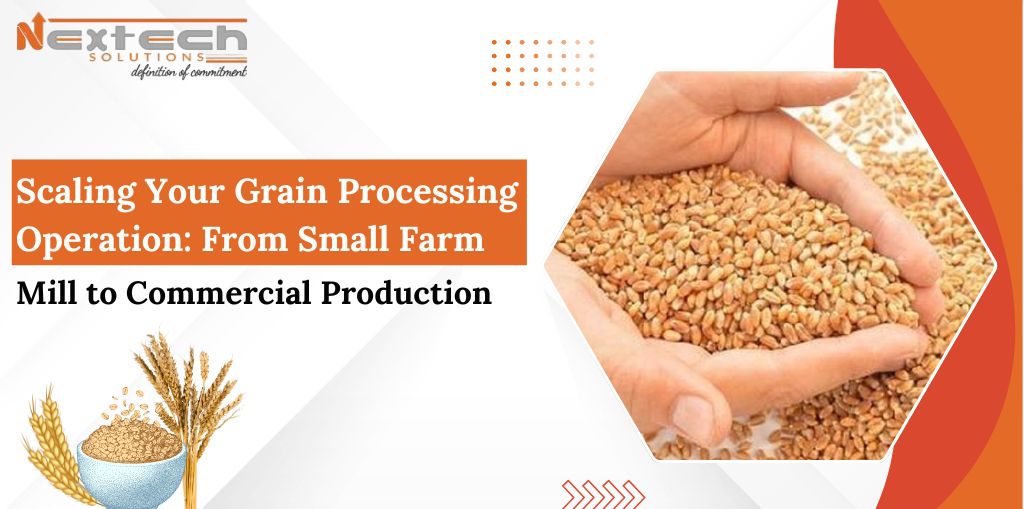
Scaling Your Grain Processing Operation: From Small Farm Mill to Commercial Production

The journey from operating a small farm mill to establishing a full-scale commercial grain processing facility represents one of agriculture’s most rewarding yet challenging transitions. As global food demand continues to rise and local food systems gain prominence, entrepreneurs are discovering unprecedented opportunities in grain processing. However, successful scaling requires careful planning, strategic investment, and a deep understanding of both technical and market dynamics.

Understanding the Market Landscape

The grain processing industry has experienced remarkable transformation over the past decade. Consumer preferences have shifted toward locally sourced, minimally processed grains, creating lucrative niches for mid-scale processors. This trend, combined with growing awareness of food security, has opened doors for entrepreneurs ready to bridge the gap between large industrial operations and small-scale farm mills.

Market research indicates that regional grain processing facilities often enjoy competitive advantages over massive industrial plants, including reduced transportation costs, fresher products, and stronger community connections. These factors create compelling business cases for scaling operations beyond simple farm-level processing.

Essential Infrastructure Considerations

Power and Utilities Planning

Transitioning from small-scale to commercial production demands significant infrastructure upgrades. Electrical systems must support heavy machinery, requiring three-phase power connections and backup generators to ensure continuous operation. Water requirements increase exponentially, necessitating reliable sources for cleaning, cooling, and processing applications.

Grain storage capacity becomes critical at commercial scales. Modern facilities require climate-controlled environments with proper ventilation systems to maintain grain quality throughout extended storage periods. Investment in high-capacity silos, conveyor systems, and automated handling equipment becomes essential for efficient operations.

Processing Equipment Selection

Choosing appropriate grain milling solutions marks a pivotal decision in scaling operations. Commercial-grade equipment offers dramatically improved efficiency, consistency, and throughput compared to farm-level mills. However, equipment selection must align with specific grain types, processing volumes, and end-product requirements.

Modern processing lines incorporate sophisticated cleaning systems, grading equipment, and quality control mechanisms that ensure consistent output meeting commercial standards. These systems often include automated monitoring capabilities that track moisture content, foreign material levels, and processing efficiency in real-time.

Financial Planning and Investment Strategy

Capital Requirements Assessment

Scaling grain processing operations typically requires substantial capital investment. Equipment costs alone can range from hundreds of thousands to several million dollars, depending on processing capacity and automation levels. Additional expenses include facility construction or renovation, utility connections, regulatory compliance, and working capital for inventory and operations.

Successful entrepreneurs often pursue phased expansion strategies, implementing modular systems that allow gradual capacity increases as demand grows. This approach reduces initial capital requirements while providing flexibility to adapt to market conditions and operational experience.

Revenue Diversification Opportunities

Commercial grain processing operations benefit from multiple revenue streams beyond basic milling services. Value-added products such as specialty flours, organic grains, and custom processing services command premium pricing. Many successful operations also develop direct-to-consumer sales channels, farmer cooperatives, and wholesale distribution networks.

The rice mill business, in particular, offers excellent scalability potential due to consistent demand and established market channels. Rice processing generates multiple products including various grain grades, broken rice for animal feed, and rice bran for oil extraction or livestock nutrition.

Regulatory Compliance and Quality Standards

Food Safety Requirements

Commercial grain processing facilities must comply with stringent food safety regulations including FDA guidelines, HACCP protocols, and local health department requirements. These standards govern everything from facility design and equipment specifications to employee training and record-keeping procedures.

Implementing comprehensive quality management systems becomes essential for maintaining certifications and customer confidence. Many operations pursue additional certifications such as organic processing, kosher compliance, or fair trade standards to access premium markets.

Environmental Considerations

Modern grain processing operations must address environmental impacts including dust control, wastewater management, and energy efficiency. Regulatory compliance often requires investment in pollution control equipment, environmental monitoring systems, and sustainable processing practices.

Technology Integration and Automation

Process Optimization Systems

Advanced rice mill plant operations increasingly rely on automated systems for quality control, inventory management, and production optimization. These technologies include moisture analyzers, color sorters, and integrated control systems that monitor and adjust processing parameters in real-time.

Investing in modern technology reduces labor costs, improves product consistency, and provides detailed operational data for continuous improvement initiatives. Many facilities implement enterprise resource planning systems that integrate production, inventory, sales, and financial management functions.

Digital Marketing and Customer Engagement

Successful commercial operations leverage digital platforms for marketing, customer communication, and order management. Online presence becomes crucial for reaching broader markets and building brand recognition beyond local communities.

Building Strategic Partnerships

Supply Chain Development

Establishing reliable grain supply chains requires developing relationships with multiple farmers, grain elevators, and transportation providers. Successful operations often implement contract growing programs that ensure consistent raw material supply while providing farmers with guaranteed markets.

Nextech Agri Solutions recognizes that strong partnerships extend beyond supply chains to include equipment manufacturers, financial institutions, and technical service providers. These relationships provide ongoing support for equipment maintenance, operational optimization, and business development.

Conclusion

Scaling grain processing operations from farm-level to commercial production represents a significant entrepreneurial opportunity requiring careful planning, substantial investment, and operational excellence. Success depends on understanding market dynamics, implementing appropriate technology, maintaining regulatory compliance, and building strong partnerships throughout the value chain.

With proper planning and execution, entrepreneurs can build profitable operations that serve growing demand for locally processed grains while contributing to regional food security and economic development. The key lies in balancing growth ambitions with operational capabilities while maintaining focus on quality, efficiency, and customer satisfaction.