Wild Rice Harvest By Chippewa – Permit Torn To Shreds

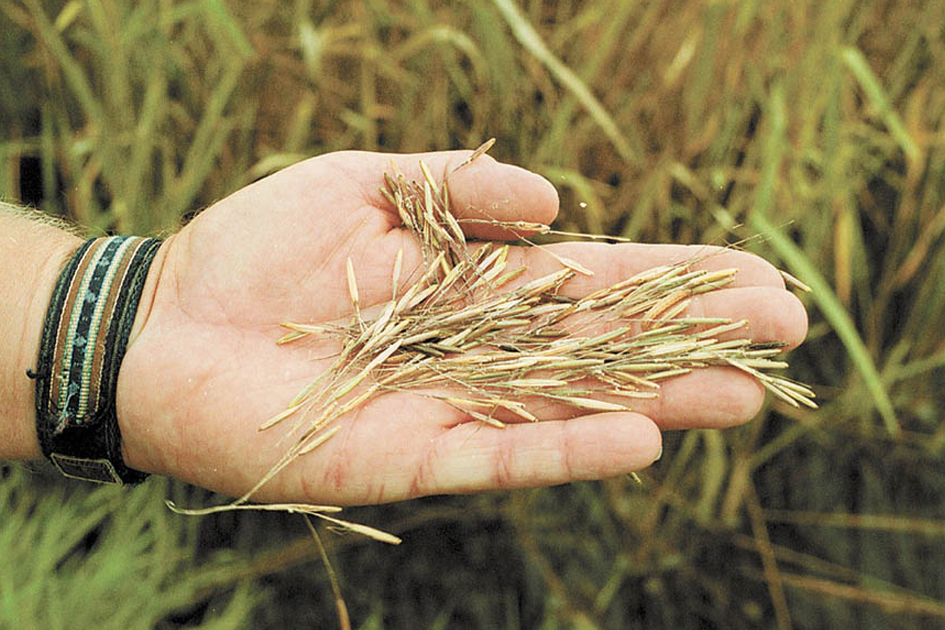
The Minnesota DNR (Department of Natural Resources) has issued a surprise one day legal permit to Chippewa. The license allows individuals to harvest wild rice without having a state wild rice harvesting license. The 1855 authority’s intention was to harvest wild rice at Hole-in-the-box Day Lake in remembrance of Chief-Hole-in-the-Day.

The Minnesota DNR (Department of Natural Resources) has issued a surprise one day legal permit to Chippewa. The license allows individuals to harvest wild rice without having a state wild rice harvesting license. The 1855 authority’s intention was to harvest wild rice at Hole-in-the-box Day Lake in remembrance of Chief-Hole-in-the-Day. This was to bring attention to the treaty of 1855 and clean water issues. The DNR has prevented a court battle by doing so.

For those unaware, the treaty with the Chippewa, also known as the treaty of Washington, was conducted between the United States and the Pillager and Mississippi Chippewas. The Chippewas are a historic band that settled at the headwaters of the Mississippi River, in the present day state of Minnesota.

The DNR commissioner is allowed to issue such permits for educational purposes.
In a dramatic turn of events though, the Authority Chair LaRose tore the permit into shreds in front of news channel cameras, unimpressed by the “permission slip”.


Enquire Now

Who Are We In A Nutshell

We are not going to waste your time tonight giving a brief on how important a crop paddy is. Or how important rice is in the Indian subcontinent. Instead, we are going to cut the chase and talk about who we are, and what do we do.

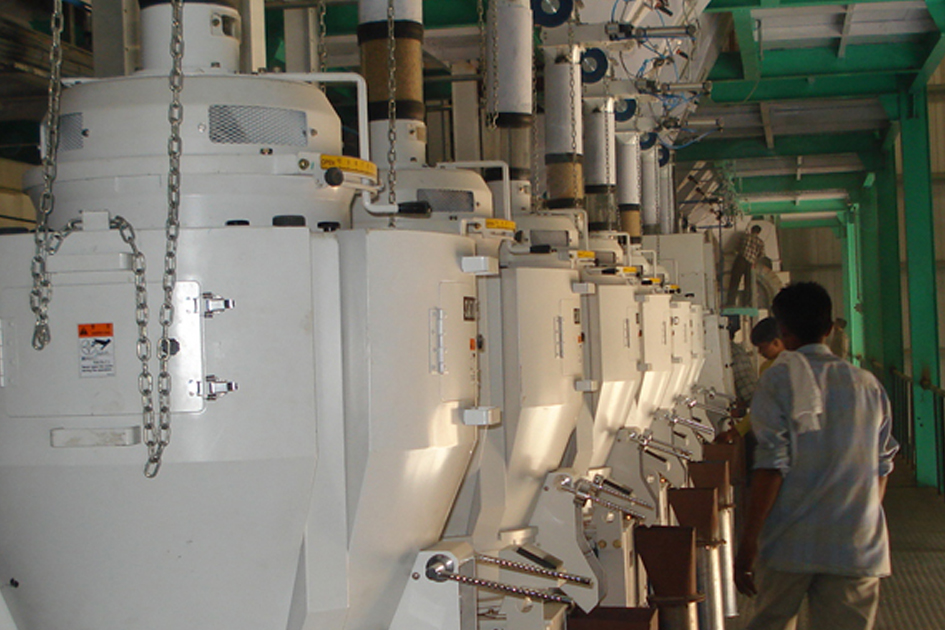
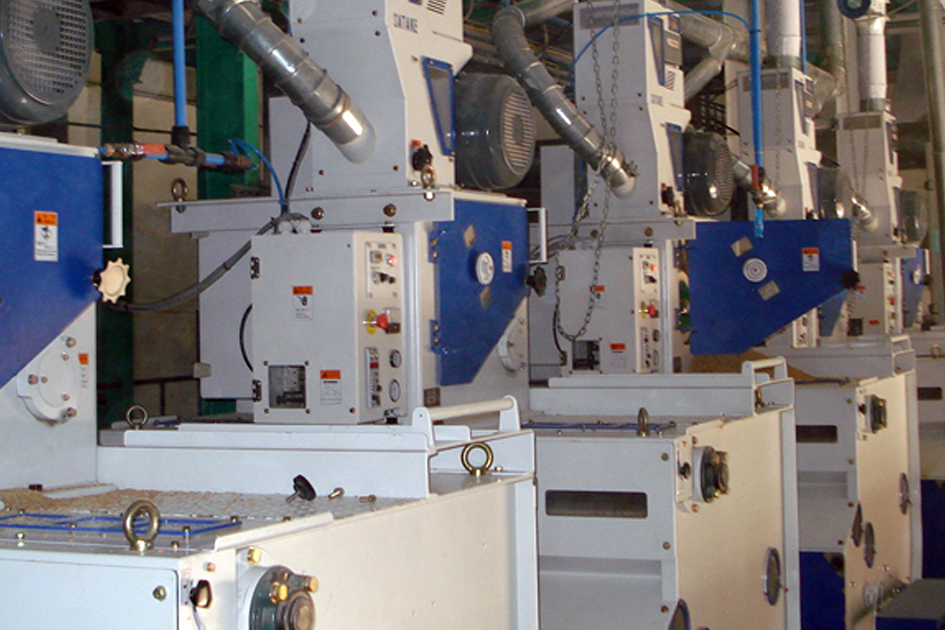
Rice Milling is a combination of processes that starts with pre-cleaning, when impure paddy arrives from the field to the rice mill, and ends with the weighing and packing of the whitened, polished, blended rice. Rice without milling, cannot be consumed. Even if you eat brown rice, the paddy needs to be pre-cleaned, de-stoned and husked. We offer solutions for the setting up of rice milling plants. But that is not it, as a company promoted by two industry veterans, we also possess extensive knowledge of flour milling, bulk storage and silos and Spices Cleaning & Grading.

Pulses are a major component of Indian cuisine because a majority of our country’s people are vegetarian, and lentils form a great source of protein. Since they are economic, and offer so much variety, they can be cooked pretty much on an everyday basis. Since different dals have different characteristics, the processes of milling are different.

Indian food is incomplete without spices. A lot of spices are sold in our domestic markets, and a lot of them are exported. We help you with spice cleaning, grading and sorting.

That was about us – in a nutshell. We highly recommend you to go through our services page to know about us more. We highly recommend you to drop a query in the Contact Us section and avail our highly professional services.


Enquire Now

Chinese Fake Rice: Everything You Need To Know

Ladies and Gentlemen, shocking (And scary, if I may add!) videos on the internet show “fake rice” from China, that have allegedly entered the Indian, Filipino, Indonesian, Malaysian and Vietnamese markets. The scarily real-looking Grains of Rice are made of potatoes, sweet potatoes and plastic. However, the rice remains hard even when cooked. It starts looking like Styrofoam when cold, and sticks into clumps. A consumer from Philippines claims that it rice does not spoil for as long as 3 weeks upon cooking! And, water comes out of it, when you squeeze it.

Some of these shocking videos show a plastic-like layer appearing on top of water when the rice is cooked. Dry the layer, and it burns like plastic indeed.

Worse is this synthetic rice being mixed with the real ones – one can only imagine how difficult it must be for the consumer to figure out that it’s adulterated.

There were reports of this synthetic rice being sold in Kerala, but they have been trashed by the state government.


Enquire Now

How to Cook Perfect Brown Rice Every Time?

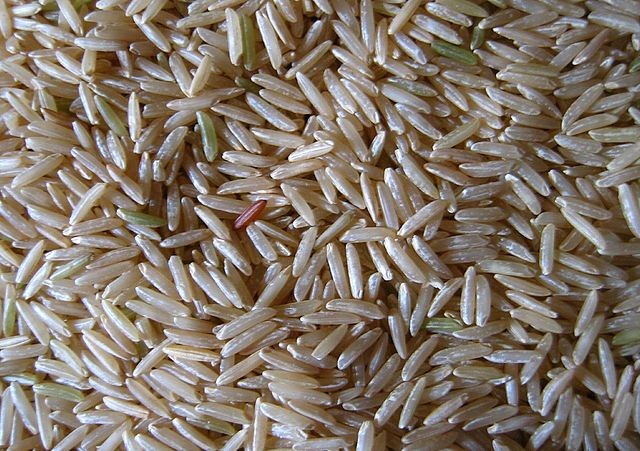
Rice is a staple food for many different cultures throughout the world. White rice is more common in the United States and many other regions of the world, but brown rice is still consumed by more people overall. The key difference between the two types of rice lies in how they are processed. White takes much more processing overall, as brown is only partly milled or not milled at all.

The cooking process for both rice types also varies. The first mistake people make is assuming that you can cook brown rice just the same way as white. Some people find it harder to cook brown rice when compared to its white counterpart. Here are a few tips to ensure you end up with perfectly cooked brown rice.

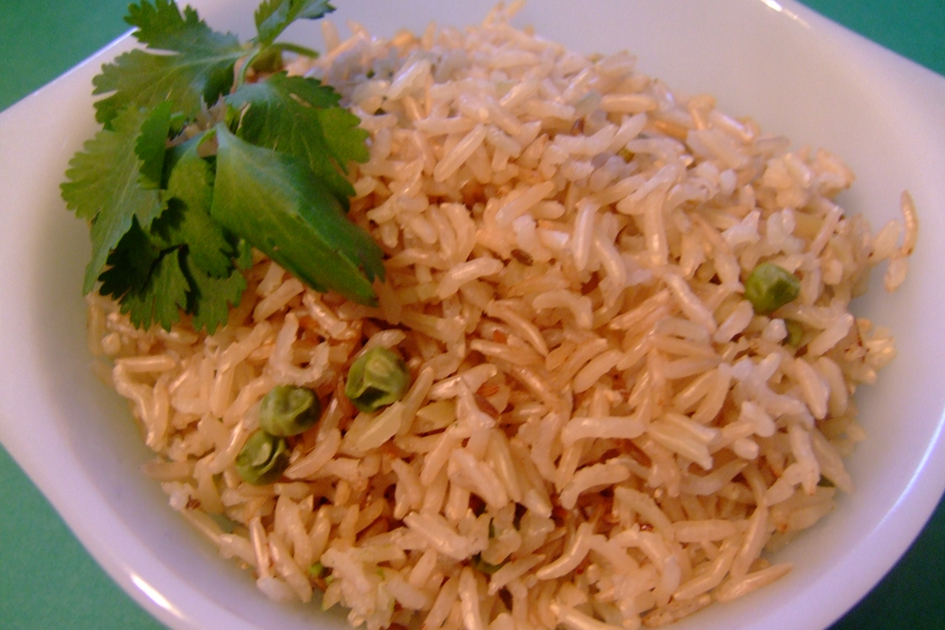
To start, you should thoroughly rinse your rice until the water runs clear. The next step is to start boiling water for your rice to cook in. The rice to water ratio is very important and should be 1 cup of rice to 1-1/2 cups of water. Another important step you do not want to overlook is to add the rice only after the water is fully boiling.

Brown Rice is Good for Health

Once you have added the rice to the boiling water, cover the pot and reduce the heat to low for 20 minutes. After 20 minutes, you will want to remove the pot from the heat, but do not remove the lid. Leave the pot to rest uncovered for another 15 minutes or so. Any longer than 15 minutes and your rice can end up soggy and mushy.

The two steps that cannot be overlooked are ensuring the correct rice to water ratio, along with adding rice after the water is boiling. These two things differ from the way white rice is prepared, so they are the areas that people tend to mess up when cooking brown rice.

Once you start to cook brown rice more often, you will begin to get a better feel for the right way to cook it and in no time at all, you will be a pro.

Brian is an online writer and reviewer of kitchen appliances like a KitchenAid Slow Cooker. For the latest slow cooker reviews, along with the best discounts and special offers, visit his new blog at http://programmableslowcooker.com today.

Article Source: Ezinearticles.com


Enquire Now

Important Arrangements to Make Profits in Rice Milling Business

The countries like India, where agriculture is the primary occupation, the benefits of setting up a rice mill can be easily understood. Rice is among the top staple foods in India and huge quantities of different varieties are exported to different nations. It is also worth mentioning that Rice Milling is the oldest agro-processing industry in India.

The credit for the industry’s growth should also be given to the manufacturers who make and supply various supporting equipments for growth of rice and related agricultural businesses. Apart from the domestic markets, these mills are exported to various foreign markets as well. Setting up rice mill is definitely a profitable business. However, certain factors are important to be taken care in this direction.

Land Requirement

Depending upon the processing capacity of such a agro business unit, it is important to decide the area of agricultural land in acres required for various operations. In addition, the land should have elevation from the ground, as low-lying areas are not suitable for processing. Another important factor is that the area you choose should be well-connected to the road and should have proper drainage system.

Layout and Constructions

Another important factor for the success of the Rice Milling Business is the layout. Various constructions should be done in a way that they offer smooth operations and optimal space utilization. The important structures required in this direction include godowns and stores to store raw paddy as well as processed rice. Sheds where the rice processing unit is installed, cleaning unit, parboiling area and other similar sections should be assigned with care.

Important Resources

Availability of power is another important consideration to run rice mills and other electrical machines uninterruptedly. In addition, the generators must be arranged as standby support systems. Uninterrupted supply of water is also required for the processes like parboiling.

Selection of Machinery

Depending on the size of the Rice Processing Plant, different type of milling machines are available according to their size and features. You may think of investing in a mini rice plant in the start of the business. The important factors to consider while setting up a rice processing plant include capacity, speed and power requirements. It is also important to choose among machines that can perform one-step, two-step or multiple step execution. Take into account the processes that the machines can perform. The most important ones include pre-cleaning, husk removal, polishing and so on.

Milling performance should also be considered, as it decides the output of the rice processing. For this, you must know the percentage of whole grain and broken grain that the machine will output. Rice mills can produce as high as 80% of the total paddy as milled grain.

Other Considerations

Security of the rice milling site from pests and other threats is also worth considering. It is a good idea to avail insurance to cover the fixed assets, machinery and other parts of the business.

The choice of rice mill can be a critical factor in the success of your business. Look for different models at online business directories and compare their performances and overall costs to choose the best one.

Author has wide knowledge of B2B Marketplace and Business industries. For extended opportunities in Rice Mill Business and info about Rice Mill Machinery, visit online business directory Dir.IndiaMART.com

Article Source: EzineArticles


Enquire Now

Rice Mill Plants – Past and Current Technology in Milling

Rice is one of the most important food crop across the world that is processed in the rice milling plants with respect to the international standards keeping in mind the uniformity and the basic quality of the grain. There are different rice milling machinery and Rice Milling equipment used for the proper processing of rice and ensure its maximum processing capacity in less amount of time.

The most important productional factor considered for its processing is the use of energy. Energy is one of the demanding items and the vital source to measure the cost of the finalized finished product. For the production of rice, the energy-consuming equipment used includes blowers, elevators, motors, boilers and steam distribution, and many more. The efficiency of the product (rice) depends on the utilities maintained by the rice production mills such as electricity, air, water, labor, etc.

Many of the rice plants in India and also in the different parts of the world adhere to several procedures for rice processing such as drying of rice, cleaning of rice, milling, whitening, polishing, grading, blending, sorting and packaging. There are different types of sorters and separators used for the rice to be free from any type of dust, fungal infections, plastic granules, unwanted grain, etc. Some of them include:

Rice Huskers: These huskers remove the husk (outer covering) from the paddy rice during the processing.

Paddy Separators: It makes the brown rice more efficient.

Plano Shifters: This makes the rice more uniform and give rice proper size and grading with a high speed.

Color Sorters: These color sorters give a proper color to the rice and define its shade.

The basic structure and the process followed in the rice milling industries and rice milling plants include:
1. Quantity of Rice (In Abundance)
2. Pre – Cleaning
3. Steaming
4. Drying
5. Packaging
6. Grading and Sorting
7. Polishing
8. Removal of Husk

Initially, the basic rice cultivation process requires the complete preparation for the technological projects and the set-up of the milling plant. Many layouts, specifications, selection of appropriate milling equipments and units are planned for the efficient running of the milling industry. Further the assessment reports are also prepared keeping in mind the benefits with the selection of experienced personnel.

There are different types of methods used in the rice milling industries. In the earlier days, conventional methods were used for paddy processing using the steel hullers and the rice processing process mentioned in the above flowchart was carried out manually. This method seems to be the inefficient method as the chances or the profits to rise at a higher level often degrades. The marketing costs and the net returns tend to decrease that prevents the consumers from earning accountable outputs in time. Further, the latest and modern rice milling units make use of more efficient technology that hep them yield a large net return and the calculated costs become better for the large quantity of paddy. Roughly, we can say that capacity utilization using the modern methods is approximately 70% in comparison to the conventional methods used (approx. 45%). Rice is the staple food and is one of the man source among all the food grains

Blog Source:EzineArticles.


Enquire Now

PhilRice Rice Milling Machine Specification

Simple, low-cost rice milling machines play an essential role in ensuring food security and reducing hunger and poverty in the rural Philippines. The Philippine Rice Research Institute, commonly known as PhilRice, works with more than 60 agencies worldwide.

Simple, low-cost Rice Mill Machines play an essential role in ensuring food security and reducing hunger and poverty in the rural Philippines. The Philippine Rice Research Institute, commonly known as PhilRice, works with more than 60 agencies worldwide to increase rice self-sufficiency, productivity, and profitability through the research and development of portable Milling Machines, among other new technologies.

Identification

For people living in remote villages, portable and economical milling machines provide an alternative to transporting rice to distant milling facilities or grinding it by hand with a mortar and pestle. PhilRice mills consist of a hopper, a milling rotor, and a set of separators; they are made of steel and plastic, and according to PhilRice, are easy to fabricate, operate and maintain. PhilRice produces a selection of models for both household and village use, including a mill for processing fine, dry flour.


Household Micromill

PhilRice produces a household Micromill for household use that weighs 88 pounds, including the motor, and has a total height of 38 1/2 inches. This model processes rice at a rate of 110 to 165 pounds per hour, with a milling recovery of 60 to 67 percent and ahead rice recovery of 50 to 70 percent. To operate, it requires one person and a 1 hp electric motor or 3 hp gasoline engine, with an energy consumption of 0.26 gallons per hour.


Village Micromill

The village Micromill is also available in a larger size for village use that weighs 132 pounds and measures 41 inches tall. It has a milling capacity of 330 to 440 pounds per hour, with the same percentages of milling recovery and head rice recovery as the household model. It requires one to two people to operate and runs on a 5 hp electric motor, 7 to 9 hp gasoline engine or 6 to 8 hp diesel engine, consuming 0.4 to 0.53 gallons per hour.


Flour Mill

Phil Rice produces a mill for processing fine, dry rice flour that can also be used for milling corn, soya, mungbean, black pepper, squash, banana, cassava, sweet potato and other dried food products. It stores flour for up to six months by preventing flour contamination caused by wet milling. The mill’s capacity is 22 pounds per hour, and it requires one person and a 2 hp electric motor or a 5 hp gasoline engine to operate. A larger, 220-pound model is also available with a milling capacity of 321 pounds per hour; requiring a 10 hp electric motor or 12 hp diesel engine.

Blog Post Source By: Ehow


Enquire Now

Customized Silos – For Effective Storage of Food

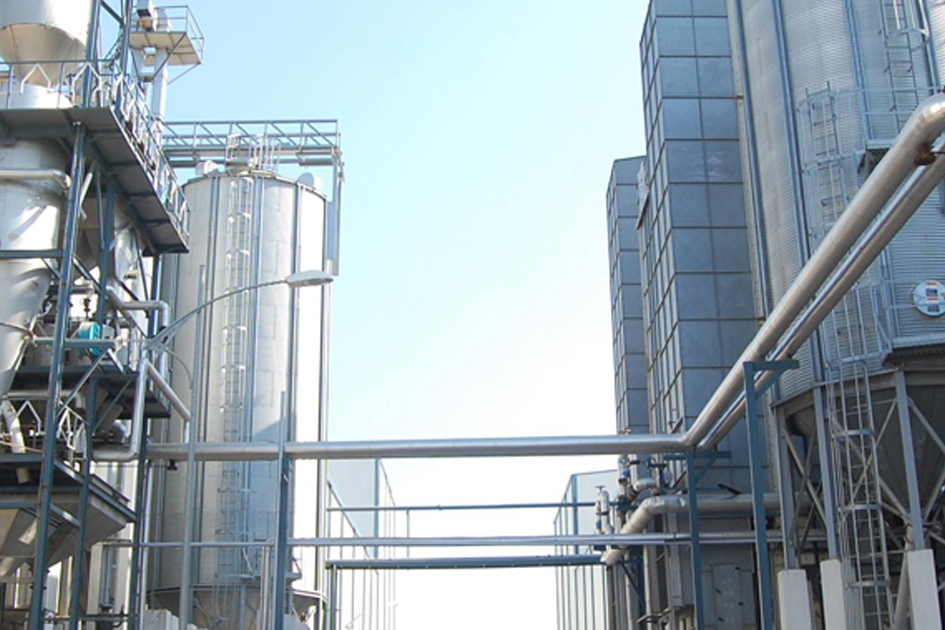
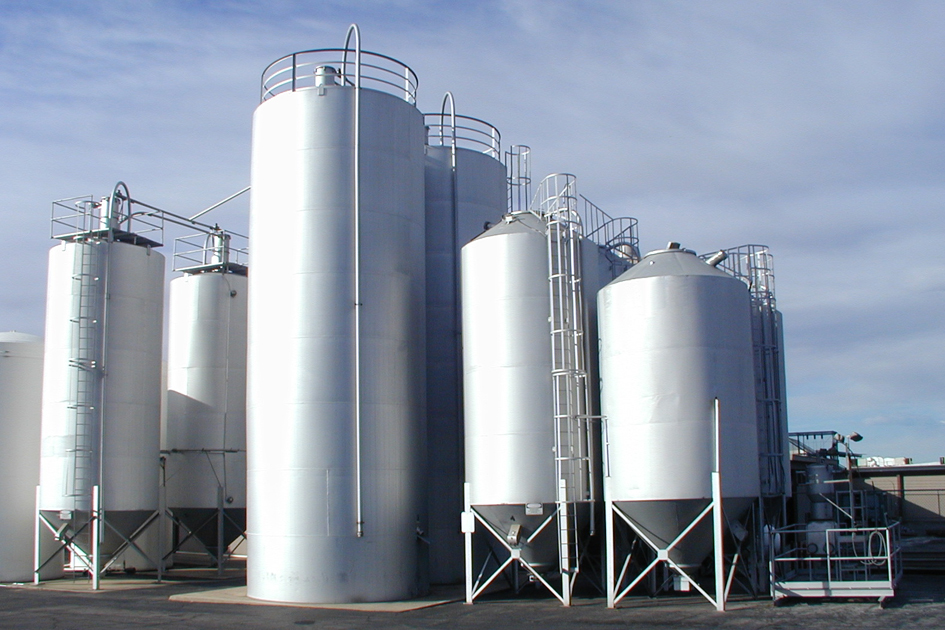
Out of the many ways of storing food, metal silos prove to be the most efficient and effective. Silos enable farmers to store and protect their grain from being spoiled by rain and pest infestation.

Out of the many ways of storing food, metal silos prove to be the most efficient and effective. Customized Silos enable farmers to store and protect their grain from being spoiled by rain and pest infestation. Usually considered as an expensive form of food storage for small farmers and feasible only for storing large quantities of food, metal silos have also proved useful for storing grains on small scales (less than 1 to 10 tons) in many different places like Swaziland and Bolivia.

Farmers who have stored their harvested crops in silos have seen improved food security, consistency in grain quality, and reduced waste which automatically led to increased agricultural income. Silo for Food Storage Manufacturers in India even provides customized metal silos. The first thing which you should take into account when planning to get a silo customized is that the type and quantity of a crop that it is going to hold. The size, shape, wall thickness, flow direction will all depend on the type and quantity of food that the silo is supposed to store.

Silo for Food Storage

Storage Silo Project Consultant make both individual and group silos with platforms, ladders, and doors as per the need of their customers. These manufacturers use galvanized steel, cement, stainless steel, and aluminum to customize a robust silo which are usually chain-driven.

In addition to manufacturing anti-corrosive silos, companies also provide additional equipment that go in sync with a silo. These includes relief vacuum pressure equipment, dust controlling filter flange, nozzles used for controlling level, etc. When getting a silo customized, make sure that you have the material tested for its FIFO discharge. This is known as ‘functional’ mass flow.

Other than for storing food, a silo is also used for storing a variety of other items such as minerals, pellet materials, and a variety of other liquid substance. Finding Silo for Food Storage Manufacturers in India is of paramount importance as it will ensure smooth running of the silo. Make sure that the company offers end-to-end services and is experienced in designing and installing the silo and following it with organizing the additional equipment.

Enquire Now

Different Paddy Parboiling Methods in India

Parboiling involves partial cooking of rice paddy, and soaking, gelatinizing, and drying before milling. The main objective of parboiling is to impart hardness to the grain (without hampering the husk) so that the grain can withstand the milling operations.

Parboiling Methods in India involve partial cooking of rice paddy, and soaking, gelatinizing, and drying before milling. The main objective of parboiling is to impart hardness to the grain (without hampering the husk) so that the grain can withstand the milling operations. The paddy is parboiled in the hull to soften the kernel so that the surface starch, bran, and other components can blend. After this, the water from the rice is drained and the rice is dried with steam. The dried rice then undergoes machinery procedures to polish the kernels and remove the hull.


There are three different types of Paddy Parboiling methods in India, namely:

  1. Single-staged parboiling system which is meant for small grain and boiled cream-colored rice

  2. Two-staged parboiling system which is meant for small grain, boiled and steamed white-colored rice

  3. Three-staged Parboiling System which is meant for long grain rice like Basmati, etc.


A quick synopsis of Paddy Parboiling Methods in India

The raw paddy is first cleaned and then transferred to the soaking tank paddy storage bin. The raw paddy (only if its grain is long or of medium size) is then steamed for two to four minutes which is followed by the moving of processed paddy to the soaking tanks.


When the rice is in paddy form, it is soaked in water at an ambient temperature of 20-30°C and takes 36 – 48 hours to reach the requisite moisture content of 30%. On the other hand, if the paddy is soaked at a temperature of 60-65°C (hot water soaking), it reaches the moisture level in a mere two to four hours. One advantage of hot water soaking is that it reduces the steaming time which completes the Parboiling Process, quickly.


The smell, color, taste, and solubility of the components of rice depends on the water temperature and the duration for which it is soaked in the water. The timing must also not be too long and the temperature also must not be too high otherwise the components would dissolve in water, the seeds would start germinating, and starch fermentation would occur.


Enquire Now

Basmati Rice Manufacturing Process

Basmati Rice is a variety of rice, which is particularly grown in the Punjab area of India. Basmati Rice is characteristically longer than other forms of rice. What’s more, it is known to possess a unique aromatic smell. This smell is due to the presence of a chemical compound known as 2-acetyl-1-pyrroline.

Basmati Rice is a variety of rice, which is particularly grown in the Punjab area of India. Basmati Rice is characteristically longer than other forms of rice. What’s more, it is known to possess a unique aromatic smell. This smell is due to the presence of a chemical compound known as 2-acetyl-1-pyrroline. Although this chemical compound is found in various types of rice, Basmati Rice comprises 12 times of the compound as compared to other types of rice.


Basmati Rice is of Two Types: White Basmati Rice and Brown Basmati Rice. Both types differ in nutritional value and appearance.


Basmati Rice Manufacturing Process is similar to that of other rice types. Let us take a look at the Basmati Rice manufacturing process:


Harvesting:

When the plants of Basmati Rice ripens in around 3 months, the harvest is ready. The fields can be harvested by hands or by machines, depending upon the size of the operation. Brown Basmati Rice can be obtained just after harvesting, all it needs is some cleaning and hulling.


Drying:

Around 20 percent moisture is found in Basmati Rice at the time of harvesting, which must be removed in order to proceed further. The moisture is removed by drying out the harvest. The drying can be done with the help of artificially heated air or by simply utilizing sunshine.


Hulling:

Hulling is a process in which the dried rice is rolled on with machines. With the help of rolling action, the hull is loosened and eventually removed from the rice. The hulled grains are separated from unhulled grains by shaking the kernels. The heavier unhulled grains get separated from lighter rice.


Milling:

Brown rice is more prone to getting spoiled and this is why brown rice is converted into white rice. Milling includes two-stage hulling in which the bran layer is efficiently removed from the rice. After the removal of the bran layer, rice is further polished to make it look more presentable.


Enriching:

The polished rice lacks certain nutrients and vitamins. The polished rice is here replenished with some important nutrients and vitamins to make it more suitable for consumption.


Once these stages are finished, we are left with pure eatable rice grains. These grains are then packed into batches and processed for transportation to different retailers. The packing makes sure that the rice does not get spoiled while storing or transportation.


Enquire Now