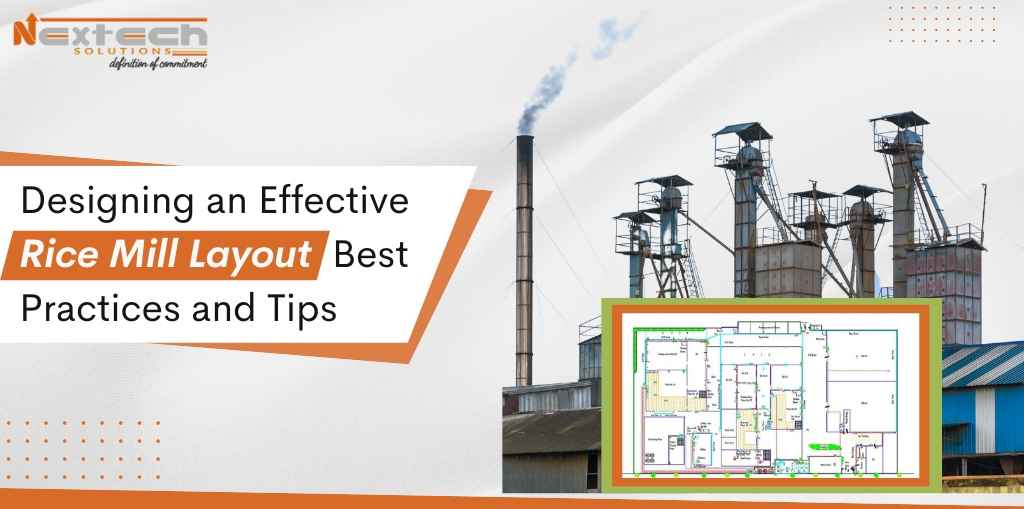
Designing an Effective Rice Mill Layout Plant Best Practices and Tips

Introduction

Welcome to our latest blog post, In this paragraph where we will dive into the world of rice mill layout design. If you’re in the rice milling industry or considering venturing into it, then this article is for you. A well-designed rice mill layout plant can make all the difference in optimizing your operations and maximizing productivity.

Setting up a successful rice mill requires careful planning and consideration of various factors. From the equipment placement to workflow efficiency, every aspect plays a crucial role in ensuring smooth operations and high-quality output. In this article, we will explore some best practices and tips for designing an effective rice mill layout that meets your specific needs.

So grab a cup of coffee (or tea) and let’s embark on this exciting journey together!

The Three Main Components of a Rice Mill

When it comes to designing an effective rice mill layout, understanding the three main components is crucial. These components work together seamlessly to ensure smooth operations and maximize productivity.

1. Cleaning System: The first component of a rice mill is the cleaning system. This system is responsible for removing impurities such as dust, stones, and broken grains from the raw paddy before processing. It typically includes equipment like pre-cleaners, destoners, and magnetic separators.

2. Milling System: The milling system is where the actual rice processing takes place. This component consists of machines like huskers, polishers, and graders that work in tandem to remove the outer husk layer and polish the grain to produce high-quality rice.

3. Storage System: Once the rice has been processed, it needs to be stored properly to maintain its quality and freshness. The storage system comprises bins or silos where milled rice can be safely stored until it’s ready for packaging or further distribution.

Each of these three components plays a vital role in ensuring efficient production in a rice mill plant. By optimizing their layout within your facility, you can achieve seamless workflow and maximize your output.

Tips for an Effective Rice Mill Layout

When it comes to designing an effective rice mill layout, there are several key tips and best practices to keep in mind. These will help ensure that your rice mill operates efficiently and optimizes the use of space.

Think about how materials go through the mill. It’s important to have a well-planned layout that allows for a smooth movement of rice from one processing stage to another. This helps minimize bottlenecks and reduces the chances of cross-contamination.

Another tip is to strategically position equipment within the layout. Place machinery such as huskers, polishers, and sorters in a logical sequence that follows the natural progression of rice processing. Operations can be streamlined as a result, increasing productivity.

Additionally, take into account safety measures when designing your layout. Ensure there is ample space for workers to move around safely and install proper ventilation systems to reduce dust accumulation.

Furthermore, consider incorporating storage silos into your design. These containers provide efficient storage solutions for both raw paddy and processed rice. Consult with a storage silo consultant who can guide you on selecting the right type and size of silos based on your production needs.

Regularly review and update your layout as needed. As technology advances or production volumes increase, it may be necessary to make adjustments in order to optimize efficiency.

By following these tips for an effective rice mill layout, you’ll be setting yourself up for success in terms of productivity, safety, and overall operational efficiency.

Layout of the Rice Mill

When designing the layout of a rice mill, careful consideration must be given to ensure efficiency and productivity. The layout should optimize the flow of materials, minimize bottlenecks, and provide ample space for processing equipment and storage areas.

One important aspect to consider is the placement of machinery within the mill. It is essential to arrange equipment in a way that minimizes movement between processes, reducing time wasted on transportation. This can be achieved by grouping similar machines together based on their function or integrating them into a continuous production line.

Additionally, it is crucial to plan for adequate space around each machine for maintenance and repairs. Providing enough room for operators to safely access and service equipment will help prevent delays caused by breakdowns or malfunctions.

Another key factor in designing an effective rice mill layout is optimizing material flow. This involves determining the most efficient paths for raw materials, such as paddy rice, as well as processed products like milled rice or bran. By streamlining this process, you can minimize handling and reduce the risk of contamination.

Storage areas also play an important role in the overall layout design. Adequate space should be allocated for storing both raw materials and finished products. Implementing vertical storage solutions such as storage silos can help maximize available space while ensuring proper inventory management.

In conclusion…

A well-designed rice mill layout takes into account factors such as machinery placement, material flow optimization, and sufficient storage capacity. By considering these aspects during the planning phase, you can create an efficient production environment that maximizes productivity while minimizing downtime caused by inefficiencies or lack of space.

Conclusion

Designing an effective rice mill layout is crucial for optimizing productivity and ensuring smooth operations. By considering the three main components of a rice mill – reception, milling, and storage – and implementing best practices, you can create a layout that maximizes efficiency and minimizes operational costs.

In the reception area, focus on creating a streamlined process for receiving paddy from farmers or suppliers. Implementing proper cleaning equipment and maintaining a sufficient space for unloading will help prevent bottlenecks in this stage.

When it comes to the milling section, prioritize arranging machines in a logical sequence to ensure smooth flow. Consider factors such as ease of maintenance, accessibility for operators, and minimizing cross-contamination between different types of rice.

In the storage section, invest in high-quality silos that have adequate capacity to handle your production volume. Engaging with experienced storage silo consultants can provide valuable insights into determining optimal silo design based on your specific requirements.

Remember that flexibility should also be built into your rice mill layout to accommodate future expansions or modifications. Regularly review and optimize your processes by analyzing data related to throughput time, yield losses, energy consumption, etc., to make continuous improvements.

By following these tips and incorporating industry best practices into your rice mill layout design process while consulting with experts if needed you can improve efficiency enhance output quality reduce wastage increase profitability ultimately leading towards sustainable growth!

So take action now! Design an effective rice mill layout plant today!”
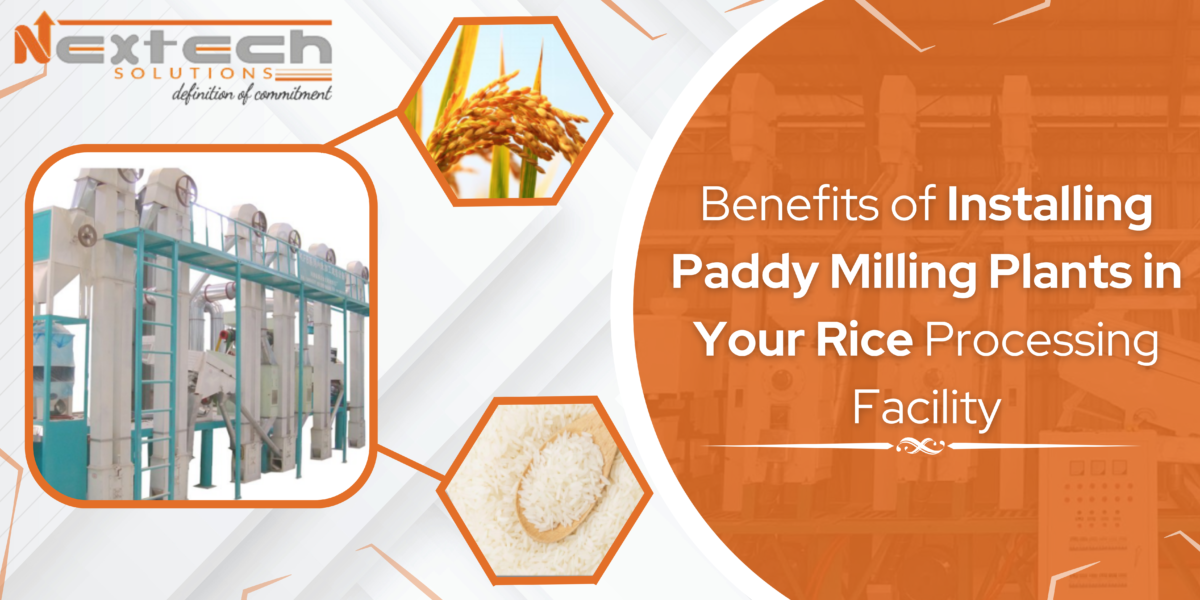
Benefits of Installing Paddy Milling Plants in Your Rice Processing Facility

Rice is a staple food that is consumed by millions of people all over the world. It is high in carbohydrates and is a good source of energy. As the world’s population grows, the demand for rice is increasing day by day. This makes it necessary for farmers to maximize their rice production to meet the demand. Paddy milling plants are one of the most effective ways to increase rice production. They offer several advantages over traditional methods of rice production, such as increased efficiency, better quality control, and reduced labor costs. In this article, we will explore the advantages of paddy milling plants and how they can help you to maximize your rice production.

Benefits of using paddy milling plants


Paddy milling plants have several benefits that make them a popular choice among rice farmers. Firstly, they are more efficient than traditional methods of rice production. With a paddy milling plant, rice can be processed quickly and efficiently, saving time and labor costs. Secondly, paddy milling plants offer better quality control. Farmers can ensure that their rice meets the required standards for quality and hygiene. Thirdly, paddy milling plants are more cost-effective than traditional methods of rice production. They require less labor and can process rice at a faster rate, reducing the overall cost of production.


Paddy milling plant components


A paddy milling plant consists of several components that work together to process rice. These components include a paddy separator, a husker, a whitener, and a grader. The paddy separator separates the paddy from the rice husk, which is then removed using a husker. The whitener removes the bran layer from the rice, making it white and polished. The grader then sorts the rice into different sizes based on their quality.


Types of paddy milling plants


There are two types of paddy milling plants: traditional and modern. Traditional paddy milling plants are manually operated and require a lot of labor. They are less efficient and can process less rice than modern paddy milling plants. Modern paddy milling plants, on the other hand, are fully automated and require less labor. They are more efficient and can process more rice than traditional paddy milling plants.


Factors to consider choosing a paddy milling plant


When choosing a paddy milling plant, there are several factors that you should consider. These include the size of your farm, the amount of rice you want to process, and your budget. You should also consider the quality of the Rice Mill Business you want to produce and the level of automation you require. It is important to choose a paddy milling plant that meets your specific needs to maximize your rice production.


Maintenance of paddy milling plants


Like any other machinery, paddy milling plants require regular maintenance to ensure that they function efficiently. Regular maintenance includes cleaning, lubrication, and replacement of worn-out parts. It is important to follow the manufacturer’s instructions when maintaining your paddy milling plant to ensure that it operates at optimal levels.


Common issues and how to fix them


Paddy milling plants may experience several issues during operation. These issues include clogging of the machinery, overheating, and mechanical breakdowns. To fix these issues, you should first identify the cause of the problem. For example, clogging of the machinery may be caused by the presence of foreign materials in the rice. Once you have identified the cause of the problem, you can take the necessary steps to fix it. This may involve cleaning the machinery or replacing worn-out parts.


Conclusion


Paddy milling plants are an effective way to increase rice production. They offer several advantages over traditional methods of rice production, including increased efficiency, better quality control, and reduced labor costs. When choosing a paddy milling plant, it is important to consider factors such as the size of your farm, your budget, and the level of automation you require. Regular maintenance is also necessary to ensure that your paddy milling plant functions efficiently. By investing in a paddy milling plant, you can maximize your rice production and meet the growing demand for this valuable crop.


How Does Storage Method Affect Grain Quality & The Safe Methods To Store Grain

When it comes to storing your grains, you need to think about a lot of things. How will you store them? How often should you replace your storage containers? But most importantly, what kind of quality will they maintain over time?

 The right storage solution can have a tremendous impact on the quality and condition of your stored grain.

 Storing grains can be difficult enough as it is without worrying about the conditions that are beyond your control. If you’re ready to get started with proper storage, read on for some insights into which options are best for different kinds of grain, and how each one affects grain quality.

What Does Storage Method Do To Grain Quality?

The best way to understand the impact the storage method has on grain quality is to look at the properties of different types of grain; quality is affected by so many factors that it’s virtually impossible to generalize. For example, bran and germ quality is affected by the kind of crop, the growing conditions, and how the grain is stored.

Some varieties remain intact during storage, while others become more bran, less germ. Depending on how well the grain is stored, storage silos is the safe method to store grain this can affect its germination rate and quality. The moisture content of the grain can also have a significant impact.

If the grain is too dry, it will be more difficult for the seed to germinate, and if it is too wet, it is more likely to spoil.

Differences Between Grain Storage Options

There are a few key differences between different methods of grain storage, and the best way to store your grains depends on a few different factors.

Firstly, there are issues of age and quality that can be caused by quality issues with the storage containers themselves.

There are two main issues that can occur when storing grains in containers 

Container Age and Quality Issues.

  1. Container Age:   This refers to how old your containers are before use. As grains are not alive, they don’t age, so the true age of the containers is unknown. However, if you store grain in containers that are significantly older than the specifications in the article, you run the risk of container corrosion, which has the potential to damage your grains.

2. Container Quality:  As with any other product, not all containers are created equal. Some containers may have a coating or sealant that could have degraded over time, and this could be slightly affecting the quality of your grains.

When Should You Use Which Method?

Different kinds of grains can be stored in different ways Bulk storage system but there are a few general rules that apply to most types of grains. 

Whole grains – such as corn, or oats – can be stored for up to a year. Whole grains are best for use as animal feed, as they don’t need to be milled first, and can be fed directly to most livestock. Because of the grain’s high nutrient density, grain can be fed directly, but mixing it with other feed is best for more efficient digestion. 

Pasta-type grains – such as couscous, quinoa – should be stored in airtight containers. These can be stored for 6-12 months and are best used as a quick and easy alternative to traditional grains when cooking.

Cereal grains have a shorter shelf life, and should be stored in an airtight container between 1 and 3 months.

Best Ways To Store Grains

Air-Tight And Light:   Proof Storage Containers:  The best way to store grains is in silos storage that are light-proof, and ideally should be in an area that is dry and dark.

 Keeping Grain In The Dark:   One of the best ways to store grains is to keep them in the dark. This reduces their exposure to sunlight, which is what triggers the enzymatic breakdown and fermentation of starches in grains.

Cool Temperatures And Moisture:   The ideal temperature for storing grains is between 12 and 18 degrees Celsius, with a relative humidity between 65 and 80%. This temperature range is best for reducing the risk of any potential quality issues, but also has the potential to slow down the enzymatic breakdown of starches.

Conclusion

Storing grains correctly can be easy, but it’s also important to be mindful of the impact your method has on grain quality. 

There are a few different ways to store grain, and each has different aspects that affect grain quality. To get the best results, it’s best to store your grain in an airtight container in a dry and dark place. This can be a lot of work, but it can ensure that your grains stay in the best condition possible.

How Does A Rice Mill Work?

Rice is the staple food in most of the country, including India. People love to eat rice, which is essential for our diet; deficiency in the same may cause Niacin disease. But hardly anyone knows how the paddy gets converted into rice and the importance of the rice mill plant in rice mill business.

Rice is a Kharif crop that is sown during the onset of monsoon, i.e., between June and July, and harvested in December. After the harvesting is done, farmers sell their rice to the rice mill owner, and in the mill, further process is done to achieve the fine-quality of rice.

If you are a farmer or entrepreneur and planning to enter the rice business, then just read this full article to know about different rice processes, and the importance of rice mill plant and rice mill design.

Step By Step Processes Of How Rice Mill Plant Works?

1]Cleaning

When the rice mill receives the rice from the farmer, the first process done is cleaning. It helps to separate all impurities like straw, dust, clay, and sand. Cleaning the rice helps to increase the oil percentage in the bran.

2] Stone Separation

Once cleaning is done, the second process is destining, in which the stones are removed. As we know, during harvesting, many stones come along with the paddy, and the removal of the same is a must.

3] De-Husking

After cleaning and stone separation, the rice is put in the de-husking machine to separate the husk and paddy. In this process, paddy grain is passed through the abrasive surface, and due to the friction, the husk is removed from the paddy grains.

4] Paddy Separation

During the de-husking process in the rice mill, some unhooked paddy rice remains, and the removal of the same is done by the paddy separation process.

5] Rice Polishing

In rice mill plants rice polishing is usually done in the rice to remove the bran layer from the paddy either through friction polisher or abrasive.

6] Rice Parboiling

Rice Parboiling is a three-layered process in which raw rice is sowed in warm or cold water, and then steam is passed at high pressure to gelatinize the rice starch. In the third layer, the final product goes through the drying process.

7] Sorting Of Rice

Sorting of rice at the rice mill is done before packaging, and it is very necessary to sort the broken and long grains from the rice stock. After sorting, the rice is graded based on quality.

8] Packaging

Last but not least, the packaging is the final process, in which the rice is packaged in gunnies or plastic sacks, and thereafter it is weighed. After the above process, a seal is marked to show the weight and grade of the rice.


To Wrap Up

Rice travels a long distance to come into the market from the field. Rice mill is also a lucrative business, and if you want to enter into this business, you need investment, machinery, and much more. Furthermore, proper information for rice mill works is also essential as the same will help you to yield good quality rice from the mill.

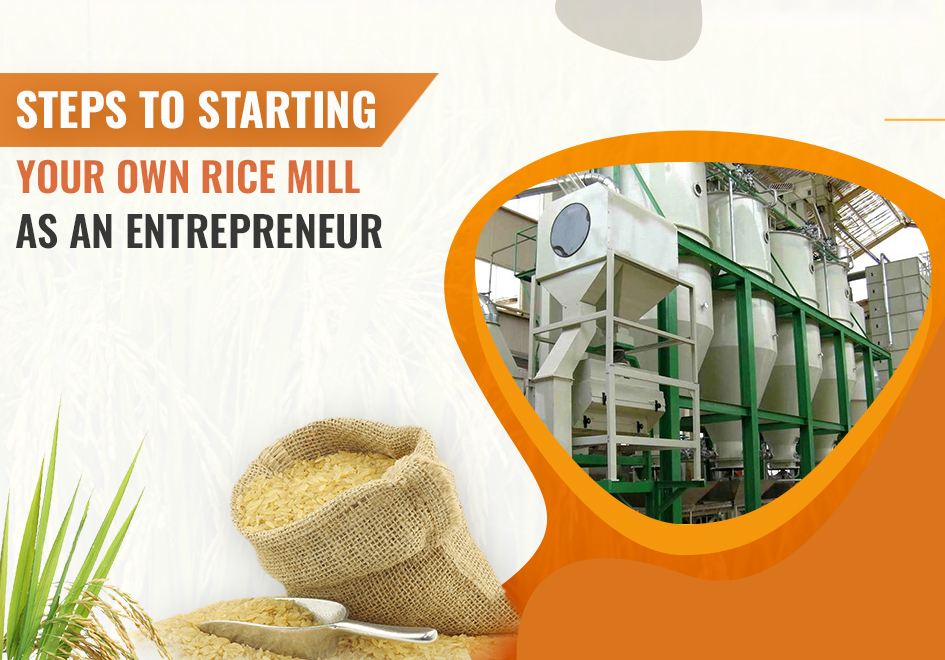
Low-cost Steps to Starting Your Own Rice Mill As An Entrepreneur

Rice is the most important commercial food crop, providing nourishment for more than half the population in the globe. The Rice milling industry is getting more popular among the people. Rice milling removes hulls and brans from the paddy grain, offering polished rice to consume. Those living in the paddy-production areas can set up the rice mill plant. If you desire to start Rice Mill Business, you should follow the below-given steps properly. Let’s see a few instructions:

Choose the rice milling category 

One of the essential foods for Indian people is Rice so setting up the rice mill plant is a rewarding business. There are various methods to start the business, such as one pass, two-step process, and commercial milling. It would be best if you chose the correct rice milling type which meets your requirements.

Create the business plan 

As an entrepreneur, you need to know everything about the rice mill to operate the business smoothly. It is essential to write the business plan, which contains funds needed to purchase, the number of employees required, establish a business, cash flow analysis, and profit and loss investigation. Besides, the business plan is an important document you can utilize to grab the investor’s attention. Read more: The Advantages of Grain Milling Solutions

Rice mill company registration 

The rice mill plant should have the necessary registration procedure. You should get a license from Government authorities. It includes registering your business with ROC, factory license, Udyog Aadhaar MSME registration, GST registration, and others. It is beneficial to consult the best rice and grain milling solutions consultant to obtain registration.

Purchase equipment

It would help if you bought quality equipment for the rice milling business. There are many contemporary rice milling machines, such as Rice color sorters, Rice cleaning equipment, Rice de-stoner device, Paddy separator instrument, and much more. It helps you to run the rice milling business successfully.

Land requirement 

According to the processing capability of the rice milling unit, you can buy land for your business. The agricultural land is the perfect option for setting rice mill because it includes several operations. You can construct the rice mill plant, which offers smooth operation. 

Getting raw materials 

Getting the raw material from a reliable source is vital. Maintaining production throughout the year is key to your business’ success. There are two ways to source the raw materials: developing rice farms and purchasing the rice from suppliers. You can choose the suitable method and start production.

If you have planned to start a rice mill, you can get help from the Nextech rice mill consultant. They provide food grain and rice milling consultancy services with certified engineers.

Related Posts: How To Utilize Rice Mill To Generate More Profit

Related Posts: How to Setup Paddy Milling Plants

Related Posts: Consult With Experienced Rice Mill Engineers & Designers For Your Milling Business

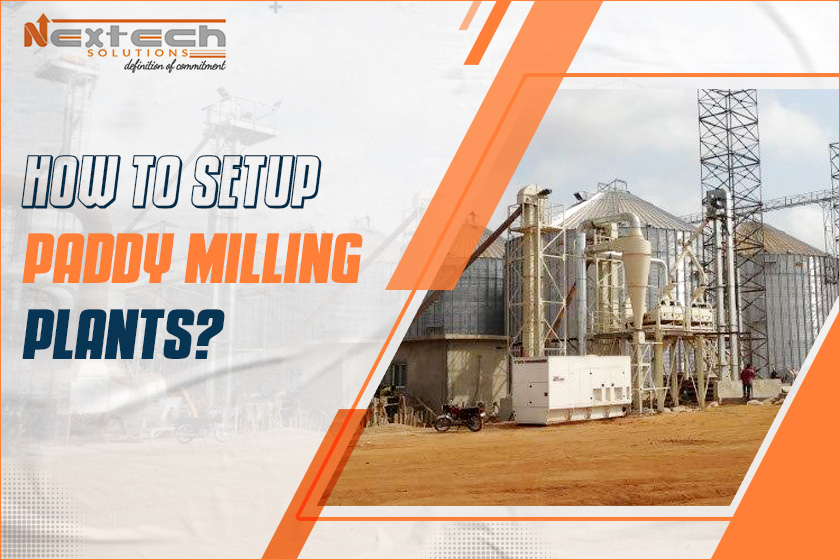
How to Setup Paddy Milling Plants?

Modernising Paddy Processing Methods and Machinery saves time and improves rice quality, and allows you to produce more rice in less time. Paddy separators and other advanced technologies such as husking-rubber rolling technology and friction-type whitener polisher are commonly used in current rice mills.

Modernisation is the most acceptable strategy to boost earnings since it allows you to increase production and quality. It’s always crucial to choose the best Rice Mill Consultant.

The article goes through the process of establishing a paddy milling factory and the numerous factors to consider, such as rice kind, manpower, and equipment. While the procedure is critical to the success of rice production, it is just one component of the whole cycle. Other factors, such as planting, harvesting, and storage, also contribute to good rice production. Farmers may improve their chances of success by taking the time to learn all of the phases involved in the rice-producing cycle.

Using the best variety possible

The kind of rice that will mill is one of the most crucial factors. Because various rice varieties have varying milling needs, it is critical to choose one that is best suited to the temperature and soil conditions of the location where the facility will be situated. Another critical element is worker availability.

Selecting the best equipment

Paddy milling is labour-intensive; therefore, having a consistent stream of labourers is critical. The kind of equipment employed may also have a significant influence on the plant’s performance. To minimise expensive failures, use equipment built for the exact variety of rice being milled and well-maintained. Paddy milling is a critical step in the rice-producing process. Millers may boost their chances of success by taking the time to analyse all aspects of establishing a plant.

The advantages of modern paddy processing machinery

There are many things that current machines can accomplish that older equipment cannot. Among them are:

  • Modern technologies may let you prepare rice with varying whiteness while minimising broken grains.
  • It might assist you in producing high-quality rice.
  • They are more efficient in milling. It may produce a large volume of rice in a short period. This is very beneficial to those that export rice to other nations.
  • They don’t take a lot of upkeep.
  • They lower the electric bill.

The advantages of contemporary paddy processing technologies

  • Contemporary rice processing processes, like modern technology, are becoming more popular nationwide. They provide several advantages, including:
  • You can meet the specific quality and quantity requirements of your customers.
  • Grain loss is reduced.
  • Milled rice may be stored for a more extended time, resulting in superior grain storage options.
  • The most challenging problem for rice millers is maintaining consistent output. Furthermore, people are becoming increasingly worried about the quality of rice.
  • The best approach to achieve both needs, namely more output and higher quality, is to modernise paddy processing methods and equipment.

Conclusion

We at Next Tech Solutions can assist you in modernising your rice mill so that you may spend less on operations and earn more by producing higher-quality rice. As the best Rice Mill Consultant, we can also assist you in exporting your rice. Whether you need a storage silo consultant, a rice mill project consultant, rice mill engineers and designers, or simply storage solutions, we can help. We have everything you’ll need for your rice milling company.

Some Major Factors That Affect Milling Quality

Do you want to explore the major factors that affect milling quality? Then this guide can help you explore such production factors.

Do you want to explore the major factors that affect milling quality? Then this guide can help you explore such production factors. In general, the quality of milling can be effectively influenced by any production factor that affects kernel strength. It is entirely responsible for the kernel to withstand the bran removal and hulling process without breaking apart.


Impact Of Rice Milling Yield:

The rice milling yield can be effectively quantified by two numbers such as 58/70.

Here the number 70 represents the milled rice yield. It can be determined by the total amount of white rice remaining after the milling and hulling process. You can calculate it by dividing the total mass of the milled rice by the original mass of rough rice before processing. Then it can typically range from 68 to 72% very effectively.

Then the number 58 represents the head rice yield. You can determine it by exploring the total amount of milled rice kernels that can become whole. Here the whole milled kernels can remain 3/4th or more than their original length.

The head rice yield can be effectively calculated by dividing the total mass of head rice by the original mass of rough rice. Here the head rice yield may vary from zero. It means that all kernels are broken based on the milled rice yield. It can be similar to 68 to 72% with no kernels broken.


Explore Milling Quality:

The milling quality can often be expressed as the head rice yield ratio to the milled rice yield. For instance, a 58/70 value can indicate the milled rice yield of 70%, head rice yield of 58% and 12% broken kernels (The difference between those two values).

After that, the harvest moisture content will have an extraordinary impact on rice milling quality around the producer’s control. Here the head rice yield may differ with the moisture content from which the rice has been harvested.

Based on the weather conditions, the harvest moisture content may vary and have other impacts. You can grab 22 to 24% for medium-grains and 19 to 21% for long-grain cultivars.

When the rice matures, kernels on the panicle occur at different moisture contents. It will mainly represent the kernel strength and maturity levels. Some kernels are green or immature with more than 22% moisture, whereas others are dry kernels with less than 14% moisture.


Final Verdict:

From the scenario mentioned above, you now know the factors affecting milling quality. You can get in touch with the leading rice mill consultant at Nextech Grain Processing and Engineering Solutions Pvt. Ltd to overcome serious factors. Finally, you can stay away from significant issues and enhance milling quality.


Enquire Now


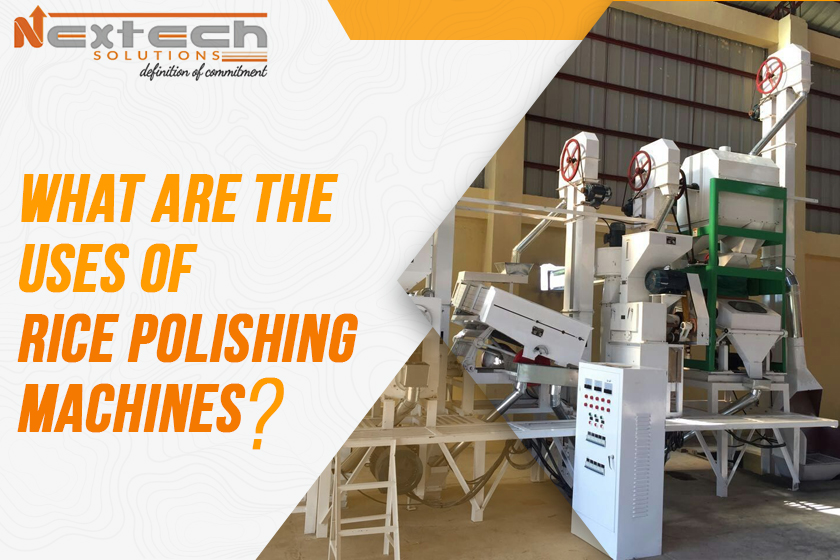
What Are The Uses Of Rice Polishing Machines?

Do you have any idea about the rice polishing machines ? Want to explore the uses of a rice polishing machine? Proceed with this guide and find more. 

Do you have any idea about the rice polishing machines ? Want to explore the uses of a rice polishing machine? Proceed with this guide and find more. 

Currently, people’s living standards and their dietary structure requirements are improved to the core. Rice is an essential food; hence its quality requirements are increasing every day. Rice polishers are the important machinery of an effective rice processing plant, and hence they are widely useful. 

The rice polishing machine comes in two types: mist rice polishers and common rice mill polishers. With these types, you can gain effective uses and explore more impacts.

Impact of Rice Polishing Machine:

The rice polishing machine can be effectively useful for removing floating bran on the rice surface. It will also play a major role in gelatinization and pre-gelatinization of the rice surface. The starch gelatinization can make up for cracks. 

With that, you can obtain a clean and bright appearance and enhance the commercial value of rice and storage performance. It consists of a polishing part, sprays water part, air spraying mechanism, water supply system, discharging device and feeding device. 

The Essential Parts Are Mentioned Below:


  • Spray Water Part


It includes mixer, stirring roller, nozzle, feeding screw, flow meter, nozzle cleaner etc. A flow meter present in it can show you how much amount of water you need to add. 

  • Polishing Part

The rice polisher’s essential part includes a screen, polishing roller, discharge pressure valve, delivery head, etc.

Advantages of Rice Polishing Machine:


The rice polishing machine enhances the commercial value and grade of the rice. The colloidal layer can extend the shelf life and enhance the antioxidant capacity of rice. 

The smooth, crystal clear and clean rice surface can get no panning. It ensures that the taste is delicious and soft, and rice loses fewer nutrients. The taste is delicious and soft, and that can enhance the rice’s edible quality. 

It can be effectively useful in conjunction with the rice milling unit and for deep rice processing. It has a high-cost performance compact structure and is best for grain enterprises. The equipment is perfect in appearance, generous and simple, and a better assistant for small and medium-sized Rice Mill business.

This machine is effectively useful for polishing white rice through the rice milling process to enhance the smoothness and precision of white rice. 

It is the best part of the equipment to produce high-quality polished rice. Stable operation, reasonable technology, convenient maintenance and simple operation highlight this rice polishing machine. 


Conclusion


The rice polish machine price is very reasonable, and hence you can get it now and start making use of it. So why are you still waiting? Start exploring the uses of rice polishing machines. 


Enquire Now


How Is Hydrothermal Cereals Processing Plants Upgrading The Milling Business?

The hydrothermal cereals processing plants make casing separation easy and boost kernel strength. Visit to the website to know more.

Are you running the milling business and need to upgrade them? Well, you can try the hydrothermal cereals process. The hydrothermal treatment of grain is one of the vital stages in the preparation process. Now, many milling companies are using hydrothermal cereals processing to boost the productivity of their business. hydrothermal cereals processing plants

The hydrothermal cereals processing plants are required to increase the grain’s scientific properties. It helps to develop the best condition for dealing out grains. Besides, this processing plant gets cereals, which they need for organoleptic features and nutritional standards. It leads to a boost in the hydrothermal cereal yield up to ten percent for enhancing the properties of the purchaser.

Uses and cereal processing  

Cereal processing is complicated, and the principle of milling is the grinding of grains. It can cook effortlessly and render into an impressive foodstuff. Remember, the cereal is not eaten raw, and various types of milling are employed based on the grain.

Wheat crushes with a grinding machine or advanced automated systems using steel cylinders, and then air purification separates the germ, dust, and others from endosperm. With the help of the wet procedure, the corn is milled, but some counties are using dry milling.

The corn has high germ contents inclines to take breaths during storage. If you are not taking the proper protection during storage, it might increase the temperature level. Lots of cereals are milled in a dry environment. With advanced machinery, you can easily polish many cereal grains and remove the germ and bran.

How can hydrothermal cereals processing changes the milling industry 

The advanced milling process pays attention to the initial cleaning and screening of the wheat to remove foreign seeds, dust, and other impurities. The grain needs to be moistened and then washed to grind quickly if it is dry. You can dry the grain when it is damp to minimize damage to its protein.

In the first stage, the steel cylinders are ground with grooves that run at different speeds, resulting in a reduction process. The grain is directed between the rolls set, and the Tron opens somewhat. As a result, the product exits the rolls, and the primary separations occur.

The hydrothermal cereals processing plants make casing separation easy and boost kernel strength. Improving kernel strength offers a boost in cereal yield by reducing the waste formation and shell at the time of dehulling. In addition, this process is used in the state standard for different grain processes such as wheat, oats, barley, peas, corns, and much more.

You can find dryers, humidifiers, and streamers in this process. Every tool has unique characteristics that offer numerous benefits to the milling sector. The cereal can cook quickly because of its uniform consistency. Besides, a humidifier is designed for hydrating grains during the hydrothermal cereals process.

We at Nextech Solutions offer robust solutions for hydrothermal cereals processing plants in India. With our experienced staff of engineers, we provide the best service to our clients.


Checkout our other categories:


  1. Types Of Rice Mill Machines
  2. Grain Milling Solutions
  3. Rice Mill Business

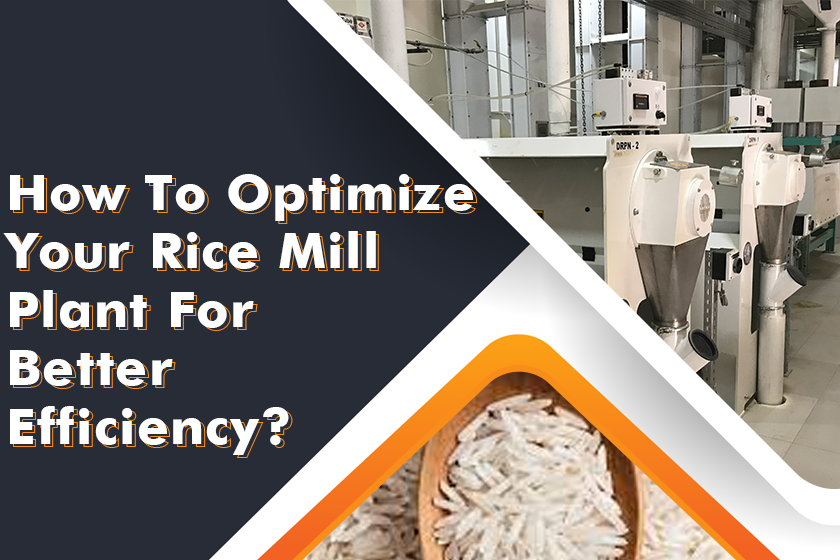
How To Optimize Your Rice Mill Plant For Better Efficiency?

You can also optimize rice mill plant for better efficiency. By optimizing your rice mill plant, you can take your rice mill business to new heights.

Technology is emerging in the rice milling sector. Now, rice mill plants are becoming fully automated. It is high time that you also optimize rice mill plant for better efficiency.  By optimizing your rice mill plant, you can take your rice mill business to new heights of success. This will also increase the ease of doing business and help in better production, which results in better efficiency of the overall business.

Even the government policies of different regions worldwide are encouraging the transition to newer technologies such as using paddy separators, rubber roller technology, using wet mist polisher, fully automated pressure parboiling technology, and so on.

Are you wondering how you can smoothly optimize rice mill plant? We will help you with the same.


Optimize Rice Mill Plant

Optimizing the mill plant is essential but is also full of challenges. The first step in the process is to find good-quality paddy. You have to ensure that the paddy you’re using is pure and of high quality.


Other things that will help in optimizing the rice mill plant are below:

  • Uniformly mature kernels: With uniform mature seeds, you can reduce the chances of wastage.
  • Uniform size and shape: The plant or any automated machine works faster and more effectively with uniform size and shape.
  • Free of empty or half-filled grains: The work efficiency increases automatically if your raw material is free of open or half-filled grains.
  • Free of contaminants such as stones and weed seeds: The material free of contaminants is fast to process.
  • Don’t waste material: It is essential to focus on not wasting the material for increased profit and improved efficiency. Be it energy, human resources, raw material, or any other assets, make sure that you’re not wasting any of these or utilizing them smartly.
  • Improve training: To optimize the rice mill plant, it is essential to provide the proper training to your staff. A good rice mill plant, or any factory/plant for that matter, can offer increased efficiency only with a well-trained staff.
  • Quantify everything: One of the significant steps in optimizing a rice mill plant; you must quantify everything to increase productivity. If you’re not quantifying things, you’ll never be able to gauge the exact profit and the investment. People who want to stay in the industry for a longer time should make it a habit to quantify everything precisely.


So these were some ways with which you can easily optimize your rice mill plant for better efficiency. You can also connect with a rice mill consultant to guide you through. If you bring these measures into practice at your rice mill plant, you’ll start noticing a positive change in your business.


Enquire Now