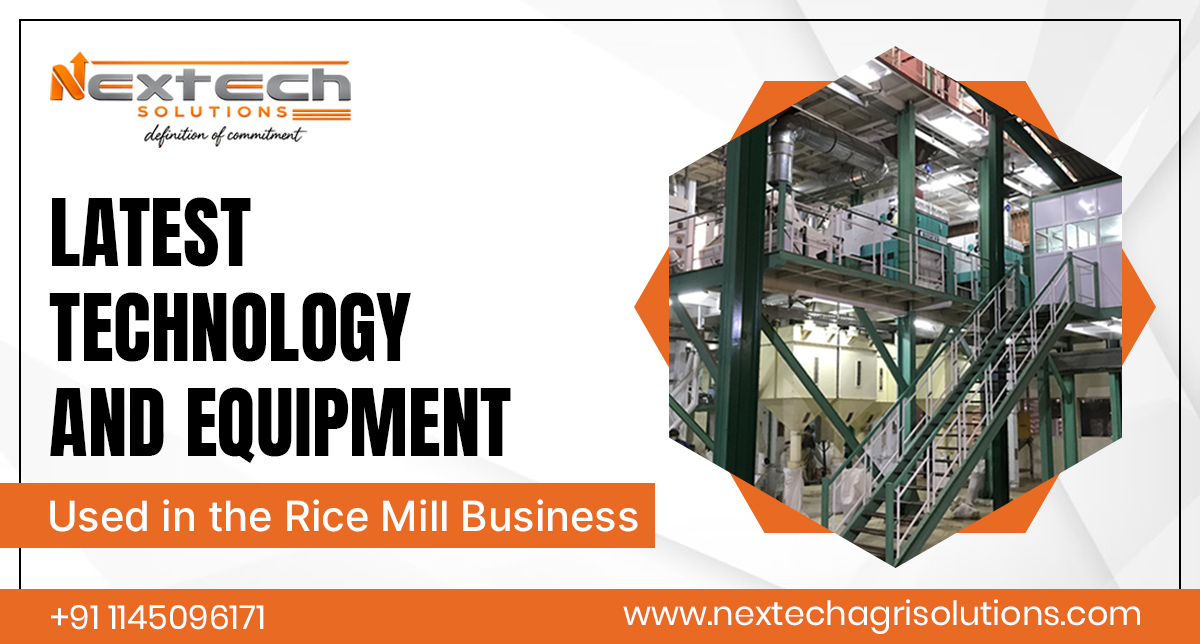
Latest Technology and Equipment Used in the Rice Mill Business

The Rice Mill Business has evolved significantly over the years, moving from traditional processing methods to highly advanced and automated systems. With increasing demand for high-quality rice and efficient production, modern rice mills are now integrating cutting-edge technologies to improve productivity, reduce wastage, and ensure consistent output.

In today’s competitive market, adopting the latest equipment is not just an option—it is a necessity. From automated sorting systems to advanced storage solutions like silos, technology is transforming how rice mills operate. Companies like Nextech are leading this transformation by providing innovative solutions tailored to modern agricultural and industrial needs.

What is the Rice Mill Business?

The Rice Mill Business involves processing raw paddy into consumable rice through a series of steps such as cleaning, husking, polishing, grading, and packaging.

A modern rice mill factory uses advanced machinery to ensure precision and efficiency at every stage. Unlike traditional mills, today’s systems focus on minimizing grain breakage, improving yield, and maintaining quality standards.

Why Technology is Important in the Rice Mill Business

Technology plays a crucial role in improving efficiency and profitability in the Rice Mill Business.

Key Benefits

  • Higher production capacity
  • Reduced manual labor
  • Improved rice quality
  • Lower operational costs
  • Better storage and inventory management

Modern rice mills that adopt advanced technology gain a competitive advantage in both local and global markets.

Latest Technology Used in Rice Mills

1. Automated Paddy Cleaning Systems

Cleaning is the first step in rice processing. Advanced cleaning machines remove dust, stones, and impurities efficiently.

These systems ensure that only high-quality paddy enters the processing stage, improving the overall output of the Rice Mill Business.

2. High-Efficiency Rice Whitener & Polisher

Modern rice mills use advanced whitening and polishing machines to improve the appearance and texture of rice.

This is especially important for producing premium-quality rice, including par boiled rice, which requires precise processing techniques.

3. Color Sorters

Color sorting machines use optical sensors and AI-based technology to separate defective grains from high-quality ones.

This technology ensures consistency and enhances the value of the final product, making it essential for modern rice mill factory operations.

4. Automatic Grading Systems

Grading machines classify rice based on size, shape, and quality.

These systems help maintain uniformity, which is crucial for branding and meeting market standards in the Rice Mill Business.

5. Advanced Packaging Machines

Automated packaging systems improve efficiency and ensure proper sealing, labeling, and hygiene.

They also reduce manual errors and enhance the overall presentation of the product.

Equipment Used in Modern Rice Mills

1. Paddy Husker

The husker removes the outer shell from paddy grains. Modern huskers are designed to reduce grain breakage and improve yield.

2. Rice Separator

This equipment separates brown rice from unprocessed paddy, ensuring efficient processing.

3. Rice Polisher

Polishers enhance the appearance of rice, making it more appealing in the market.

This is particularly important when promoting white rice benefits, as polished rice is commonly consumed worldwide.

4. Silos for Storage of Grains

Storage is a critical part of the Rice Mill Business.

Using silos for storage of grains ensures:

  • Protection from moisture
  • Reduced contamination
  • Better inventory management
  • Long-term preservation

Companies like Nextech provide advanced silo solutions that help rice mills maintain grain quality and reduce losses.

Role of Automation in Rice Mills

Automation is revolutionizing the Rice Mill Business by reducing dependency on manual labor and increasing efficiency.

Benefits of Automation

  • Faster processing
  • Consistent quality
  • Reduced human error
  • Improved safety
  • Lower operational costs

Modern rice mills are increasingly adopting automated systems to stay competitive in the industry.

Quality Control and Food Safety Technology

Maintaining quality is essential in the Rice Mill Business.

Advanced testing and monitoring systems ensure that rice meets food safety standards. These technologies help maintain the nutritional value of rice, including various rice health benefits.

Consumers today are more aware of the benefits of eating rice, making quality control even more important.

Future Trends in the Rice Mill Business

The future of the Rice Mill Business is driven by innovation and sustainability.

Emerging Trends

  • AI-based quality inspection
  • Smart storage systems
  • Energy-efficient machinery
  • Digital monitoring systems
  • Eco-friendly processing methods

Businesses adopting these technologies are better positioned for long-term success.

Why Choose Nextech for Rice Mill Solutions

When it comes to advanced solutions for the Rice Mill Business, Nextech stands out as a reliable partner.

Key Advantages

  • Advanced machinery and equipment
  • Customized solutions for rice mills
  • High-quality storage systems
  • Expert technical support
  • Scalable solutions for growing businesses

Their expertise in providing silos for storage of grains and modern processing equipment makes them a preferred choice for rice mill owners.

Common Mistakes to Avoid

Even with advanced technology, mistakes can impact performance.

Avoid These Errors

  • Using outdated machinery
  • Poor storage management
  • Ignoring quality control
  • Lack of automation
  • Improper maintenance

Avoiding these mistakes can significantly improve efficiency and profitability in the Rice Mill Business.

FAQs

1. What is the Rice Mill Business?

The Rice Mill Business involves processing raw paddy into consumable rice using modern machinery and equipment.

2. What are the latest technologies used in rice mills?

Modern rice mills use automated cleaning systems, color sorters, grading machines, and advanced storage solutions like silos.

3. Why are silos important in rice mills?

Silos for storage of grains help protect rice from moisture, pests, and contamination while ensuring long-term storage.

4. How does automation improve rice mills?

Automation increases efficiency, reduces labor costs, and ensures consistent quality in rice production.

5. Which company provides advanced rice mill solutions?

Nextech offers innovative solutions, including modern equipment and storage systems, for efficient rice mill operations.

Conclusion

The Rice Mill Business is rapidly evolving with the integration of advanced technology and modern equipment. From automated processing systems to smart storage solutions, these innovations are helping businesses improve efficiency, reduce costs, and maintain high-quality standards.By partnering with trusted providers like Nextech, rice mill owners can implement reliable and scalable solutions that meet the demands of today’s market and ensure long-term success.
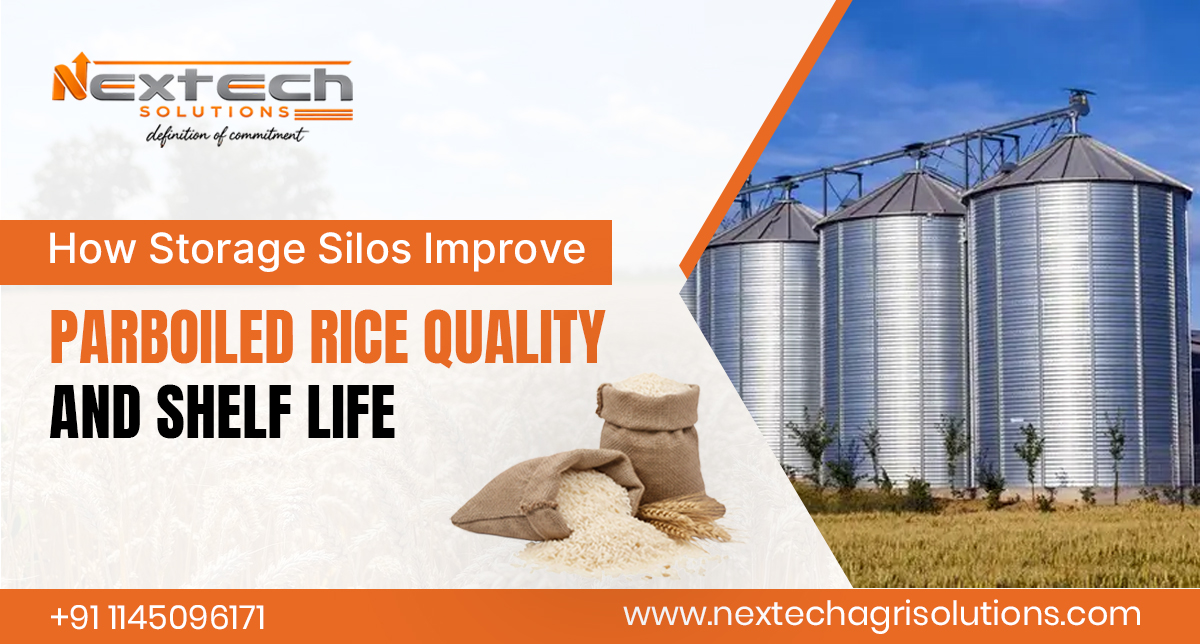
How Storage Silos Improve Parboiled Rice Quality and Shelf Life

The rice industry has evolved significantly with the adoption of modern processing and storage technologies. One of the biggest challenges faced by rice mill owners is maintaining grain quality after processing. Improper storage can lead to moisture buildup, pest infestation, and nutrient loss, ultimately affecting the final product quality.

For businesses involved in producing Parboiled Rice, advanced storage systems such as grain silos play a crucial role in preserving freshness and improving shelf life. Companies like Nextech Agri Solutions are helping rice millers adopt efficient storage technologies that enhance both product quality and operational efficiency.

In this blog, we will explore how storage silos improve rice quality, extend shelf life, and support the overall rice milling industry.

Understanding Parboiled Rice and Its Processing

Before understanding the importance of storage silos, it is essential to know what Parboiled Rice is and how it is processed.

Parboiled rice is partially boiled in the husk before milling. This process helps transfer nutrients from the outer bran layer into the grain, making the rice more nutritious and durable during milling.

The parboiled rice process typically includes three main steps:

  1. Soaking – Paddy is soaked in warm water to increase its moisture level.
  2. Steaming – The soaked paddy is steamed to gelatinize the starch and lock nutrients inside the grain.
  3. Drying and Milling – The grains are dried before undergoing the rice milling process where husk and bran layers are removed.

Because the grains go through heat and moisture treatment, proper storage becomes extremely important to maintain quality after processing.

The Role of Storage Silos in Rice Mills

Traditional storage methods such as warehouses and jute bags often fail to protect grains from environmental factors. Modern grain silos, on the other hand, provide controlled storage conditions that protect rice from moisture, pests, and contamination.

For every modern rice mill, investing in proper storage infrastructure is essential to maintain consistent product quality.

Storage silos offer several advantages:

  • Controlled temperature and humidity
  • Protection against insects and rodents
  • Reduced grain spoilage
  • Efficient bulk storage
  • Better inventory management

These benefits directly impact the quality and shelf life of Parboiled Rice.

How Storage Silos Improve Parboiled Rice Quality

Quality is one of the most important factors that determines market value in the rice industry. Improper storage can cause grain discoloration, fungal growth, and loss of aroma.

Here is how silos help maintain the quality of Parboiled Rice.

1. Moisture Control

Moisture is one of the biggest threats to rice quality. Excess moisture can lead to mold growth and spoilage.

Storage silos are equipped with ventilation systems that regulate humidity and airflow. This helps maintain ideal moisture levels, ensuring that Parboiled Rice remains fresh and safe for consumption.

2. Protection from Pest Infestation

Traditional storage methods often expose rice to insects and rodents. Pest contamination can damage grains and reduce their market value.

Modern silos provide sealed environments that prevent pest entry, ensuring that the stored Parboiled Rice remains protected for longer periods.

3. Maintaining Grain Structure

During the rice milling process, grains can become fragile due to heat and mechanical stress. Poor storage conditions may cause breakage and reduce rice quality.

Silos store grains in bulk without excessive pressure, helping maintain the structural integrity of the rice kernels.

Extending Shelf Life Through Proper Storage

One of the biggest advantages of using silos is the ability to extend the shelf life of rice products.

When rice is stored in uncontrolled environments, it may lose its nutritional value and develop unpleasant odors. Properly managed silos provide stable storage conditions that help maintain grain quality for longer durations.

This is particularly beneficial for producers dealing with Parboiled Rice, as it allows them to store large quantities without compromising quality.

Longer shelf life also enables millers to manage market supply efficiently and reduce product losses.

Supporting the Growth of the Rice Milling Industry

The global demand for rice continues to grow, making efficient processing and storage systems increasingly important. For entrepreneurs planning to enter the rice mill business, investing in modern storage infrastructure is a smart long-term decision.

A well-structured rice mill business plan should always include advanced storage solutions such as silos. Proper grain storage not only protects the product but also improves operational efficiency.

With the right infrastructure in place, businesses can maintain consistent quality and meet the demands of large-scale buyers and export markets.

The Importance of Expert Guidance in Rice Mill Setup

Setting up a rice mill requires careful planning and technical expertise. From machinery selection to storage infrastructure, every stage plays a crucial role in determining the final product quality.

This is where professional guidance from an experienced rice mill consultant becomes valuable. Experts help businesses design efficient milling systems, optimize the parboiled rice process, and implement modern storage solutions.

Organizations like Nextech Agri Solutions support rice mill owners by providing advanced engineering solutions and industry expertise.

Nutritional Value and Benefits of Rice

Rice remains one of the most important staple foods worldwide. The benefits of rice include providing essential carbohydrates, energy, and nutrients that support daily dietary needs.

Parboiled varieties are particularly valued because they retain more nutrients compared to regular white rice. The steaming stage of the process helps move vitamins and minerals from the outer layers into the grain.

This makes Parboiled Rice a healthier option while also improving cooking characteristics such as firmness and reduced stickiness.

Understanding the Rice Production Cycle

For anyone entering the rice industry, understanding crop production is also important. Many entrepreneurs often ask how long does it take rice to grow before it reaches the processing stage.

Typically, rice crops take around 3 to 6 months to mature depending on the variety and climatic conditions. After harvesting, the paddy is transported to processing facilities where it undergoes drying, parboiling, and milling.

Proper post-harvest handling and storage ensure that the final rice product maintains high quality from farm to market.

Final Thoughts

Modern storage infrastructure is becoming an essential component of the rice processing industry. By adopting advanced silo systems, rice millers can protect grain quality, reduce losses, and improve operational efficiency.

For producers specializing in Parboiled Rice, storage silos provide controlled conditions that help maintain freshness, prevent contamination, and extend shelf life. These systems also support better inventory management and ensure consistent product quality.

With the support of experienced solution providers like Nextech Agri Solutions, rice mill businesses can implement advanced technologies that strengthen their operations and improve long-term profitability.

FAQs

1. What is Parboiled Rice and how is it different from regular rice?

Parboiled rice is rice that has been partially boiled in the husk before milling. This process helps retain nutrients and makes the grains stronger during milling.

2. How do storage silos improve rice quality?

Storage silos maintain controlled temperature and humidity levels, protecting rice from moisture, pests, and contamination, which helps preserve grain quality.

3. What is the rice milling process?

The rice milling process involves removing the husk and bran layers from paddy to produce edible rice while maintaining grain quality.

4. Why are silos important for rice mill businesses?

Silos help store large quantities of rice safely, reduce spoilage, improve inventory management, and maintain product quality.

5. How long does it take rice to grow before harvesting?

Rice typically takes about 3 to 6 months to grow depending on the variety, climate, and farming practices.

Scaling Your Grain Processing Operation: From Small Farm Mill to Commercial Production

The journey from operating a small farm mill to establishing a full-scale commercial grain processing facility represents one of agriculture’s most rewarding yet challenging transitions. As global food demand continues to rise and local food systems gain prominence, entrepreneurs are discovering unprecedented opportunities in grain processing. However, successful scaling requires careful planning, strategic investment, and a deep understanding of both technical and market dynamics.

Understanding the Market Landscape

The grain processing industry has experienced remarkable transformation over the past decade. Consumer preferences have shifted toward locally sourced, minimally processed grains, creating lucrative niches for mid-scale processors. This trend, combined with growing awareness of food security, has opened doors for entrepreneurs ready to bridge the gap between large industrial operations and small-scale farm mills.

Market research indicates that regional grain processing facilities often enjoy competitive advantages over massive industrial plants, including reduced transportation costs, fresher products, and stronger community connections. These factors create compelling business cases for scaling operations beyond simple farm-level processing.

Essential Infrastructure Considerations

Power and Utilities Planning

Transitioning from small-scale to commercial production demands significant infrastructure upgrades. Electrical systems must support heavy machinery, requiring three-phase power connections and backup generators to ensure continuous operation. Water requirements increase exponentially, necessitating reliable sources for cleaning, cooling, and processing applications.

Grain storage capacity becomes critical at commercial scales. Modern facilities require climate-controlled environments with proper ventilation systems to maintain grain quality throughout extended storage periods. Investment in high-capacity silos, conveyor systems, and automated handling equipment becomes essential for efficient operations.

Processing Equipment Selection

Choosing appropriate grain milling solutions marks a pivotal decision in scaling operations. Commercial-grade equipment offers dramatically improved efficiency, consistency, and throughput compared to farm-level mills. However, equipment selection must align with specific grain types, processing volumes, and end-product requirements.

Modern processing lines incorporate sophisticated cleaning systems, grading equipment, and quality control mechanisms that ensure consistent output meeting commercial standards. These systems often include automated monitoring capabilities that track moisture content, foreign material levels, and processing efficiency in real-time.

Financial Planning and Investment Strategy

Capital Requirements Assessment

Scaling grain processing operations typically requires substantial capital investment. Equipment costs alone can range from hundreds of thousands to several million dollars, depending on processing capacity and automation levels. Additional expenses include facility construction or renovation, utility connections, regulatory compliance, and working capital for inventory and operations.

Successful entrepreneurs often pursue phased expansion strategies, implementing modular systems that allow gradual capacity increases as demand grows. This approach reduces initial capital requirements while providing flexibility to adapt to market conditions and operational experience.

Revenue Diversification Opportunities

Commercial grain processing operations benefit from multiple revenue streams beyond basic milling services. Value-added products such as specialty flours, organic grains, and custom processing services command premium pricing. Many successful operations also develop direct-to-consumer sales channels, farmer cooperatives, and wholesale distribution networks.

The rice mill business, in particular, offers excellent scalability potential due to consistent demand and established market channels. Rice processing generates multiple products including various grain grades, broken rice for animal feed, and rice bran for oil extraction or livestock nutrition.

Regulatory Compliance and Quality Standards

Food Safety Requirements

Commercial grain processing facilities must comply with stringent food safety regulations including FDA guidelines, HACCP protocols, and local health department requirements. These standards govern everything from facility design and equipment specifications to employee training and record-keeping procedures.

Implementing comprehensive quality management systems becomes essential for maintaining certifications and customer confidence. Many operations pursue additional certifications such as organic processing, kosher compliance, or fair trade standards to access premium markets.

Environmental Considerations

Modern grain processing operations must address environmental impacts including dust control, wastewater management, and energy efficiency. Regulatory compliance often requires investment in pollution control equipment, environmental monitoring systems, and sustainable processing practices.

Technology Integration and Automation

Process Optimization Systems

Advanced rice mill plant operations increasingly rely on automated systems for quality control, inventory management, and production optimization. These technologies include moisture analyzers, color sorters, and integrated control systems that monitor and adjust processing parameters in real-time.

Investing in modern technology reduces labor costs, improves product consistency, and provides detailed operational data for continuous improvement initiatives. Many facilities implement enterprise resource planning systems that integrate production, inventory, sales, and financial management functions.

Digital Marketing and Customer Engagement

Successful commercial operations leverage digital platforms for marketing, customer communication, and order management. Online presence becomes crucial for reaching broader markets and building brand recognition beyond local communities.

Building Strategic Partnerships

Supply Chain Development

Establishing reliable grain supply chains requires developing relationships with multiple farmers, grain elevators, and transportation providers. Successful operations often implement contract growing programs that ensure consistent raw material supply while providing farmers with guaranteed markets.

Nextech Agri Solutions recognizes that strong partnerships extend beyond supply chains to include equipment manufacturers, financial institutions, and technical service providers. These relationships provide ongoing support for equipment maintenance, operational optimization, and business development.

Conclusion

Scaling grain processing operations from farm-level to commercial production represents a significant entrepreneurial opportunity requiring careful planning, substantial investment, and operational excellence. Success depends on understanding market dynamics, implementing appropriate technology, maintaining regulatory compliance, and building strong partnerships throughout the value chain.

With proper planning and execution, entrepreneurs can build profitable operations that serve growing demand for locally processed grains while contributing to regional food security and economic development. The key lies in balancing growth ambitions with operational capabilities while maintaining focus on quality, efficiency, and customer satisfaction.

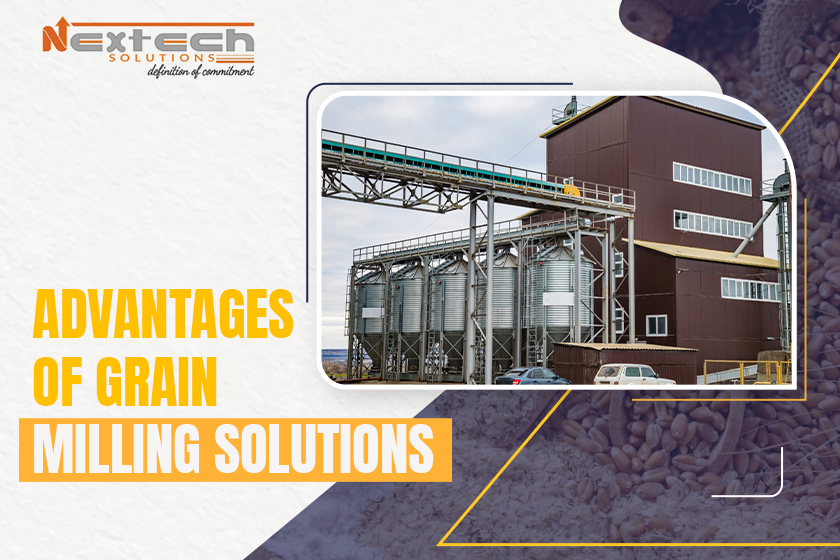
The Advantages of grain milling services

The contemporary world is shifting away from processed, ready-made meals in favour of healthier, more natural alternatives. One method for doing this is to mill your grains at home. Grain milling has been used for millennia and is still in use today. Grain Milling Solutions have several benefits, which is why they remain popular. It provide several benefits to individuals in the agriculture business. This blog article will discuss some advantages of adopting grain milling systems, such as improved efficiency and production. The following are some of the benefits of grain milling solutions:

Better nutrient absorption

When grains are milled, the protective outer covering of the grain is broken down, making it harder for the body to absorb the nutrients—milling the grains aids in the absorption of nutrients by the body. Milling grains break down the rough, fibrous components of the grain, making them simpler to digest. Milled grains are less prone to produce digestive issues such as gas and bloating. Reduced blood sugar levels: Because whole grains break down slowly into sugar, they significantly influence blood sugar levels more than processed carbohydrates. This is particularly advantageous for persons who have diabetes or insulin resistance. It may also improve heart health, weight reduction, and the environment.

Better digestion

Grain Milling Services may also aid in digestion. Grain milling breaks down carbs and fibre, making them more straightforward for the body to digest. It aid digestion by breaking down the plant cell walls of grains, allowing the body to absorb nutrients more efficiently. Reduced inflammation: By breaking down gluten and other inflammatory proteins, It may help to reduce inflammation throughout the body. Recovery from stomach problems it may also help with digestive problems, including celiac disease, irritable bowel syndrome, and Crohn's disease.

Grain that is more uniformly cooked

Milled grains cook more uniformly, resulting in superior taste and texture. When milled grains are exposed to more heat, which helps them cook more evenly. Grain milling systems provide more uniformly cooked grains, which may be advantageous for several reasons. For one thing, uniformly cooked grains are more digestible and less likely to cause stomach troubles. Furthermore, uniformly cooked grains are less likely to contain dangerous chemicals that might cause foodborne sickness. Finally, uniformly cooked grains taste better and are more delightful to consume. However, there are very few drawbacks to grain grinding technologies. One disadvantage is that they are often more costly than conventional cooking techniques.

Improved flavour

The process of grinding grains also helps to enhance their taste. In rice mill business and others, grains helps to release essential oils and minerals, which may enhanIce grain taste. One of the critical benefits of grain milling is that it may improve the taste of food products. Milling may liberate trapped oils and other tasty ingredients that would otherwise be difficult to obtain. This might result in a stronger-flavoured final product. Nutritional enhancements another benefit of grain milling it might provide. Milling may aid in the digestion of difficult-to-digest components in grains, making them more accessible to the body.

Conclusion

Grain Milling Services offers several benefits to the agriculture business. One of its key features is that it provides consistent grind quality. It implies that farmers can consistently provide a product that fits the demands of their customers. Furthermore, grain milling may assist in extending the shelf life of items by grinding them to the proper size. This may assist in decreasing waste and enhance the agriculture industry’s overall efficiency.

Grain Milling Plant Design: Key Considerations for a Seamless Setup

Establishing a grain milling plant is a major investment that calls for deliberate planning and professional implementation. Whether you’re concentrating on rice, wheat, or pulses, a well-planned milling plant can contribute significantly to operational efficiency, product quality, and profitability. In this article, we discuss the critical factors to think about when designing a grain milling plant for a smooth and sustainable setup.

Understanding the Scope of Your Milling Project

Defining the scope of the project is crucial before embarking on technical design. This involves:

Type of Grain: Will you be processing rice, wheat, maize, or a mix?

Scale of Operation: Are you aiming for small-scale, medium, or an industrial-scale facility?

Target Market: Knowing your end-user needs assists in planning processing capacity and packaging.

Understanding these factors will inform all other decisions in plant design and see to it that the ultimate arrangement satisfies both production and market needs.

Site Selection and Layout Planning

Selecting an appropriate location for your plant is essential. A well-chosen site lowers transportation expenses, simplifies logistics, and guarantees reliable power and water supply.

Some of the key factors are:

Proximity to raw materials: Being near rice paddies or grain sources reduces transport times.

Accessibility: Convenient access to roads, highways, and ports if you will be exporting.

Space and Expansion: Design for future expansion by choosing a location that will accommodate layout expansion without interfering with ongoing operations.

Customized Plant Design and Engineering

The heart of any successful grain milling solutions venture is its customized design. It’s crucial to make the layout tailored to your production requirements, automation level, and budget.

Important design factors to keep in mind:

Material Flow: Provide a clean and logical material flow from intake to packaging.

Energy Efficiency: Invest in machines that provide high output with low energy usage.

Hygiene and Safety: The design should facilitate easy cleaning, dust suppression, and safe working spaces.

Automation Level: Determine the level of plant operations to be automated according to your manpower and budget.

Collaborating with veteran consultants such as Nextech Agri Solutions can assist in bringing your design in line with international standards while accounting for regional limitations.

Technology and Equipment Selection

Equipment is perhaps one of the most critical elements of any grain milling installation. Selecting the proper equipment ensures not only high-quality produce but also long-term dependability and cost-effectiveness.

Minimum requirements are:

  • Pre-cleaners and Destoners
  • Milling Machines (Rubber Roll Sheller, Whitener, etc.)
  • Grading and Sorting Units
  • Color Sorters
  • Packaging Systems

It is also important to procure these machines from well-known manufacturers who provide robust after-sales support and service.

Compliance and Regulatory Requirements

Ensure your plant complies with all national and local regulations before you start operations.

This includes:

  • FSSAI (Food Safety and Standards Authority of India) Licensing
  • Environmental Clearances
  • Pollution Control Norms
  • Labour Law Compliance

Being compliant not only keeps you in legal limits but also improves your brand reputation and customer trust.

Manpower and Training

Even the most technologically sophisticated plants need skilled manpower. Training operators pays for itself by making the equipment operate more efficiently and keeping product losses to a minimum.

Training should encompass:

  • Equipment running and maintenance
  • Quality control procedures
  • Safety procedures
  • General troubleshooting

Recurring training sessions assist in enhancing productivity and decreasing downtime.

Cost Estimation and Budget Planning

Cost is usually the largest item in any milling installation. The budget must not only provide for machinery and construction but also:

  • Installation and Commissioning
  • Utility Connections (power, water, waste management)
  • Initial Raw Material Procurement
  • Marketing and Branding

A clear financial plan helps avoid unexpected expenses and keeps the project on track.

Post-Installation Support and Maintenance

After setup, the focus should shift to plant optimization and long-term maintenance. Regular audits, machine servicing, and performance monitoring help maintain efficiency and prolong equipment lifespan.

Reliable support systems and accessible spare parts reduce operational disruptions and improve overall plant uptime.

Conclusion

Creating a successful grain milling plant involves more than machinery and drawings. From choosing the right location and tailored layouts to compliance and qualified manpower, every step contributes to long-term success. For those who operate rice mills in India or developing an integrated rice mill project, bringing all these elements together mindfully guarantees operational excellence and competitiveness in the marketplace.

Proven partners such as Nextech Agri Solutions offer years of experience and technical know-how to optimize the whole process—ensuring smooth business transition from concept to commissioning with the appropriate grain milling solutions.

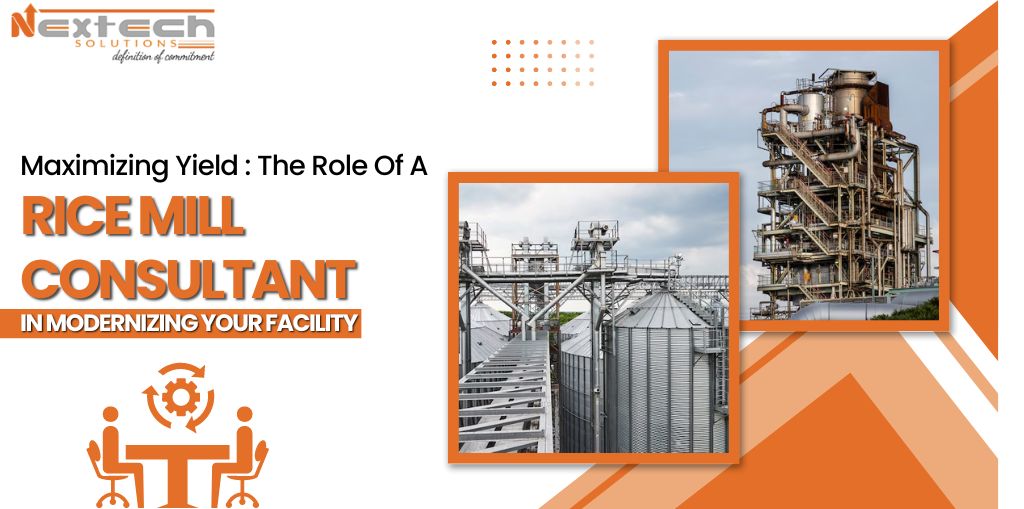
Maximizing Yield: The Role of a Rice Mill Consultant in Modernizing Your Facility

Introduction

In the competitive world of rice milling, achieving optimal efficiency and yield is crucial for success. As technology advances and market demands evolve, modernizing your rice mill facility can significantly enhance productivity and profitability. A rice mill consultant plays a pivotal role in this transformation, offering expertise and guidance to streamline operations and boost output.

The Importance of Modernizing Your Rice Mill

Modernizing a rice mill facility involves upgrading equipment, optimizing processes, and implementing advanced technologies. This not only improves efficiency but also ensures better quality rice production. A well-modernized mill can reduce waste, increase processing speed, and enhance overall product quality, giving your business a competitive edge.

How a Rice Mill Consultant Can Help

1. Assessment and Planning

A rice mill consultant starts by conducting a thorough assessment of your current operations. This includes evaluating equipment, processes, and overall facility layout. Based on this assessment, the consultant develops a customized modernization plan tailored to your specific needs. This plan outlines the necessary upgrades, potential challenges, and expected outcomes, ensuring a clear path to achieving your goals.

2. Technology Integration

One of the key aspects of modernization is integrating new technologies. Rice mill consultants have in-depth knowledge of the latest advancements in milling equipment and technology. They can recommend and implement state-of-the-art machinery that enhances efficiency and reduces operational costs. This includes advanced rice polishing machines, high-capacity huskers, and automated sorting systems.

3. Process Optimization

Optimizing milling processes is essential for maximizing yield and minimizing waste. Consultants analyze existing processes and identify areas for improvement. They may suggest changes in workflow, adjustments to machine settings, or the implementation of new techniques to enhance performance. These optimizations can lead to significant increases in both quantity and quality of the rice produced.

4. Training and Support

Implementing new technologies and processes requires proper training for your staff. A rice mill consultant provides comprehensive training to ensure that your team is well-equipped to handle the updated equipment and processes. This training helps in minimizing errors, maximizing efficiency, and ensuring smooth operation of the new systems.

5. Compliance and Standards

Maintaining compliance with industry standards and regulations is critical for rice mills. Consultants ensure that your facility adheres to all relevant guidelines and quality standards. This includes proper handling of rice, waste management, and safety protocols. Adhering to these standards not only ensures product quality but also enhances your reputation in the market.

Benefits of Hiring a Rice Mill Consultant

1. Enhanced Efficiency

By modernizing your facility with the help of a consultant, you can significantly improve operational efficiency. Advanced machinery and optimized processes lead to faster processing times and higher throughput.

2. Increased Yield

Modernization efforts lead to better yield and quality of rice. Improved equipment and processes reduce waste and enhance the overall quality of the final product.

3. Cost Savings

While there is an initial investment in upgrading equipment and technology, the long-term benefits include reduced operational costs and increased profitability. Efficient processes and modern machinery lead to lower maintenance costs and higher production efficiency.

4. Competitive Advantage

A modernized rice mill facility provides a competitive advantage in the market. Higher quality rice and efficient production processes can set your business apart from competitors, attracting more customers and increasing market share.

Conclusion

In the evolving landscape of the rice milling industry, modernization is not just a choice but a necessity. Engaging a rice mill consultant offers valuable insights and expertise to guide your facility through the modernization process. From technology integration to process optimization and staff training, a consultant ensures that your rice mill business operates at its peak efficiency. Embrace modernization with the support of a skilled consultant from Nextech Agri Solutions to maximize yield, enhance quality, and secure your place in the competitive market.


Choosing the Right Location for Your Rice Mill Business: Factors to Consider

Establishing a successful rice mill business requires careful planning, and one crucial aspect is selecting the right location. The location of your rice mill can significantly impact its efficiency, cost-effectiveness, and overall success.  we will explore the key factors to consider when choosing the perfect location for your rice mill business.

Understanding Your Market

Before deciding on a location, it’s essential to thoroughly understand your target market. Consider factors such as the demand for rice in the area, competition from existing rice mills, and the preferences of your potential customers. Conducting market research will help you identify regions with high demand and less saturation, providing valuable insights for your decision-making process.

Proximity to Raw Materials

One of the primary considerations for a rice mill is proximity to raw materials. Since rice milling involves processing raw paddy into finished rice, sourcing high-quality paddy is crucial for your business’s success. Therefore, choosing a location close to rice-producing regions or where paddy cultivation is prevalent can reduce transportation costs and ensure a steady supply of raw materials.

Access to Transportation

Efficient transportation is vital for the smooth operation of your rice mill business. Look for locations with good road, rail, or waterway connectivity to facilitate the transportation of both raw materials and finished products. Easy access to transportation networks can minimize logistical challenges, reduce delivery times, and lower overall expenses.

Availability of Utilities

Another crucial factor to consider is the availability of essential utilities such as water, electricity, and gas. Rice milling requires significant amounts of water and electricity, so ensure that the chosen location has reliable access to these resources. Additionally, access to affordable energy sources can help minimize operational costs and improve the profitability of your rice mill.

Infrastructure and Facilities

Evaluate the infrastructure and facilities available in potential locations. A well-equipped industrial area or business park may offer advantages such as better security, access to industrial services, and shared facilities like warehouses or storage spaces. Assessing the infrastructure can help you determine the suitability of a location for your rice mill business.

Regulatory Environment

Consider the regulatory environment of different locations, including zoning laws, environmental regulations, and business permits. Ensure that your chosen location complies with all necessary regulations and permits for operating a rice mill. Understanding the regulatory requirements beforehand can prevent legal issues and delays in starting your business.

Labor Availability and Costs

Factor in labor availability and cost when choosing a rice mill location. Prioritize areas with skilled workers experienced in rice milling, or invest in training programs to develop the needed expertise.Evaluating labor availability and costs can help you optimize operational efficiency and manage labor expenses effectively.

Conclusion

Choosing the right location for your rice mill business is a critical decision that can impact its long-term success. Consider market demand, raw material access, transport, utilities, infrastructure, regulations, and labor when choosing a location. Thorough research ensures your choice aligns with business goals, maximizing growth and profitability.

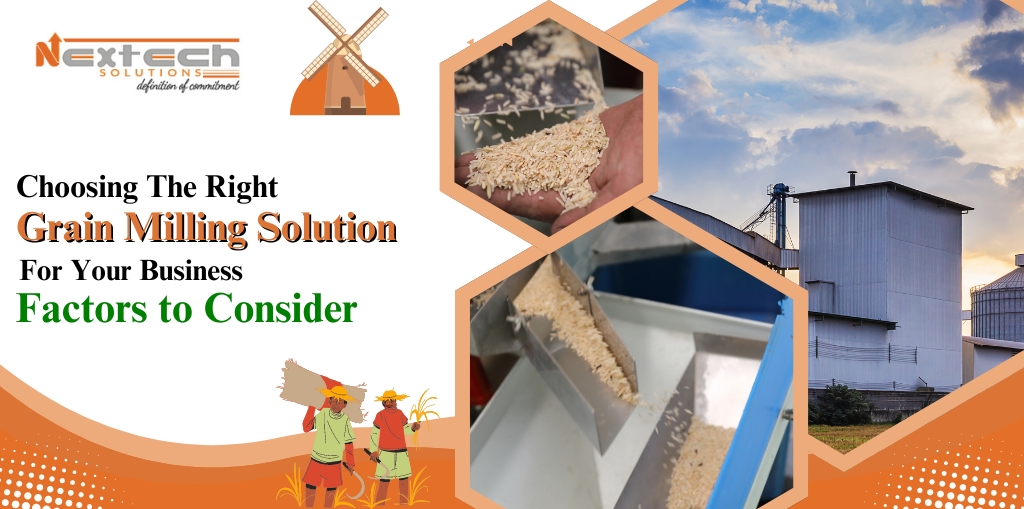
Choosing the Right Grain Milling Solutions for Your Business: Factors to Consider

When it comes to selecting the optimal grain milling solutions for your business, the decision is far from simple. The milling process is a crucial aspect of grain processing and can significantly impact the quality and efficiency of your operations. With numerous options available in the market, it’s essential to consider various factors to ensure that you choose the best solution tailored to your needs. we’ll explore key considerations to help you make an informed decision.

Understanding Grain Milling Solutions

Grain milling solutions encompass a variety of machines and technologies designed to grind, crush, and process grains into meal, or other products. The right milling solution can enhance productivity, improve product quality, and ensure the consistency of your outputs. Nextech Solutions offers a range of milling equipment, each with unique features suited for different scales and types of operations.

Key Factors to Consider

1. Type of Grains

The first factor to consider is the type of grains you intend to mill. Different grains such as rice, corn, and barley have unique properties that require specific milling techniques. Choosing the right Grain Milling Solutions ensures that each grain is processed efficiently according to its characteristics. For example, rice milling involves removing the husk and bran layers to produce polished rice. Understanding the grain type will help you select machinery designed to handle those specific requirements.

2. Production Capacity

Your business’s production requirements are a critical determinant in choosing the right milling solution. Selecting appropriate Grain Milling Solutions helps ensure that your operations run efficiently based on your output needs. Consider the volume of grains you need to process daily, weekly, or monthly. Smaller operations might benefit from compact, high-efficiency mills, while larger enterprises may require industrial-scale equipment capable of processing substantial quantities of grain. Nextech Solutions provides a variety of milling machines, from small-scale units to large industrial systems, to match your production needs.

3. Quality of Output

The quality of the final product is paramount in the milling process. Different milling solutions offer varying degrees of precision and control over the grinding process. 

4. Energy Efficiency

Energy consumption is another crucial factor. Milling operations can be energy-intensive, and selecting energy-efficient machinery can significantly reduce operational costs. Choosing the right Grain Milling Solutions with advanced energy-saving features helps improve efficiency without increasing power usage. Look for milling solutions that incorporate energy-efficient technologies and smart design. Nextech Solutions offers equipment designed to optimize energy use without compromising on performance, helping you achieve sustainable and cost-effective operations.

5. Technology and Automation

Modern grain milling solutions often come equipped with advanced technology and automation features. Automated systems can improve consistency, reduce labor costs, and enhance overall efficiency. Features such as programmable logic controllers (PLCs), real-time monitoring, and automated adjustments can streamline the milling process. Evaluate the technological capabilities of the equipment and consider how automation can benefit your business operations.

6. Maintenance and Support

The longevity and reliability of your milling equipment depend heavily on proper maintenance and support. Choose a milling solution that is not only durable but also backed by comprehensive support services. Nextech Solutions provides robust after-sales support, including maintenance services, technical assistance, and readily available spare parts to ensure uninterrupted operations.

7. Cost Considerations

Budget constraints play a significant role in the decision-making process. While it’s tempting to opt for the least expensive option, it’s crucial to consider the long-term value and return on investment. Investing in the right Grain Milling Solutions ensures better durability, reduced downtime, and improved efficiency over time. High-quality equipment may have a higher initial cost but can save money in the long run through lower maintenance and consistent performance. Nextech Solutions offers a range of pricing options to accommodate different budget levels without compromising on quality.

8. Regulatory Compliance

Ensure that the milling equipment you choose complies with relevant industry standards and regulations. This includes safety standards, food-grade material requirements, and environmental regulations. Compliance not only ensures the safety and quality of your products but also helps avoid legal and regulatory issues.

Conclusion

Choosing the right grain milling solution for your business involves careful consideration of various factors, from the type of grains and production capacity to technology, energy efficiency, and cost. By thoroughly evaluating these aspects, you can select a milling solution that enhances your business’s efficiency, productivity, and product quality. Nextech Solutions is committed to providing top-tier milling equipment tailored to meet the diverse needs of our clients. Contact us today to learn more about our grain milling solutions and how we can help you achieve your operational goals.

Navigating the Rice Industry: A Guide to Choosing the Right Rice Mill Consultant

In the intricate world of rice production, efficiency, and quality are paramount. Whether you’re a seasoned player or a newcomer to the rice industry, the significance of choosing the right rice mill consultant cannot be overstated. Moreover, selecting the right consultant is essential for ensuring the success of your milling operations. With the myriad of options available, it can be overwhelming to discern which consultant aligns best with your specific needs and objectives. This guide aims to shed light on the key considerations and factors to weigh when selecting a rice mill consultant, ensuring a fruitful partnership that drives success in your rice milling operations.

Understanding the Role of a Rice Mill Consultant

Before delving into the selection process, it’s essential to grasp the role of a rice mill consultant. These professionals offer invaluable insights and recommendations, optimizing rice milling from efficiency to quality control. A competent consultant possesses a deep understanding of rice milling technology, market trends, regulatory requirements, and operational best practices.

Key Considerations in Choosing a Rice Mill Consultant

  1. Expertise and Experience: Look for consultants with a proven track record in the rice industry. Evaluate their experience working with different types of rice mills and their ability to address specific challenges relevant to your operation.

  2. Technical Proficiency: Assess the consultant’s technical knowledge and proficiency in rice milling processes, equipment, and technologies. They should be well-versed in modern milling techniques and capable of implementing innovative solutions to enhance efficiency and productivity.

  3. Customized Solutions: Seek consultants who offer tailored solutions to meet your unique requirements and objectives. A one-size-fits-all approach may not yield optimal results for your operation. The consultant should take the time to understand your specific challenges and devise customized strategies to address them effectively.

  4. Quality Assurance: Quality is non-negotiable in the rice industry. Ensure that the consultant prioritizes quality assurance and has robust systems in place to maintain consistent product quality throughout the milling process.

  5. Industry Reputation: Reputation speaks volumes about a consultant’s credibility and reliability. Conduct thorough research, read client testimonials, and seek referrals to gauge the consultant’s reputation within the industry.

  6. Collaborative Approach: Look for consultants who adopt a collaborative approach, working closely with your team to implement recommendations and drive meaningful change. Effective communication and teamwork are essential for a successful consulting engagement.

Why Choose Nextech Solutions as Your Rice Mill Consultant

Nextech Solutions stands out as a trusted partner in the rice industry, offering comprehensive consulting services tailored to the unique needs of each client. With years of experience and a team of seasoned experts, Nextech Solutions is committed to delivering innovative solutions that drive operational excellence and maximize profitability for rice millers worldwide.

Our Approach

At Nextech Solutions, we collaborate closely with clients to understand their challenges and objectives. With deep industry knowledge and technical expertise, we develop customized solutions, optimizing rice milling operations for success.

Our team of consultants comprises seasoned professionals with extensive experience in the rice industry. We guide you through all aspects of rice milling, from optimization to quality control and market analysis, helping you stay competitive.

Conclusion

Choosing the right rice mill consultant is a critical decision that can significantly impact the success of your milling operations. Consider expertise, experience, customized solutions, and industry reputation to make an informed choice. With Nextech Solutions as your partner, navigate the rice industry confidently with our dedicated expert team supporting you.

Common Mistakes to Avoid When Planning Your Rice Mill Layout

A Comprehensive Guide to Avoid Common Mistakes When Planning Your Rice Mill Layout Plant:

Introduction (Rice Mill Layout Plant)

Planning the layout for your rice mill is a crucial step that directly impacts your productivity, efficiency, and overall success in the rice milling business. Avoiding common mistakes in layout planning can save you both time and resources, ultimately leading to a smoother operation and increased profitability. In this guide, we’ll explore the key mistakes to steer clear of when designing your rice mill layout plant, providing you with actionable insights to optimize your setup for success.

Understanding Your Space Requirements

Before delving into the specifics of layout planning, it’s essential to have a clear understanding of your space requirements. Many mill owners make the mistake of underestimating the space needed for various operations, leading to cramped working conditions and inefficient workflow.

When assessing your space requirements, consider factors such as storage space for raw materials and finished products, machinery footprint, and adequate aisle space for movement and maintenance.

Importance of Machinery Placement

Proper placement of machinery is another critical aspect of rice mill layout planning. One common mistake is haphazardly positioning machinery without considering workflow efficiency and safety protocols.

Streamlining Material Flow

Efficient material flow is paramount in rice mill operations to minimize bottlenecks and maximize throughput. However, inadequate planning of material flow pathways can lead to congestion, delays, and unnecessary handling.

Optimizing Worker Ergonomics

Neglecting worker ergonomics is a costly mistake that can result in decreased productivity, increased employee fatigue, and even workplace injuries. When designing your rice mill layout, prioritize ergonomic considerations such as workstation height, equipment accessibility, and workflow ergonomics.

Ensuring Regulatory Compliance

Failure to adhere to regulatory standards and safety guidelines is a significant oversight that can have serious consequences for your rice mill operation.

Implementing Effective Quality Control Measures

Maintaining consistent product quality is essential for customer satisfaction and market competitiveness. However, inadequate quality control measures can lead to product defects, rework, and customer complaints.

Leveraging Technology for Automation

In today’s digital age, leveraging technology for automation is key to staying competitive in the rice milling industry.

Sustainable Practices and Environmental Impact

As sustainability becomes increasingly important in business operations, overlooking environmental considerations can be a costly mistake for rice mill owners.

Common Mistakes to Avoid When Planning Your Rice Mill Layout Plant

Now, let’s delve into the specific mistakes that you should avoid when planning your rice mill layout plant:

Neglecting Space Utilization Optimization

One of the most common mistakes in rice mill layout planning is neglecting to optimize space utilization efficiently.

Disregarding Workflow Efficiency

Another critical mistake is disregarding workflow efficiency when arranging machinery and workstations within the mill.

Ignoring Safety Protocols

Safety should always be a top priority in rice mill operations, yet some mill owners make the mistake of ignoring essential safety protocols.

Overlooking Maintenance Accessibility

Failure to consider maintenance accessibility when designing the layout can lead to costly downtime and repairs.

Underestimating Storage Needs

Underestimating the storage needs for both raw materials and finished products can result in logistical challenges and inventory management issues.

Neglecting Future Expansion

Failing to plan for future expansion can limit your mill’s scalability and hinder long-term growth opportunities.

Frequently Asked Questions (FAQs)

  • How can I determine the optimal layout for my rice mill?

Answer: To determine the optimal layout for your rice mill, consider factors such as space constraints, workflow efficiency, machinery placement, and regulatory compliance. Conducting a thorough analysis of your operational requirements and consulting with industry experts can help you design a layout that maximizes productivity and minimizes costs.

  • What are some common pitfalls to avoid when planning a rice mill layout?

Answer: Some common pitfalls to avoid include neglecting space utilization optimization, disregarding workflow efficiency, ignoring safety protocols, overlooking maintenance accessibility, underestimating storage needs, and neglecting future expansion considerations.

  • Is automation necessary for a rice mill operation?

Answer: While automation can streamline operations and improve efficiency, it’s not always necessary for every rice mill operation. The decision to implement automation should be based on factors such as production volume, labor costs, technological feasibility, and long-term rice mill business goals.

  • How can I ensure regulatory compliance in my rice mill layout?

Answer: To ensure regulatory compliance, familiarize yourself with local, national, and international regulations governing rice milling operations. Work closely with regulatory agencies, seek guidance from industry associations, and invest in training and certification programs for your staff.

  • What are some cost-effective ways to optimize material flow in a rice mill?

Answer: Some cost-effective ways to optimize material flow include reorganizing workstation layouts for better efficiency, implementing lean manufacturing principles to eliminate waste, investing in modular conveyor systems for flexible material handling, and adopting just-in-time inventory management practices.

  • What role does sustainability play in rice mill operations?

Answer: Sustainability plays a crucial role in rice mill operations, encompassing environmental stewardship, resource conservation, and social responsibility. By adopting sustainable practices such as water and energy conservation, waste reduction, and community engagement, rice mill owners can minimize their environmental footprint and contribute to long-term sustainability.

Conclusion

In conclusion, avoiding common mistakes when planning your rice mill layout plant is essential for achieving operational efficiency, productivity, and profitability. By carefully considering space utilization, workflow efficiency, safety protocols, and sustainability practices, you can optimize your rice mill setup for success in the competitive market landscape.