Guide to setting up a Rice Mill Industry in India

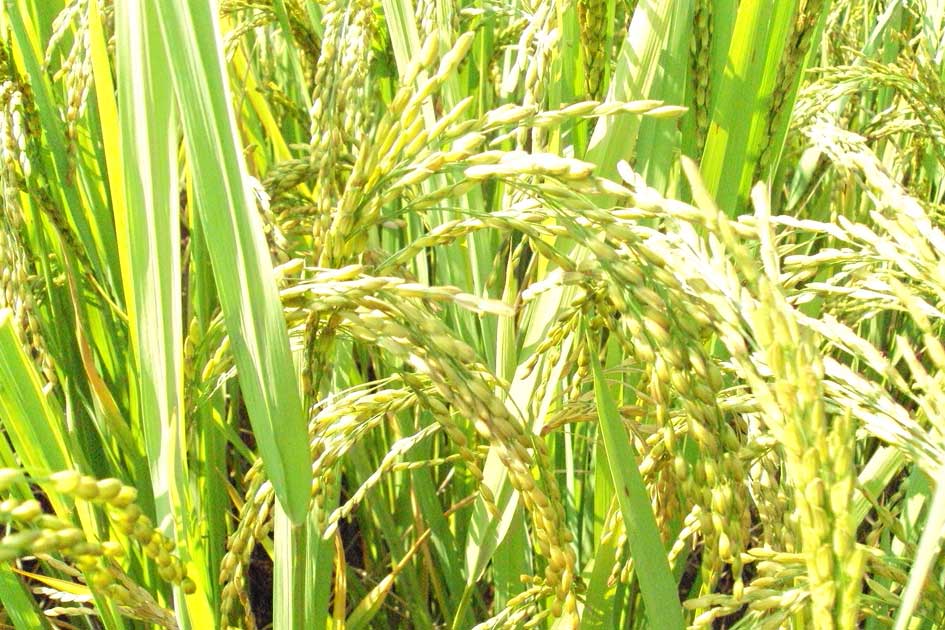
Rice is the basic food of numerous people throughout the country and it is the major food in India. Rice milling industry in India is a key industry as rice farming is one of the chief sources of income for the farmers.

Rice is the basic food of numerous people throughout the country and it is the major food in India. Rice milling industry in India is a key industry as rice farming is one of the chief sources of income for the farmers. Rice grown in India is known for its aroma and is exported throughout the world due to its high quality. If you are planning to set up a rice mill industry in India the here is the guide to do so in a stress-free manner.
Rice Mill Industry Setup in India:

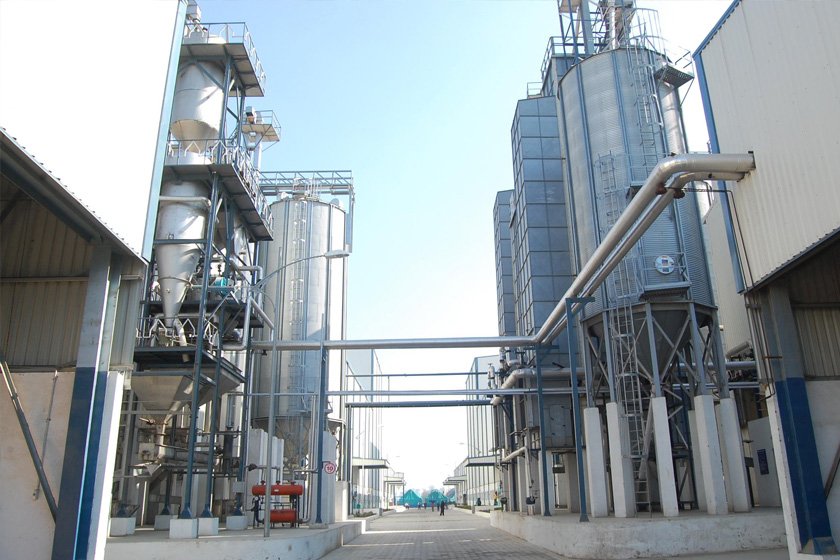
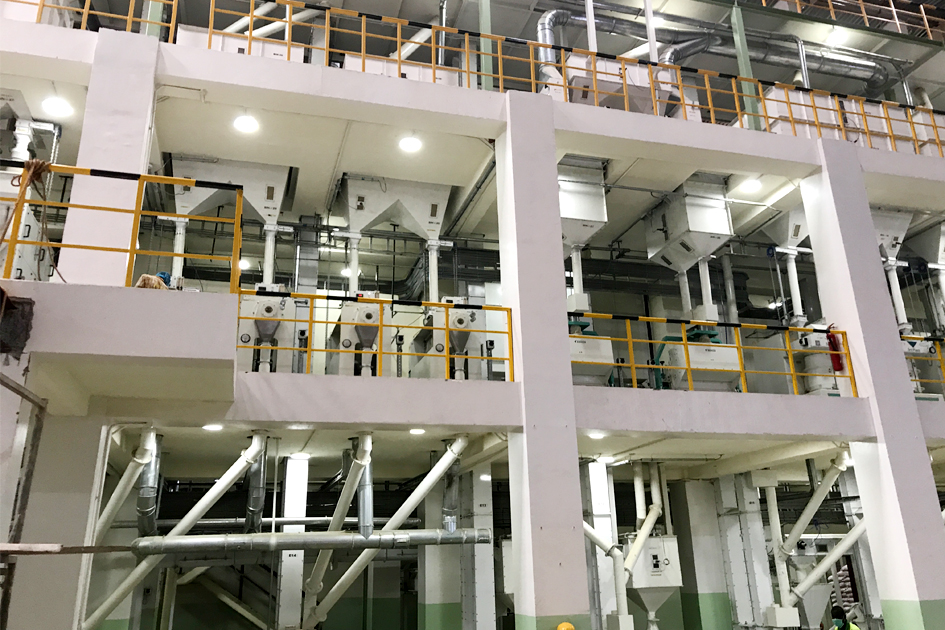
Rice milling industry is a booming industry and with the raw material available quite easily, India is a major hub for rice milling and processing. The process of rice milling involves Pre-cleaning, de-husking, paddy removal, polishing and whitening, grading, mixing, polishing and packaging according to weight. If you already own a land and have the required capital, all you require are Rice mill plant consultants in India that can guide you through the entire process with great ease. You can purchase the equipment and machinery required for the plant setup with the help of a consultant and the process of setup can be then initiated within the four walls of your land.
The basic machinery required for the rice milling plant is:

  • Cleaning machine
  • De-stoning machine
  • Paddy husking machine
  • Paddy separator
  • Rice whitening machine
  • Rice polishing machine
  • Grading machine
  • Grain dryer
  • Weighing and packaging machine
  • Lighting equipment


Installation of the Machines:

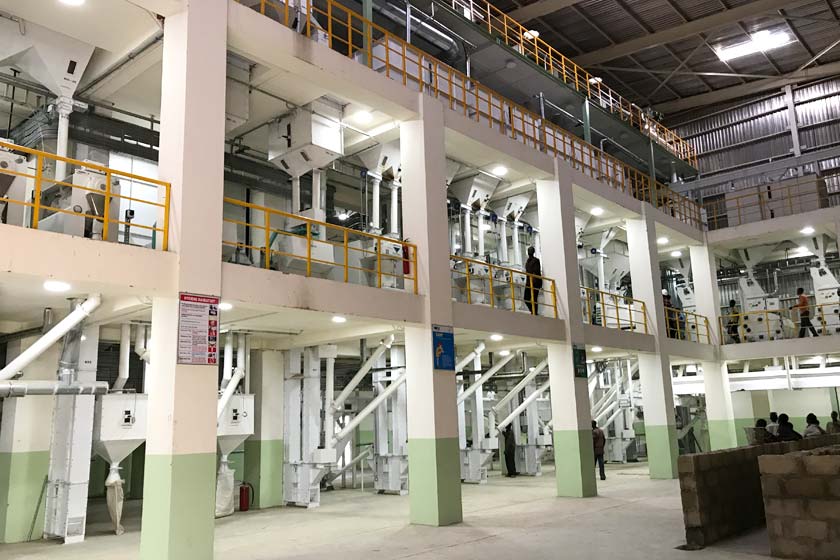
Rice mill machinery installation can be done by experts in the field so that your plant does not face any technical issues in the future. These experts will scrutinize and install the complete plant for you so that the production you get is of high quality and quantity. Your plant will be well designed by the technical consultants and the installation team will set up the plant under the supervision of the consultants. Silos project consultants Delhi can also guide you regarding the quality of raw material required to process quality rice, which can be exported.

Once the production commences all you have to do is start marketing your products and place on shelves. The rice milling business is quite profitable with less investment and one can reach great heights in business with hard work and automated machines. You can easily find rice mill machinery providers and start the setup process without any hassle.
 

Enquire Now

Rice Mill Consultants Can Help You Putting Up a Modern Plant

Rice is a staple food for numerous people around the world and it is an important crop that is attained by pounding paddy in the rice processing plant. The Latest rice mill technology is used in putting up modern rice mills that use state of the art technology and machinery for the manufacturing process of rice.

Rice is a staple food for numerous people around the world and it is an important crop that is attained by pounding paddy in the rice processing plant. The Latest rice mill technology is used in putting up modern rice mills that use state of the art technology and machinery for the manufacturing process of rice. This process, in rice mills nowadays is completely automatic and continuous and constitutes of Paddy’s Cleaning, Hulling, Whitening, Polishing, Sorting, Grading, and packaging. During the cleaning process of paddy, the product is cleared of stones, dust, mud and immature paddy to make it clean and clear. In the latest rice processing plants, the quality of rice produced is of high quality, elongated and cooks well which is why consumers demand it repeatedly.

Rice in raw form is not meant to be eaten by human beings, which is why it needs to be milled and processed before cooking. The paddy is processed so that it becomes free of all the impurities and becomes edible. In the process, the husk and rice bran are removed so that white rice kernel can be obtained and becomes ready for consumption. The latest rice processing units have several stages involved in cleaning the rice like pre-cleaning, de-stoning, de-husking, separating paddy, whitening the rice, polishing it, grading on the basis of length and packaging.

Rice milling in today’s world is in great demand as half of the populace around the world consumes rice. It is a great business which can be successfully set up with the help of rice mill project consultants. The business is profitable, financially and commercially, however, you require adequate skill, knowledge, and investment in setting it up. There are numerous basmati rice plant consultants that can provide you with enough knowledge and guide you through the steps on how to start a rice mill business. There are certain things which you must know before setting up a modern automatic plant that produces high-quality rice for the consumers.

Once the paddy is brought into mills, it is put into hoppers which distribute it into different towers based on sizes and then the damp rice is dried by heat or air and makes it improved. The rice is then stored protectively by the units to keep it safe from rodents, fungus or insects, and bad weather conditions. Later the rice is sent to the milling machine where it is processed to become fit for consumption. Once the processing is done, rice is packed in plastic bags and sent to the retailers.

If you are planning to set up a rice processing unit and require a rice mill machinery consultant, then Nextech Grain processing & Engineering Solutions Pvt. Ltd. is expert consultants that can help you in setting up the unit as they are well experienced in the field of grain and seed industry. You will get high-quality work with utmost satisfaction through the company regarding rice milling and storage silo and will reap great benefits once the business is set up. They will provide you with the latest machinery and equipment which are based on latest technology.


Enquire Now

Raw Paddy Drying Solutions by Nextech

By “drying” is meant the phase of the post-harvest system during which the product is rapidly dehydrated to a so-called “backup” moisture. This desiccation is intended to sufficiently reduce the moisture content of the grain to ensure favorable conditions for storage or subsequent processing of the product.

By “drying” is meant the phase of the post-harvest system during which the product is rapidly dehydrated to a so-called “backup” moisture. This desiccation is intended to sufficiently reduce the moisture content of the grain to ensure favorable conditions for storage or subsequent processing of the product.

It is possible to obtain the drying of the products by circulating more or less hot air in a mass of grains. In its movement, the air gives heat to the grains, absorbing moisture from the most superficial layers.

The water present in the surface layers of the grains evaporates much more efficiently and more rapidly than that of the inner layers.

It is therefore much more difficult to lower the water content of a product from 25% to 15% than from 35% to 25%. It would be wrong to think that this difficulty can be overcome by carrying out a rapid drying at a high temperature. Indeed, such drying conditions generate internal tensions, producing small cracks that can lead to breakage of grains during subsequent treatments.

For the drying of grains, the methods employed are, in essence, two in number:
– Natural drying
– Artificial drying

Both have advantages and disadvantages, and there is no ideal way to meet all needs.

Natural Drying

The method of natural paddy dryer, to which the techniques illustrated in the section on pre-drying operations also relate, consists essentially in exposing the beaten products to the air (in the sun or the shade). To obtain the desired moisture content, the grains are spread in thin layers over a drying area, where they are exposed to air (in the sun or the shade) for a maximum of 10-15 days. To promote uniform drying, the seeds should frequently be stirred, especially if they are exposed to direct sunlight. In addition, for the drying to be sufficient, the relative humidity of the ambient air must not exceed 70%.

Artificial Drying

The introduction of high-yielding crop varieties and the gradual mechanization of agriculture now make it possible to harvest large quantities of grain in a short period. In the tropical and subtropical humid zones, given the unfavorable weather conditions at the time of harvest, it is often difficult to safeguard the quality of the products.

To meet the need to increase agricultural production, it is, therefore, necessary to dry the products in a relatively short time, and whatever the ambient conditions. Thus, paddy dryer plant must be used. This method consists essentially in subjecting the grains to a forced ventilation of more or less heated air. It requires the use of individual devices called “dryers.”

Artificial Raw Paddy Dryer

From the point of view of construction, the essential elements of a rice dryer machine are:

– the dryer body, which contains the grains to be dried;
– The hot air generator, which allows heating the air drying;
– The fan, which allows the circulation of drying air in the grain mass.

For the artificial drying of the grains, two types of dryers are used:

– Static or batch dryers;
– Continuous dryers.
The former is inexpensive and only treat small quantities of grain; they are therefore more suited to the needs of small and medium-sized collection and processing centers.

As for the latter, they are high flow paddy drying technology that requires more complex infrastructure, additional equipment and especially a particular planning and organization. They are therefore more suitable for large centers, silos or shops, where very large quantities of product are processed. Nextech Agri Solutions is a reliable brand if you want to purchase agricultural solutions.


Enquire Now

Why Rice Mill Plant need a Consultant?

While ignoring the barriers of the income as well as the living standards of the people living in the state, country or city, rice is one of the grains that are affordable by the large population in any country. Besides, rice is stable food in most of the Asian countries. This is clear by now that a huge amount of quantity of this food item is traded to other countries, where the production is low.

While ignoring the barriers of the income as well as the living standards of the people living in the state, country or city, rice is one of the grains that are affordable by the large population in any country. Besides, rice is stable food in most of the Asian countries. This is clear by now that a huge amount of quantity of this food item is traded to other countries, where the production is low.

Now the question arises that with the right rice milling machine, we can easily produce a picture where the high output, productivity and market efficiency of the mills are required. This credit for mass production definitely goes to the rice mill consultants. These professionals are hired in large number by various mill merchants who aim for better output and working.

With the presence of milling consultants, the production and quality of the crops levels get higher. Their presence makes a big difference in the working procedures and environment. Here is how the rice mill plant consultant are a necessity these days:

Being a rice industry specialist, they help the customers with the right choice of business. This implies that irrespective of customer needs to begin the cultivation business, discount, dealership, and retail rice offering business.

Obviously, the beginning of rice plant is productive and various organization take attainable study and stage as the initial step in order to guarantee the benefits to the business. Rice mill consultants facilitate the clients with the fundamental components. For instance, prerequisite arrival, outlining and development, assets and other factors that influence the day to day working of rice machine and mills.

The need of perfect land piece and its determination is fundamental as most of the plant proprietors require highly stable capacity zone for this purpose that by now, has been processed and will be processed without much ado. Expert rice consultants have a vision to this, they make deals and perform various troublesome exercise and choose right rice processing machine. They are held responsible to consider the land zone where the production will take place.

Furthermore, the design and development are vital to accomplishing the gigantic benefits from the rice processing business. Factories and mills, under their guidance, out to produce in such a way that they permit smooth and fulfilling operations along within the arranged space. Stores and Godowns are outlined and create so as to store crude paddies and arranging the rice securely.
The consultants also take care of cleaning units, parboiling domains and various fragments reserved suitably.

Keeping up with the high rice milling equipment alongside the desired amount of production is an errand for the proprietors. These two variables add advantage to the era ability of the business. The rice mill consultants set their attention in the right direction while fitting into the interests in the rice processing hardware. They generally prescribe another rice milling process machine. In the present day, the interests, machinery, and technology offer vital protection, simple upkeep process, the higher efficiency with decreased generation cost and improved productivity of the rice mill plants.

Nextech agri solutions
is an all-inclusive agriculture machinery and solution providers for grains and seed industry. They provide high-quality assistance and machinery for rice mills and others.


Enquire Now

Different Paddy Parboiling Methods in India

Parboiling involves partial cooking of rice paddy, and soaking, gelatinizing, and drying before milling. The main objective of parboiling is to impart hardness to the grain (without hampering the husk) so that the grain can withstand the milling operations.

Parboiling Methods in India involve partial cooking of rice paddy, and soaking, gelatinizing, and drying before milling. The main objective of parboiling is to impart hardness to the grain (without hampering the husk) so that the grain can withstand the milling operations. The paddy is parboiled in the hull to soften the kernel so that the surface starch, bran, and other components can blend. After this, the water from the rice is drained and the rice is dried with steam. The dried rice then undergoes machinery procedures to polish the kernels and remove the hull.


There are three different types of Paddy Parboiling methods in India, namely:

  1. Single-staged parboiling system which is meant for small grain and boiled cream-colored rice

  2. Two-staged parboiling system which is meant for small grain, boiled and steamed white-colored rice

  3. Three-staged Parboiling System which is meant for long grain rice like Basmati, etc.


A quick synopsis of Paddy Parboiling Methods in India

The raw paddy is first cleaned and then transferred to the soaking tank paddy storage bin. The raw paddy (only if its grain is long or of medium size) is then steamed for two to four minutes which is followed by the moving of processed paddy to the soaking tanks.


When the rice is in paddy form, it is soaked in water at an ambient temperature of 20-30°C and takes 36 – 48 hours to reach the requisite moisture content of 30%. On the other hand, if the paddy is soaked at a temperature of 60-65°C (hot water soaking), it reaches the moisture level in a mere two to four hours. One advantage of hot water soaking is that it reduces the steaming time which completes the Parboiling Process, quickly.


The smell, color, taste, and solubility of the components of rice depends on the water temperature and the duration for which it is soaked in the water. The timing must also not be too long and the temperature also must not be too high otherwise the components would dissolve in water, the seeds would start germinating, and starch fermentation would occur.


Enquire Now